I remember the first time I stood in a Spanish dehesa at dawn. The air was cool, the cork oaks were silhouetted against a pink sky, and the sound wasn't the expected chatter of holidaymakers—it was the fluting call of a Golden Oriole and the distant drumming of a Lesser Spotted Woodpecker. That's the Mediterranean most visitors miss. Forget the crowded resorts for a second. This region, where Europe, Africa, and Asia meet, is one of the planet's most dynamic birding theaters. It's a pinch-point for millions of migrating birds, a refuge for unique endemics, and a stage for dramatic predator-prey spectacles you simply won't see elsewhere.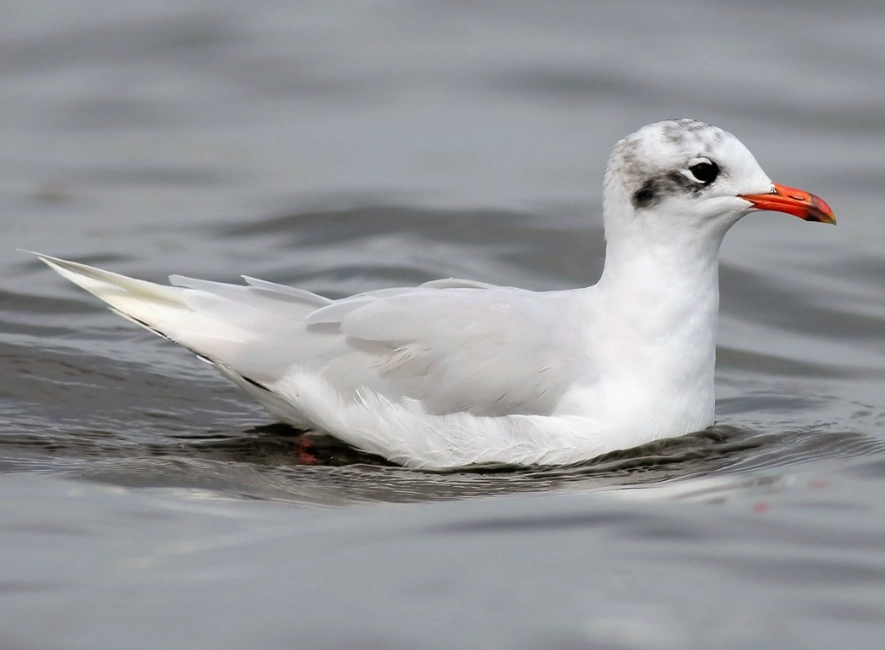
But here's the thing. Just showing up with a cheap pair of binoculars and hoping for the best? That's a recipe for frustration. The light is harsh, the habitats are deceptively complex, and timing is everything. I've learned this over a decade of chasing rarities and guiding trips from Cyprus to Catalonia. This guide isn't just a list of birds. It's your blueprint for a successful Mediterranean birding adventure, packed with the specific spots, seasonal secrets, and hard-won tips most articles gloss over.
Your Quick Guide to Mediterranean Birding
- Why the Mediterranean is a Birding Superhighway
- The 5 Can't-Miss Birding Hotspots (And Exactly When to Go)
- Timing is Everything: Your Seasonal Birding Calendar
- Gear That Actually Works in Mediterranean Conditions
- Pro Tips for Identifying Trickier Mediterranean Birds
- The One Mistake Nearly Every New Visitor Makes
- Beyond the List: Birding With a Purpose
Why the Mediterranean is a Birding Superhighway
Think of it as a colossal funnel. Birds from vast swathes of Europe and Western Asia stream south to Africa for the winter. In spring, they reverse the trip. The Mediterranean Sea is a formidable barrier, so migrants concentrate at the shortest crossing points—the straits of Gibraltar, Sicily, and the Bosphorus, and over islands like Malta and Cyprus. This creates mind-boggling concentrations. On a good day at the Strait of Gibraltar, you might see thousands of White Storks and hundreds of eagles and vultures kettling on thermals, waiting for the courage to cross.
Then there are the residents. Scrubby maquis and garrigue habitats host specialities like the Sardinian Warbler (a skulker with a red eye-ring and a chattering song) and the dazzling blue-and-orange European Roller. Coastal lagoons and saltpans are nurseries for Greater Flamingos, slender Slender-billed Gulls, and the globally threatened Audouin's Gull (a real prize for listers). Mountain ranges hold Lammergeiers and Wallcreepers. The variety is staggering.
The 5 Can't-Miss Birding Hotspots (And Exactly When to Go)
You could spend a lifetime exploring, but if you're planning a trip, these five areas deliver the highest concentration of iconic Mediterranean birds and reliable access. I've ranked them not just by species count, but by the sheer wow-factor and logistical ease.
>| Hotspot & Country | Key Habitats | Star Species (The Highlights) | Prime Time to Visit | Realistic Access Tip |
|---|---|---|---|---|
| 1. Doñana National Park, Spain | Vast marshes, sand dunes, pine woods, scrub. | Spanish Imperial Eagle, Purple Swamphen, White-headed Duck, Greater Flamingo, Red-knobbed Coot. | Spring (Apr-May) for breeding birds & migrants; Winter (Dec-Feb) for huge waterfowl numbers. | Book a 4x4 guided tour from El Rocío village to access the heart of the marsh. Public access areas (like the José Antonio Valverde Center) are good but limited. |
| 2. Lesvos (Lesbos), Greece | Saltpans, river mouths, olive groves, oak woodlands, coastal scrub. | Cinereous Bunting, Kruper's Nuthatch, Rüppell's Warbler, Eleonora's Falcon (from late summer), Spur-winged Lapwing. | Late April to mid-May. The island is legendary for spring migration, especially passerines and herons. | Rent a small car. The island's famous birding spots (Kalloni saltpans, Sigri, etc.) are well-signposted by the birding community. Stay in Skala Kallonis for easy access. |
| 3. Camargue, France | Brackish lagoons, reedbeds, salt flats, sandy beaches. | Greater Flamingo, Camargue Horse (okay, not a bird!), Bearded Reedling, Gull-billed Tern, Collared Pratincole. | Spring and early summer (May-July) for breeding plumage and activity. Avoid mid-summer heat haze. | The Parc Ornithologique de Pont de Gau is a fantastic, easy introduction with guaranteed close views. For serious birding, explore the D37 road and tracks around Étang de Vaccarès. |
| 4. Strait of Gibraltar, Spain | Coastal cliffs, cork oak forests (Alcornocales), migration watchpoints. | Massive raptor migration (Honey-buzzard, Black Kite, Short-toed & Booted Eagles), Blue Rock Thrush, Barbary Partridge. | March-April for northbound spring migration; July-October (peaking Sept) for southbound autumn migration. | Base yourself in Tarifa. For raptors, the Cazalla or El Algarrobo observation points are free and have a festival atmosphere on big days. For woodland birds, explore the trails around Facinas. |
| 5. Cyprus (Akrotiri & Cape Greco) | Coastal scrub, salt lake, cliffs, farmland. | Cyprus Warbler (endemic), Cyprus Wheatear (endemic), Great Spotted Cuckoo, Demoiselle Crane (on migration), Shikra. | Spring (Mar-May) for endemics in song and migration. Autumn for different migrants. | Akrotiri Peninsula is a Sovereign Base Area. You can drive through, but respect military signage. The hide at the Bishop's Pool sewerage works is famously productive for waders. |
I've seen more "life birds" in a week on Lesvos than in months elsewhere in Europe. But Doñana feels wilder, more ancient. The choice depends on what you want to feel, not just see.
Timing is Everything: Your Seasonal Birding Calendar
Get the timing wrong, and you'll be looking at empty skies and silent scrub.
Spring (March-May): The Grand Show
This is the headline act. Summer visitors (like Bee-eaters and Golden Orioles) arrive, filling the woods with color and song. Migrants are moving through in their bright breeding plumage, stopping to refuel. Residents are nesting and highly visible. The weather is pleasant. It's simply the best all-round time. Early May is my sweet spot.
Summer (June-August): Heat Haze and Specialists
It's hot. Very hot. Bird activity crashes in the midday hours. But early mornings and late evenings can be magical. This is the time for breeding herons and terns in the wetlands. And it's the season for Eleonora's Falcon, which nests on sea cliffs (especially in Greece and the Balearics) and hunts at dusk. You need to be strategic and heat-aware.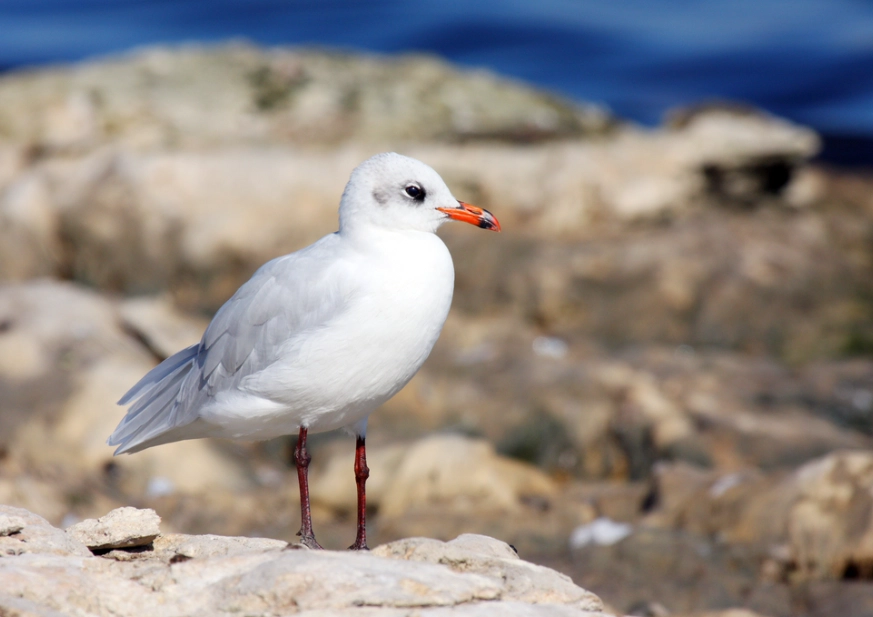
Autumn (September-November): The Raptor Rush
Spring in reverse, but with a different cast. Soaring birds dominate, with huge numbers of Honey-buzzards, eagles, and storks funnelling through the straits. It's less about song and more about spectacle. September at Gibraltar is a pilgrimage site. Waterfowl start to return to the wetlands.
Winter (December-February): Waterbird Wonderland
If you love ducks, geese, and waders, this is your season. Northern Europe empties its wetlands, and birds flood into the relatively mild Mediterranean. Flamingo numbers swell. It's also the best time to look for Alpine Accentor and Wallcreeper in the mountains. Bundle up—coastal winds can be biting.
Gear That Actually Works in Mediterranean Conditions
Your standard kit might need a tweak. The light here is bright and contrasty, often with a haze.
Optics: An 8x42 binocular is the perfect workhorse—bright enough for dawn and dusk, stable enough for scanning. Leave the heavy 10x models at home. A spotting scope (20-60x zoom) is non-negotiable for lagoon birding. You'll be scanning vast, flat pans for distant waders and gulls. A phone adapter for digiscoping is a game-changer for ID confirmation.
Clothing: Think layers. A moisture-wicking base, a light fleece for cool mornings, and a windproof/waterproof shell. COLOR MATTERS. Wear muted greens, browns, or greys. Leave the bright white and blue shirts for the beach—they flare birds from a mile away. A wide-brimmed hat is better than a cap for sun protection.
Tech & Apps: Load up your phone. eBird is essential for finding recent sightings and hotspots. The Collins Bird Guide app is the best European field guide in digital form. For songs and calls, the BirdNET app can be a helpful (but not infallible) assistant for those tricky warblers in the scrub.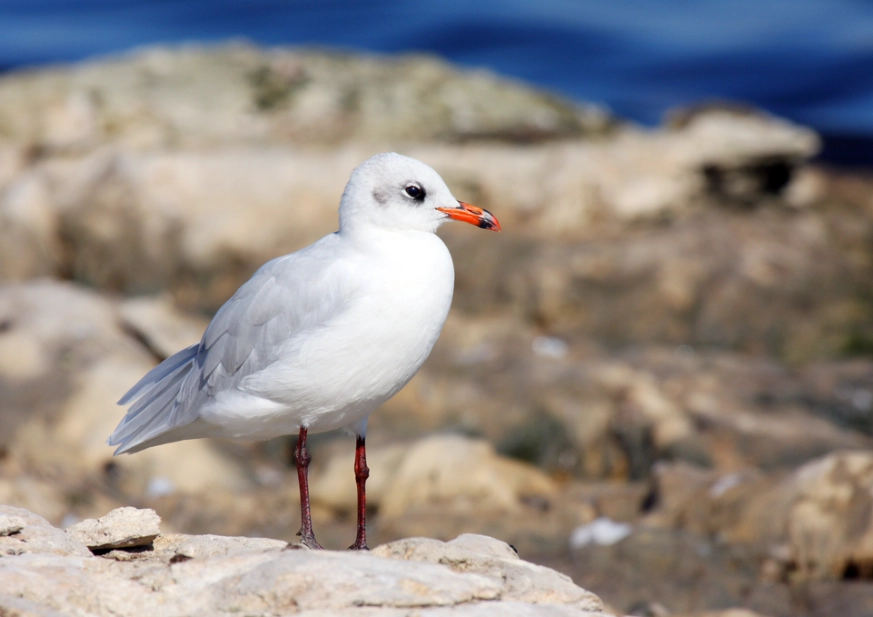
Pro Tips for Identifying Trickier Mediterranean Birds
Warblers. So many warblers. In the spring scrub, you'll hear a dozen different songs. Instead of panicking, focus on habitat and song structure. Is it in low, dense maquis (Sardinian Warbler) or taller, more open scrub (Subalpine Warbler)? Is the song a rapid, rattling chatter or a sweet, melodic phrase? Spend your first day just listening.
For gulls and terns on the saltpans, your scope is your best friend. Look for bill color and shape, leg color, and wing pattern. Is that gull's bill deep red with a black band? You've found an Audouin's. Does that tern have a deeply forked tail and a black cap? That's a Whiskered Tern. Take your time.
The single most useful skill? Learning the common species really well. Once you know the standard Sardinian Warbler or Yellow-legged Gull inside out, the odd one out—the Rüppell's Warbler or the Slender-billed Gull—will scream at you.
The One Mistake Nearly Every New Visitor Makes
They chase the rare bird report and ignore the habitat at their feet. I've seen groups spend six hours looking for a single reported rarity while trampling over a hillside full of singing Eastern Bonelli's Warblers and Rock Buntings. The Mediterranean rewards slow, attentive birding. Sit by a waterhole at dusk. Watch a patch of flowering thyme for ten minutes. Scan the same lagoon channel slowly, twice. The big ticket birds are great, but the magic is in the whole ensemble—the insects, the flowers, the lizards, and the common birds going about their business. That's the true Mediterranean birding experience.
Beyond the List: Birding With a Purpose
This region is under pressure—from development, climate change, and unsustainable tourism. Your visit can be part of the solution. Use your eBird data; it feeds into conservation science. Choose local guides who know and love their patch. Stick to paths to avoid trampling fragile dune or marsh vegetation. Support organizations like BirdLife International and their national partners (e.g., SEO/BirdLife in Spain, HOS in Greece) who are fighting to protect these incredible places.
It's not just about ticking a box. It's about understanding a place. When you watch a flock of Glossy Ibis flying over a Roman ruin at sunset, you're connecting with a history that's both human and wild. That's the real reward.
Questions You Might Be Hesitant to Ask
What is the single best month for birding in the Mediterranean region?
Late April through May is unbeatable. You get the peak of spring migration, resident birds are active and singing, and summer visitors are arriving. The weather is generally mild, and the landscape is green. September is a close second for raptor migration, but spring offers more diversity for the general birder.
What's the most common mistake beginners make when trying to identify Mediterranean birds of prey?
They focus solely on plumage. In the Mediterranean, light conditions can bleach colors, and juvenile plumages vary wildly. The key is flight profile and behavior. Watch how it holds its wings (flat, shallow V, deep V?), the shape of its tail (rounded, fan-shaped, wedge-shaped?), and its hunting style. A Booted Eagle soaring with flat wings looks completely different from a Honey-buzzard with its wings held in a shallow 'V'.
I only have one day in a coastal city like Barcelona or Athens. Can I still see good birds?
Absolutely. Skip the crowded central parks and head to any area with a mix of habitats. A coastal wetland, a river delta on the city's outskirts, or even a large cemetery with mature trees can be fantastic. For Barcelona, the Llobregat Delta is a short train ride away. In Athens, the Schinias Marsh or the Mount Hymettus slopes can yield surprising results. Use eBird's hotspot maps to find these local gems.
How do I respectfully birdwatch in the Mediterranean without disturbing sensitive species?
First, always stay on marked paths in protected areas like dunes and marshes. Your footsteps can crush nests. Second, keep a respectful distance from colonies, especially for birds like flamingos or terns. Use your scope; don't try to get a phone photo by walking closer. Third, avoid playing bird calls to lure birds during breeding season—it stresses them and wastes their energy. Finally, support local conservation NGOs—they're the ones guarding these habitats.
Reader Comments