I almost missed my first Pine Siskin. It was a gray afternoon in late October, and my feeder was mobbed by the usual crowd—chickadees, house finches, a couple of downy woodpeckers hammering at the suet. Then I saw it, clinging sideways to a nyjer sock, looking for all the world like a drab, heavily streaked goldfinch. But it gave a distinctive, rising zreeeeeeet call, and in a flash of yellow in its wing and tail, I knew I had a new visitor. That's the Pine Siskin for you—easy to overlook, but a bird that brings a shot of wild energy to any backyard. If you want to move beyond just spotting them to truly understanding and attracting these nomadic finches, you're in the right place.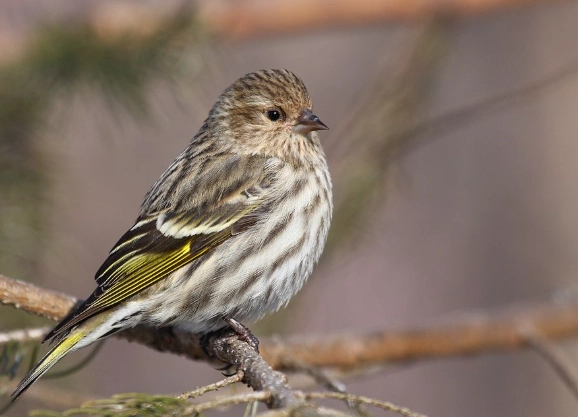
What's Inside This Pine Siskin Guide
Spot the Difference: Pine Siskin Identification Made Simple
Most identification guides get the basics right but miss the subtleties that cause confusion in the field. Let's cut through the noise. The biggest mistake beginners make is calling every small, streaky brown bird at the feeder a "female house finch" or a "dirty goldfinch." Pine Siskins have a specific vibe.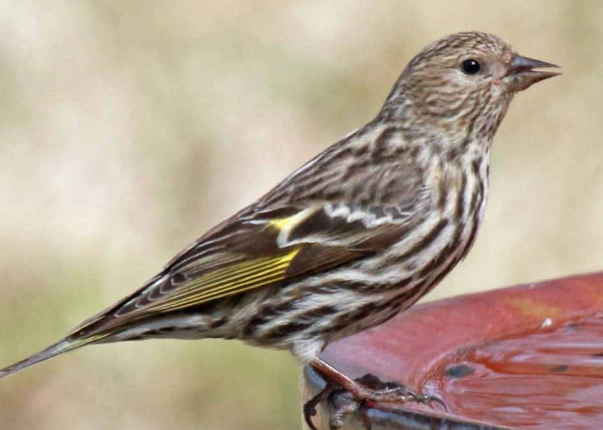
Think of them as the compact, athletic cousin of the American Goldfinch. They're all about sharp, fine streaks. Not the blurry blotches of a juvenile sparrow, but crisp, dark lines running from head to tail on a buff or whitish background. The bill is sharply pointed, perfect for extracting tiny seeds.
Now for the clinchers, the features you should burn into your memory:
- The Yellow Flash: This isn't always obvious. Look for bright yellow patches in the wings (along the base of the primaries) and the sides of the tail. In flight, it can be a brilliant surprise. On a perched bird, you might only see a sliver. No other common streaky finch has this.
- The Call is King: Seriously, learn the sound. Their most common call is a rising, buzzy, grating zreeeeeeet, like a sheet of metal being twisted. It's completely different from the sweet, liquid notes of goldfinches or the chirpy notes of house finches. In a mixed flock, your ears will find them before your eyes do.
- Feeder Behavior: They are acrobatic and social. You'll see them clinging to nyjer socks in all orientations, often squabbling with each other in a tight cluster. Goldfinches are more placid; house finches are more upright and perch-based.
Pro Tip from the Field: In poor light, when colors wash out, focus on the beak and the streaking pattern. That fine, pointed beak and the crisp, dense streaking across the entire breast and flanks are dead giveaways, even in silhouette.
Side-by-Side Comparison: Siskin, Goldfinch, House Finch
| Feature | Pine Siskin | American Goldfinch (Winter) | House Finch (Female) |
|---|---|---|---|
| Overall Color | Heavily streaked brown/white | Dull olive-brown, some streaking | Streaky gray-brown, blurry streaks |
| Key Mark | Yellow in wing/tail (variable) | Black wings with white bars | Plain wings, no yellow |
| Bill Shape | Very thin, sharply pointed | Conical, stout for seeds | Short, thick, slightly curved |
| Classic Call | Rising buzzy zreeeeeeet | Sweet po-ta-to-chip | Rising cheep or chatter |
| Feeder Style | Acrobatic, clingy, social | Perches neatly, less acrobatic | Stable percher, often upright |
Where and When to Find Pine Siskins: It's All About the Trees
Forget random searching. Pine Siskins are tied to seed crops, primarily conifer seeds. Their movements are a direct response to food availability, not the calendar. While they can show up anywhere, your odds skyrocket in specific habitats.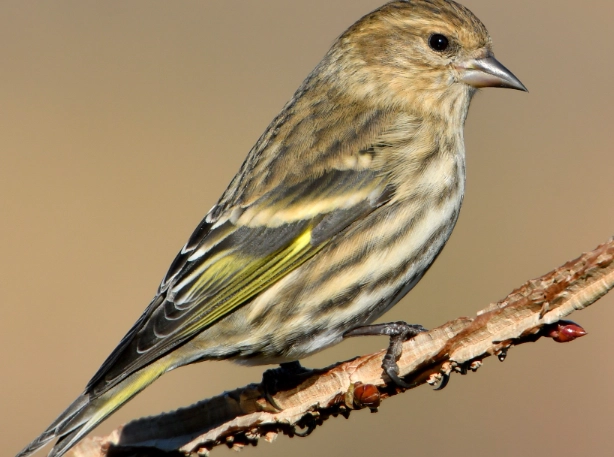
During breeding season (summer), head north or to higher elevations. Think boreal forests and mountain conifer stands across Canada, the Rockies, and the Appalachians. They nest surprisingly early for a finch, often by late April, weaving a delicate cup high in a conifer.
But for most of us, the real action is in fall and winter. This is when they "irrupt" southward. Look for them in:
- Weedy Fields & Roadsides: They love thistle, dandelion, and alder seeds. A stand of alders by a creek is a goldmine.
- Coniferous Plantations: Even small stands of spruce, hemlock, or pine in parks can hold flocks.
- Deciduous Woods with Birch/Alder: In my area, the best spot isn't a deep forest but a riverside park with white birch trees. The siskins feast on the tiny catkins.
Timing is erratic. Some years my yard is empty. Other years, like the major irruption of 2020-2021 documented by projects like Project FeederWatch, they were everywhere, from the Midwest down to the Gulf Coast. You have to be ready.
The Backyard Attraction Blueprint: More Than Just Nyjer
Okay, you want them at your window. Putting out a nyjer feeder is step one, but it's often not enough, especially if you're competing with a natural bounty. Here's the multi-layered strategy that actually works, based on a decade of trial and error (and some failed seasons).
Seed Strategy: Nyjer (thistle) is the famous favorite, but it's expensive and can mold quickly. Pine Siskins are actually opportunistic. They'll readily take black oil sunflower seeds, especially the small chips or hearts. I've had more consistent luck with a mix: a tube feeder with sunflower chips and a separate nyjer sock. They also go nuts for fine sunflower chips in a tray feeder.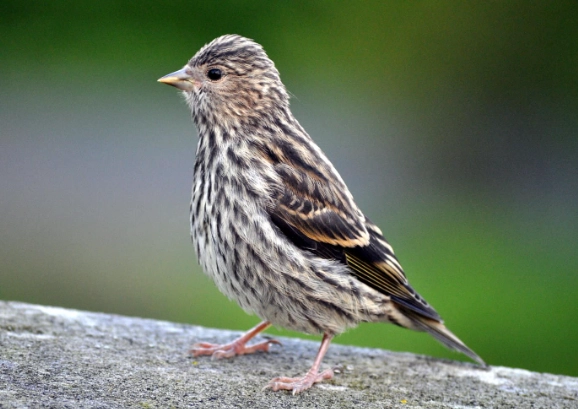
Critical Hygiene Note: This is the most overlooked and vital point. Pine Siskins are highly susceptible to salmonellosis, a bacterial disease that spreads at crowded feeders. During an irruption year, if you see a lethargic, puffed-up siskin, disease is likely present. You must clean your feeders weekly with a 10% bleach solution, rake up spilled seed, and consider taking feeders down for 2 weeks if you see sick birds. Attracting them is a responsibility.
Feeder Types: They prefer feeders where they can cling. Mesh nyjer socks, tube feeders with short perches, and even suet cages (they'll pick at it) are all good. Avoid large platform feeders where bigger, more aggressive birds dominate.
The Habitat Boost: This is the secret sauce. If you have space, plant a native conifer like a spruce or hemlock. Even a few stands of sunflowers or let a patch of thistle grow (carefully!) at the back of your property. You're not just offering a handout; you're offering a habitat. A small bird bath with a dripper or heater in winter is a huge draw—fresh water is often scarcer than food.
Understanding "Irruption" Years: The Finch Forecasting Game
Why are they here one winter and gone the next? It's not magic; it's botany. Pine Siskins are a classic "irruptive" species. When cone crops fail across the boreal forest (a "cone bust"), millions of birds like siskins, redpolls, and crossbills must move south in search of food. These mass movements are called irruptions.
You can't predict it perfectly, but you can listen to the forecast. Organizations like the Finch Research Network compile data on cone crops across Canada. A widespread poor crop usually signals a big southward push. It's why one winter your feeder might host two siskins, and the next winter, a swirling flock of twenty.
During these irruption years, they'll breed far outside their normal range. I've spoken to bird banders in Pennsylvania who've found nesting siskins in January! They're taking advantage of the food bonanza wherever they find it.
Your Pine Siskin Questions, Answered
Spotting a Pine Siskin is a small thrill. Understanding their nomadic life, preparing for their unpredictable visits, and creating a safe space for them turns that thrill into a deeper connection with the natural world right outside. Listen for that buzzy call, keep those feeders clean, and enjoy the show when these spirited little finches decide your yard is the place to be.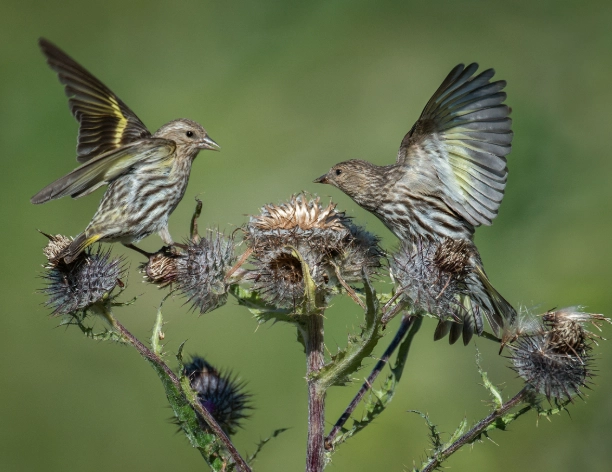
Reader Comments