Quick Navigation
- The Big Move: Understanding Bird Migration
- Summer Destination Hotspots: Where Different Birds Head
- A Practical Guide: Where Specific Common Birds Go
- How Do They Even Know Where to Go?
- Why Some Birds *Don't* Migrate in Summer
- What This Means for You, the Backyard Watcher
- Wrapping It Up: The Big Picture
You set up your feeder in spring, enjoyed the flurry of activity—the bright cardinals, the squabbling sparrows, the occasional woodpecker. Then, around June, things get quiet. Really quiet. You look out one morning and think, "Wait, where did everyone go?" It’s a question that puzzles a lot of us. Where do birds go in summer is more than just curiosity; it’s a window into one of nature’s most spectacular routines.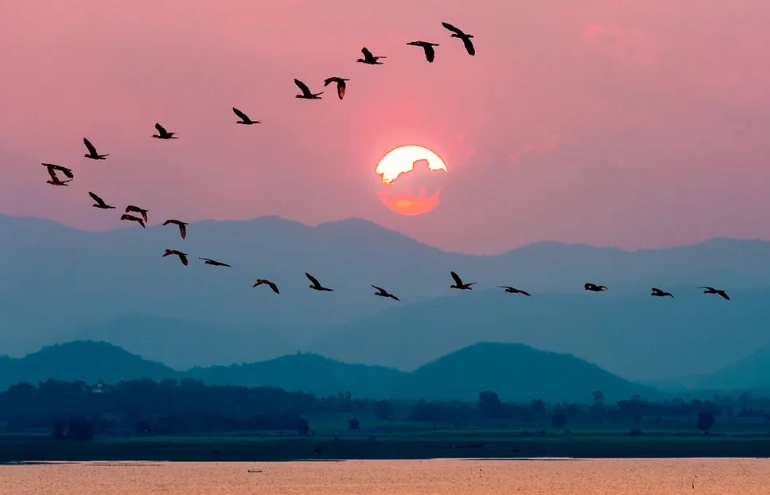
I remember one summer, my usual gang of finches just vanished. I actually worried I’d done something wrong with the seed. Turns out, I was just witnessing a tiny part of a massive, global commute. The simple answer is: it depends wildly on the bird. Some throw a massive going-away party and head north. Some just move to the shadier part of the neighborhood. And honestly, some are right there in your yard, just lying low and raising a family, too busy to visit your buffet.
The Big Move: Understanding Bird Migration
First things first, not all birds migrate. But for those that do, summer is a key season. We often think of migration as flying south for the winter, but the summer journey—the northward trek—is just as crucial. It’s all about real estate and groceries. Birds are chasing two things: abundant food (hello, insect explosions and fruit bonanzas) and safe, spacious places to raise demanding chicks.
The scale is mind-boggling. According to the Cornell Lab of Ornithology, billions of birds undertake migratory journeys across the Americas alone. Their tracking studies, which you can sometimes contribute to, show routes that are anything but straightforward.
Summer Destination Hotspots: Where Different Birds Head
Let’s break it down by type, because a hummingbird’s summer plans are nothing like a goose’s. Asking "where do birds go in summer" gets you a different answer for every species.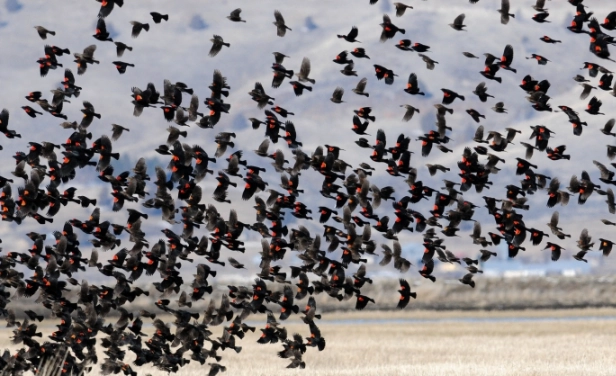
The Long-Distance Champions: Flying to the Far North
These are the birds that give us the most dramatic disappearing act. They spend winters in Central or South America, the southern U.S., or coastal areas, and then book it thousands of miles north for summer.
Their destinations are often the vast boreal forests of Canada and Alaska, or the open tundra of the Arctic. The payoff? Nearly 24 hours of daylight to forage for food and a relative lack of predators (compared to crowded tropical wintering grounds).
- Warblers: These tiny, colorful birds are the poster children for this group. A Blackburnian Warbler might winter in the Andes mountains but nest in the coniferous forests of the northeastern U.S. and Canada. The insect hatches there are like an all-you-can-eat buffet for their chicks.
- Shorebirds (like Sandpipers and Plovers): This one blew my mind. Many shorebirds nest on the Arctic tundra. It’s a brief, bug-filled season where they can raise young on the ground with wide-open sightlines. The National Audubon Society has fantastic maps showing these epic journeys from places like Argentina all the way to the top of the world.
- Swallows and Flycatchers: They follow the insect hatches north. More flying insects = easier time feeding a hungry brood.
The "Staycationers": Birds That Don't Go Far
Not every bird needs a passport. Many species are short-distance migrants or what we call "partial migrants." They might just move from higher elevations to lower valleys, or from the interior out to the coast. Their version of "where do birds go in summer" is often "a few hundred miles that way."
- American Robins: Many people think robins "arrive" in spring, but often, they've just moved from the woods back into your yard. Some northern populations do shift south, but many just change their habitat locally.
- Finches (like Goldfinches): These guys are late nesters. They might move around nomadically in search of the best seed crops rather than making a defined north-south trip.
The Permanent Residents: Your Backyard Bunch
This is the key group that solves part of the mystery. Cardinals, Blue Jays, Mourning Doves, many woodpeckers, and Chickadees often stay put year-round in their territory. So why don't you see them at the feeder in July?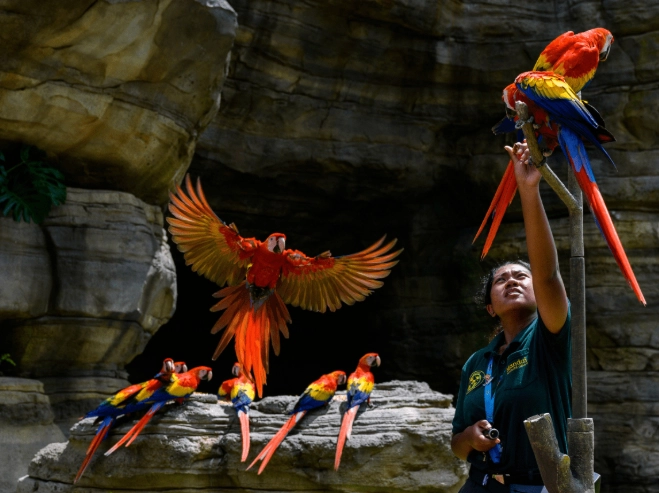
Simple: they're busy and have better options. Summer provides natural food everywhere—insects, worms, berries, seeds. Your feeder is a convenience store, but right now, there's a whole supermarket growing in the trees and soil. Plus, they're deep in the demanding work of nesting—building, incubating eggs, and making thousands of food runs for chicks. They're less conspicuous and less dependent on your handout. They haven't gone anywhere; they've just changed priorities.
Quick Comparison: Summer Strategies
- Long-Distance Migrant: "Time to use my frequent flyer miles! Off to Canada for the all-you-can-eat bug special and a quiet nesting spot."
- Short-Distance/Partial Migrant: "The mountains are getting chilly. Let's head down to the valley for a few months."
- Permanent Resident: "My yard, my rules. The natural food is great, and I've got a nest in the maple tree. Maybe I'll visit the feeder later when I'm less busy."
A Practical Guide: Where Specific Common Birds Go
Let's get concrete. Here’s a table looking at some familiar birds and their typical summer whereabouts. This is the heart of answering "where do birds go in summer" for the species you're most likely to wonder about.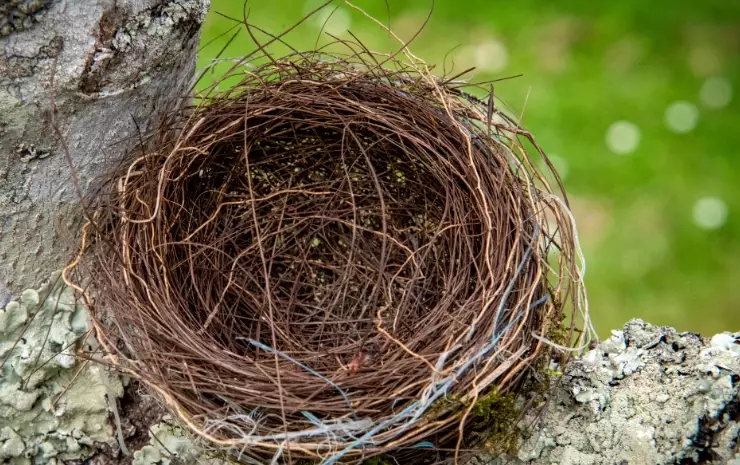
| Bird Species | Typical Summer Destination/Behavior | Migration Distance | Why They Go There |
|---|---|---|---|
| Ruby-throated Hummingbird | Eastern & Central North America, from Florida up to Canada. Winters in Central America. | Long (500-2000+ miles) | To access abundant nectar from summer flowers and insects for protein to raise young. |
| Barn Swallow | Widespread across North America. Winters in Central & South America. | Long | Open country with flying insects. They often return to the same barn or bridge to nest. |
| American Goldfinch | Stays within its North American range, but may move locally. A true late-nester. | Short/Non-migratory (in many areas) | Times nesting with late-summer thistle and seed abundance. They are where the food is. |
| Dark-eyed Junco | Often called "snowbirds," they LEAVE many northern areas for summer, heading to boreal forests or higher mountains. | Short-Medium | Prefers cooler, forested breeding grounds. Their disappearance from your yard means they've gone to their summer home. |
| Northern Cardinal | Stays on its territory year-round. | Non-migratory | Defends its home turf. Less visible in summer due to dense foliage and nesting secrecy. |
| Canada Goose | Breeds across Canada and northern U.S. (the ones in southern parks are often non-migratory residents). | Varies (some long, some none) | Migratory populations seek the open water and grasslands of northern breeding grounds. |
See? It's all over the map. The Canada Goose flying north and the Junco also flying north (to a different habitat) are both answering their own version of "where do birds go in summer." Meanwhile, your cardinal is judging them from the bush in your backyard.
How Do They Even Know Where to Go?
This is the part that feels like magic, but it's science. Birds use a suite of tools we're still fully understanding:
- The Sun and Stars: A built-in celestial compass. Pretty incredible.
- Earth's Magnetic Field: They seem to have a kind of internal GPS that senses magnetic lines. Researchers think it might involve special proteins in their eyes.
- Landmarks: Coastlines, rivers, mountain ranges—they learn routes.
- Innate Programming: For first-time migrants, much of the route is simply hardwired.
The U.S. Fish and Wildlife Service notes that these journeys are fraught with danger, from storms to windows to habitat loss. It makes their annual return even more remarkable.
Why Some Birds *Don't* Migrate in Summer
It's a valid strategy. Migration is energetically expensive and dangerous. If you can hack it year-round, why leave? Birds stay if:
- Their food source is stable (like seeds, or birds that can switch from insects to berries).
- The climate isn't lethally harsh (they can fluff up against cold).
- The benefits of holding a territory outweigh the risks of migration.
What This Means for You, the Backyard Watcher
So your feeder is slow. Don't take it personally! Here’s what you can do:
- Keep Feeders Clean and Full: Adults making thousands of feeding trips will still appreciate a quick, reliable snack. Offer high-protein foods like mealworms for parents feeding chicks.
- Provide Water: A birdbath or water feature is arguably MORE attractive in summer than a feeder. It's for drinking and bathing to cool off.
- Plant Native: This is the biggest tip. Native plants host native insects, which are the primary food for almost all baby birds, even seed-eaters. An oak tree supports over 500 species of caterpillars—that's a bird nursery. Check out resources from the National Wildlife Federation on gardening for wildlife.
- Look and Listen Differently: Birds are there. You might hear begging chicks in a nest, or see silent, furtive movements in the shrubs. Watch for adults carrying food—that’s a sure sign of a nest nearby.
Common Questions About Where Birds Go in Summer
Do all birds leave in summer?
Absolutely not. Many species are year-round residents. The disappearance you notice is often the migratory species leaving, and the resident species becoming quieter and less feeder-dependent.
Why do some birds come to my feeder in summer but not others?
It depends on their nesting stage and natural food availability. A bird with hungry chicks might grab a quick sunflower seed, but it's primarily out hunting insects. Also, some species are just more shy during nesting season.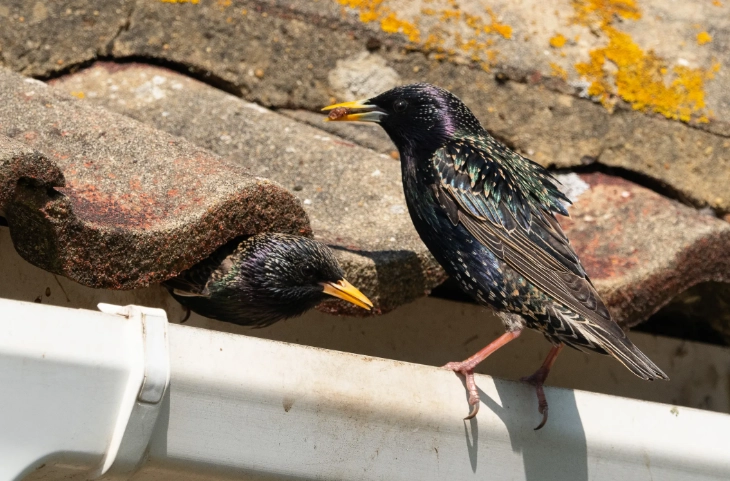
Is it bad to stop feeding birds in summer?
Not necessarily, as natural food is abundant. However, keeping a clean feeder and a fresh water source is always beneficial. If you do stop, do it gradually. The main downside of summer feeding is the risk of spoiled seed or attracting unwanted pests if not maintained.
How can I help birds during summer?
Water, water, water. Reduce pesticide use so insect food is plentiful. Keep cats indoors. And maybe delay pruning shrubs until fall to avoid disturbing active nests.
When will the migratory birds come back to my yard?
For many long-distance migrants, the return south happens in late summer and fall (August-October). You might see them stopping over to refuel. The juncos and other "snowbirds" typically return to wintering areas like your yard after their breeding season is complete, often around September or October.
Wrapping It Up: The Big Picture
Asking where do birds go in summer opens up this incredible narrative of endurance, strategy, and adaptation. Some are on an epic journey to the land of the midnight sun. Some are just in the deeper woods behind your house. Others are right under your nose, working overtime.
The quiet at your feeder isn't an absence—it's a sign of the seasonal rhythm of life happening all around you. The migrants are off exploiting a seasonal bounty to continue their lineage. The residents are doing the same, just locally. It’s all connected.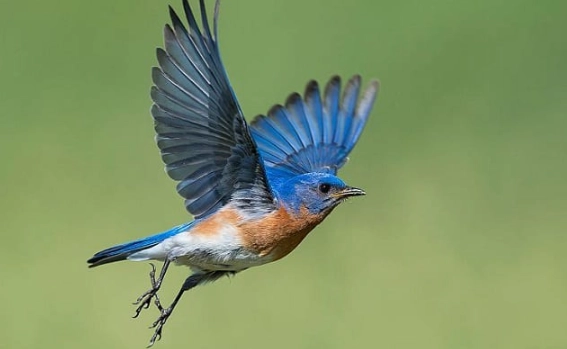
Next time you notice the silence, instead of wondering where they went, maybe smile knowing the reason. Some are raising chicks in an Alaskan spruce forest. Some are guarding a nest in your hedge. And come fall, many will be back, stories written in the miles on their wings.
Reader Comments