You're at the beach, the park, or a parking lot, and you see a flock of gray and white birds. "Seagulls," you think. But if you look closer, you'll notice they're not all the same. Some have yellow bills, some have black ones. Some legs are pink, some are greenish-yellow. The wingtips show different patterns. It can feel overwhelming.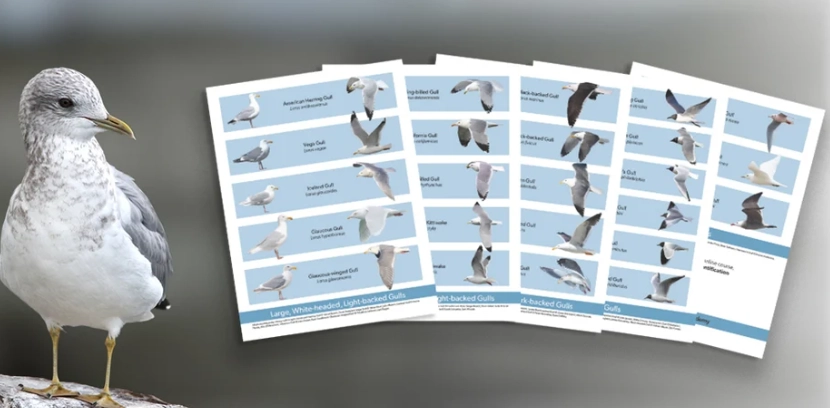
I spent years just calling them all seagulls. Then I started paying attention, and a whole new world opened up. Gull identification isn't about memorizing every single feather. It's about learning a few key signals—like reading a bird's ID card. Forget the complex guides for a minute. Let's break it down into something you can actually use the next time you're out.
What's Inside This Guide
Why Gulls Are So Confusing (It's Not Your Fault)
First off, cut yourself some slack. Gulls are tricky for three huge reasons.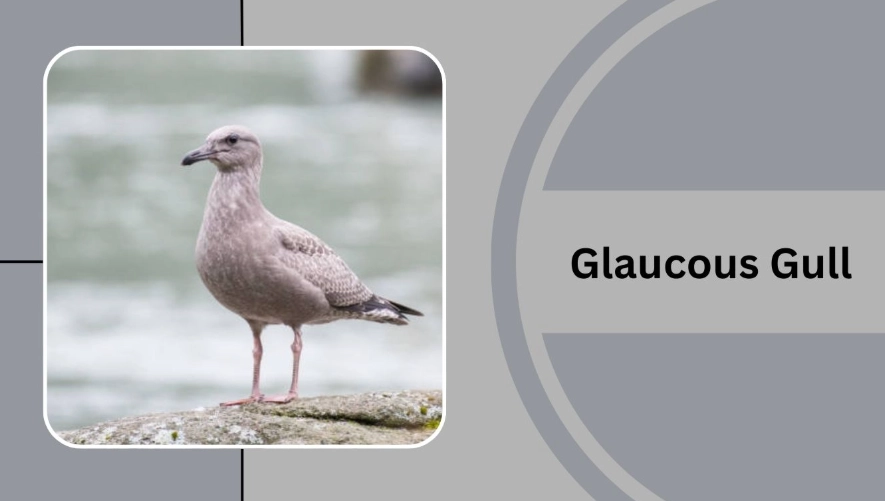
They take forever to grow up. A gull doesn't get its adult feathers for 2 to 4 years. A juvenile Herring Gull is a mottled, streaky brown mess that looks nothing like the clean gray-and-white adult. You might see four different-looking birds that are all the same species, just different ages. This is the number one trip-up.
"Seagull" isn't a real thing. It's a catch-all term like "fish." There are over 20 gull species in North America alone. Using the specific name forces you to see the differences.
They hybridize. Yep, different gull species sometimes interbreed, creating birds with mixed features. Don't worry about these as a beginner. Focus on the classic examples.
The Good News: You don't need to know every age stage. If you can confidently identify the common adults, you're 80% of the way there. Start there. The juveniles will start making sense later.
Your Gull Identification Toolkit: The 4 Key Features
Stop looking at the whole bird. That's too much information. Instead, scan for these four features in order. I call it the "Gull ID Filter."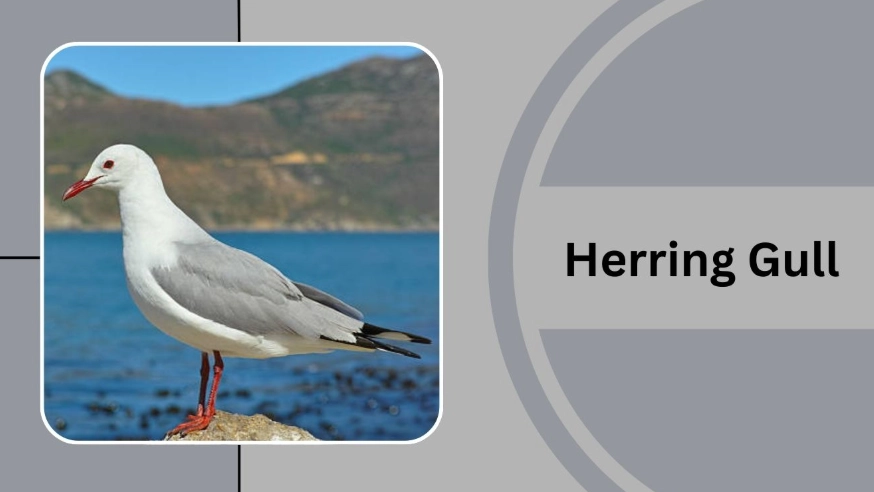
1. The Bill: Color, Spots, and Rings
This is your first and best clue. Is it plain yellow? Yellow with a red spot? Yellow with a black ring? Or is it red? Bill patterns are stable and don't change with the seasons like some plumage can.
2. The Leg Color: Pink, Yellow, or Black?
Simple but effective. Pink legs, yellow legs, or black legs? Get close enough (binoculars help) and check. It immediately narrows down your options.
3. The Wingtips: The Flying Signature
When a gull flies, look at the very ends of its wings (the primaries). The pattern of black and white is like a fingerprint. Some have simple black tips with little white dots. Others have complex patterns of black, white, and gray mirrors. This is crucial for identifying birds at a distance.
4. Overall Size & Impression
Is it huge (like a hawk), medium (like a crow), or small (like a pigeon)? Compare it to other gulls nearby. Size is relative, but it helps separate the giants from the more delicate species.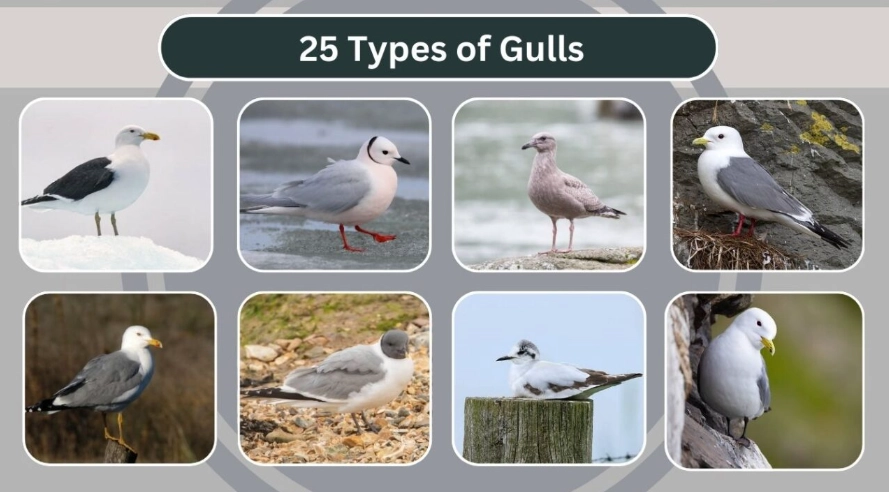
Meet the Common Crowd: Three Gulls You'll See Everywhere
Let's apply the toolkit to three of North America's most widespread gulls. Master these, and you'll be identifying most of the gulls in your area.
| Species | Size (vs. Crow) | Adult Bill | Adult Leg Color | Key Wingtip Pattern (Flying) | Where You'll See It |
|---|---|---|---|---|---|
| Ring-billed Gull | Medium (slightly larger) | Yellow with a distinct black ring | Yellow-green | Clean black tips with small white spots. | Parking lots, inland lakes, fast food restaurants. The classic "parking lot gull." |
| Herring Gull | Large (much larger) | Yellow with a red spot on the lower mandible | Pale pink | Extensive black with large white "mirrors" near the tip. | Coastlines, harbors, landfills. The classic, loud "seagull" of the seaside. |
| California Gull | Medium-Large | Yellow with both a black AND red spot (black ring, red spot on lower mandible) | Gray-green | A complex mix: black with large white mirrors, and a gray "saddle" on the inner wing. | Western North America, common inland and on coast. (Fun fact: It's the state bird of Utah!). |
See how the bill tells the story? Ring-billed has a ring. Herring has a red spot. California has both. That's your cheat sheet.
A common mistake is calling a Ring-billed Gull a "small Herring Gull." They're different beasts. The Ring-billed is neater, more delicate, with that unmistakable black ring. The Herring Gull is bigger, bulkier, and looks more imposing.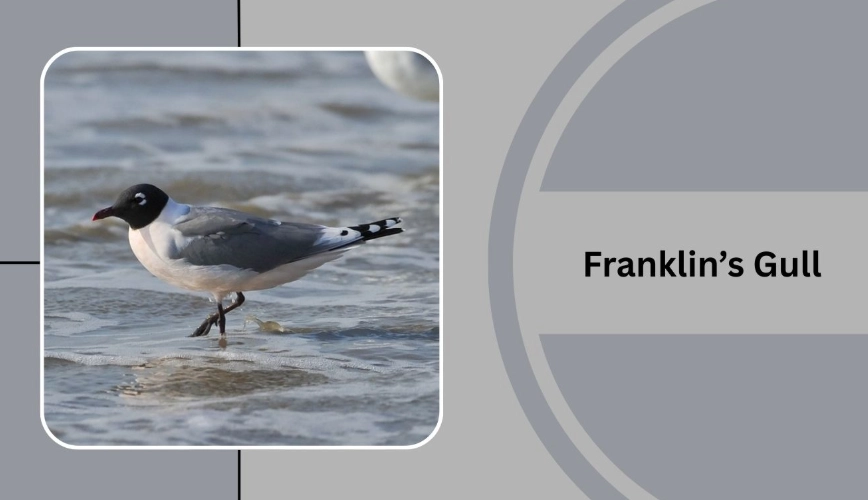
Putting It Into Practice: A Real-World Scenario
Let's say you're at a coastal pier in the Northeast. You see a mix of gulls.
Bird A is huge, standing on a piling. Its legs are pink. Its bill is thick and yellow, and you can just make out a red spot at the tip. When it flies, the wingtips look very black with big white patches. That's your textbook Herring Gull.
Bird B is smaller, wading in a puddle nearby. Its legs look yellowish. You raise your binoculars and bam—a clear black ring around its yellow bill. It's a Ring-billed Gull, even at the coast.
Bird C looks similar to the Herring Gull but maybe a bit smaller. The legs are dark. The bill is yellow but the tip looks smudged with black, not a clean red spot. This is likely a younger, immature Herring Gull. See? You're already thinking about age.
You didn't need to count feathers. You used the filter: Bill, Legs, Wingtips.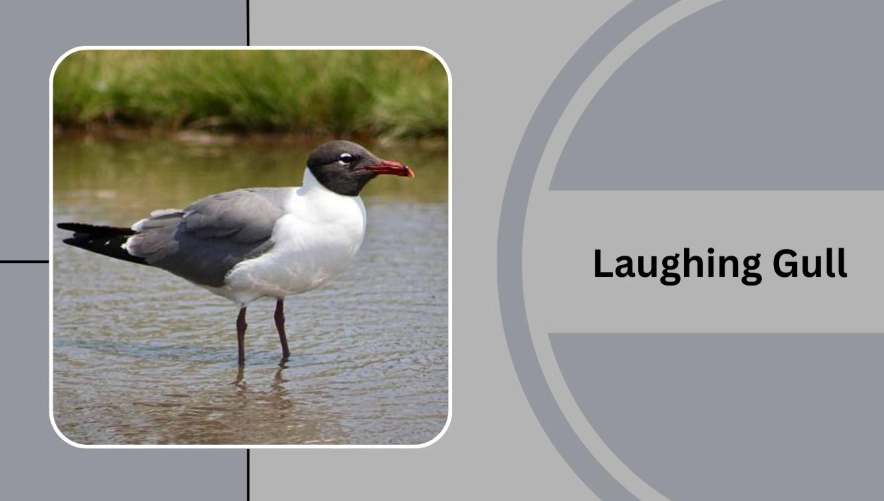
Going Deeper: Tips for When You're Hooked
Once you have the big three down, you can start noticing finer details. This is where it gets really fun.
Eye Color: Some gulls have dark eyes, some have pale eyes. A adult Ring-billed Gull has a pale eye, which gives it a fierce, staring look. Many adult Herring Gulls have a pale eye too, but it can vary.
Head Streaking: In winter, many gulls get dusky brown streaks on their otherwise white heads and necks. Don't let this trick you into thinking it's a different species. It's just their winter wardrobe.
Voice: This is advanced, but herring gulls have that classic, loud, laughing "ha-ha-ha-ha" call. Ring-billed gulls have a higher-pitched, more nasal call. After a while, you'll hear them before you see them.
Your Gull ID Questions, Answered
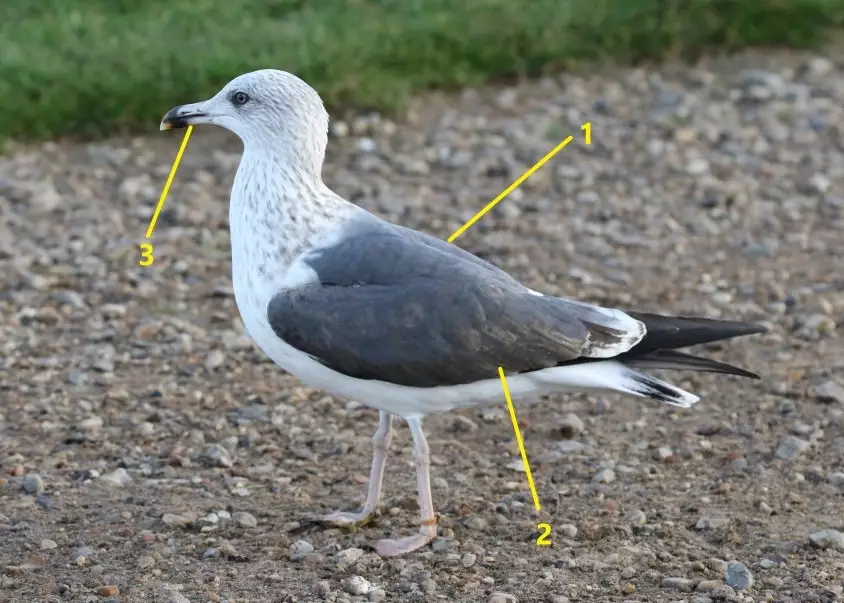 The next time you see a group of gulls, don't just see a flock. See a gathering of Ring-billeds, Herring Gulls, and maybe a surprise visitor. Pick one bird and run it through the filter. Check the bill. Note the legs. Watch it fly.
You've just turned a confusing gray bird into a specific, knowable creature. That's the real magic of gull identification made easy. It's not a test. It's a discovery. Now get out there and start looking.
Reader Comments