I still remember the first time I spotted a secretary bird stalking through the grass in Kenya—it felt like finding a dinosaur. That moment hooked me on African bird safaris. If you're dreaming of seeing vibrant lilac-breasted rollers or hearing the call of a fish eagle, this guide cuts through the noise. We'll cover planning, destinations, and tricks most blogs miss.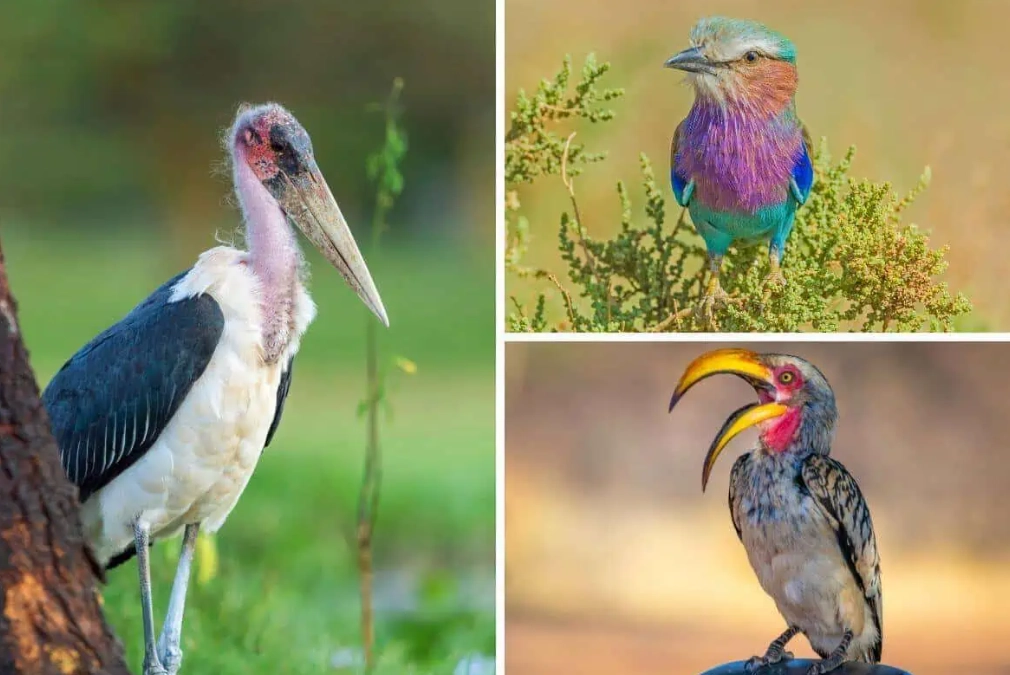
Your Safari Roadmap
How to Plan Your African Bird Safari
Planning a bird safari isn't just about booking flights. It's about timing, gear, and avoiding rookie mistakes. Let's break it down.
Choosing the Best Time and Location
Africa is huge, so timing depends on where you go. In East Africa—think Kenya and Tanzania—the dry seasons (June to October, December to March) are golden. Birds cluster around waterholes, making them easier to see. Southern Africa, like South Africa's Kruger National Park, shines from May to September when it's cooler and drier.
But here's something most guides don't say: avoid chasing rain. Yes, the wet season brings migrants, but thick foliage can hide birds. I once spent a week in Uganda during heavy rains and barely saw a turacos. Lesson learned—check regional weather patterns on sites like the African Bird Club for updates.
Essential Gear You Can't Forget
Binoculars are obvious, but many forget a field notebook. Scribbling notes on behavior helps later. Here's a quick list:
- Binoculars: Go for 8x42 or 10x42 magnification. I use Nikon Monarchs—they're light and sharp.
- Camera: A DSLR with a 300mm lens minimum. Smartphones won't cut it for distant shots.
- Clothing: Neutral colors like khaki or green. Bright colors scare birds away.
- Guidebook: "Birds of Africa South of the Sahara" is my bible. Apps like Merlin Bird ID work offline too.
Pack extra batteries. Camps in remote areas, like Botswana's Okavango Delta, often have limited power.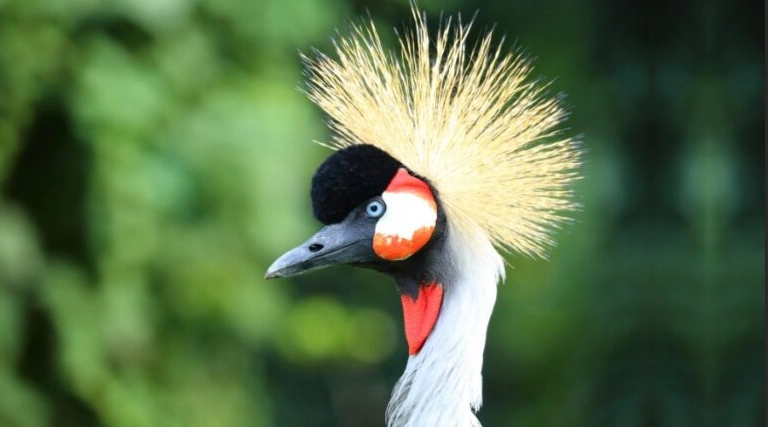
Pro tip: Test your gear before you go. I once brought new binoculars and realized the focus was off—missed a whole morning of birding.
Top Birding Destinations in Africa
Not all parks are equal for birds. Some are overcrowded, others hidden gems. Here's where to focus.
East African Savannas
Kenya's Maasai Mara and Tanzania's Serengeti are famous for big game, but their birdlife is staggering. Look for ostriches, kori bustards, and migratory eagles. The Mara River area is prime for sightings. Entry fees range from $70 to $100 per day—book through Kenya Wildlife Service for discounts.
But skip the peak tourist months (July-August). Go in September; crowds thin, birds are still active.
Southern Africa Hotspots
South Africa's Garden Route is a birding highway. Places like Wilderness National Park host over 300 species, including the rare Knysna turaco. It's cheaper than East Africa—accommodation starts at $50 per night.
For something offbeat, try Namibia's Caprivi Strip. It's less visited, with species like the slaty egret. I spent days there without seeing another tourist.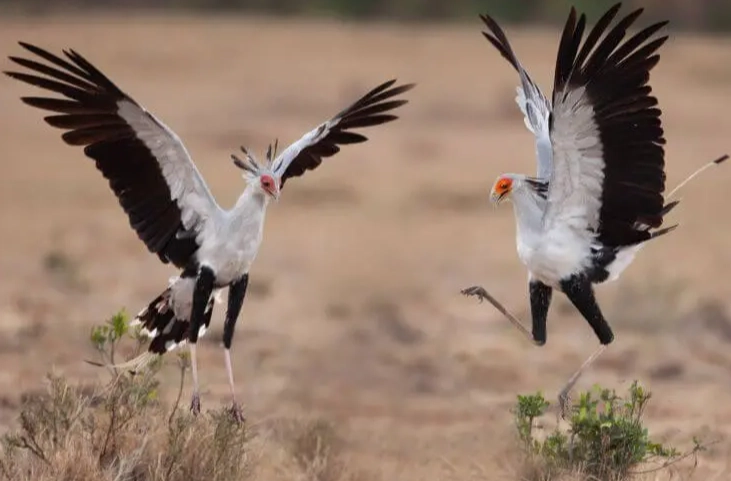
| Destination | Key Birds | Best Season | Approx. Cost (per day) |
|---|---|---|---|
| Maasai Mara, Kenya | Secretary bird, Martial eagle | Jun-Oct | $80-$150 |
| Kruger NP, South Africa | Lilac-breasted roller, African fish eagle | May-Sep | $60-$120 |
| Okavango Delta, Botswana | Pel's fishing owl, African skimmer | May-Oct | $100-$200 |
| Bale Mountains, Ethiopia | Ethiopian wolf, Wattled ibis | Nov-Mar | $40-$80 |
Costs include park fees and basic lodging. Always check current rates on government tourism sites.
Key Bird Species to Spot
Africa has over 2,500 bird species. Don't get overwhelmed—focus on these icons.
Lilac-breasted roller: You'll see it perched on dead trees in savannas. Its colors are unreal, like a rainbow exploded.
African fish eagle: Listen for its haunting call near lakes. It's often mistaken for the bald eagle, but look for the chestnut body.
Ostrich: The world's largest bird. In places like Namibia's Etosha National Park, they run in herds—a surreal sight.
Beginners fixate on color, but behavior matters more. Secretary birds stomp on snakes with their legs; hornbills have a comical flight pattern. Use resources like the IUCN Red List to learn about endangered species, but don't stress over ticking every box.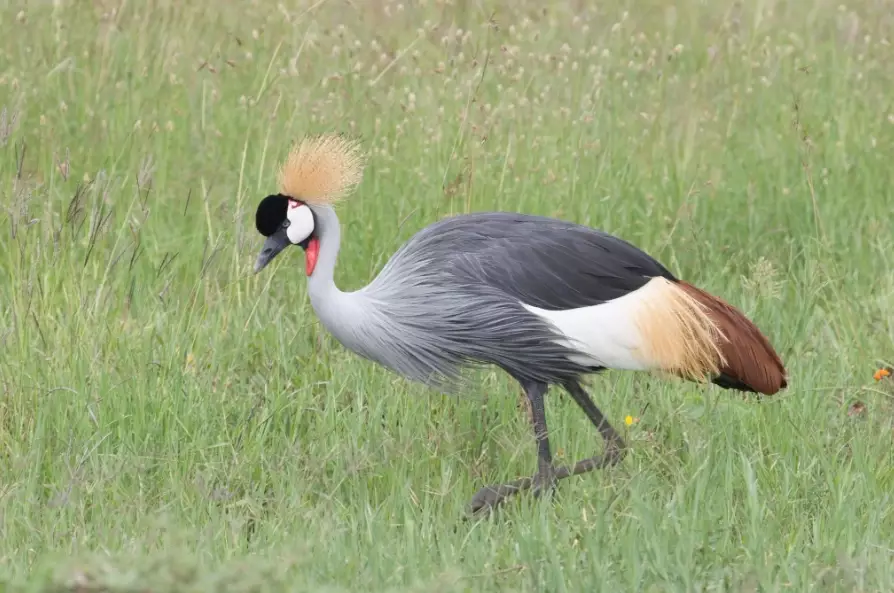
Birdwatching Skills and Expert Tips
Spotting birds is one thing; understanding them is another. Here's how to level up.
First, learn calls. Birds like the grey go-away-bird are heard before seen. I use the app Birds of Africa by Roberts Multimedia, but nothing beats a local guide. In Zambia, my guide pointed out a Pel's fishing owl by its low hoot—I'd have walked right past.
Second, patience pays. Sit quietly at waterholes for 20 minutes. You'll see more than by rushing. I once waited an hour in Tanzania and witnessed a crowned crane courtship dance—worth every second.
Third, respect the environment. Stick to trails, avoid loud noises. Sustainable tourism keeps these places alive. Report sightings to eBird Africa; it helps conservation.
A common mistake: ignoring small birds. Weavers and sunbirds are everywhere, and their nests are engineering marvels. Look for them in acacia trees.
Common Questions Answered
 Birding in Africa isn't a checklist; it's an immersion. Start planning, stay curious, and you'll bring back stories, not just photos. If you need more details, check out the African Bird Club for regional guides—they're a treasure trove of local insights.
Reader Comments