You've seen it a thousand times. On a pond in the city park, in a ditch by the highway, maybe even in your backyard if you're lucky. The common mallard is arguably the world's most recognizable duck. But that familiarity is a trap. It makes us think we know it, so we stop really looking. I've spent over a decade with binoculars glued to my face, and I'm here to tell you: the mallard is packed with secrets most people walk right past.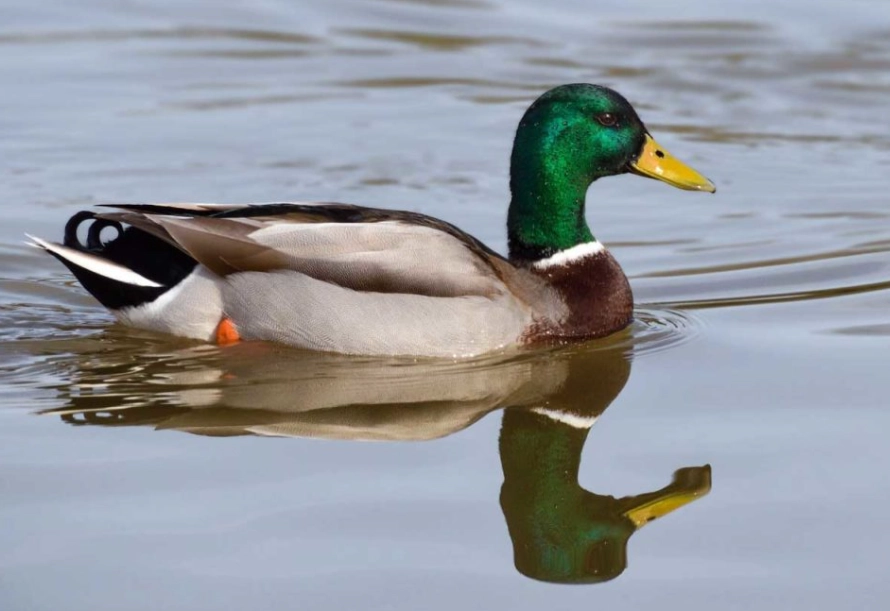
This isn't just about spotting the green head. It's about understanding the bird behind the icon—its hidden behaviors, its surprising adaptability, and the subtle details that separate it from a dozen look-alikes. Let's get past the postcard image.
Your Quick Guide to Mallards
How to Identify a Common Mallard (Beyond the Green Head)
Sure, the male's green head is a giveaway. But what about the rest of the year, or when you see a brown duck? Relying solely on that green head is the number one mistake new birdwatchers make.
The Classic Drake (Male)
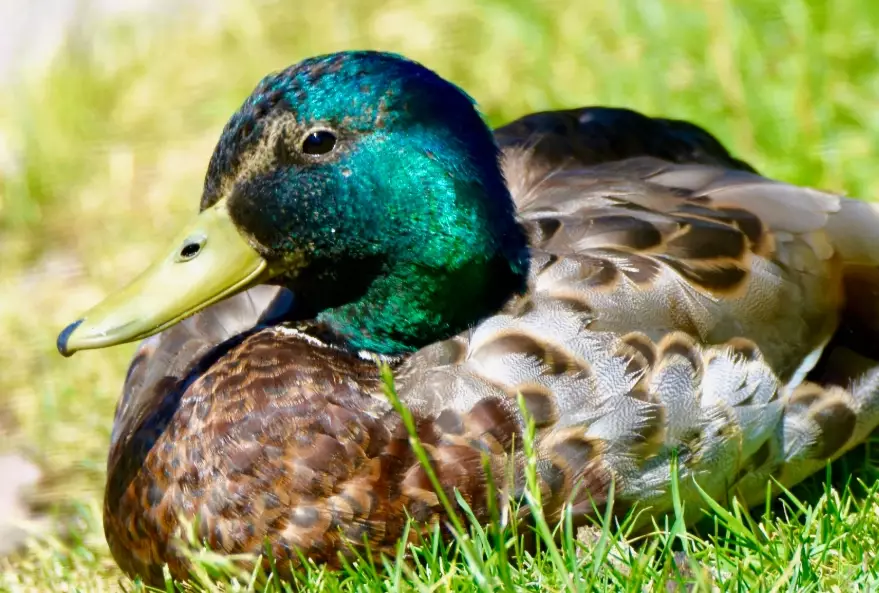
From fall to early summer, the drake is a dandy. That head isn't just green—it's iridescent emerald, looking black from some angles and brilliant teal from others. It's sharply separated from a rich, chestnut-brown breast by a thin white collar. The back is gray, the rump is black, and the tail has those famous upward-curling black feathers (called drake feathers).
Now, look at the bill. It's a clean, bright yellow, like a dab of paint. The legs and feet are a matching bright orange. This color consistency is key. A hybrid or odd duck will often have a mismatched, pale, or blotchy bill.
The Subtle Hen (Female)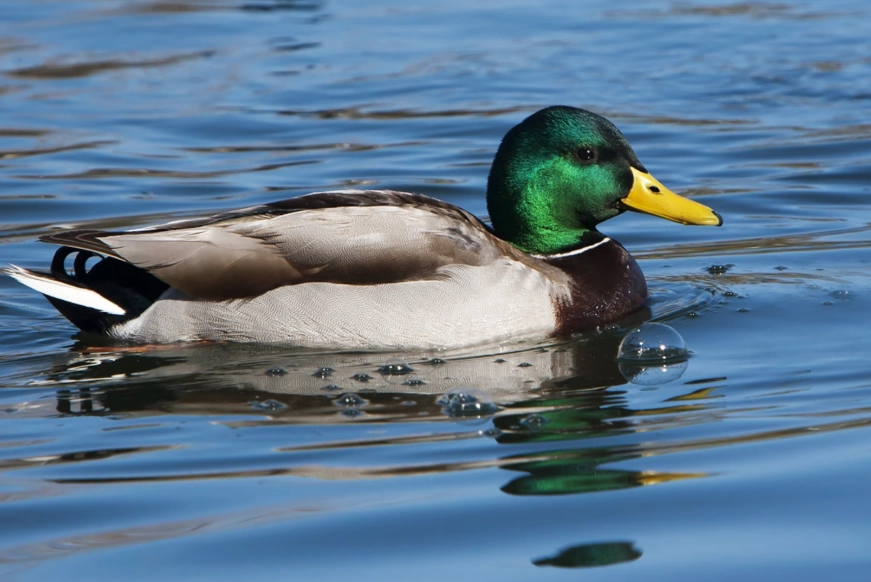
This is where real identification skill comes in. The hen is all about camouflage—mottled browns and tans. But she's not just a generic brown blob. Look for:
- An orange bill, often blotched with black.
- A dark eye line running through the eye.
- Most importantly, the speculum. This is the colored patch on the secondary flight feathers. When she flies or flaps, you'll see it: a brilliant royal blue, bordered by thin, crisp white lines front and back. No other common North American dabbling duck has this exact blue-and-white-striped pattern. It's her signature.
Eclipse Plumage and Juveniles: The Confusing Phase
In late summer, drakes molt all their flashy feathers and look remarkably like females. This is eclipse plumage. You can often still tell them apart by their bill (duller but still yellowish) and overall warmer, redder-brown tone compared to the hen's cooler, streakier brown. Juveniles look like a slightly scruffier version of the hen until they molt into adult plumage.
Mallard vs. Look-Alikes: A Quick Cheat Sheet
Staring at a brown duck and unsure? American Black Ducks are darker overall with a purple (not blue) speculum and no white borders. Mottled Ducks (Florida & Gulf Coast) have a clearer face and a different bill pattern. Female Northern Pintails are sleeker with a longer neck. Always fall back on that blue speculum with white borders—it's the mallard hen's ID card.
Mallard Habitat and Behavior: More Than Just Pond Paddlers
Mallards are the ultimate generalists. This is why they're so successful. They don't need pristine wilderness.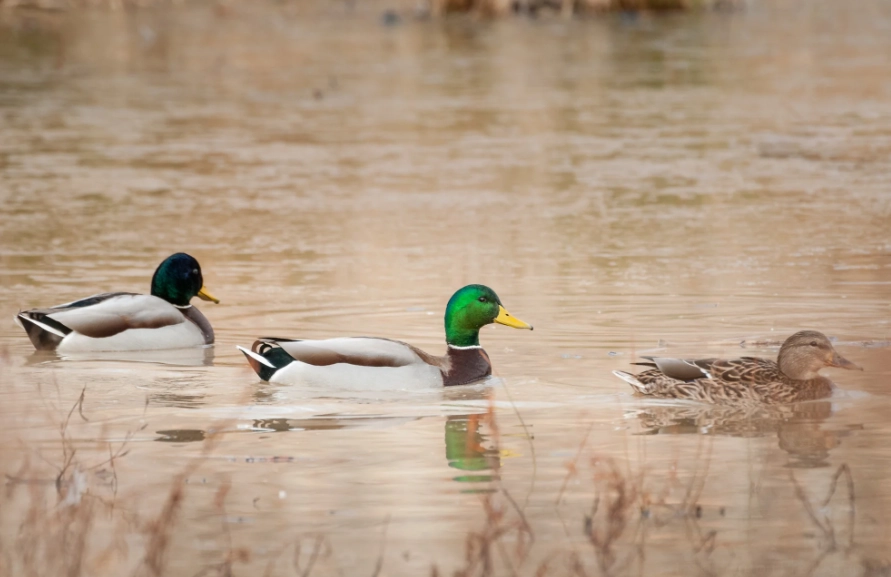
I once saw a pair raising ducklings in a stormwater retention pond in the middle of a busy industrial park. The water wasn't clean, the noise was constant, but they had food and some cover. They made it work.
| Habitat Type | What Mallards Do There | Best Time to Look |
|---|---|---|
| Urban/Suburban Ponds & Parks | Year-round residence for many. Feeding, loafing, nesting in nearby shrubs. High chance of seeing hybrids. | Any time, but early morning sees most natural feeding activity. |
| Agricultural Fields & Flooded Marshes | Prime feeding grounds. They gorge on waste grain (corn, wheat) and aquatic invertebrates. | Fall, winter, and spring migration periods. Dusk and dawn flights to/from roosts. |
| Natural Wetlands & River Edges | Core natural habitat. Breeding, molting (in secluded areas), and raising young. | Spring and summer for breeding behavior; late summer for molting flocks. |
Their feeding behavior is classic "dabbling." They tip-up, tails in the air, to reach underwater plants and insects. You'll rarely see them dive completely under unless startled. Their diet is wildly varied: seeds, aquatic plants, insects, snails, and even the occasional small fish or tadpole. In city parks, they switch effortlessly to bread (which is terrible for them), birdseed, and whatever people toss in.
Watch a group for five minutes. You'll see a hierarchy.
There's a social structure. Drakes can be pushy with each other, especially in winter flocks. The famous head-pumping and grunting calls are part of courtship, which can start as early as fall. Nesting is a solitary and vulnerable time for the hen. She picks a site on the ground, often surprisingly far from water—under a bush, in tall grass, even on a rooftop garden. She lines it with down plucked from her own breast. Once the 8-12 eggs hatch, her famous parade of ducklings to water is a high-risk journey.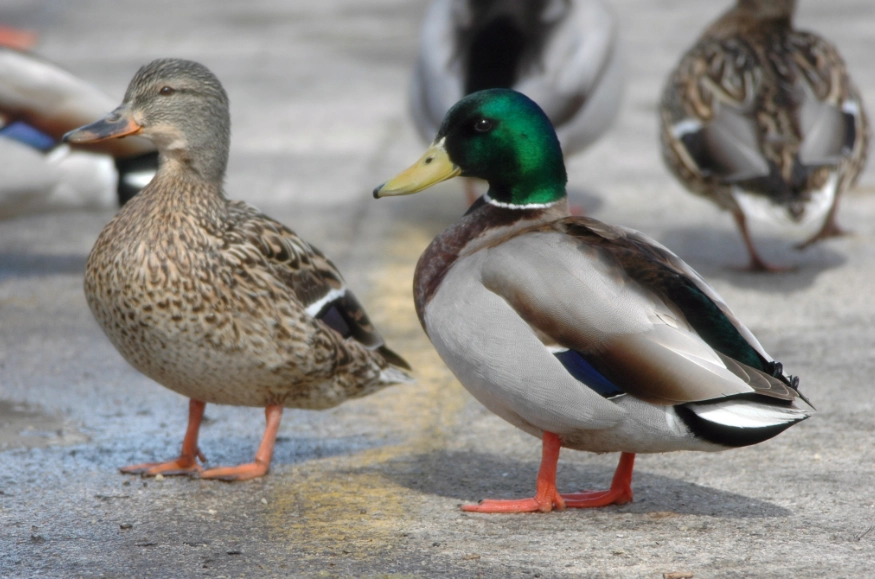
Where and When to Find Mallards: A Practical Locator Guide
You want to see mallards? Good. Let's move past "any pond" and find the best spots for observation. I'll give you two scenarios: the quick city fix and the dedicated wildlife outing.
The Urban Mallard Fix
Any city with a park pond has mallards. But not all ponds are equal. Look for ones with:
- A mix of open water and vegetation (like cattails or lilies).
- An island (safe loafing and potential nesting).
- Grassy banks where people don't constantly walk dogs.
Timing: Go within two hours of sunrise. This is when they're most active feeding naturally, before the crowds with bread arrive. Late afternoon is also good. Bring a pair of binoculars—even a cheap pair—and just sit. Watch interactions. Listen to the soft quacks of hens and the low rab-rab-rab of drakes.
The Serious Wildlife Spotting Trip
To see mallards behaving more naturally, you need to get out of town. Your targets are National Wildlife Refuges (NWRs), state wildlife management areas (WMAs), and large wetland complexes.
Here’s a specific plan for a fall morning:
Location: Pick a local refuge known for waterfowl. A quick search for "[Your State] wildlife refuge waterfowl" will find it.
Time: Be in the parking lot at dawn. I'm serious. This is non-negotiable for active bird behavior.
Gear: Binoculars (8x42 is ideal), a spotting scope if you have one for distant birds, warm clothes, waterproof boots, and a field guide or app like Merlin Bird ID.
The Strategy: Drive or walk the auto tour route slowly. Stop at overlooks with expansive views of marshes or flooded fields. Scan not just the open water but the edges. Look for large, loose flocks resting ("rafting") or smaller groups dabbling in the shallows. Listen for the whistle of wings as flocks move between roosting and feeding areas. Check mixed flocks of ducks carefully—mallards are often with pintails, wigeon, and shovelers.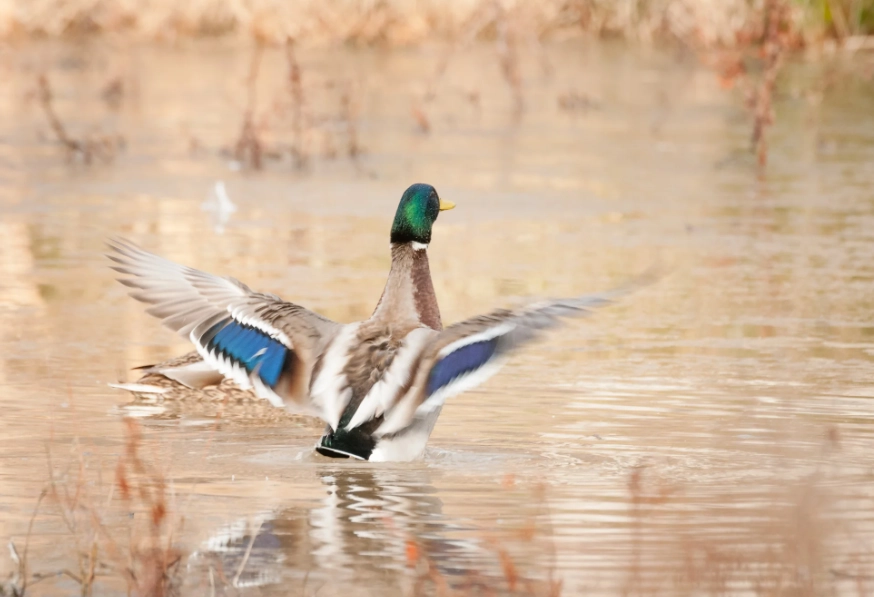
Data from places like the Cornell Lab of Ornithology's eBird can show you recent hotspot sightings and what species are being reported together.
A Note on "Park Ducks" and Hybrids
The mallards in your local park are often genetically messy. They interbreed with domestic ducks released by people. You'll see white bibs, odd bill colors, patchy plumage. Don't let this confuse you. Focus on the classic patterns described above. These hybrids are a conservation concern, as their genes can swamp wild populations. It's a downside to their incredible adaptability.
Questions Only Experienced Birders Think to Ask
These are the things you wonder after your tenth mallard pond visit. The FAQs that dig deeper.
 The common mallard is a gateway bird. It's the one that gets you started. But if you stop seeing it as common, you open a door to noticing everything else—the way the light hits the water, the other ducks in the flock, the rhythm of the seasons. Start with the duck you know. Look closer. There's a whole world in that pond.
Reader Comments