Let's be honest. When you think of birds of Central America, one image probably flashes in your mind: the impossible, shimmering green tail of the Resplendent Quetzal. It's the celebrity. But focusing solely on that is like going to Paris just to see the Eiffel Tower and missing every patisserie, market, and backstreet in between.
Central America is a birding superhighway. This slender land bridge between continents crams in over 1,200 species, from lowland Caribbean rainforests dripping with toucans to Pacific dry forests echoing with parakeets, up to misty cloud forests where hummingbirds duel at feeders. I've spent months there, my neck permanently cricked from looking up, and my notebook filled with scribbles about more than just the star bird.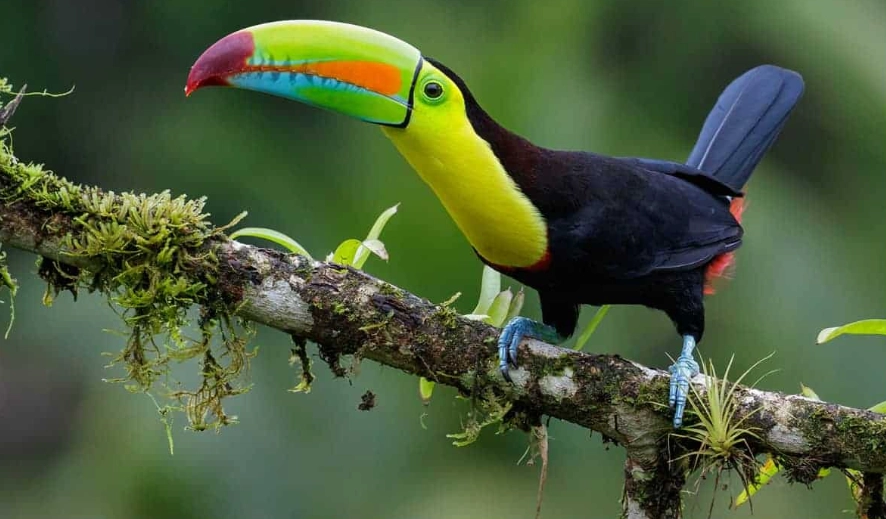
The real magic isn't just the list; it's the experience. The howler monkey soundtrack at dawn, the smell of wet earth after a tropical downpour, the shared grin with a local guide when you finally spot that tiny antwren.
Your Quick Guide to This Article
Where to Go: The Can't-Miss Birding Spots
You can't be everywhere. Based on accessibility, diversity, and sheer wow-factor, here are the regions that deliver consistently. Forget vague "visit Costa Rica" advice. Let's get specific.
Monteverde Cloud Forest, Costa Rica
Yes, it's for the Quetzal. But it's also for the Three-wattled Bellbird whose metallic *bonk* call sounds like a malfunctioning robot, and for a dozen species of hummingbirds zipping around feeder stations so actively it's overwhelming. The mist is constant, so your gear gets damp. The trails are often muddy. But the payoff is immense.
La Selva Biological Station, Costa Rica
This is lowland rainforest birding on easy mode. A network of flat, paved trails through pristine forest managed by the Organization for Tropical Studies. The bird list is around 500 species. Why is it easy? The birds are used to researchers, so they're less skittish. You'll see Great Green Macaws, numerous toucans, and countless understory species like manakins and trogons. You need to book a day pass or, better yet, stay overnight in their lodges.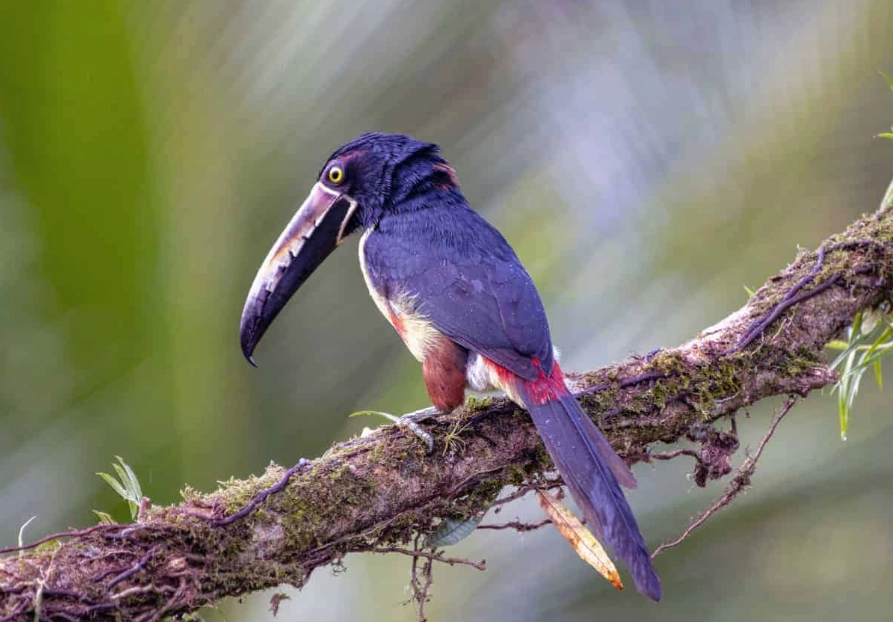
Soberanía National Park, Panama
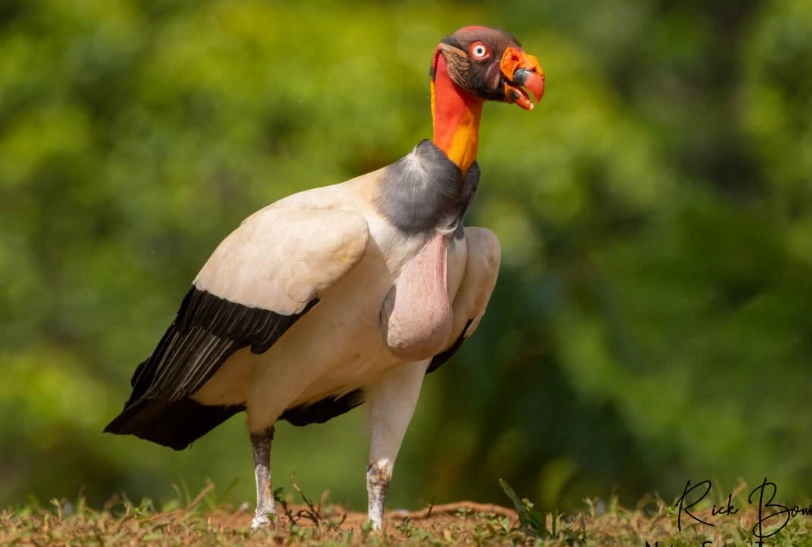
Home to the famous Pipeline Road, a legendary trail where a single-day bird count world record was set. This is serious birding territory. You'll find army ant swarms followed by antbirds, the massive King Vulture soaring overhead, and the odd-looking Black-breasted Puffbird. It's hot, humid, and buggy. Go with a guide from nearby Gamboa. The Canopy Tower lodge, while pricey, offers an unparalleled treetop perspective.
Tikal National Park, Guatemala
Birding among ancient Maya pyramids. The dawn chorus with Ocellated Turkeys calling from temple tops is an experience no other region offers. Look for the bright blue Yucatan Jay and the comical Montezuma Oropendola with its pendulum nests. Combine culture and birding seamlessly here. Fly into Flores (FRS), and stay in the park itself at the Jungle Lodge for early morning access before the tour buses arrive.
| Spot & Country | Key Habitat | Star Birds (Beyond the Obvious) | Best Time to Visit |
|---|---|---|---|
| Monteverde, Costa Rica | Cloud Forest | Three-wattled Bellbird, Violet Sabrewing, Black Guan | Dry Season (Dec-Apr) for Quetzals |
| La Selva, Costa Rica | Lowland Rainforest | Great Green Macaw, Sungrebe, Purple-throated Fruitcrow | Year-round (less rain Feb-Apr) |
| Soberanía, Panama | Lowland Rainforest | Blue Cotinga, Black-breasted Puffbird, Semiplumbeous Hawk | Dry Season (Dec-Apr) |
| Tikal, Guatemala | Lowland Forest & Ruins | Ocellated Turkey, Yucatan Jay, Collared Aracari | Dry Season (Nov-Apr) |
| Pico Bonito, Honduras | Foothill Forest | Lovely Cotinga, Keel-billed Motmot, Red-throated Caracara | Mar-Aug (breeding activity) |
More Than Just a Quetzal: Birds You Have to See
The Quetzal is a must, but don't let it blind you. These birds define the region just as much.
The Motmots: Central America is motmot heaven. Watch for the Keel-billed Motmot's racket-shaped tail or the massive Blue-crowned Motmot perched quietly in the shadows. They often sit still for ages.
Toucan Cast: It's not just the Keel-billed (the Froot Loops mascot). Look for the Collared Aracari, a smaller, sociable toucan traveling in chatty gangs, and the chestnut-colored Yellow-eared Toucanet in highland areas.
The Show-Offs: Manakins: In specific lekking areas (ask a guide!), you might see the Red-capped Manakin do its moonwalk shuffle or the Long-tailed Manakin perform a coordinated duet. It's avian theater.
Raptor Overload: From the elegant White Hawk to the prehistoric-looking King Vulture with its colorful head, keep looking up. The Double-toothed Kite often follows monkey troops to catch insects they disturb.
How to Actually Find Birds: Practical Field Tips
Books give you pictures. Here's how to find the real thing.
Hire a Local Guide for At Least One Day. This is my top tip. A good guide knows territories, calls, and recent sightings. They have a network. That $80 for a half-day might get you 30+ species you'd have missed alone. In places like Costa Rica's Carara National Park, a guide is essential to spot the shy antbirds.
Learn the Soundscape. Before you go, listen to common bird calls on apps like Merlin or xeno-canto. Recognizing the rhythmic hoo-hoo-hoo of a Black-faced Antthrush or the squeaky-gate call of a Bright-rumped Attila will lead you to birds your eyes never would.
Bird the Edges and Gaps. Birds are often more active and visible along forest edges, rivers, and treefall gaps than in the deep, dark interior. A quiet dirt road at dawn can be more productive than a jungle trail.
Stop. Just Stop.. We walk too fast. Find a promising spot, sit on a log or lean against a tree, and stay silent for 10-15 minutes. The forest will forget you're there, and birds will return.
Planning Your Trip: Logistics Over Theory
Let's talk real plans.
Itinerary for a First-Timer (10 Days): Fly into San Jose, Costa Rica. Day 1-3: La Selva/Sarapiquí area (lowland rainforest). Day 4-7: Monteverde area (cloud forest & dry forest transition). Day 8-10: Carara National Park & Tarcoles River (mangroves & scarlet macaws). Fly out of San Jose. This gives you three distinct ecosystems.
Gear You'll Actually Need: • Binoculars (8x42): Waterproof. Non-negotiable. • Rain Cover for Your Pack: A dry bag for your camera. • Field Guide: The Birds of Central America by Vallely & Dyer is the bible. • App: eBird to find hotspots, Merlin for ID. • Clothing: Lightweight, quick-dry pants and shirts in muted colors. A light rain jacket. Broken-in hiking shoes.
Costs & Booking: Central America isn't dirt cheap for good birding. A mid-range trip with guided days, comfortable lodges, and private transport might run $200-$300 per person per day. Booking lodges inside parks (like La Selva, Savegre Lodge) often gives you exclusive early access. Use local tour operators like Costa Rica Focus or Ancon Expeditions (Panama) for logistical help.
Your Birding Questions, Answered
 The birds of Central America are waiting. But they're not just checkmarks on a list. They're part of the sound, the color, and the pulse of the rainforest itself. Go for the Quetzal, sure. But stay for the bellbird's bonk, the toucan's croak, and the quiet wonder of a mixed flock moving through the canopy like living confetti. That's the real treasure.
Reader Comments