Quick Guide
You're out in your backyard, binoculars in hand, watching a pair of Northern Cardinals at the feeder. One is a stunning, vibrant red, the kind of color that makes you catch your breath. The other is more subdued, a lovely but softer brownish-red with tinges of the brighter color. It hits you – do male and female birds look different? That's the question that starts so many people down the path of birding. The short answer is a resounding "sometimes," but the long answer, the interesting one, is a winding trail through evolution, ecology, and sheer avian drama.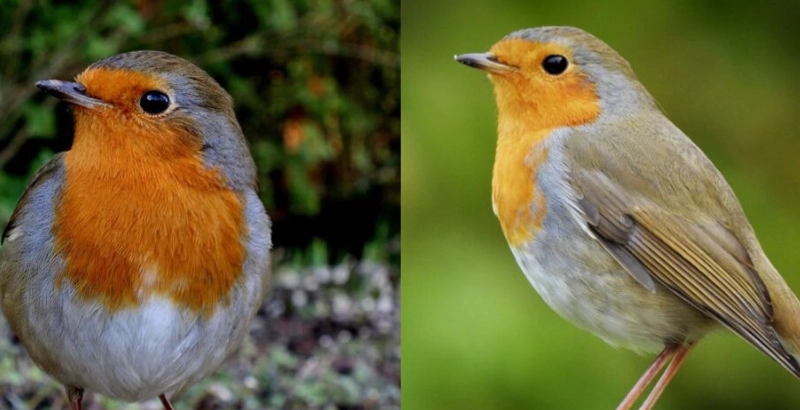
I remember when I first got serious about birding. I spent weeks convinced I was seeing two completely different species at my feeder, only to find out I was looking at Mr. and Mrs. House Finch. The male had that rosy wash on his head and chest, and the female was just... streakier. It was a lightbulb moment. This difference between the sexes has a fancy name: sexual dimorphism. And it's not just about making the boys pretty for the girls. The reasons behind why some birds show dramatic differences and others are nearly identical twins are some of the coolest stories in nature.
Why the Difference? It's All About Strategy
Let's cut to the chase. Birds don't evolve these traits for our viewing pleasure. Every splash of color, every extra-long tail feather, and every subtle difference in size serves a purpose rooted in survival and reproduction. The driving forces mainly boil down to two big concepts: sexual selection and ecological niche.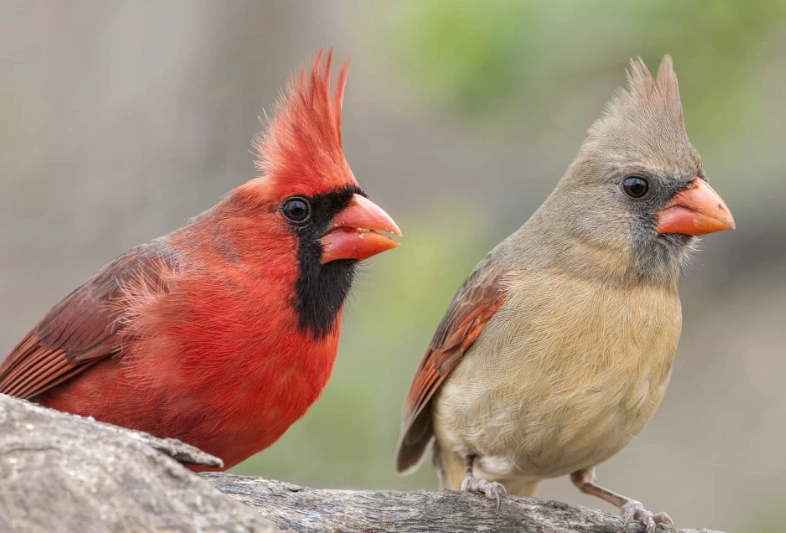
Sexual selection is like nature's talent show. Often, it's the females doing the judging. In many species where males are flashier, the females are choosing mates based on these displays. A brilliant plumage or an elaborate song isn't just pretty—it's a billboard that says, "I'm so healthy and have such good genes that I can afford to wear this bright target on my back and still avoid predators." It's a handicap, honestly. Only the truly fit can pull it off. Charles Darwin himself wrestled with the peacock's tail, wondering how such an ostentatious and cumbersome thing could be advantageous. The answer was in the peahen's choice.
But what about when the roles are reversed? In some species, like phalaropes and jacanas, the females are the larger, more colorful ones, and they compete for mates while the males handle incubation and chick-rearing. In these cases, the sexual selection pressure flips.
Then there's the ecological niche. Sometimes, looking different helps the sexes avoid competing directly with each other for food. If the male and female of a species have slightly different beak sizes or shapes, they can specialize in different types of prey or forage in slightly different ways. This reduces conflict and lets a pair thrive in a shared territory. It's a more partnership-driven reason for dimorphism, less about showmanship and more about practical cohabitation.
A Bird-by-Bird Look: From Obvious to Impossible
Let's get concrete. The best way to understand the spectrum is to look at real examples. This is where asking "do male and female birds look different?" gets really fun.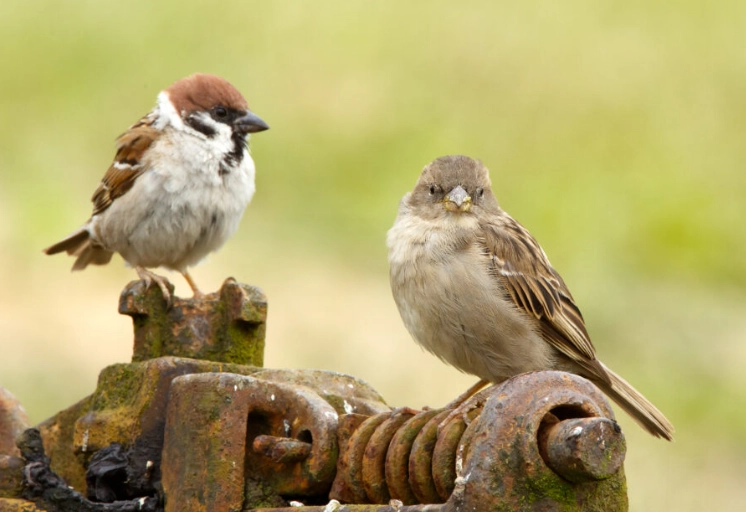
The Show-Stoppers: Dramatic Sexual Dimorphism
These are the birds that make the question easy to answer. The males are often poster children for avian beauty, while females are camouflaged masters.
- Northern Cardinal: The classic example. Scarlet male, tan-brown female with red accents. You'll never mix them up.
- Peacock: The extreme. The male's iridescent train is for display only; the peahen is a modest, mottled brown, perfect for hiding on the nest.
- Wood Duck: Arguably North America's most stunning duck. The male looks like it was painted by a meticulous artist with iridescent greens, purples, and whites. The female is a beautifully patterned but subdued gray-brown, essential for camouflage while nesting in tree cavities.
- Eclectus Parrot: This one flips the script in a shocking way. The male is vibrant emerald green, while the female is a stunning scarlet and purple. For the longest time, scientists thought they were different species!
In all these cases, the flashy sex (usually male) is focused on attraction. The cryptic sex (usually female) bears the dangerous burden of incubation and needs to be invisible to predators. It's a stark division of labor written in feathers.
The Subtle Clues: Moderate or Seasonal Differences
This is the tricky middle ground. The differences are real but require a keener eye. You might need to look at size, minor plumage details, or behavior.
- American Robins: Males typically have a darker, almost black head and richer, rustier breast. Females have a paler head and a slightly duller breast. It's subtle, but with practice, you can see it.
- House Finch: As I learned, the male has a rosy red forehead, throat, and upper breast. The female is plain, streaky brown without a hint of red. It's a mid-level difference.
- Many Ducks (in breeding plumage): Male ducks (drakes) in breeding season are often spectacularly colored. However, for much of the year, they molt into an "eclipse plumage" that looks remarkably similar to the female's brown, mottled feathers. So the answer to "do male and female birds look different?" for a mallard in July is yes, but in September, it's a much fainter no.
- Birds of Prey (Reverse Size Dimorphism): Here's a fascinating twist. In most hawks, eagles, and owls, the female is noticeably larger than the male. This is thought to allow the pair to hunt different-sized prey, reducing competition. Telling them apart in the field is very hard unless they're side-by-side, but the size difference is a consistent rule.
The Look-Alikes: Monomorphic Species
For a huge number of birds, visual identification of sex in the field is virtually impossible. This is a crucial point that many beginner guides gloss over. If you're struggling to tell, it might not be you—it might be the birds!
- Blue Jays: No reliable visual difference. At all.
- American Crows: Identical.
- Most Gulls and Terns: They look the same to us, though they can tell each other apart.
- Chickadees, Titmice, Nuthatches: For the most part, males and females are carbon copies.
In these species, other factors are at play. Maybe pair bonds are long-term and don't require constant visual advertisement. Maybe vocalizations or subtle behavioral cues are more important for recognition. It's a reminder that our human perspective is limited. The question "do male and female birds look different?" might get a "no" from our eyes, but a "yes" from theirs, based on cues we can't perceive.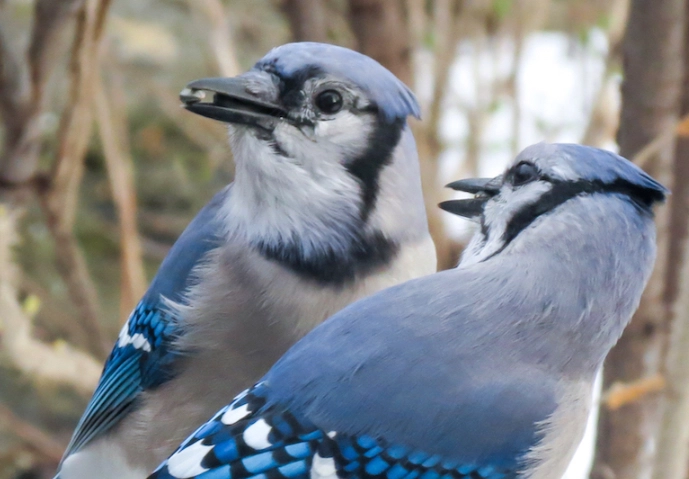
Beyond Color: Other Ways to Tell Them Apart
Plumage is the first thing we look at, but it's not the only game in town. When looks fail, birders turn to other clues. Sometimes these are more reliable than a fleeting glimpse of color.
Behavior is King. During breeding season, watch for who is singing the most complex songs. In most songbirds, singing is primarily a male job for territory defense and attraction. Who is carrying nesting material? Who is seen feeding a mate? These are huge behavioral giveaways. I once identified a pair of Carolina Wrens not by sight (they're monomorphic) but by watching the male bring caterpillars to the female while she called from a thicket.
Size and Structure. As mentioned, in birds of prey, the female is larger. In some shorebirds, bills might differ slightly in length. These require excellent viewing conditions and a lot of experience, but they're real differences.
Seasonal Timing. Knowing the molt cycle is critical. That dull-looking "female" duck in a pond in fall might actually be a male in eclipse plumage. A good field guide or a resource like the Cornell Lab of Ornithology's All About Birds site will show you both plumages.
Your Handy Reference Table: Common Backyard Birds
Let's put this into a quick, scannable format. This table covers some of the birds you're most likely to see, answering the core question for each.
| Bird Species | Visual Difference? | Key Identification Clue | Difficulty Level |
|---|---|---|---|
| Northern Cardinal | Extreme | Male bright red; female brown with red tinges | Easy |
| Blue Jay | None | No visual field mark | Impossible (by sight) |
| American Robin | Subtle | Male has darker head/richer breast; female paler | Medium (with good view) |
| Mallard Duck (Breeding) | Extreme | Male (drake) has green head, yellow bill; female mottled brown | Easy |
| Downy Woodpecker | Subtle | Male has small red patch on back of head; female lacks it | Easy (if you see the head) |
| Red-tailed Hawk | Very Subtle (Size) | Female is larger; otherwise identical | Very Hard (unless paired) |
| House Sparrow | Moderate | Male has black bib, gray crown; female plain brown | Easy |
| Black-capped Chickadee | None | No visual field mark | Impossible (by sight) |
See? It's a real mix. This table alone should save you a lot of frustration at the window.
Answers to Your Burning Questions (FAQs)
After talking with dozens of new birders, certain questions come up again and again. Let's tackle them head-on.
We touched on this, but it's worth reiterating. It's largely about mating strategy and risk. The female often invests a huge amount of energy in producing eggs and incubating them. She needs to be choosy about her partner's genes. Bright colors, complex songs, and elaborate dances are honest signals of a male's health and vigor. The male, free from the constraints of incubation (in most species), can afford to be flashy, even if it makes him more visible to predators. It's a trade-off. You can dive deeper into the science of this on resources from the National Audubon Society.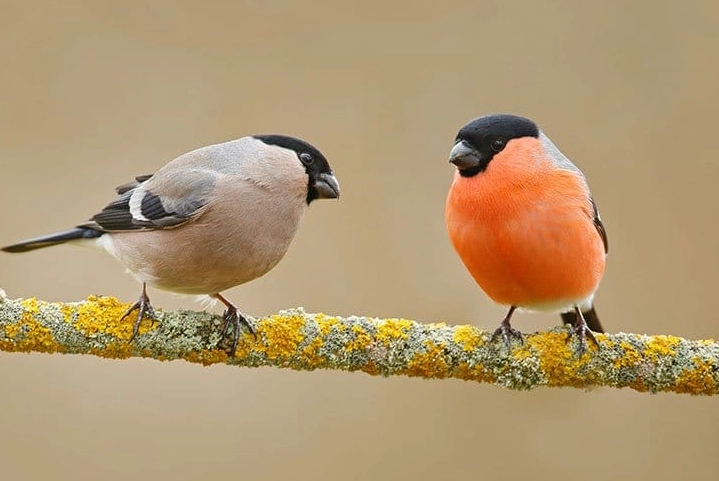
Absolutely! It's less common, but it blows the "males are always showy" rule out of the water. The prime examples are birds where the sex roles are reversed.
- Phalaropes: These shorebirds are famous for it. The female is larger and more brightly colored, and she courts the males. After she lays the eggs, she takes off, leaving the male to incubate and raise the young. His dull plumage helps him hide on the nest.
- Jacanas: Similar story. The female is the dominant, territorial, and more colorful sex. She maintains a harem of males who care for the eggs and chicks.
- Eclectus Parrot: As mentioned, the female is stunning red and purple, while the male is green. Their coloration is tied to their nesting ecology—the female spends long periods in a tree cavity, and her red color may help her be seen by her mate in the dark hollow.
First, don't feel bad. For monomorphic species, even experts can't tell by looking. Your tools are:
- Behavior: Watch for courtship feeding, nest-building, or territorial singing.
- Season: In breeding season, certain behaviors are dead giveaways.
- Vocalizations: Sometimes males and females have different calls, though this is advanced ID.
- Accept the mystery: Sometimes, it's okay not to know. Just enjoy the bird. I find this actually takes the pressure off. Not everything needs a label.
Almost always, baby birds (nestlings and fledglings) look nothing like either parent in their bright adult plumage. They are usually covered in down or have streaky, spotted, or dull juvenile plumage. This is universal camouflage. A baby cardinal looks like a grumpy, fuzzy brown lump with a big mouth—no red in sight. A baby robin is spotted. They molt into their adult feathers, and sexual characteristics, later. So if you see a drab bird that looks kind of like a species but not quite, you might be looking at a juvenile.
Putting It All Into Practice: A Step-by-Step Guide for Your Next Walk
Let's make this actionable. Next time you're out birding and you see a bird, run through this mental checklist to tackle the "do male and female birds look different?" puzzle for that specific sighting.
- Identify the Species First: This is step zero. Use size, shape, behavior, and major field marks. Don't worry about sex until you know what it is.
- Check for the Obvious: Is it a cardinal, pheasant, or wood duck? If yes, the difference is stark. Note the color pattern.
- Look for Subtle Marks: If it's a woodpecker, check for red on the head. If it's a finch, look for rosy or yellow coloring. If it's a robin, check the head and breast contrast.
- Observe Behavior: Is it singing a complex, sustained song? Likely male. Is it carrying a twig or food? Could be either, but context helps. Is it sitting on a nest? That's often (but not always) the female.
- Consider the Season: Is it late summer? That bright male duck might be in drab eclipse plumage. Check a guide.
- If All Else Fails: Consult a trusted resource. The All About Birds guide pages are fantastic because they explicitly show both sexes and often juveniles. Don't guess.
The journey to understanding how male and female birds look is a big part of what makes birding endlessly fascinating. It adds a whole new layer to your observations. You stop just seeing "a robin" and start seeing a potential pair, understanding their dynamics. You appreciate the female cardinal not as a dull version of the male, but as a master of camouflage, essential to the species' success.
So, do male and female birds look different? The answer is a wonderfully complex tapestry of yes, no, and sometimes, woven by millions of years of evolution. The real joy is in learning to read that tapestry, one feather at a time. Grab your binoculars, and see what stories the birds in your neighborhood have to tell. You might be surprised.
Reader Comments