Quick Guide to This Post
- Why Wetlands Are a Birding Goldmine (And What Makes Them Tricky)
- Gear Up: What You Actually Need (And What You Don't)
- The Bird Identification Checklist: What to Look For (In Order)
- Meet the Regulars: A Guide to Common Wetland Birds
- Navigating the Tricky Stuff: Silhouettes, Seasons, and Look-alikes
- Putting It Into Practice: A Mini-Field Trip Plan
- Beyond Identification: The Bigger Picture
Let's be honest. The first time you walk into a marsh or stand at the edge of a pond, it can feel overwhelming. Everything looks green and brown, and then suddenly there's movement. A flash of wings, a weird call, and you're left squinting, trying to figure out if that was a duck, a goose, or something else entirely. I've been there. I spent a good twenty minutes once convinced I'd found a rare species, only to realize it was a common mallard in weird light.
Identifying birds in wetland areas doesn't have to be a frustrating puzzle. It's actually one of the most rewarding places to start birding. The birds are often out in the open, going about their business, and there's a predictable cast of characters you'll meet. This guide is the one I wish I'd had when I started. We're going to ditch the jargon and break it down into simple, actionable steps.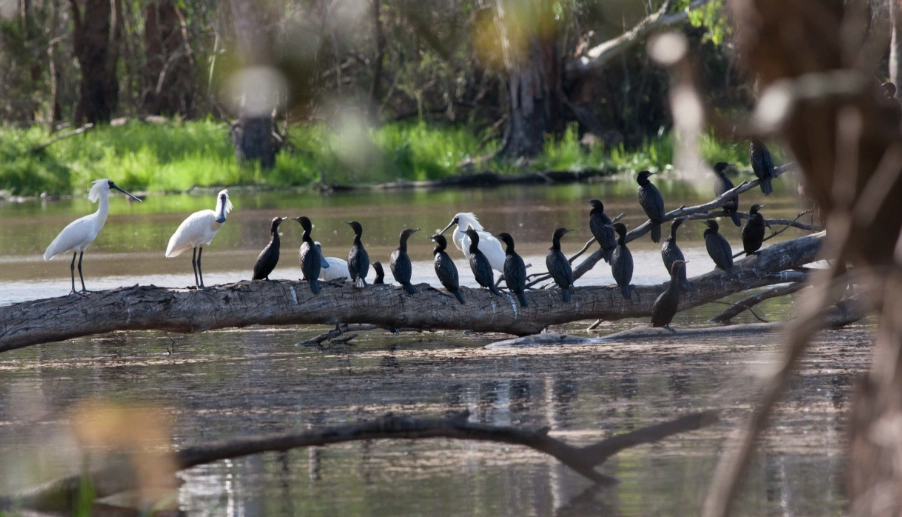
Why Wetlands Are a Birding Goldmine (And What Makes Them Tricky)
You know what's great about wetlands? Water. It's like a giant bird magnet. Birds need it for drinking, bathing, and most importantly, finding food. Wetlands are packed with insects, fish, amphibians, and plants, creating an all-you-can-eat buffet. That's why you get such a high concentration and variety of species in one spot, from tiny songbirds to massive wading birds.
But here's the catch – that same environment that attracts them can make identifying birds in wetland areas a bit of a headache. Reeds and tall grasses block your view. The light reflects off the water, changing colors. Birds might be seen only in silhouette at dawn or dusk. And let's not forget the mosquitoes. I still remember a trip to a coastal marsh where the birding was fantastic, but the bugs were so bad I almost called it quits. Almost.
The key is to shift your strategy. You're not just looking for a bird; you're decoding its habitat, its behavior, and its shape.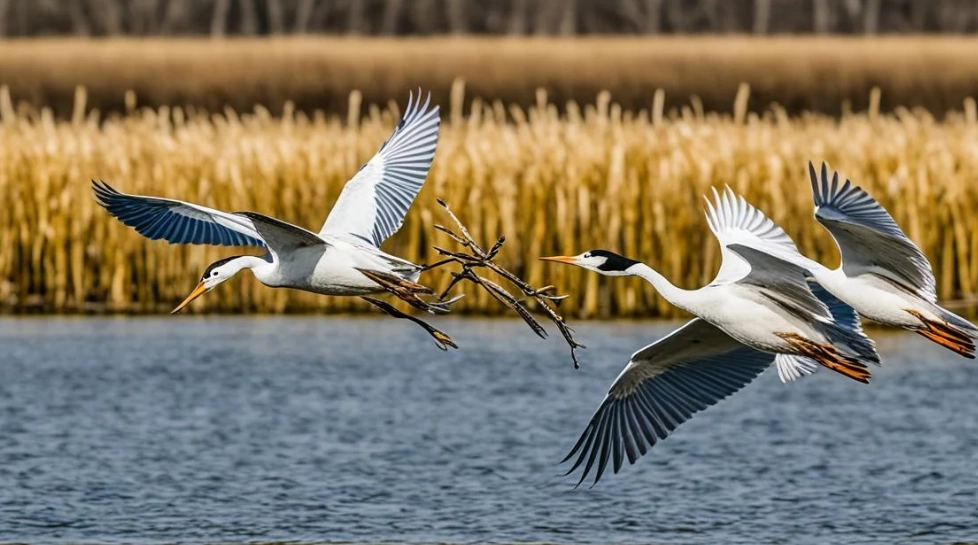
Gear Up: What You Actually Need (And What You Don't)
You don't need to spend a fortune to get started. In fact, buying too much gear upfront is a common mistake. Here’s my realistic breakdown.
The Absolute Essentials
Binoculars: This is your most important tool. Don't get bogged down by specs. Look for something labeled 8x42 or 10x42. The first number is magnification (8x or 10x is perfect for wetlands), the second is the lens size (bigger lets in more light). I started with a mid-range pair from a reputable brand, and they served me for years. A waterproof and fog-proof rating is a lifesaver in damp wetland environments.
A Field Guide or App: A physical book is great for learning, but an app on your phone is incredibly handy in the field. I use both. The Merlin Bird ID app from the Cornell Lab of Ornithology is a game-changer for beginners. You can upload a photo or even record a bird's song, and it suggests IDs. It's like having an expert in your pocket. For a deeper dive, the All About Birds website, also from Cornell, is an endless resource.
The Very Useful Extras
Notebook and Pencil: Jotting down quick notes forces you to observe. “Long curved bill, probing mud, white belly, blue-gray back.” Even a rough sketch of the bird's profile helps cement it in your memory far better than just looking at a photo in a guide later.
Clothing: This isn't about fashion. Wear muted colors (browns, greens) to blend in. Waterproof boots are non-negotiable. Trust me, wet feet ruin a trip faster than anything.
The Bird Identification Checklist: What to Look For (In Order)
When you spot a bird, your brain might go blank. Follow this sequence. It turns chaos into a process.
- Size & Shape: Compare it to a bird you know. Is it robin-sized? Crow-sized? Goose-sized? Look at the overall silhouette. Is the neck long or short? Is the bill long and thin, or short and stout? Are the legs long? This step alone gets you halfway there.
- Color Pattern: *Now* look at the colors. But don't just say "blue." Where is the blue? Is it on the head, the wings, the back? Look for contrasting patches, stripes, or bars. A white ring around the eye? A bright yellow patch under the tail? These are your field marks.
- Behavior: What is it doing? Is it wading slowly in shallow water (like a heron)? Dabbling its head underwater with its tail in the air (like a mallard)? Perched on a reed, constantly flicking its tail (like a Red-winged Blackbird)? Behavior is a huge clue.
- Habitat: Be specific. Is it in deep open water, shallow muddy edges, perched in cattails, or walking on a muddy bank? Different birds specialize.
- Voice: This is an advanced skill but incredibly useful. Start by learning the common, loud ones. The raucous call of a Red-winged Blackbird or the haunting laugh of a Common Loon. Apps like Merlin can help you learn by ear.
See? It's a checklist, not a guessing game. This method is the core of successfully identifying birds in wetland areas.
Meet the Regulars: A Guide to Common Wetland Birds
Here are some of the characters you're almost guaranteed to meet. I've grouped them by how you'll most often see them.
The Waders (Long Legs, Shallow Water)
These are the icons of the wetlands. They stalk the shallows.
| Bird | Key Features | Behavior Tip | Common Confusion |
|---|---|---|---|
| Great Blue Heron | Very large, blue-gray, black stripe over eye, long yellow bill. | Stands motionless for long periods, then strikes fish with lightning speed. | Great Egret (which is all white). |
| Great Egret | All white, large, yellow bill, black legs. | More active stalker than the heron, often seen in groups. | Snowy Egret (which is smaller with a black bill and yellow feet). |
| Snowy Egret | All white, medium-sized, black bill, bright yellow feet (“golden slippers”). | Often runs and shuffles its feet in water to stir up prey. | Immature Little Blue Heron (which is white but has greenish legs). |
The Ducks & Waterfowl
A diverse bunch. Pay close attention to the bill shape and color.
Mallard: The classic duck. Males have a glossy green head, white neck ring, and a yellow bill. Females are mottled brown with an orange-and-black bill. They're dabbling ducks, tipping forward to feed.
Wood Duck: Stunningly colorful. Males look like they were painted, with iridescent patterns. They often perch in trees. Seeing one never gets old.
Canada Goose: You know this one. Black head and neck with white “chinstrap,” brown body. They are loud and often in large groups on lawns near water.
The Perching Birds (In the Reeds & Bushes)
Wetlands aren't just about the water. The edges are buzzing with life.
Red-winged Blackbird: The soundtrack of North American marshes. Males are black with bright red-and-yellow shoulder patches (“epaulets”). They love to perch on cattails and sing their loud “conk-la-ree!” song. Females are streaky brown and look like a large sparrow – this trips up a lot of beginners.
Common Yellowthroat: A small, energetic warbler. Males have a bold black mask across their eyes (like a tiny bandit) with a yellow throat. They stick low in thick vegetation and have a distinctive “wichity-wichity-wichity” song.
Hearing a Red-winged Blackbird is a sure sign you're in a wetland.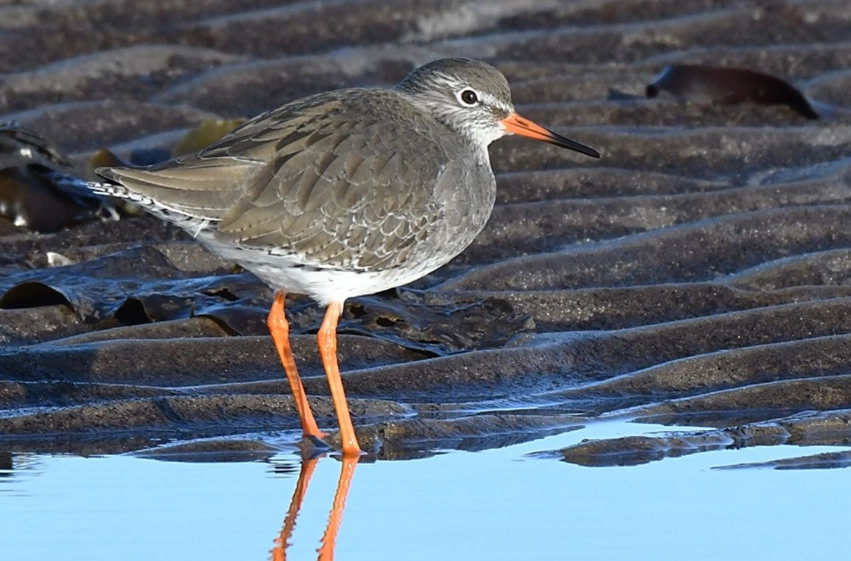
Navigating the Tricky Stuff: Silhouettes, Seasons, and Look-alikes
This is where most guides stop, but it's where the real challenges begin. Let's tackle them head-on.
Identifying Birds in Wetland Areas by Silhouette
At dawn, dusk, or against bright sky, color disappears. This is all about shape.
- Herons/Egrets: Flying with their neck pulled back into a tight “S” shape, legs trailing far behind. Slow, powerful wingbeats.
- Cranes: Flying with their neck fully outstretched. Their legs also trail behind. (Sandhill Cranes are common in some wetlands).
- Ducks: Generally have a compact, bullet-like shape in flight with rapid wingbeats. Their necks are shorter.
Seasonal Changes
Birds change clothes! In fall and winter, many ducks molt into their “eclipse” plumage, which is often a drab brown. The stunning male Wood Duck looks almost like the female. This is a major source of confusion. In spring and summer, they're in their bright breeding plumage. Always consider the time of year.
Top 3 Look-alike Pairs That Cause Trouble
- Greater vs. Lesser Yellowlegs: Both are shorebirds with bright yellow legs. The Greater is larger with a bill that's slightly upturned and about the same length as its head. The Lesser is smaller with a straight, needle-like bill. Size comparison is key here.
- Downy vs. Hairy Woodpecker: You'll find these in swampy woods. They're nearly identical black-and-white patterns. The Downy's bill is short, about half the width of its head. The Hairy's bill is long, almost as long as its head, and looks like a sturdy chisel.
- Immature Little Blue Heron vs. Snowy Egret: As mentioned, young Little Blue Herons are all white. Check the legs: greenish on Little Blue, black on Snowy. The feet: not yellow on Little Blue, bright yellow on Snowy.
When you're stuck on identifying birds in wetland areas, especially look-alikes, take a breath and go back to your checklist. Size first, then bill shape, then leg color.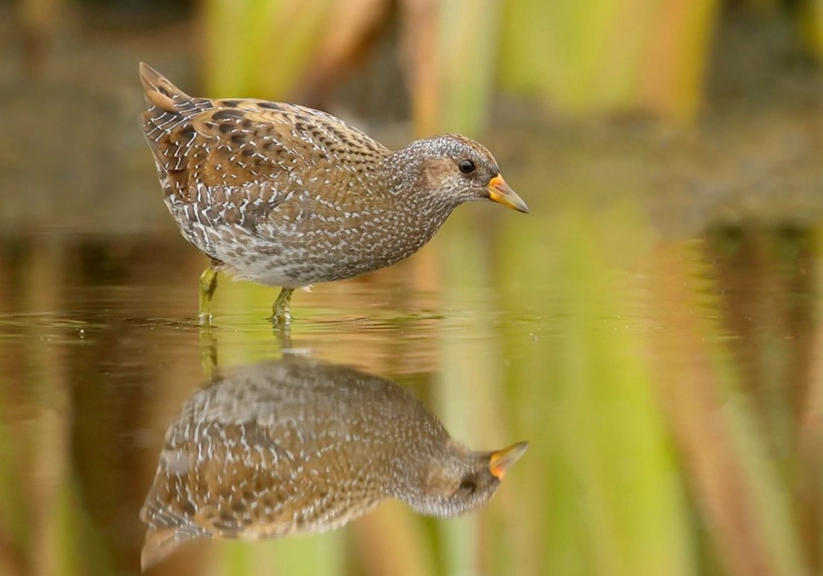
Putting It Into Practice: A Mini-Field Trip Plan
Let's make this real. Here’s what I'd do on a Saturday morning at a local wetland park.
First 15 minutes: Find a comfortable spot at the edge of the main pond or marsh. Don't move. Just lift your binoculars and scan slowly. Look for movement. Listen. Try to spot one of the common birds from our list. Is that a Great Blue Heron? Confirm with the checklist.
Next 30 minutes: Walk slowly along a trail. Pause every few steps. The birds will often move ahead of you. Focus on the reed beds. Can you find a Red-winged Blackbird? Watch what it does. Listen to its call.
The Key Move: When you see a bird you don't know, don't just flip randomly through the guide. Go through your mental checklist. Size/shape, color, behavior, habitat. Jot down three key things. *Then* open your guide or app. You'll be searching with purpose, not hoping for a lucky match.
Your Wetland Birding Questions, Answered
Beyond Identification: The Bigger Picture
After a while, identifying birds in wetland areas becomes more than a hobby. You start to notice things. Are there fewer swallows skimming the water this year? Is that invasive phragmites grass taking over the native cattails? You become connected to the health of the place.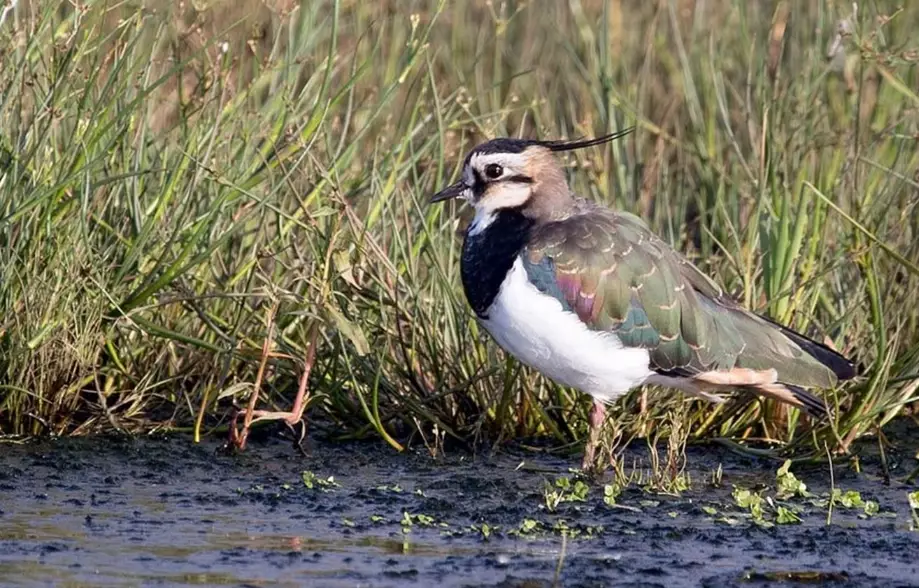
Wetlands are among the most threatened ecosystems globally. The birds you're learning to identify depend on them. By learning their names and habits, you become a witness and potentially an advocate. Consider reporting your sightings to a citizen science project like eBird. Your data helps scientists track bird populations and guide conservation efforts. It makes your hobby part of something much bigger.
So grab those binoculars, pull on your boots, and head out. Start with the common heron, the loud blackbird, the familiar mallard. Don't worry about getting every single one right. The goal isn't a perfect scorecard. It's about the quiet moments of observation, the thrill of the “aha!” when a detail clicks, and the simple joy of being in a wild, watery place full of life. The skills will come with time. The most important thing is to start looking.
Honestly, I still make mistakes all the time. Just last week I misidentified a distant shorebird. But that's okay. It sent me back to my guide, learning something new. The wetland is always teaching, if you're willing to watch and listen.
Reader Comments