You're walking along a city park pond at dusk, and you see it. A stocky, hunchbacked silhouette perched on a low branch over the water. It looks like a grumpy old man in a feather coat. That's your first encounter with a black-crowned night heron (Nycticorax nycticorax). Forget the idea that herons are only elegant, long-necked waders. This bird is the night shift worker of the heron world, and it's probably living closer to you than you think. I've spent over a decade tracking them from urban wetlands to remote marshes, and I'm still surprised by their adaptability.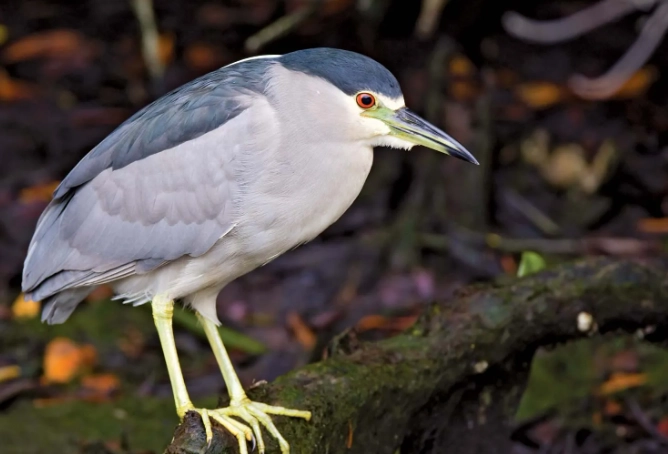
What's Inside This Guide
Spotting & Identification: Don't Mistake It for Another Bird
This is where most beginners trip up. You see a short, thick-necked heron and immediately think it's a juvenile of another species. Let's clear that up. The black-crowned night heron has a signature look.
Adults are unmistakable. A black cap and back that looks like a formal jacket, contrasting with pale gray wings and a white underside. Their eyes are a piercing red, and they have two or three long, white head plumes during breeding season. They stand about 25 inches tall—compact and powerful.
Juveniles are the trick. They're a streaky, mottled brown all over, like they've been dipped in weak coffee. This is the look that causes confusion. The key is the proportion. Even as youngsters, they have that stocky, hunched posture, a relatively thick bill, and short yellow legs. They lack the sleek, elongated form of a young Great Blue Heron.
How to Distinguish Black-Crowned Night Herons from Look-Alikes?
Here’s a quick comparison table I wish I had when I started. It focuses on the most common confusion points.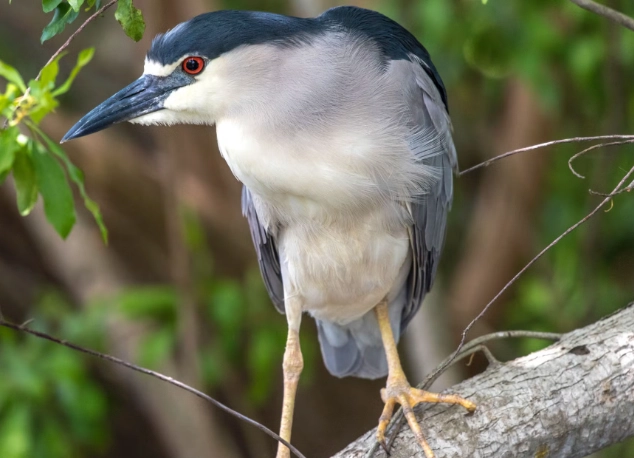
| Bird Species | Key Differences from Black-Crowned Night Heron | Common Overlap (Habitat/Time) |
|---|---|---|
| Green Heron | Smaller, darker, richer color. Has a habit of fully extending its neck. BCNH looks hunched even when alert. | Both love wooded ponds and streams. |
| American Bittern | Heavily streaked camouflage pattern, pointed bill aimed skyward when hiding. BCNH juvenile is bulkier, with a stouter bill. | Reedy marshes. |
| Juvenile Yellow-Crowned Night Heron | This is the big one. Juveniles are very similar. Look for thicker, all-dark bill (BCNH juvenile bill has a pale base on the lower half). Yellow-crowned also has smaller white spots on the wing coverts. | Range overlap in eastern & southern US coasts. |
The most frequent mistake I see? People spot a juvenile BCNH in daylight, assume it's lost or injured because "night herons are nocturnal," and try to "rescue" it. Please don't. They are often crepuscular (active at dawn/dusk) but perfectly capable of daytime activity, especially when feeding young.
Where to Find Black-Crowned Night Herons (Yes, Even in Cities)
This isn't a bird you need to trek into wilderness to see. Their genius is exploiting human landscapes. I've had some of my best observations from a park bench eating lunch.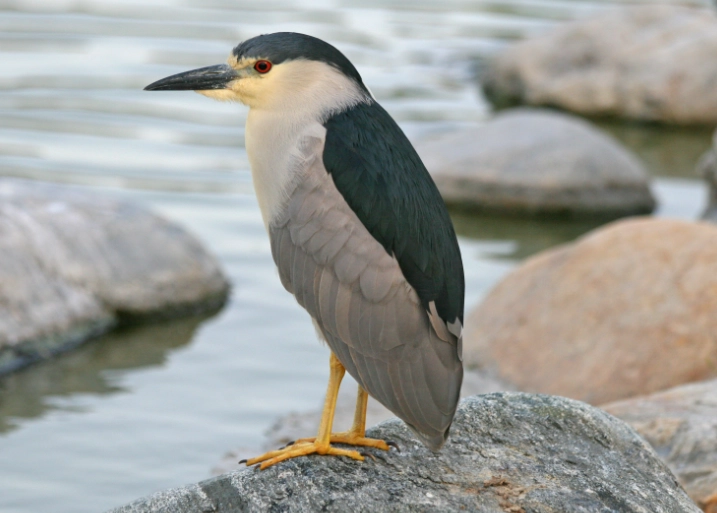
They need two things: shallow water to forage and trees or dense shrubs to roost/nest in. That's it. This makes them quintessential urban adapters.
Prime Urban & Suburban Locations:
- City Park Ponds & Lakes: Especially those with islands or overhanging trees. The herons feel safer from dogs and people.
- Botanical Gardens & Arboretums: Managed water features are like all-you-can-eat buffets for them.
- Wastewater Treatment Ponds: Not glamorous, but these are often birding hotspots with reliable water levels.
- Marinas & Slow-Moving River Edges: Look for them on docks, pilings, or low-hanging branches.
Timing is everything. The golden hour isn't just for photographers. Be in position about 45 minutes before sunset. That's when they start to stir from their daytime roosts. Watch for their flight—steady, deep wingbeats with legs trailing, heading from roosting woods to feeding areas.
One specific, lesser-known tip: check golf course water hazards at dawn. The early morning quiet before golfers arrive is perfect, and the birds are used to the semi-disturbed environment.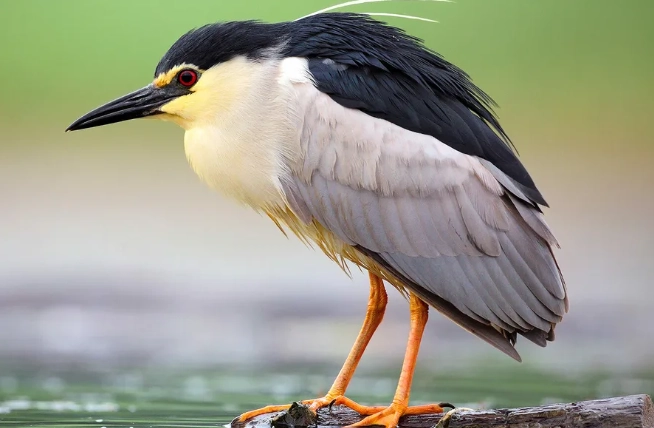
Essential Gear for Nocturnal Bird Watching
You don't need a fortune in equipment, but the right tools transform a frustrating glimpse into a detailed observation. This is where many birding guides stop at "bring binoculars." For night herons, that's not enough.
Binoculars: An 8x42 is the sweet spot. You need a wide field of view to track them in low light and good light-gathering capability. Exit pupil (lens diameter/magnification) matters here—aim for 5mm or higher (e.g., 8x42 gives 5.25mm). Brands like Vortex or Nikon offer great mid-range options. I made the mistake early on of using a high-magnification 10x50 in dense woods; the field of view was too narrow, and I kept losing the bird.
The Non-Negotiable Extra: A Headlamp with a Red Light. This is my top pro-tip that most lists omit. A white light will spook wildlife and ruin your night vision. A red LED headlamp lets you see your gear, read a field guide, and navigate trails without disturbing the birds or blinding yourself. It's a game-changer for safety and enjoyment. Petzl makes reliable ones.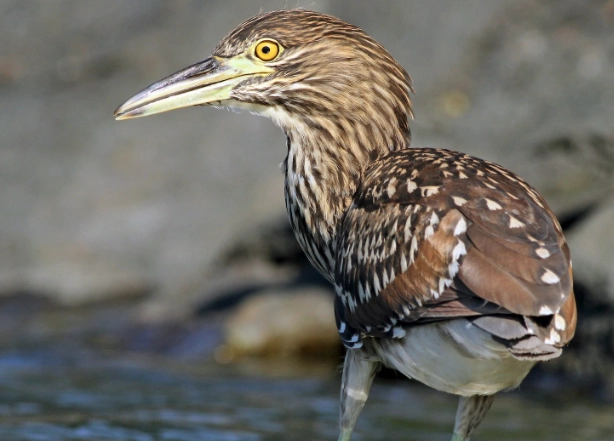
Clothing: Dress in layers. Temperatures drop fast after sunset. Quiet, dark-colored clothing is better than bright, rustling fabrics. Good, waterproof footwear is essential—you'll be near water, often on muddy banks.
Patience (& a Seat): A small, portable stool or pad is worth its weight. The best action happens when you stop moving and blend into the scenery.
Your Role in Urban Conservation
Black-crowned night herons are a conservation success story in some areas, a concern in others. They're listed as a species of "Least Concern" globally by the IUCN, but local colonies are vulnerable. Their choice to live near us creates unique challenges.
The biggest threat isn't habitat loss in the traditional sense—it's disturbance during nesting season. A colony can abandon a site if disturbed repeatedly when eggs are in the nest. This often happens when well-meaning photographers get too close or when land management (like tree trimming) happens at the wrong time.
What you can do:
- Observe from a Distance. Use your binoculars and scope. If a bird is staring at you, flapping its wings, or making alarm calls, you're too close. Back up.
- Report Colonies to Local Audubon Chapters. If you find a nesting colony (noisy groups in trees, lots of white droppings below), reporting it can help conservationists monitor and protect the site. Organizations like the National Audubon Society have local networks.
- Advocate for Natural Shorelines. In your local parks, support plans that leave natural, vegetated edges around ponds instead of concrete walls. These edges provide crucial foraging habitat.
- Keep Cats Indoors. This is a universal bird conservation plea, but it absolutely applies to ground-feeding fledgling night herons.
Data from long-term projects like the Cornell Lab of Ornithology's eBird shows how valuable citizen sightings are for tracking these birds' urban adaptation. Your observations contribute to the big picture.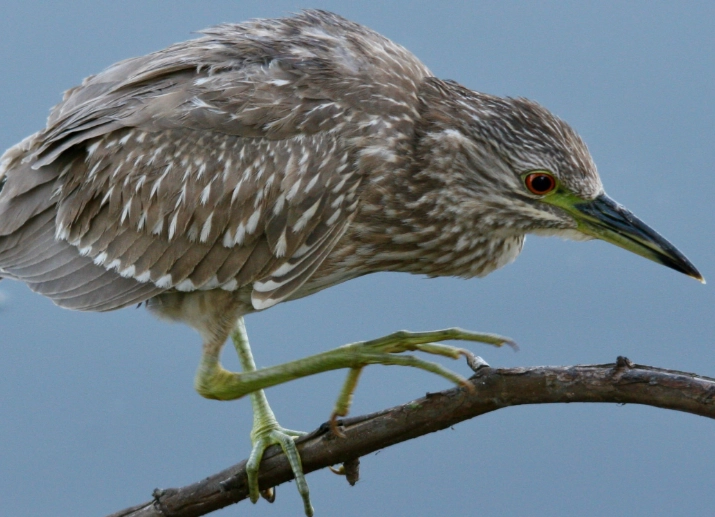
Expert Answers to Your Night Heron Questions
Finding a black-crowned night heron feels like being let in on a secret. They're a piece of wildness that has figured out how to thrive in our midst. With a keen eye, a little patience, and the right approach, you can witness their fascinating world without disturbing it. Grab your binoculars, your red headlamp, and head to your nearest pond as the sun starts to dip. You might just meet the neighborhood's most interesting resident.
Reader Comments