Let's clear something up first. When you think of the Middle East, birds probably aren't the first thing that comes to mind. Maybe it's ancient history, bustling souks, or vast deserts. That's exactly why birding here feels like a secret. You're in for a shock. This crossroads of three continents—Europe, Asia, and Africa—creates a birding spectacle that's chaotic, beautiful, and utterly unique.
I've spent over a decade chasing birds from the wetlands of Israel to the jagged mountains of Oman. The region isn't just a flyway for millions of migrants; it's home to tough, specialized birds found nowhere else. We're talking pink finches in barren mountains, bustards that vanish into the haze, and babblers that rule the acacia trees.
But here's the catch many blogs don't tell you: birding the Middle East isn't like a stroll in a European woodland. It demands a different approach. The light is harsher, the distances are greater, and a wrong turn can leave you in a serious bind. This guide isn't just a species list. It's the manual I wish I'd had, covering where to go, what you'll see, and the gritty details of how to do it right.
What's Inside This Guide
Why Birding Here Feels Like a Discovery
The magic is in the mix. In a single morning at a place like Israel's Hula Valley, you could see a majestic White-tailed Eagle, a tiny Bluethroat from Siberia, and a raucous flock of endemic Arabian Babblers. You're seeing Palearctic, Afrotropical, and Oriental species all in one frame.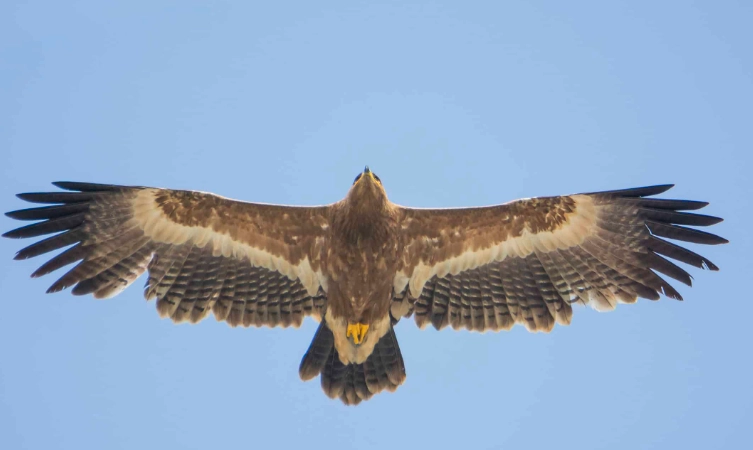
Then there are the true locals, the birds that define the region.
The Sinai Rosefinch. This is the poster child. A stunning pink and grey finch that looks utterly out of place in the stark, rocky wadis it calls home. Finding one feels like uncovering a gem.
Houbara Bustard. A ghost of the desert plains. Seeing one is a triumph of patience. They're masters of camouflage, freezing in the low scrub. You'll likely see them in conservation areas like the UAE's Al Houbara Protected Areas.
Arabian Warbler & Arabian Woodpecker. These are your "tick and shout" birds for Saudi Arabia and Oman. Real range-restricted specialists.
The infrastructure surprises people too. Countries like Israel and the UAE have world-class, well-maintained reserves with hides, boardwalks, and excellent signage. It's not all roughing it.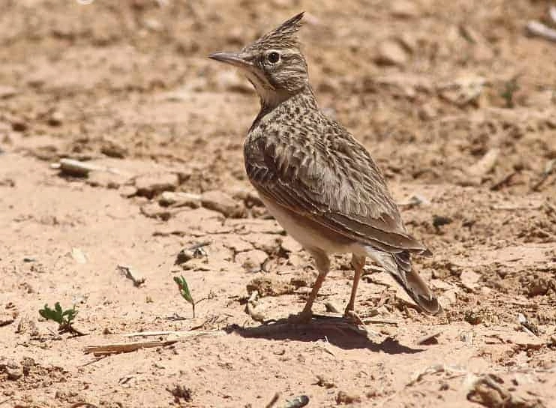
Your Middle East Birding Hit List: Top Spots Compared
Picking where to go is the hardest part. This table breaks down the premier sites. Don't try to do them all in one trip. Focus on one country or two neighboring regions.
| Location & Country | Best Time to Visit | Habitat & Key Species | Logistics Tip |
|---|---|---|---|
| Hula Valley (Agamon HaHula), Israel | Oct-Nov, Mar-Apr | Freshwater wetlands, ponds, agricultural fields. Cranes (40k+!), raptors, Kingfishers, Citrine Wagtail. | Book the silent electric buggy tour in advance. It gets you incredibly close. |
| Eilat Mountains & North Beach, Israel | Mar-May | Desert, saltpans, scrub. Migrant passerines, Tristram's Starling, Sand Partridge, Sinai Rosefinch. | Dawn at the "Eilat Birdwatching Park" (just north of the saltpans) is non-negotiable. |
| Al Wathba Wetland Reserve, UAE | Nov-Mar | Man-made wetlands, sabkha (salt flats). Greater Flamingo, Crab-plover (in summer), various herons, ducks. | Free entry but closed Mon/Tue. Mornings are quiet and productive. Check their Instagram for recent sightings. |
| Jebel Hafeet & Al Ain Oasis, UAE | Oct-Apr | Mountain wadis, palm plantations. Hume's Wheatear, Striolated Bunting, Pallid Scops-Owl, Indian Silverbill. | |
| Jebel Akhdar (Green Mountain), Oman | Feb-Apr, Sep-Nov | High-altitude juniper forest, rocky terraces. Yemen Serin, Arabian Partridge, Philby's Partridge, Arabian Wheatear. | You'll need a 4x4. The road is steep and winding. Permits for the mountain are sometimes required. |
| Barr Al Hikman, Oman | Nov-Feb | Coastal mudflats, lagoons. One of the most important shorebird sites on the planet. Dunlin, Bar-tailed Godwit, Broad-billed Sandpiper in staggering numbers. | Access requires serious planning, often with a local guide or tour. It's remote and tidal. |
A Closer Look: Israel's Hula Valley in Spring
Let's zoom in on one spot to show you what a day actually looks like. The Hula Valley in April isn't just birding; it's a sensory overload.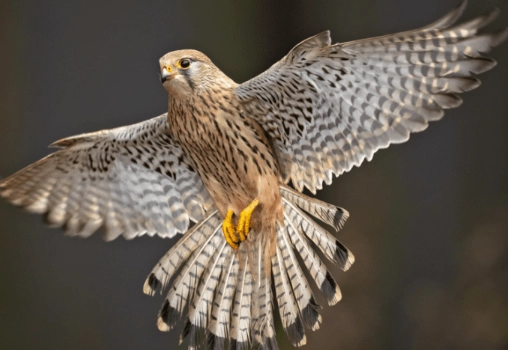
You arrive before sunrise, the air cool. The sound hits you first—a cacophony of frog calls and a distant, rattling crane chorus. As the light grows, the mist reveals thousands of shapes on the lake. Not just the ubiquitous Cranes, but careful scanning picks out Glossy Ibis, Purple Heron, and flocks of Pygmy Cormorants.
By 8 AM, the raptors start to move. A Marsh Harrier quarters over the reeds. Then someone spots a darker, bulkier shape—an Imperial Eagle. The real prize for many is the White-tailed Eagle, a regular winter visitor that sometimes lingers.
The mistake most first-timers make? They never leave the main lake viewing points. The secret is to walk the perimeter trails into the older, drier orchards and scrub. That's where you'll find the passerines: Bluethroats flicking in the ditches, Menetries's Warbler singing from thorn bushes, and if you're very lucky, a semi-collared Flycatcher fresh from its African winter.
Logistically, it's easy. The reserve opens at 8 AM. Entrance fee is about 35 NIS. There's a great visitor center. But book the "Hula Safari" electric buggy (on their website) for a 2-hour guided tour through restricted areas. It's worth every shekel.
The Desert Challenge: UAE & Oman's Specialists
Birding in the Arabian desert is a game of quality over quantity. You might go an hour seeing only a Crested Lark. Then, bam, a Pharaoh Eagle-Owl is glaring at you from a cliff ledge.
Finding the Houbara Bustard
In the UAE, organizations like the Emirates Center for Species Conservation run major Houbara breeding and release programs. Your best bet to see a wild one is in designated protected areas like the Al Houbara Protected Area in the Al Dhafra region. Go with a guide who knows the specific tracks. You'll drive slowly across the gravel plains, scanning endlessly. Look for a pale, upright shape that seems too large for a stone. They often freeze. Dawn and dusk are key.
Mountain Jewels in Oman
Driving up the switchbacks of Jebel Akhdar, the temperature drops. The habitat shifts to something resembling the Mediterranean. Up here, you're after the Yemen Serin—a small, streaky finch with a bright yellow rump that flashes as it flies. They love the terraced farms and juniper stands. Park and walk quietly. Their call is a high, twittering trill.
Another local trick: stop at any small farm or water catchment (a "ghayl"). In the desert, water is life, and every drip attracts birds. I've seen everything from Purple Sunbird to Grey Hypocolius at these little oases.
Gear, Timing & The Art of Not Melting
Your usual kit needs desert-proofing.
The Non-Negotiable Gear List: A scope is more important here than in a forest. Distances are vast. A 65mm or 80mm scope is ideal. Use a shade or a piece of cloth over the eyepiece to prevent internal glare. A wide-brimmed hat, neck gaiter, and high-SPF sunscreen are clothing, not accessories. I use a hydration bladder in my backpack—drinking from a bottle while holding binoculars is a pain. Download offline maps (Google Maps or Maps.me) for the entire region you're visiting. Cell signal is a luxury.
Timing is everything. Your birding day starts at first light. Be at your site before sunrise. Bird intensely until 10:30 or 11 AM. Then, retreat. Have lunch, rest, process photos. Go out again around 4 PM until dusk. This rhythm saves your energy and matches the birds' activity patterns.
The light between 11 AM and 3 PM is terrible for viewing anyway—the heat haze makes everything shimmer.
Solving Common Identification Headaches
You'll face some tricky pairs. Here's how to crack two big ones.
1. Is that a Steppe Eagle or a Eastern Imperial Eagle? Both are huge and brown. The Imperial is more barrel-chested, with a massive bill that gives it a fierce expression. Its wings are broader, more rectangular. The Steppe Eagle (especially subadults) often shows a pale patch on the back, a narrower wing, and a more slender build. In flight, the Imperial's fingers are more pronounced. Don't just rely on color.
2. Small grey birds in the scrub: Scrub Warbler or Desert Lark? Behavior first. A Scrub Warbler (now called the Asian Desert Warbler) is hyperactive, flicking its tail constantly, often low in a bush. A Desert Lark is a ground-dweller, walking/running with a more horizontal posture. The lark has a stouter, conical bill for eating seeds. The warbler's bill is thinner, for insects.
Use the eBird region pages for the Middle East before you go. Look at the recent checklists for your target sites. It shows you exactly what's being seen and helps set your expectations.
Straight Answers to Your Tricky Questions
The Middle East rewires your idea of what birding can be. It's challenging, the landscapes are dramatic, and the rewards are birds you simply won't find anywhere else. Do your homework on permits and seasons, pack your sense of adventure alongside your scope, and get ready for some of the most memorable sightings of your life. Start planning for next spring's migration. You won't regret it.
Reader Comments