Quick Navigation
- What Is a Chukar? Identification and Basic Biology
- Chukar Habitat: Where to Find These Rugged Birds
- Chukar Behavior and Life Cycle
- Raising Chukar: A Guide for Game Bird Enthusiasts
- Chukar Hunting: The Ultimate Upland Challenge
- Common Questions About Chukars (FAQs)
- Conservation Status and Ecological Role
You've probably heard the name. Maybe you're a hunter who's chased their distinctive call across rocky hillsides. Or perhaps you're a bird enthusiast who saw a flash of barred flanks and a red beak and wondered, what exactly is a chukar? Let's get one thing straight from the start: the chukar partridge (Alectoris chukar) is a bird that seems to thrive on contradiction. It's elegant yet rugged, a native of far-off lands that's now a fixture in the American West, prized by hunters and breeders alike, yet often overlooked by the casual observer.
I remember the first time I saw one clearly, not just a blur fleeing through the sagebrush. It was perched on a rock, and the bold black band running across its face like a bandit's mask, cutting through the stark white cheeks, was just striking. It looked out of place, yet perfectly at home. That's the chukar for you.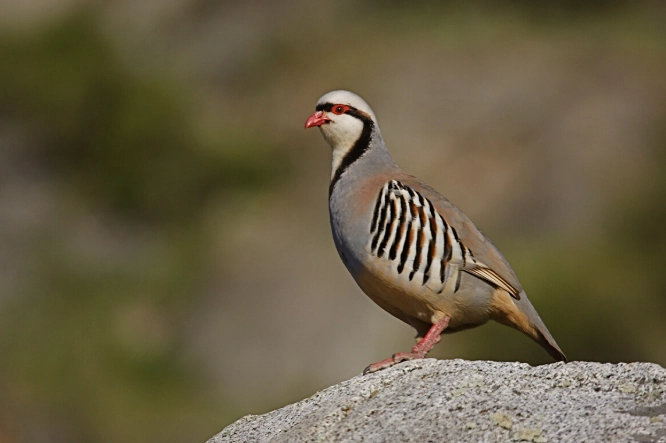
What Is a Chukar? Identification and Basic Biology
So, what are we talking about? The chukar is a medium-sized game bird, a member of the pheasant family (Phasianidae). It's often called the chukar partridge, though true taxonomists might get a bit picky about that. For most of us, chukar partridge is just fine. They're plump, round birds built for life on the ground, with legs that are stronger than they look and a preference for running over flying.
Quick Identity Check: Look for a light brownish-grey body, bold black horizontal stripes (bars) on the flanks, a striking white throat bordered by that iconic black band running from the forehead, through the eye, and down to form a necklace. The bill and legs are a bright coral red. If you hear a loud, repetitive "chuck-chuck-chukar-chukar" echoing off canyon walls, you're definitely in their neighborhood.
They're not native to North America. Their original range stretches from southeastern Europe through the Middle East and across Central Asia to China. But here's where human intervention comes in. Starting in the late 1800s, chukars were introduced to North America as a game species. The idea was simple: take a hardy bird adapted to dry, rugged terrain and release it in similar habitats out West. It worked, maybe too well in some areas. Today, stable wild populations are established across the intermountain West of the United States, from Washington and Idaho down through Nevada, Utah, Colorado, and into parts of California. The Cornell Lab of Ornithology has excellent range maps that show just how successful this introduction has been.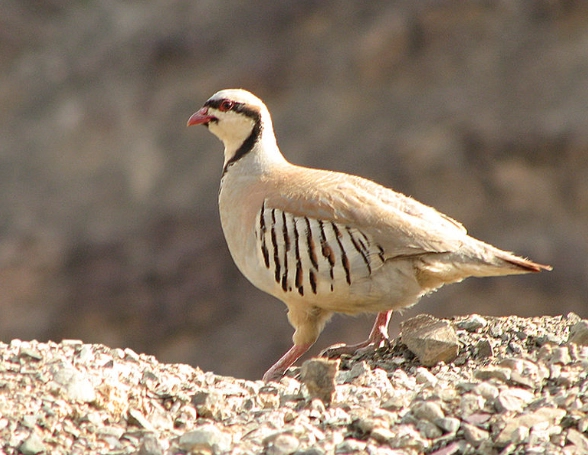
Subspecies and Variations
Not all chukars are identical. Across their vast native range, several subspecies have developed slight variations in color and size. For hunters and breeders in North America, the most commonly referenced and introduced subspecies is the *Alectoris chukar chukar*, sometimes called the Indian chukar. It's considered the standard. Other subspecies, like the *A. c. kleini* from Greece, might have slightly different plumage tones. For the average person, the differences are subtle, but for a dedicated game bird manager or a breeder aiming for specific traits, it matters.
| Common Subspecies | Primary Native Region | Notable Characteristics |
|---|---|---|
| Alectoris chukar chukar | Eastern Afghanistan to Nepal | The "standard" type most common in introductions; classic coloration. |
| Alectoris chukar kleini | Southern Greece, Aegean Islands | Often paler, more greyish overall plumage. |
| Alectoris chukar sinaica | Sinai Peninsula, Israel, Jordan | May show more buff or sandy coloration. |
| Alectoris chukar koroviakovi | Pakistan, Baluchistan | Similar to *chukar*, sometimes considered part of that group. |
See? It gets detailed fast. But for most purposes, knowing you're looking at a chukar is enough.
Chukar Habitat: Where to Find These Rugged Birds
If you want to find a wild chukar, forget lush forests or open prairies. Think dry. Think steep. Think rocky. These birds are masters of arid, broken landscapes. Their ideal home looks something like this:
- Steep, rocky hillsides and canyons: They use the terrain for escape, running uphill and using rocks for cover. It's a nightmare for hunters and a survival masterstroke for the bird.
- Sagebrush-steppe and cheatgrass foothills: This provides crucial cover and, importantly, food sources like seeds and insects.
- Areas with a permanent water source nearby: This is the non-negotiable part. No matter how dry the area, chukars need to drink daily, especially in summer. You'll often find them along creek beds, seeps, or stock tanks.
The connection between chukars and the invasive cheatgrass in the American West is a fascinating and somewhat troubling ecological story. Cheatgrass provides excellent early-season cover and seeds for food, but it also creates a monoculture and increases fire risk, which can ultimately destroy the diverse habitat chukars need. It's a complicated relationship.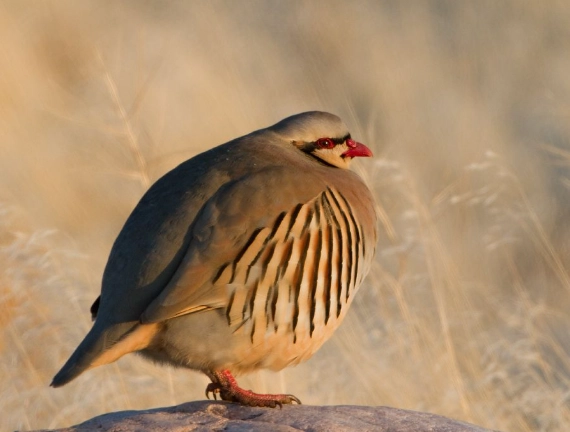
A seasoned hunter once told me, "Find the water in August, and you'll find the chukar." It's the simplest and most reliable piece of habitat advice I've ever heard for locating these birds outside of the breeding season.
Chukar Behavior and Life Cycle
Understanding how chukars live day-to-day explains why they're so tough and so appealing to hunters.
Diet: They're primarily vegetarian but not strictly so. Their diet shifts with the seasons. In spring and summer, they'll eat a lot of green leaves, seeds, and insects, which are crucial for growing chicks. Come fall and winter, it's almost all seeds from grasses, forbs, and shrubs. They'll scratch the ground like chickens to find their meals.
Social Structure: Chukars are highly social outside of the breeding season. They form large groups called coveys, sometimes numbering 30-40 birds or more. There's safety in numbers, and a covey is a bustling, noisy community. At the first sign of danger, a sentinel bird will give an alarm call, and the whole covey might either freeze or explode into flight. Come spring, the coveys break up as pairs form for breeding.
The Famous Chukar Call: You can't talk about this bird without mentioning its voice. It's loud, carrying for miles in canyon country. The classic "chuk-chuk-chukar" call, which gives the bird its name, is a territorial and contact call, often given from a prominent rock at dawn or dusk. During the breeding season, the calls become more frequent and intense. It's not a beautiful songbird melody; it's a assertive, rhythmic declaration of presence. Some people find it charmingly rustic. Others, living near a pen of captive birds, might find it... repetitive.
Reproduction: Nests are simple scrapes on the ground, hidden under a bush or rock overhang. A hen will lay a clutch of 10-15, sometimes even 20, eggs. That's a lot. Incubation lasts about 23-24 days. The chicks are precocial – they're up and running within hours of hatching, following the hen to feed. This is a vulnerable time. Predation rates on chicks can be high, from birds of prey to foxes and snakes. A good hatch followed by a wet spring with lots of insect food can lead to a population boom. A dry, harsh spring can mean very few young survive.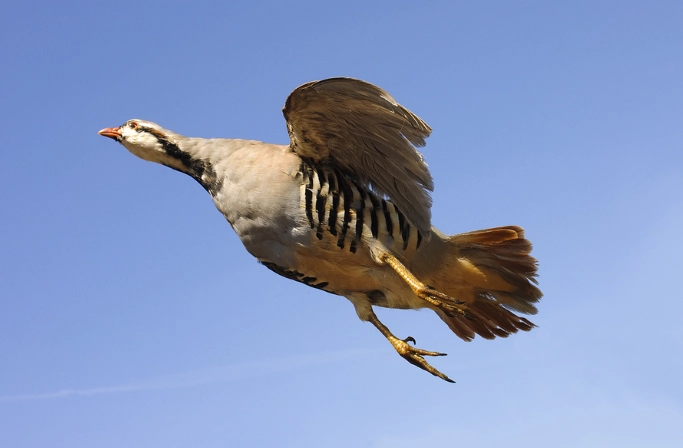
Raising Chukar: A Guide for Game Bird Enthusiasts
This is a huge reason people search for info on chukars. They're one of the most popular game birds to raise for meat, eggs, training hunting dogs, or for release on hunting preserves. I've helped friends with their setups, and I can tell you, it's rewarding but not without its headaches.
Why Raise Chukars?
- Hardy Birds: They are generally more resistant to common poultry diseases than chickens or pheasants, especially if they have plenty of space.
- Efficient Feed Converters: For their size, they grow quickly on game bird feed.
- Excellent for Dog Training: Their strong flight instinct and durability make them ideal for training pointing and retrieving dogs. A released chukar will fly hard and far, giving a dog a real challenge.
- Meat and Eggs: The meat is dark, lean, and flavorful – a true gourmet game bird. The eggs are smaller than chicken eggs but can be eaten and are often used for hatching.
The Practical Side: Housing, Feed, and Challenges
Let's be real. It's not all easy. Chukars are wild at heart, and that instinct never fully goes away, even in captivity.
Housing: They need secure pens. I'm talking heavy-duty 1-inch or smaller mesh fencing, buried at least a foot into the ground to prevent digging out, and a fully covered top. They can fly straight up when spooked (a behavior called "flushing") and will escape from an open-topped pen. The pen should be on well-drained ground, with plenty of shelter from wind and sun. Providing rocks, pallets, or branches for them to hide under and perch on reduces stress.
Feed: A commercial game bird starter crumble (28-30% protein) is essential for chicks for the first 6-8 weeks. After that, you can switch to a game bird grower/finisher (20-24% protein). Clean, fresh water must be available at all times. They're messy drinkers, so use systems that minimize spillage to keep bedding dry.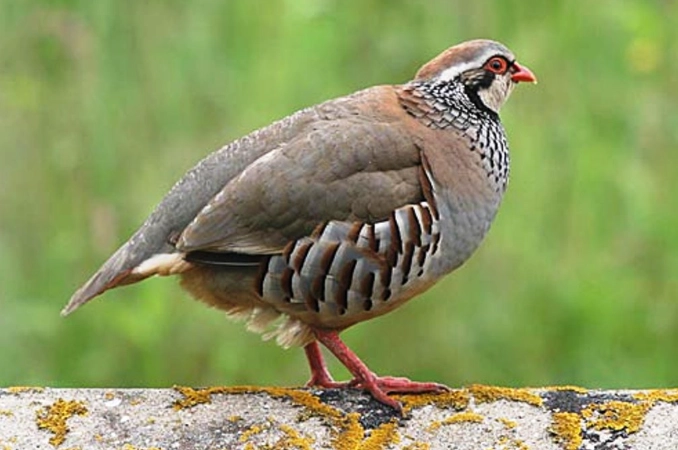
The Big Challenge: Cannibalism. This is the ugly secret of raising game birds in confinement. If chukars get overcrowded, bored, or have too much light, they can start pecking at each other, often targeting toes, vents, or heads. It can spread quickly and be fatal. Prevention is key: low stocking density, plenty of enrichment (like hay bales to peck at), and using "peepers" (blinders) or beak trimming in severe cases under guidance.
Breeding: If you want to hatch your own, you'll need a separate breeding pen with a ratio of about one male to 4-5 females to prevent the hens from being harassed too much. They will lay eggs in provided nest boxes (simple wooden boxes with shavings). You can collect eggs daily and incubate them artificially. The incubation period, as mentioned, is 23-24 days at 99.5°F with around 60% humidity for the first 21 days, then increased to 70% for hatching.
It's a commitment. The startup cost for good pens isn't trivial, and they require daily care. But the sight of a covey of healthy, brightly colored chukars in your pen, or the satisfaction of serving home-raised game bird at your table, is pretty special.
Chukar Hunting: The Ultimate Upland Challenge
For many, this is the heart of the matter. Hunting chukar partridge has a cult following in the American West. It's often described as masochistic, rewarding, and incredibly difficult – sometimes all in the same day.
Why is it so hard? The habitat. You are climbing steep, loose, rocky slopes at high altitude. The birds hold tight until you're almost on top of them, then they flush downhill, rocketing away at speeds over 40 mph. Your heart is pounding from the climb, and then you have to make a quick, ethical shot at a fast-disappearing target. It's physically brutal. I've come off chukar hunts more exhausted than after any marathon hike, often with empty game bags to show for it. The success rate is low, which makes every bird in the bag a tremendous trophy.
Essential Gear and Tactics for Chukar Hunters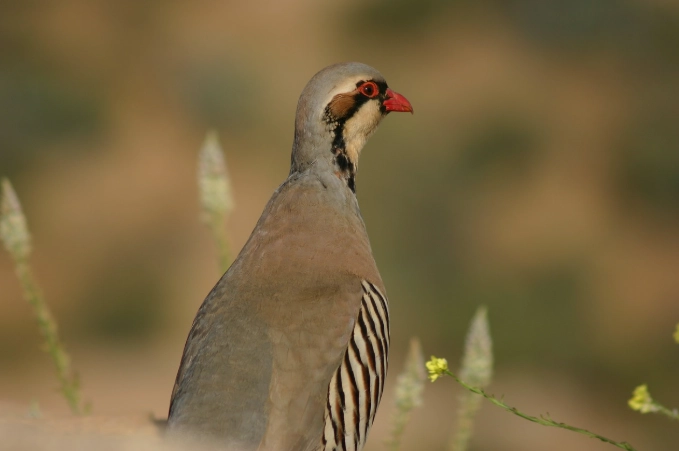
If you're still determined (and you should be, it's addictive), here's what you need to know.
- Physical Fitness: This is non-negotiable. Start training weeks in advance. Hike hills with a weighted pack. Your legs and lungs will thank you.
- Boots: The most important piece of gear after your gun. You need serious, ankle-supporting, grippy boots designed for rocky terrain. I destroyed a cheap pair in one season.
- Shotgun and Loads: A light, quick-handling shotgun is best. Over/unders, side-by-sides, or autoloaders in 12 or 20 gauge are common. Use shells with #6 or #7.5 shot. The patterns open fast on long, crossing shots.
- Clothing: Layers. It can be freezing at dawn and hot by mid-day. Tough, brush-resistant pants are a must for the sage and rocks.
- Tactic: Hunt the Contours. Don't just walk ridge tops. Work side-hills, contouring across slopes. Chukars often feed on the side of a hill, below the ridge, where the seeds collect. Use the wind to your advantage if possible. Work towards water sources in the afternoon.
- A Good Dog: A well-trained pointing dog (English Pointer, Brittany, German Shorthaired Pointer) or a flushing dog (Springer Spaniel) is a game-changer. They can find birds you'd never see, hold them for a better shot, and retrieve downed birds from impossible-looking ravines. A dog also makes the hunt about the partnership, not just the shooting.
Always, always check your state's specific hunting regulations. Seasons, bag limits, and license requirements vary. The U.S. Fish and Wildlife Service provides overarching frameworks, but your state's wildlife agency website (like Nevada Department of Wildlife or Idaho Fish and Game) is your bible for current, local rules.
Respect the land, respect the bird, and be prepared for the hardest hunt you'll ever love.
Common Questions About Chukars (FAQs)
Let's tackle some of the specific things people type into Google.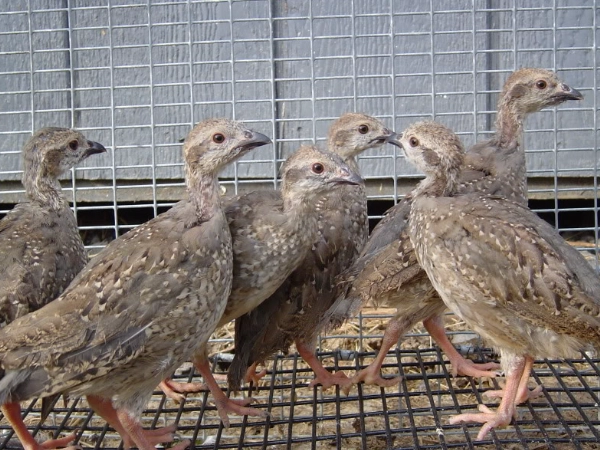
Are chukars good to eat?
Absolutely. The meat is all dark, lean, and has a rich, slightly gamey flavor that's milder than a wild pheasant or grouse. It's not fishy or strong. The key is not to overcook it. Breast it out quickly after the hunt, and cook it to medium-rare, like a good steak. It's fantastic grilled, pan-seared, or in a stew. A wild chukar that's been eating sagebrush might have a slightly stronger flavor than a pen-raised one, but it's still delicious.
Can chukars be kept with chickens?
I don't recommend it. While possible in very large, aviary-style settings, it's usually problematic. Chickens can carry diseases (like Mycoplasma) that don't bother them much but can be devastating to chukars. Their social structures are different, and chickens can be bullies. Also, chukars are much more flighty and require more secure housing. It's simpler and safer to keep them separate.
How long do chukars live?
In the wild, life is tough. Most won't see their second year due to predation, harsh weather, or hunting. The average lifespan is likely less than 1.5 years. In captivity, with protection from predators and disease control, they can live 5-8 years, sometimes longer.
What's the difference between a chukar, a Hungarian partridge (Hun), and a quail?
Good question, they're often confused. Chukars are larger than quail and most Huns. They have the bold black face band and barred flanks. The Gray Partridge (Hungarian) is smaller, has a solid gray face and throat with a rusty-colored face patch, and a dark horseshoe-shaped mark on its belly. Quail (like California or Gambel's) are smaller still, with distinctive head plumes (topknots) and more intricate scaling patterns on their bellies.
Why are they called "chukar"?
It's an onomatopoeia. The name comes directly from their loud, distinctive call: "chuk-chuk-chukar." It's a Hindi-derived name that perfectly captures the sound.
Conservation Status and Ecological Role
Globally, the chukar is listed as Least Concern by the IUCN. It has a huge native range and generally stable populations. In North America, as an introduced species, its impact is mixed. It fills a niche in arid ecosystems that wasn't occupied by a similar native game bird. It provides a food source for native predators like eagles, hawks, foxes, and coyotes.
However, there are concerns. In some areas, high densities of chukars might compete with native ground-dwelling birds, like the threatened Greater Sage-Grouse, for food and habitat resources, though direct evidence of significant harm is limited. The main conservation focus for wildlife managers is habitat preservation. Healthy, diverse sagebrush-steppe ecosystems benefit chukars, sage-grouse, and hundreds of other species. Programs that control invasive weeds like cheatgrass and prevent large-scale wildfires are crucial. Organizations like the Sage Grouse Initiative work on this exact kind of landscape-level conservation, which indirectly helps chukar habitat too.
For hunters, this is where the "user-pays" model of conservation shines. Through the purchase of hunting licenses, stamps, and excise taxes on firearms and ammunition (via the Pittman-Robertson Act), hunters fund the state wildlife agencies that manage chukar populations, conduct research, and protect the vast public lands where these birds live. It's a direct and successful link between use and conservation.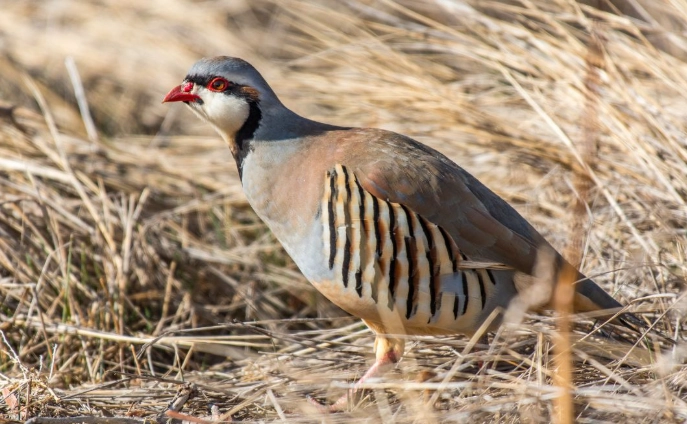
The story of the chukar in America is a story of adaptation—both the bird's adaptation to a new continent and our adaptation to managing it as part of the western landscape. It's a complicated, ongoing relationship.
So there you have it. From its striking looks and echoing call to the brutal beauty of hunting it and the meticulous care of raising it, the chukar partridge is a bird that commands respect. It's not a backyard chicken or a common songbird. It's a symbol of rugged, arid places, a challenging game species, and a testament to how certain introduced species can weave themselves into the ecological and cultural fabric of a new home. Whether you're a hunter, a birder, a breeder, or just someone who stumbled upon the name, I hope this guide gives you a real feel for what makes the chukar such a fascinating creature.
Now, if you'll excuse me, all this talk has me wanting to go listen for that familiar "chuk-chuk-chukar" on a windy hillside. Just thinking about the climb is making my legs ache.
Reader Comments