If you've ever wandered through a mixed forest in North America and seen a tree trunk dotted with perfectly horizontal rows of small, square holes, you've found the calling card of the yellow bellied sapsucker. Forget everything you think you know about woodpeckers just hammering away for bugs. This bird runs a sophisticated, dripping-tap business. I've spent over a decade tracking them from the boreal forests of Canada down to the cypress swamps of Florida, and I can tell you—most bird guides get them wrong. They're not just another woodpecker; they're keystone farmers with a taste for sugar, and learning to spot their work is like unlocking a secret layer of the forest.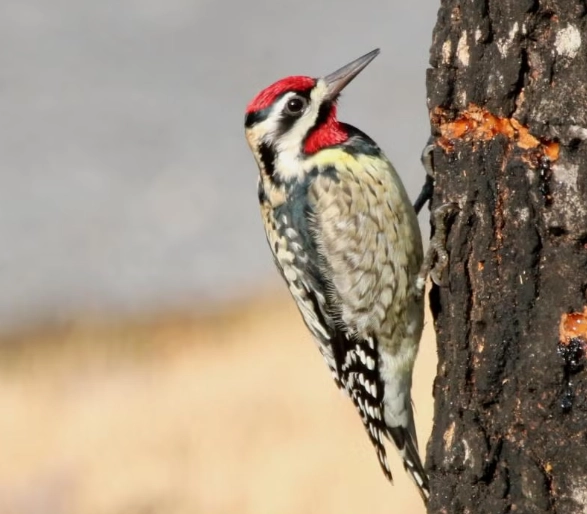
What You'll Find in This Guide
- What Does a Yellow Bellied Sapsucker Look Like? A Detailed Identification Guide
- Beyond the Sap Wells: Understanding Sapsucker Behavior and Habitat
- How to Attract Yellow Bellied Sapsuckers to Your Backyard (If You Dare)
- The Sapsucker's Role in the Ecosystem: More Than Just a Nuisance
- Essential Gear for Observing Yellow Bellied Sapsuckers
- Your Yellow Bellied Sapsucker Questions, Answered by a Field Observer
What Does a Yellow Bellied Sapsucker Look Like? A Detailed Identification Guide
Let's cut to the chase. You see a black and white woodpecker. Is it a downy? A hairy? The yellow bellied sapsucker has a few dead giveaways that, once you know them, make identification a snap. The most common mistake is looking for a bright yellow belly. It's more of a pale, yellowish wash—sometimes barely visible. Don't rely on that alone.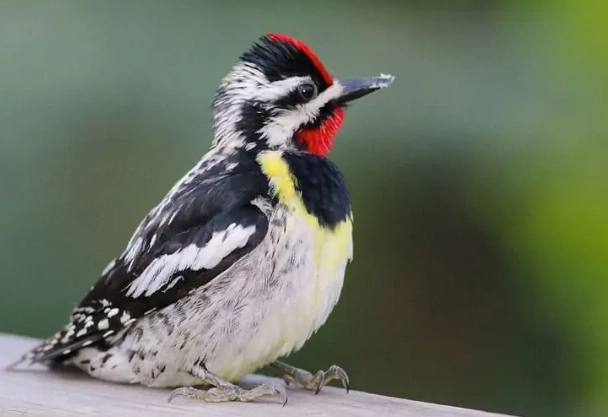
The real signature is on the head and wings. Look for these three features in order:
- A Bold Facial Pattern: Both males and females have a striking black and white face. A thick black line runs through the eye, framed by two white stripes—one above and one below. It looks like a bold, painted mask.
- The Red Forehead (and Throat): Here's where the sexes differ. Males have a brilliant red crown and a red throat. Females have only the red crown; their throat is white. Juveniles are a mottled, dull brown and lack the clear head pattern until their first molt.
- The White Wing Patch: In flight or when perched, look for a long, vertical white stripe running down the folded black wing. This is the single most reliable field mark from a distance. No other common eastern woodpecker has it.
I remember confusing one with a hairy woodpecker for a solid five minutes once, until it turned and that white wing stripe flashed like a beacon. The Cornell Lab of Ornithology's All About Birds page has excellent comparison photos that drill this point home.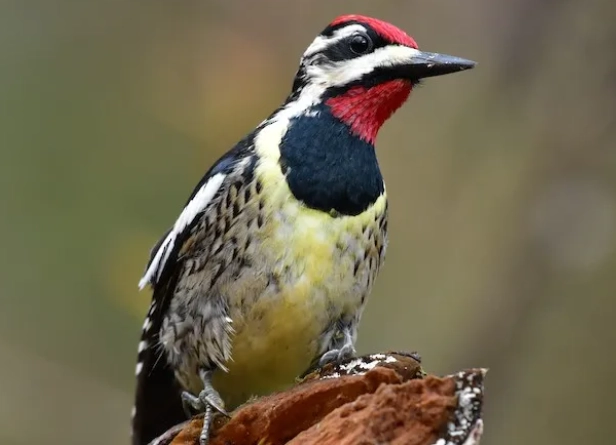
Quick ID Checklist: Yellow Bellied Sapsucker vs. Look-Alikes
Vs. Downy/Hairy Woodpecker: Downies and Hairies have clean white backs, not the black-and-white barred back of the sapsucker. They also lack the facial mask and the bold white wing stripe.
Vs. Red-Bellied Woodpecker: Red-bellieds are larger, have a zebra-striped back, and their red cap extends down the nape. No white wing stripe.
Listen Up: Their call isn't a typical woodpecker rattle. It's a nasal, cat-like "mew" or a series of squealing notes. The drumming is unique too—a slow, irregular tat-tat...tat-tat-tat, like Morse code, not a rapid roll.
Beyond the Sap Wells: Understanding Sapsucker Behavior and Habitat
Okay, you've identified the bird. Now, what's it doing? Those neat rows of holes are called "sap wells." The sapsucker uses its brush-tipped tongue to lap up the leaking sap and the insects stuck in it. But here's the expert insight most miss: they're not just eating. They're farming.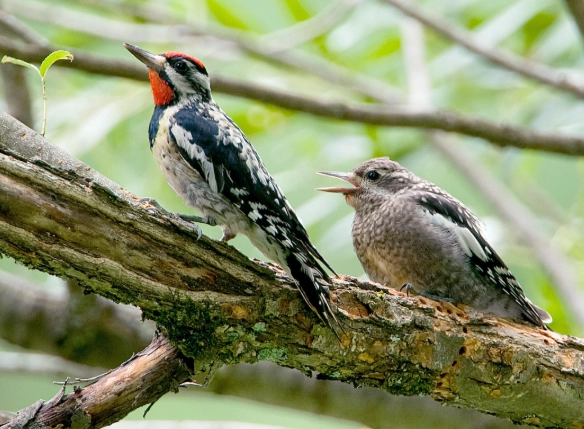
A sapsucker will return to the same tree—often a birch, maple, or hemlock—day after day to tend its wells, scraping them clean to keep the sap flowing. I've watched individual birds maintain the same "orchard" of a few trees for an entire season. They prefer younger, thin-barked trees because they're easier to drill into.
Where and When to Find Them
Their range is split. They breed in the mixed forests across Canada and the northeastern/north-central U.S. They winter in the southeastern U.S., Mexico, and Central America. During migration (April-May and September-October), you can spot them almost anywhere in between.
For a guaranteed sighting during breeding season, head to a mature forest with a mix of deciduous and coniferous trees. I've had incredible luck in places like:
- Acadia National Park, Maine: The trails around Jordan Pond are riddled with sap wells.
- Algonquin Provincial Park, Ontario: Any roadside birch stand is a good bet.
- The Great Smoky Mountains National Park: A year-round haven; check mid-elevation trails.
They're not particularly shy. If you find an active sap well, stand still 30 feet away. The bird often returns within 15-20 minutes to feed.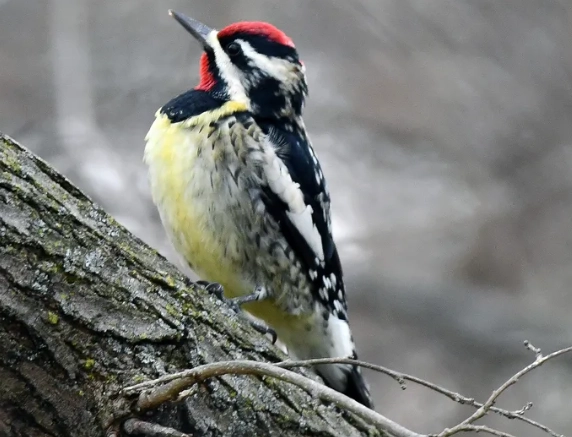
How to Attract Yellow Bellied Sapsuckers to Your Backyard (If You Dare)
This comes with a big, fat warning label. Attracting sapsuckers is a double-edged sword. You'll get an amazing wildlife show, but your trees might pay the price. I only recommend this if you have large, healthy trees you can afford to have lightly vandalized.
If you're still game, here's what works, based on my own backyard experiments:
- Plant Their Favorite Trees: They're drawn to birches (especially paper birch), maples, and pines. A clump of gray birch is like a sapsucker magnet.
- Offer a Sugar Substitute: While they don't typically visit seed feeders, they will sometimes come to oranges or jelly cups meant for orioles. The high sugar content mimics sap. Use a tray feeder mounted on a post, away from your house to avoid window strikes.
- Provide Water: A birdbath or a small, clean pond is attractive to all birds, especially during dry spells.
- Leave Dead Trees (Snags): If safe, leave a dead tree or large branch. Sapsuckers need dead wood for nesting cavities. This is the single most effective thing you can do for all woodpeckers.
The goal isn't to make them permanent residents (unless you're in their breeding range), but to offer a tempting pit stop during migration.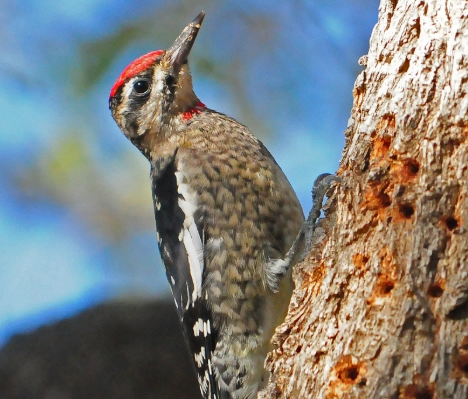
The Sapsucker's Role in the Ecosystem: More Than Just a Nuisance
Many landowners see them as pests. I get it. But that's a narrow view. Yellow bellied sapsuckers are classic "ecosystem engineers." Their sap wells create a vital resource for a whole host of other creatures. It's a buzzing, feeding station they build and maintain for free.
I've sat and watched the clientele at a busy sap well:
- Ruby-throated Hummingbirds: These guys time their northward migration to coincide with sapsucker activity. The wells provide an early, crucial source of carbohydrates before flowers bloom. The relationship is so tight that hummers will follow sapsuckers through the forest.
- Butterflies and Moths: Species like the mourning cloak butterfly rely on the sap in early spring.
- Other Birds: Warblers, chickadees, and even other woodpeckers will sip from the wells.
- Mammals: Squirrels, bats, and even porcupines have been seen taking advantage.
Their abandoned nesting cavities are also prime real estate for secondary cavity-nesters like bluebirds, tree swallows, and flying squirrels. Calling a sapsucker a pest ignores the immense biodiversity it supports.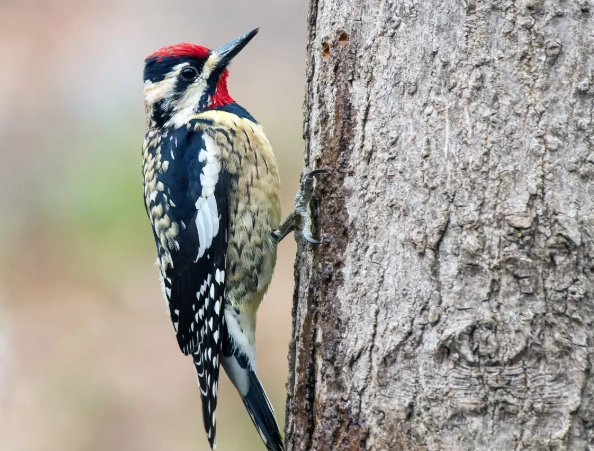
Essential Gear for Observing Yellow Bellied Sapsuckers
You don't need much, but the right tools turn a glimpse into a study. Here's my field kit, refined after years of use:
- Binoculars (8x42 is the sweet spot): You need clarity to see that facial pattern and wing stripe. A wide field of view helps track them as they flit around tree trunks. Brands like Vortex or Nikon offer great value. Don't skimp here.
- Camera with a Zoom Lens (300mm+): A smartphone won't cut it. You want to capture the detail of the sap wells and the bird's plumage. Mirrorless cameras are great for their silent shutter.
- A Field Notebook: This is my non-negotiable. Sketch the pattern of the sap wells. Note the tree species, time of day, and the bird's behavior. Over time, you'll see patterns no app can show you.
- App Support: Use Merlin Bird ID from Cornell Lab for sound ID—their "mew" call is distinctive. Use eBird to find recent sightings near you. It's like having a thousand other birders scouting for you.
- Quiet Clothing and Patience: The best piece of gear is your own stillness. Wear muted colors and be prepared to wait. The best observations come to those who pause.
Your Yellow Bellied Sapsucker Questions, Answered by a Field Observer
Finding a yellow bellied sapsucker is more than a checkmark on a life list. It's a window into a complex, sugary economy that runs through the woods. You start by spotting those strange little holes. Then you learn the black-and-white face that goes with them. Finally, you sit and watch the whole bustling community that shows up for a drink. That's when the forest truly comes alive. Grab your binoculars, find a birch tree, and look for the rows. The farmer might just be nearby.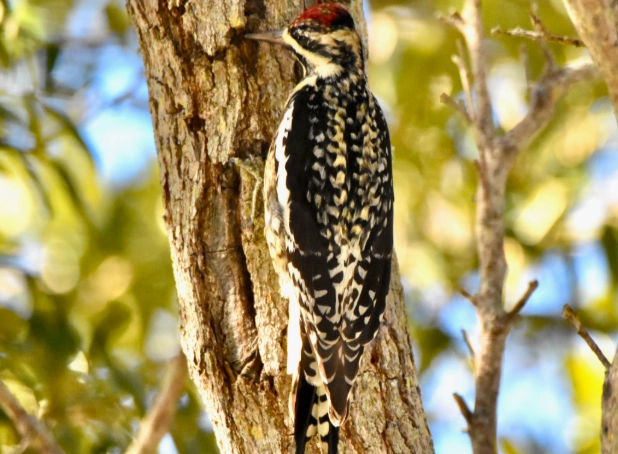
Reader Comments