In This Guide
- Forget Color – Start With the Silhouette (Your New Best Friend)
- Beyond the Shape: The Behavior Clues
- A Handy Table: Quick-Fire Comparison of Common Raptors
- Location, Location, Location: Where You Are Matters
- When You Finally Get Close: Markings and Fine Details
- The Tools That Actually Help (And One That Doesn't)
- Answering the Real Questions People Have
- Putting It All Together: A Step-by-Step Walkthrough
- My Biggest Mistake (And How to Avoid It)
Let's be honest. You're out on a hike, you see this majestic bird soaring way up high, and your friend goes, "Wow, look at that hawk!" And you nod, but inside you're thinking... is it a hawk? Could it be a falcon? Maybe an eagle if you're really lucky? You squint, but it's just a dark shape against the bright sky. Sound familiar? I've been there too, feeling a bit lost. Identifying birds of prey, or raptors as the bird nerds call them, can seem like a secret club with its own language. But it's not as hard as it looks, I promise. You don't need a PhD in ornithology, just a few solid clues to look for.
This guide isn't about memorizing every single feather pattern (though we'll get to some of those). It's about the big picture stuff—the silhouette, the behavior, the *feel* of the bird. The stuff that actually helps when you have three seconds before it flies behind a tree. We'll ditch the textbook approach and talk about what you'll really see in the field. Because honestly, most guides overcomplicate it. They'll show you perfect, close-up photos that you never get in real life. I'm going to focus on the messy, distant, backlit reality of birdwatching.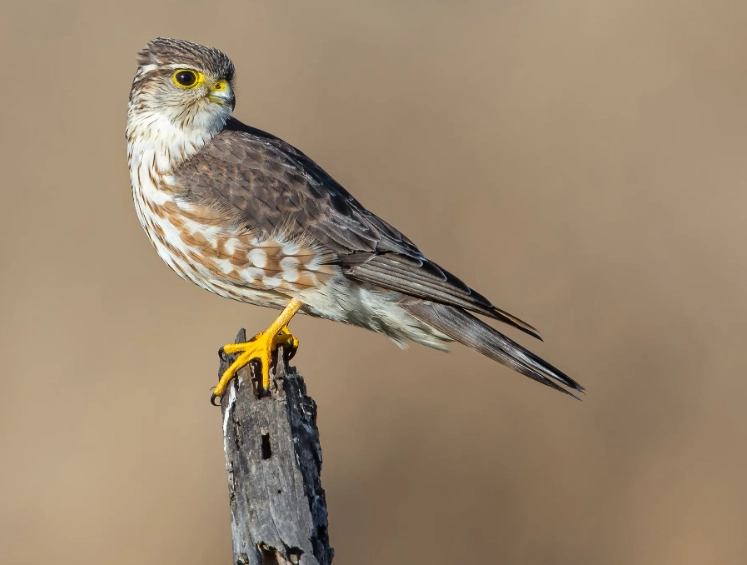
Forget Color – Start With the Silhouette (Your New Best Friend)
Color is probably the first thing we all notice, right? That red tail, that white head. But here's the problem: light plays tricks. A brown bird against a bright sky looks black. A "white" head might just be the sun hitting it. And juveniles often look completely different from their parents. So let's push color down the list for a minute.
Instead, train your eye to see the outline. Is it a flying cross or a flying ruler? This is the core of identifying birds of prey from a distance.
The Four Basic Raptor Shapes in Flight
Think of these as the broad categories. Nail these, and you're 80% of the way there.
The Buteo (Broad-Winged Hawk) Shape: These are your classic "soaring hawk" shapes. Think Red-tailed Hawk, Red-shouldered Hawk. They have broad, rounded wings and a short, wide, fanned-out tail. When they soar, their wings form a clear, shallow "V" called a dihedral. They look sturdy, like a flying shovel. They often circle slowly on thermals, looking pretty relaxed.
The Accipiter (Forest Hawk) Shape: These are the stealth jets. Cooper's Hawk, Sharp-shinned Hawk. Long tails and short, rounded wings. They're built for zipping through trees. In flight, they often look like a flying cross—the long tail sticks way out behind them. Their flight is a series of quick flaps and glides. You'll rarely see them soaring high in the open; they're more likely to burst across a clearing or dart through your backyard.
The Falcon Shape: Sleek and pointy. Peregrine Falcon, American Kestrel. Long, pointed wings and a long, narrow tail. Their silhouette is streamlined, like a fighter jet. When they soar, their wings are more straight out, not in a V. But you'll often see them doing something more dramatic: powered, rapid wingbeats or the famous heart-stopping stoop (dive).
The Eagle & Vulture Shape: The giants. Massive, long, broad wings. A Bald Eagle's wings are like planks. They hold them flat while soaring. Turkey Vultures have a more pronounced V-shape and their wings look two-toned in flight (dark leading edge, silvery trailing edge). They rock unsteadily in the wind—a great clue. Ospreys are in this size league but have a distinct crook in their wings, making an M-shape.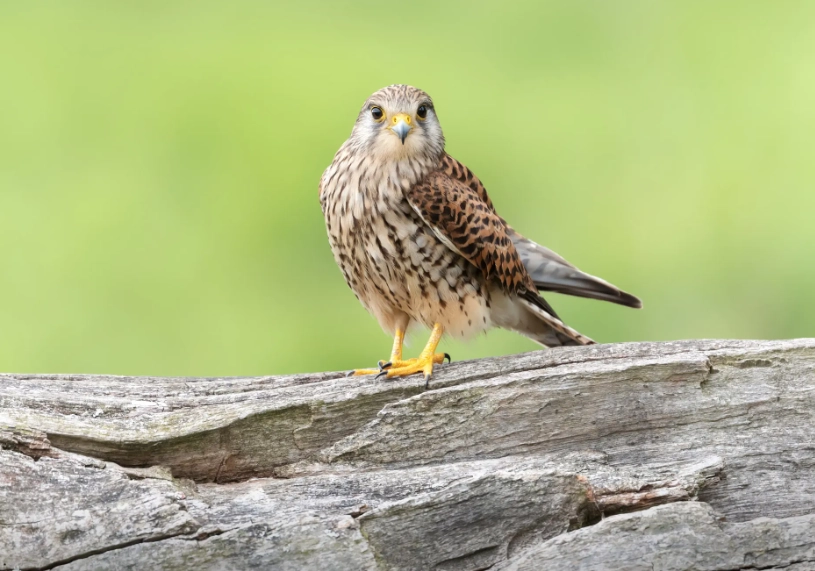
Beyond the Shape: The Behavior Clues
Okay, so you've got the shape. Now, what's it doing? How a bird behaves is a huge piece of the identification puzzle. A bird's job determines its design, and its design determines how it acts.
Let's break down some classic behaviors.
The Patient Perch Hunter: Red-tailed Hawks are masters of this. They'll sit for ages on a utility pole, fence post, or tall tree, scanning the ground for movement. They are the sentinels of the open country. If you see a big, chunky hawk just sitting and watching, odds are good it's a Buteo.
The Ambush Artist: That's the Accipiter game. They use cover. They'll perch more hidden, inside the canopy or on a shaded branch, then explode after prey (often birds) in a short, brutal chase. You might hear the alarm calls of smaller birds before you even see the hawk.
The High-Speed Specialist: Falcons are built for pursuit in open air. A Peregrine might cruise high up, or stoop from a height at unbelievable speeds to strike a duck or pigeon. A Kestrel, our smallest falcon, has a signature behavior: hovering. It'll face into the wind, flap furiously, and hang in one spot while it scans a field for grasshoppers or mice.
The Soaring Scavenger: Turkey Vultures are the kings of efficient flying. They rarely flap. They tilt and rock in the sky, using thermals to cover vast areas with minimal effort, all while sniffing out carrion. That wobbly flight is a dead giveaway (pun intended).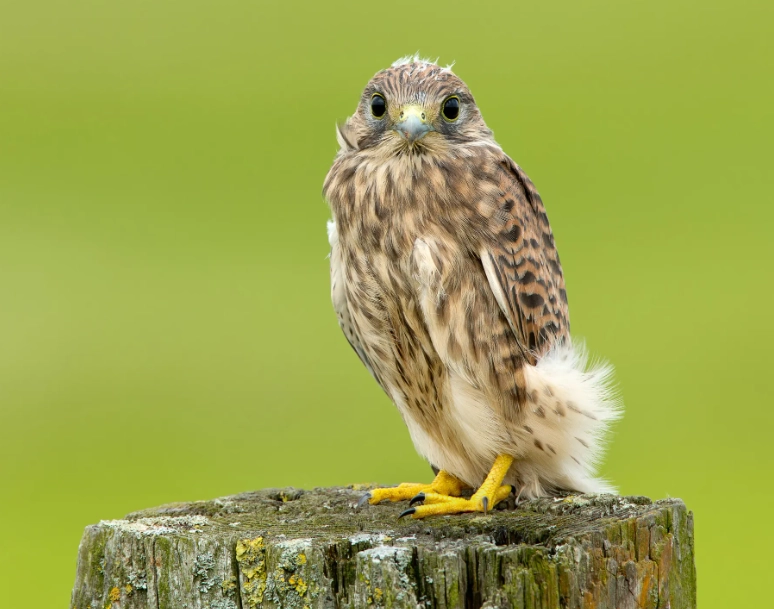
A Handy Table: Quick-Fire Comparison of Common Raptors
Sometimes you just need to see it side-by-side. This table sums up the key field marks for some of the raptors you're most likely to encounter in North America. It focuses on the in-flight view, because that's how you usually see them.
| Raptor | Typical Size | Key Silhouette (In Flight) | Signature Behavior | Best Field Mark (Often Seen) |
|---|---|---|---|---|
| Red-tailed Hawk | Large | Broad, rounded wings, short wide tail. Often in a shallow V. | Soaring in circles or perched on poles. | From below, a dark belly band on a light chest. Adults have the namesake rusty-red tail (not always visible!). |
| Cooper's Hawk | Medium (crow-sized) | Long tail, short rounded wings. A "flying cross." | Fast, agile flaps & glides near woods/backyards. | Rounded tail tip with a broad white band. Adults have blue-gray back, red-barred chest. |
| American Kestrel | Small (sparrowhawk size) | Pointed wings, long tail. Often looks colorful. | Hovering over fields or perched on wires. | Male has blue-gray wings & rusty back/tail. Two vertical black face stripes. |
| Bald Eagle | Very Large (wingspan ~6-7 ft) | Long, broad, plank-like wings held flat. | Powerful, steady soaring near water. | Adults: unmistakable white head & tail. Juveniles: mottled brown & white, huge bill. |
| Turkey Vulture | Large (smaller than eagle) | Long wings in a pronounced V, head looks small. | Wobbly, teetering soar; rarely flaps. | Two-toned wing (black front, gray back), small red head. |
| Osprey | Large | Long wings with a distinct bend/crook (M-shape). | Hovering over water, diving feet-first. | White underparts, dark eye stripe. Often carries a fish. |
See? It starts to make sense when you group them by their job and body plan. Identifying birds of prey becomes less about random facts and more about understanding their lifestyle.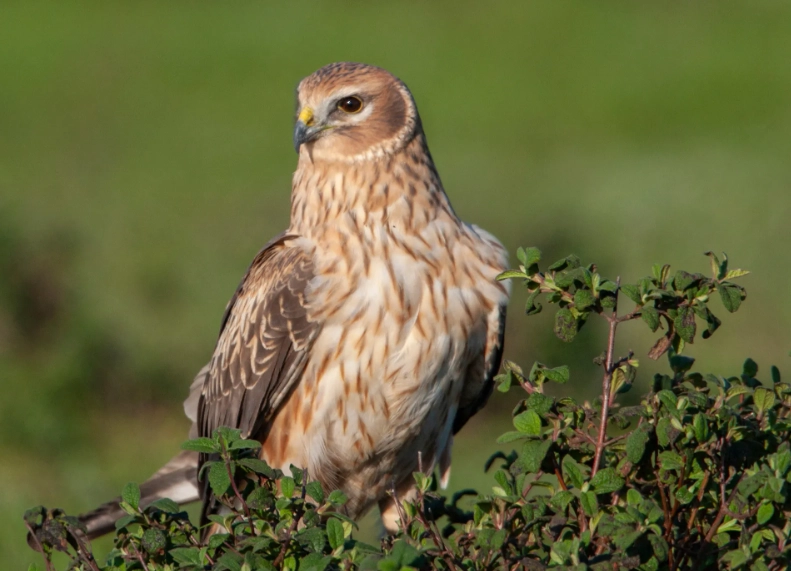
Location, Location, Location: Where You Are Matters
This is a simple but incredibly powerful filter. You won't find a Snail Kite in a Montana pine forest, and you won't find a Gyrfalcon in a Florida swamp. Knowing what's likely to be in your area cuts the possibilities down dramatically.
For example, if you're in the wide-open plains of the Midwest, think Red-tailed Hawks, Northern Harriers (those low-flying, white-rumped birds), and American Kestrels. In dense eastern forests, you're in Accipiter territory—Sharp-shinned and Cooper's Hawks. Along coasts and major rivers, look for Bald Eagles, Ospreys, and maybe a Peregrine Falcon on a city skyscraper.
A fantastic, free resource to check what's in your area is the All About Birds guide by the Cornell Lab of Ornithology. You can search by location and it's scarily accurate. For official conservation status and range maps, the U.S. Fish & Wildlife Service's raptor resources are a goldmine of trustworthy data. I use both constantly.
When You Finally Get Close: Markings and Fine Details
Alright, the bird has landed, or it's gliding close enough that you can actually see details beyond a silhouette. Now the fun really starts. This is where your field guide or app comes in handy. But know what to look for.
- The "Windows": Look at the base of the primary feathers on the wing, near the tip. On some hawks, like Red-shouldered Hawks, these are translucent or pale, creating a little "window." Very helpful.
- Tail Bands: How many? Are they thin or thick? Is the tip of the tail rounded or squared? A Cooper's Hawk has a rounded tail with a broad white terminal band. A Sharp-shinned Hawk's tail is more squared.
- Belly Patterns: Is it streaked (thin lines) or barred (thicker bands)? Is there a solid dark patch like the Red-tail's belly band?
- Head Patterns: Does it have a dark "hood" like a Merlin? Distinct eye lines or "mustaches" like a falcon? A bald head like a vulture?
Don't try to memorize them all at once. Pick one common bird in your area and learn its markings deeply. It'll give you a reference point.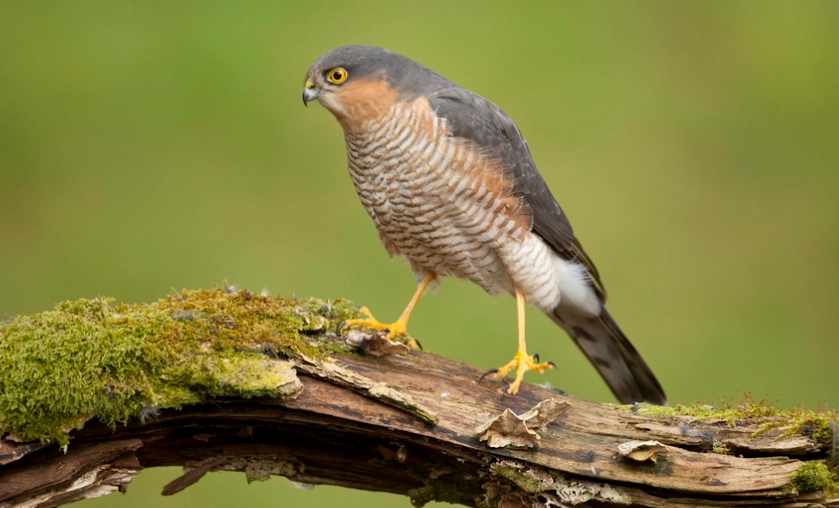
The Tools That Actually Help (And One That Doesn't)
Gear talk. You don't need much, but a few things make a world of difference.
Binoculars (Essential): Don't go overboard. An 8x42 is the perfect starter pair. The "8" is magnification, the "42" is the lens diameter in mm. They're bright, stable, and versatile. I made the mistake of buying super-high-power ones first (10x) and they were too shaky without a tripod. 8x is the sweet spot.
A Field Guide or App (Essential): Book people, I love the Sibley Guide to Birds. It has multiple views and focuses on comparative silhouettes. App people, the Merlin Bird ID app from Cornell is pure magic. You can even upload a photo or record sound. It's scarily good and free.
A Notebook (Highly Recommended): This changed the game for me. Jot down what you see: shape, behavior, location, date. "Big, chunky, soaring in V, dark belly band, over cornfield." The act of writing it down forces you to observe and remember. Later, you can match it to the guide. It's how you learn, not just identify.
The Tool That Doesn't Help Much: Relying solely on color descriptions in a book. "Rufous morph" this, "light phase" that. It can be confusing. Focus on structure first, then use color/pattern to confirm.
Answering the Real Questions People Have
Let's tackle some of the specific head-scratchers I had (and see online all the time) when I started identifying birds of prey.
Is that a Hawk or a Falcon?
The classic. Hawk (Buteo/Accipiter) = generally broader wings, shorter tail (Buteo) or long tail with short wings (Accipiter). Falcon = long, pointed wings, long tail. Look for the pointy vs. rounded wingtip. Also, hawks tend to have browner, streaky/barred patterns. Falcons often have more solid colors with distinct facial markings (the "mustache").
What's the Difference Between an Eagle and a Hawk?
Size is the biggest one, but it can be deceiving at a distance. Eagles are massive. Their wings look like boards. Their heads project further forward in flight. A Bald Eagle's head and tail are as long as its body width. A hawk's proportions are different. Also, eagles rarely hover or flap as frantically as some smaller hawks might.
How Can You Tell a Cooper's Hawk from a Sharp-shinned Hawk?
Oh, the eternal struggle, even for experienced birders. The Cooper's is larger (crow-sized), has a larger head that projects beyond the shoulders, a rounded tail tip, and thicker legs. The Sharp-shinned is smaller (jay-sized), has a smaller head that doesn't project much, a squared tail tip, and pencil-thin legs. In flight, the Cooper's often seems more powerful and deliberate.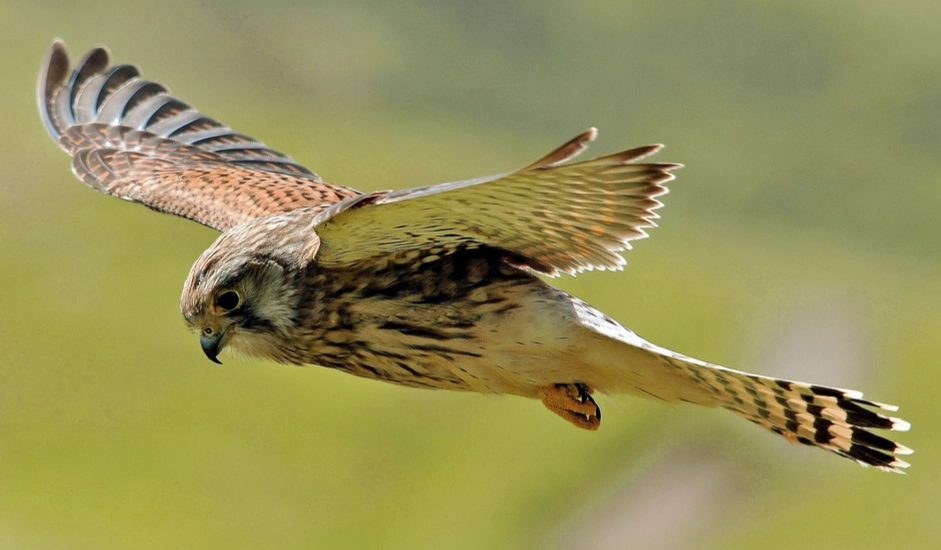
Why Do Some Hawks Have Red Tails and Some Don't?
Age! Juvenile Red-tailed Hawks don't have the red tail. They have a brown, banded tail. They get the famous red tail after their first molt, which happens when they're about two years old. So if you see a big, Red-tail-shaped hawk without a red tail... it's probably still a Red-tailed Hawk. Tricky, huh?
Putting It All Together: A Step-by-Step Walkthrough
Let's imagine a scene. You're driving down a country road and see a big bird on a fence post.
- Pause (Safely!): Don't cause an accident. Pull over if you can.
- Shape & Size: Big and bulky? Long and slender? It's big and looks sturdy. Wings look broad even when folded.
- Behavior: It's just sitting there, scanning the ground. Patient. Not fidgeting much.
- Location: Open farmland. Classic Buteo habitat.
- Markings (through binos): Light chest, and wow—there's a messy, dark band across the belly. The tail... it's a rich, rusty red. No bands.
- Conclusion: All signs point to an adult Red-tailed Hawk. The belly band and red tail are the clinchers, but the shape and behavior got you 90% of the way there before you even saw the color.
That's the process. It becomes automatic after a while.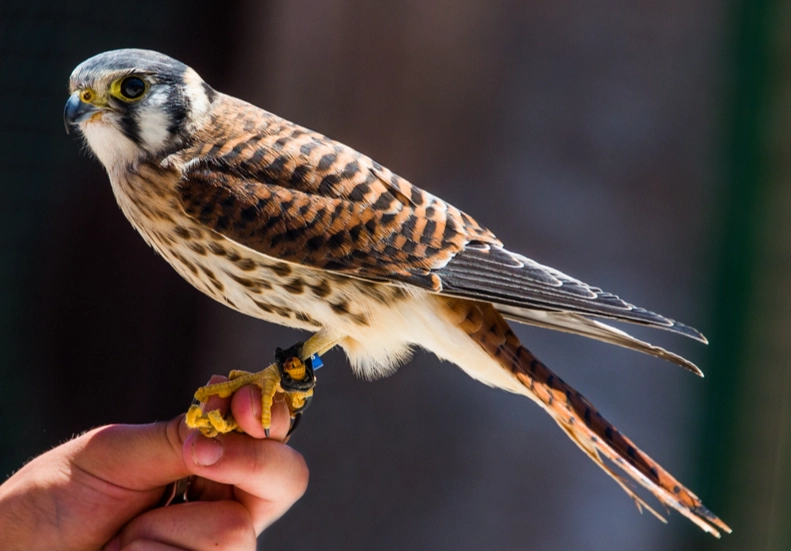
My Biggest Mistake (And How to Avoid It)
I used to chase rarity. I'd see a report of some rare hawk and spend all day trying to find it, ignoring the common ones. Big mistake. By learning the common raptors around you *really* well, you build a solid foundation. Then, when something truly different shows up, it *screams* at you because it breaks the pattern. Spend a year getting to know your local Red-tails, Cooper's, and Kestrels. You'll be a better birder for it.
Identifying birds of prey is a journey, not a destination. Some days you'll nail every ID. Other days, you'll watch a speck disappear into the clouds and just have to shrug. That's okay. The real joy is in the looking, in paying closer attention to the sky. It turns every car ride and every hike into a little treasure hunt.
So grab those binoculars, look up, and start seeing the shapes. The sky is full of drama, and now you know a bit more of the script.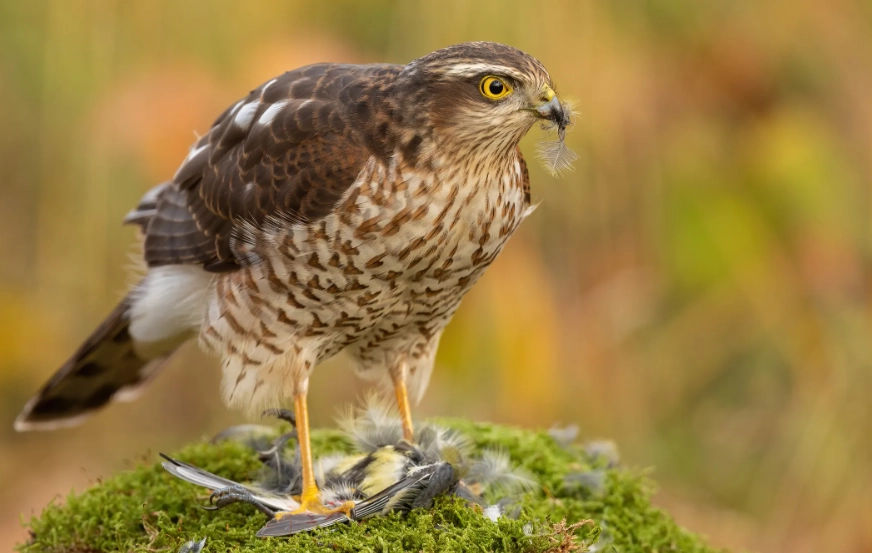
Got a tricky raptor sighting? The best place to get help from a friendly community is on forums like those on the National Audubon Society website. Post a photo (even a bad one!) and describe what you saw. You'll learn tons.
Reader Comments