You see them every summer—dark, sleek shapes slicing through the sky. Swallows and swifts. Most people lump them together as "those fast birds that eat bugs." Even many budding birdwatchers struggle to tell them apart. I did too, for years. I'd squint, try to see color, and usually just guess. It was frustrating.
Here's the truth I learned after a decade of watching skies from Cornwall to Connecticut: distinguishing them is easier than you think, but you're probably looking at the wrong things. Forget complicated plumage details for a moment. The secret lies in three simple, observable traits: how they fly, how they're built, and how they live. Master these, and you'll never mistake a swift for a swallow again.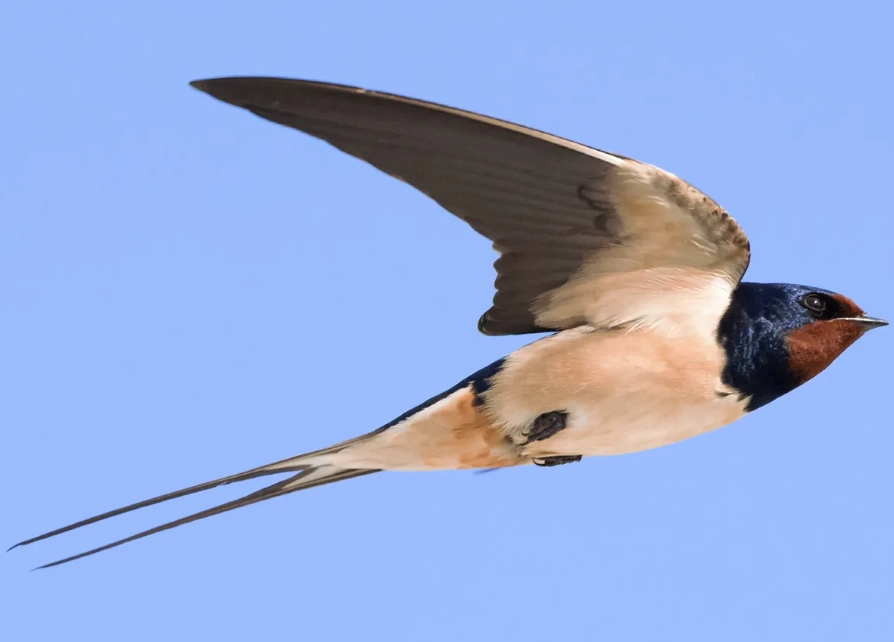
Your Quick Identification Guide
The Flight Style: Grace vs. Grit
This is your number one clue. Watch for just thirty seconds.
Swallows fly like figure skaters. Their movement is fluid, graceful, almost balletic. They execute smooth, sweeping turns and frequent glides. You'll see them flap in a relaxed, rowing motion, then coast on outstretched wings. They hunt lower to the ground, over fields, ponds, and streets, snatching insects with acrobatic dips and dives. The Barn Swallow, for instance, seems to dance on the air. It's a performance.
Swifts fly like tiny, feathered jets on afterburners. Their flight is intense, rapid, and direct. Their long, narrow, sickle-shaped wings beat in a shallow, frantic blur—they almost vibrate. Gliding is rare and brief. They scream through the air at higher altitudes, often in fast, linear paths or tight, screaming circles. A group of swifts, known as a "scream," is aptly named. The Common Swift can spend ten months continuously in the air without landing. Their flight isn't graceful; it's powerful and purposeful.
Think of it this way: if the bird looks relaxed and is gliding, it's a swallow. If it looks like it's urgently vibrating from point A to point B, it's a swift.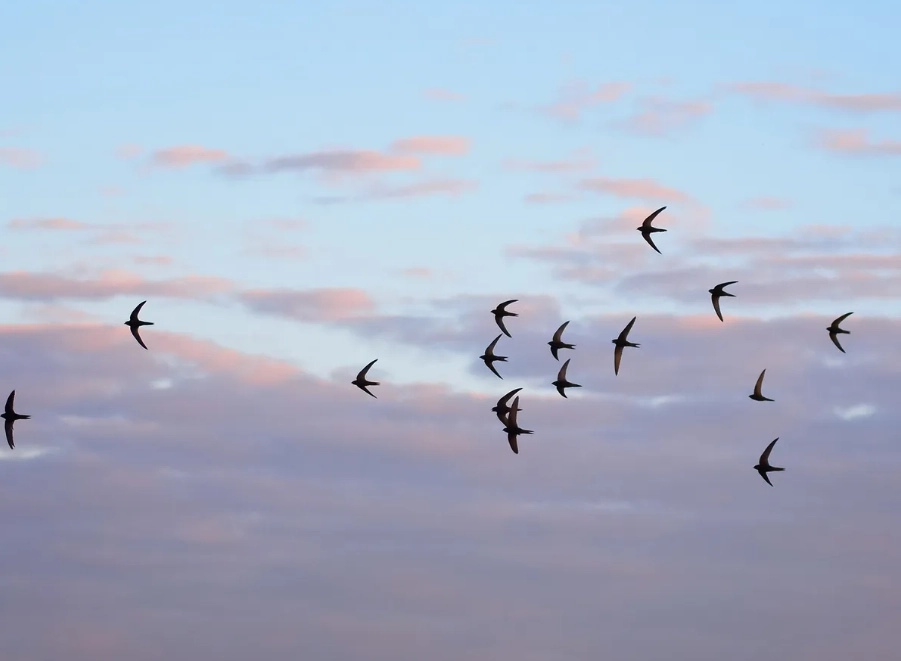
Body Shape & Silhouette: The Cigar and the Arrow
Once you've clocked the flight, look at the body shape against the sky. This is where binoculars help, but even the naked eye can see the difference.
Swifts are living cigars. Their body is compact, tubby, and streamlined. The wings are long and narrow, forming a sharp, backward-pointing crescent or boomerang shape. The tail is very short, often just a slight notch, making the body look like a stubby torpedo. When the wings are swept back in fast flight, the whole bird resembles a black cross or an anchor.
Swallows are more refined arrows. They have a slimmer, more elongated body. The key feature is the tail. Most swallows have a distinct, often deeply forked tail (think Barn Swallow) or at least a clear, notched tail. This tail streams behind the body, creating a two-part silhouette: body + tail. Their wings are broader at the base compared to a swift's, tapering to a point.
I remember watching what I thought was a swift over a lake. The flight seemed fast. But then it turned, and I caught the long, forked tail streaming out behind it. Instant correction: it was a swallow. The tail never lies.
Habitat, Behavior, and the Perching Test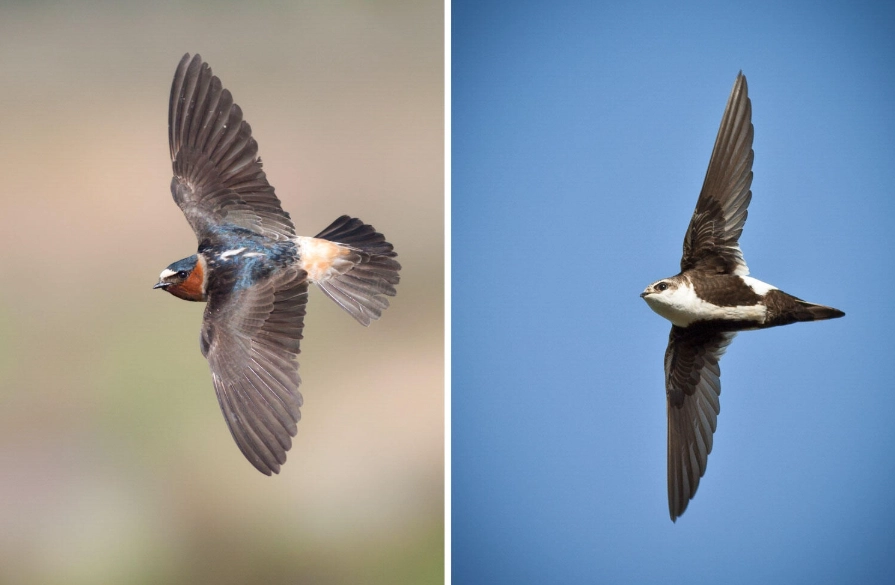
Where you see them and what they're doing seals the deal.
The Ultimate Test: Can It Perch on a Wire?
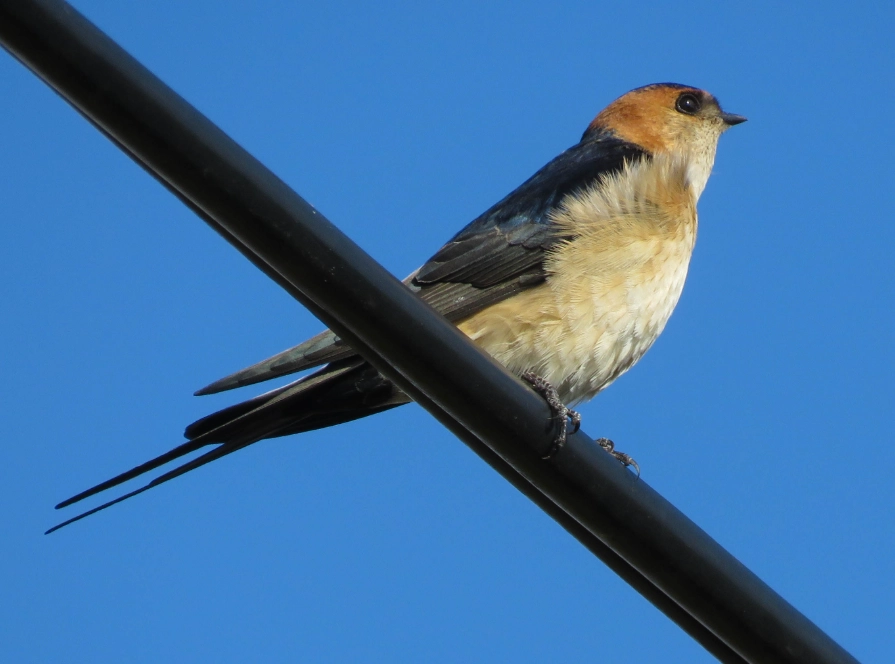
This is the easiest trick in the book. If you see a small, sleek bird perched neatly on a telephone wire, fence, or dead branch, it is 100% a swallow. Swallows have normal perching feet. They rest, preen, and socialize in the open.
Swifts have tiny, weak feet with all four toes pointing forward. They are physically incapable of perching on a wire or branch. Their feet are designed for one thing: clinging to vertical surfaces like cliff faces, cave walls, or the inside of chimneys and old buildings. You will almost never see a swift sitting in the open. If you do, it's likely a grounded bird in trouble.
Nests Tell a Tale
Their nesting choices are completely different.
- Swallows build cup or gourd-shaped nests from mud and saliva, often tucked under eaves, on beams in barns, or on cliffs. You can see the nest structure.
- Swifts don't build a traditional nest. They gather feathers and grass caught on the wind and glue them into a shallow cup with their saliva inside a dark, vertical crevice. You usually just see a hole they zip into.
I found a nest under a bridge once—a perfect mud cup with chicks peeking over the edge. Swallow. A few meters away, birds were darting into tiny cracks in the concrete. Swifts.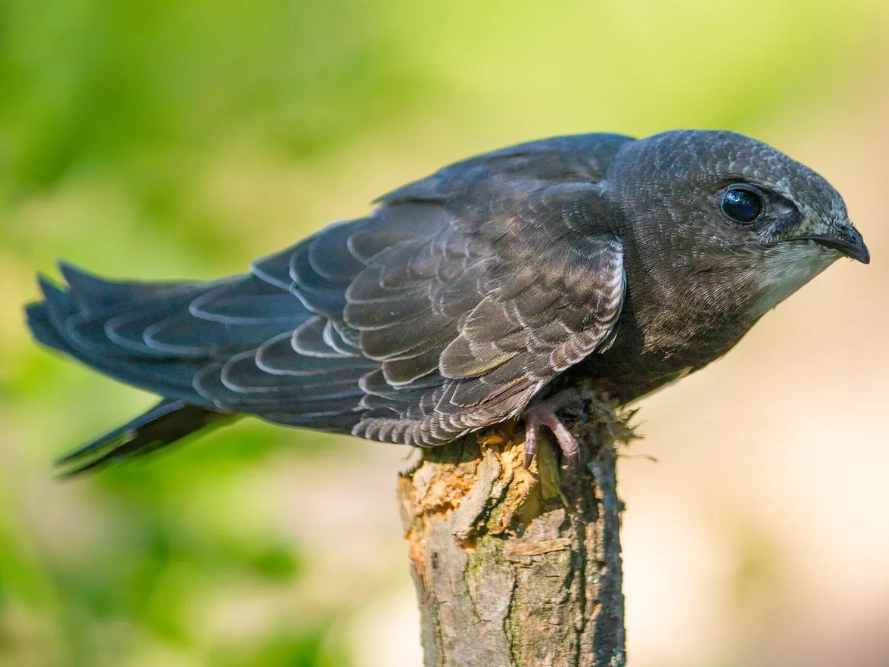
Putting It Into Practice: Common Species Compared
Let's get specific. Here’s a breakdown of some widespread species in North America and Europe to cement the concepts.
| Feature | Barn Swallow | Tree Swallow | Common Swift | Chimney Swift |
|---|---|---|---|---|
| Flight Style | Extremely agile, low glides over fields/water, fluid. | Buoyant, graceful, with steady wingbeats and glides. | Fast, high, screaming flights; stiff, rapid wingbeats. | Erratic, darting; rapid, choppy wingbeats; rarely glides. |
| Key Silhouette | Deeply forked "swallow tail," slender body. | Short, slightly notched tail, broader wings. | Long, scythe-like wings, very short tail (cigar shape). | Slimmer cigar, wings less curved than Common Swift. |
| Perching | Common on wires, fences. | Common on wires, nest boxes. | Never. Clings inside crevices. | Never. Clings inside chimneys/structures. |
| Color (Adults) | Steel blue above, buff below, chestnut throat. | Iridescent blue-green above, clean white below. | Overall sooty brown, with a pale throat patch. | Uniform sooty gray-brown. |
| Classic Habitat | Farms, over water, bridges. | Open fields near water, using nest boxes. | Urban areas, skies over towns/cities. | Skies over towns, forests; nests in chimneys. |
Notice how color is the last detail. Shape and behavior come first. A Tree Swallow's clean white underside is a great marker, but you'll see that only after you've noted its graceful flight and wire-perching habit.
Gear and Pro Tips for Confident ID
You don't need fancy equipment, but a few things help.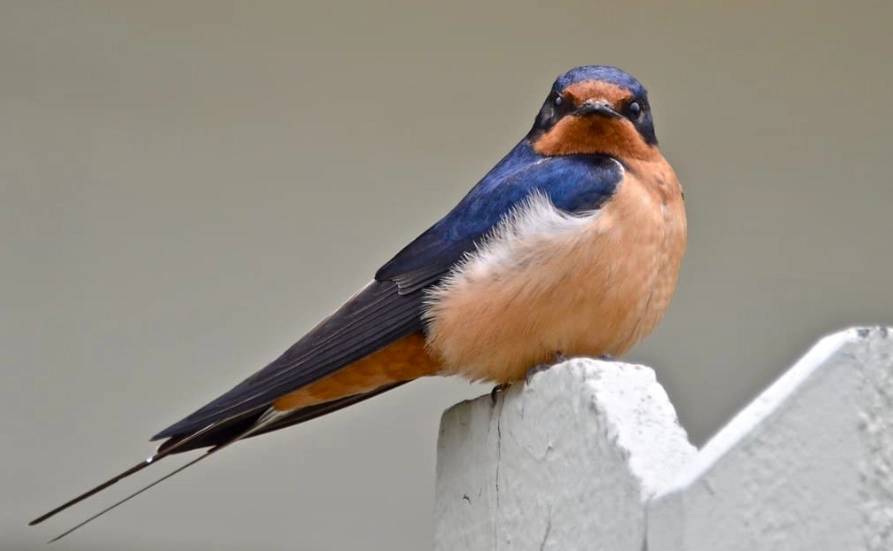
Binoculars: An 8x42 or 10x42 is perfect. The key is a wide field of view to track these fast movers. Brands like Vortex or Nikon offer great value. Don't get hung up on magnification; stability and brightness matter more.
Field Guide & Apps: A good guide like the Sibley Guides or the Collins Bird Guide is invaluable. For apps, Merlin Bird ID by the Cornell Lab of Ornithology is fantastic. You can even use its sound ID feature—swifts have a distinctive high-pitched scream, while swallows have more musical chirps and warbles.
My biggest piece of advice? Watch the sky for five minutes every evening. Don't try to identify every bird. Just watch and categorize: "That one glides—swallow. That one vibrates—swift." Your brain will start to pattern-match without you even thinking.
It's a satisfying skill. One day, you'll glance up and just know. You'll see the frantic, stiff-winged blur and think, "Swift." You'll see the graceful glide and forked tail and think, "Swallow." No guesswork. Just knowing. That's when birding gets really fun.
 Do swallows and swifts eat the same food?
Reader Comments