You hear it first—a bright, cheerful "chick-a-dee-dee-dee" from the edge of the woods. Then a small, bold bird with a black cap and bib zips to your feeder, grabs a sunflower seed, and vanishes. That's the chickadee experience. It's familiar, but if you've ever wanted more—to have them linger, to bring them closer, to truly understand their world—you're in the right place. I've spent over a decade watching these birds, and I can tell you, most advice online misses the subtle details that turn a casual visitor into a backyard regular.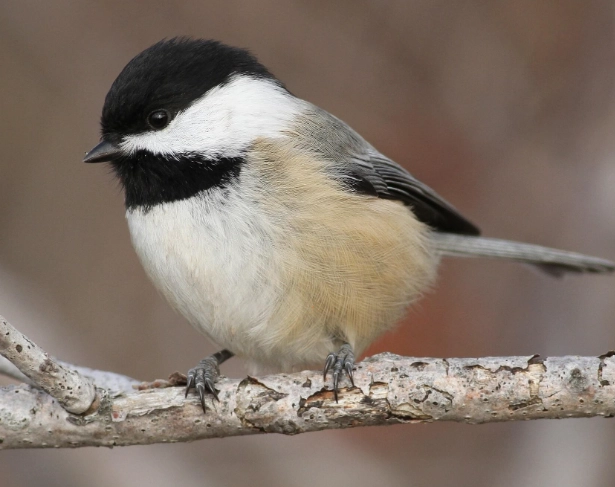
What's Inside This Guide
How to Attract Chickadees to Your Backyard (The Right Way)
Attracting chickadees isn't just about hanging a feeder. It's about building trust and creating a habitat they feel safe in. They're cautious little things, and one big mistake people make is placing a feeder in the middle of an open lawn. To a chickadee, that's like sitting at a dinner table in a predator shooting gallery.
Your feeder needs an escape route. Position it within 5 to 10 feet of dense cover—a shrub, a pine tree, a brush pile. This gives them that crucial dash-to-safety they instinctively need after grabbing a seed. I learned this the hard way; my first feeder was on a lonely shepherd's hook. The chickadees would scout it for days, chirping nervously, but rarely landed. Moving it next to my holly bush changed everything within 48 hours.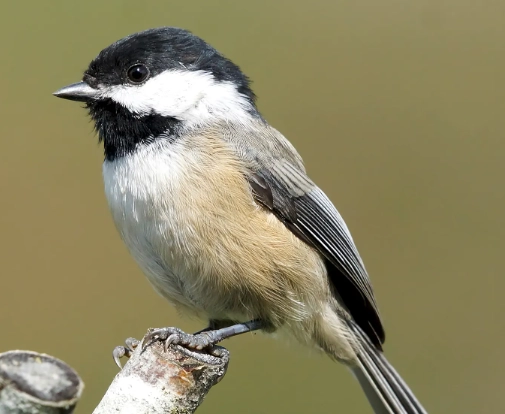
Feeder choice matters, too. Tube feeders with metal ports are chickadee favorites. Their small perches are perfect, and the ports protect the seed from rain. Avoid large platform feeders dominated by pigeons or grackles. A simple, inexpensive tube feeder is your best bet.
Pro Tip Nobody Talks About: Clean your feeder. I mean really clean it, not just a rinse. Every two weeks, take it down, scrub it with a bottle brush and a 10% white vinegar solution, rinse thoroughly, and let it dry. Moldy, clumped seed at the bottom is a fast track to spreading disease like avian conjunctivitis. A dirty feeder can do more harm than good.
Think beyond the feeder. Chickadees are cavity-nesters. Putting up a nest box with a 1-1/8 inch entrance hole can encourage them to raise a family right in your yard. Mount it on a tree or post, 5 to 15 feet high, facing away from prevailing winds. Don't bother with a perch—it just helps predators.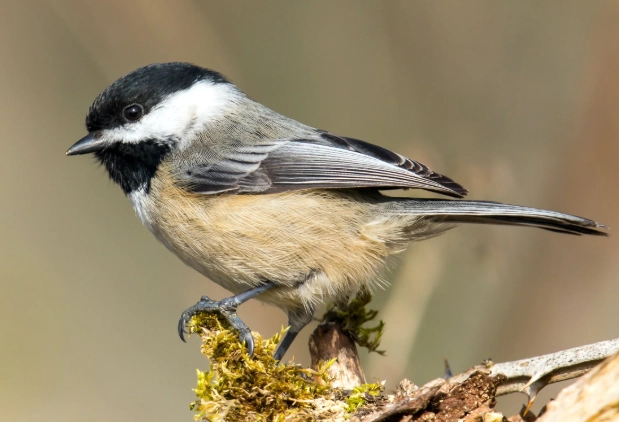
The Chickadee Menu: What They Eat and What to Avoid
Let's talk food. This is where you can waste a lot of money and effort. Chickadees have high metabolisms and need efficient, high-energy food. They're not picky in a survival sense, but they are selective when they have options.
The Gold Standard: Black oil sunflower seeds. The shell is thin, the meat is fatty, and every bird knows it. Fill your main feeder with these. Don't buy the cheap mixed bags from the grocery store. You'll end up with a pile of millet and milo on the ground that only attracts mice. Chickadees will pick through it, tossing 70% of the mix aside.
The Secret Handshake: If you want to feel like a chickadee whisperer, offer shelled sunflower hearts (or chips) and raw, unsalted peanut pieces. These are no-work, high-reward foods. They'll go nuts for them (pun intended). I keep a small dish of these on a windowsill tray, and it's the only time they'll stick around to eat in place, feeling secure enough to let their guard down slightly.
Suet is critical, especially in winter. A plain suet cake is fine, but they lose their minds for peanut-flavored suet. Get a simple cage feeder and hang it in a shaded spot so the suet doesn't melt and go rancid in summer heat.
Seasonal Feeding Adjustments
Their diet changes with the seasons. In spring and summer, over 80% of their diet is insects and spiders—caterpillars are a major protein source for their chicks. Your feeder is a supplement. In fall and winter, they rely heavily on your seeds and suet, and they'll also cache thousands of seeds in bark crevices, remembering the locations for months.
| Food Type | Best Format | When to Offer | Chickadee Appeal |
|---|---|---|---|
| Black Oil Sunflower Seeds | In tube or hopper feeder | Year-round | Excellent - their staple |
| Sunflower Hearts/Chips | In tray or tube feeder | Year-round (esp. for trust-building) | Exceptional - no shell to remove |
| Suet (Peanut or Plain) | In suet cage | Primarily Fall, Winter, Spring | Excellent - crucial winter energy |
| Raw Peanut Pieces | In small tray or mesh feeder | Year-round | Exceptional - high-fat treat |
| Nyjer/Thistle Seed | In finch feeder | Year-round | Low - they'll eat it if nothing else is around |
| Cheap Seed Mixes | Avoid | Never | Poor - wasteful and messy |
One more thing: water. A birdbath, especially one with a gentle dripper or mister, is irresistible year-round. They need to drink and bathe to keep their feathers in top insulating condition.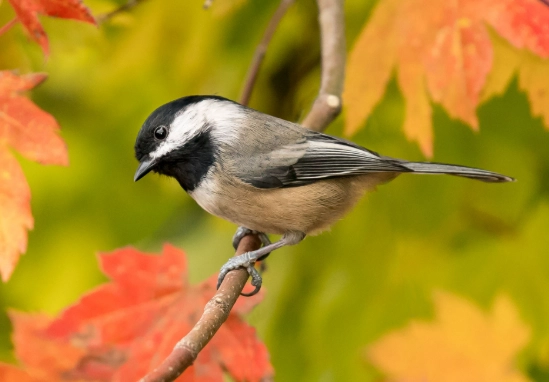
Telling Chickadees Apart: A Quick Identification Guide
You probably know the classic look: black cap and bib, white cheeks, gray back. But North America has seven chickadee species. The two you're most likely to confuse are the Black-capped and the Carolina Chickadee. They look almost identical. The standard field guide will tell you about wing edging and tail shape, but in the field, those details are useless to most people.
Here's the practical method: use a map. Seriously. Check the range maps on a site like the Cornell Lab of Ornithology's All About Birds. If you're in the northeastern US or Canada, it's almost certainly a Black-capped. If you're in the southeastern US, it's a Carolina. There's a messy band of overlap where they hybridize, roughly from New Jersey to Kansas. In that zone, even experts struggle without hearing their songs.
The song is the real key. The Black-capped sings a clear, two-note whistle: "Fee-bee." The second note is lower. The Carolina's song is a faster, four-note "fee-bee fee-bay." It's higher-pitched and more complex. Their classic "chick-a-dee" call differs too; the Carolina's call is faster and chickadee-dee notes are higher. Listen for it.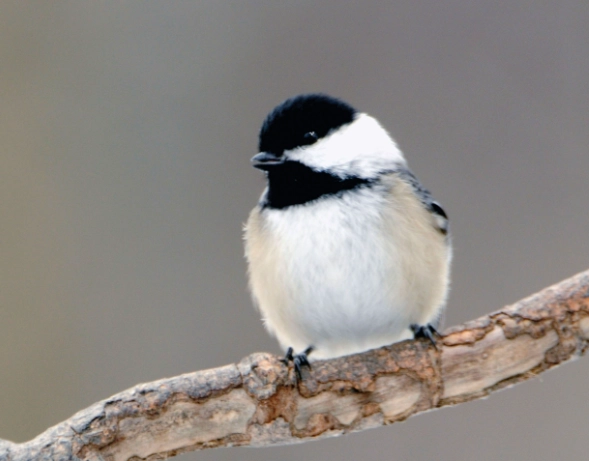
Out west, you'll meet the Chestnut-backed Chickadee (rusty sides, common in Pacific NW forests) and the Mountain Chickadee (with a distinctive white eyebrow stripe). The Boreal Chickadee is a northern specialist with a brown cap. Knowing who's in your area narrows it down instantly.
A Common Misconception: The number of "dees" in their call indicates the threat level of a predator. More "dees" means a smaller, more dangerous predator like a sharp-shinned hawk. Fewer "dees" might be for a larger, less threatening owl. It's a sophisticated alarm system researchers are still decoding.
Your Chickadee Questions Answered
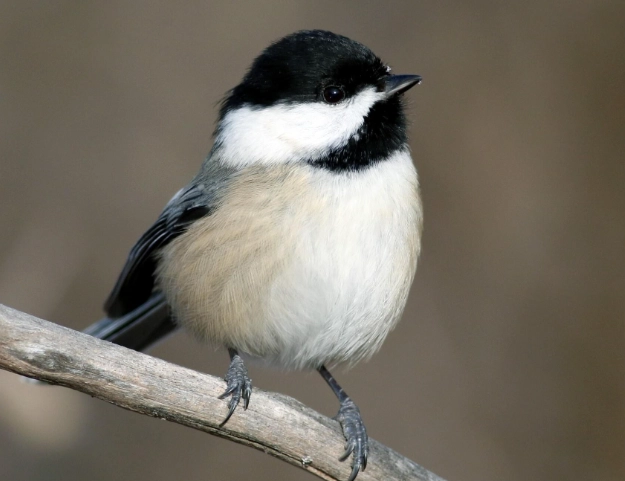
Watching chickadees isn't a passive hobby. It's an interaction. You provide a safe spot and good food, and they provide endless entertainment and a connection to the wild right outside your window. Start with the basics—a simple tube feeder with black oil sunflower seeds near some cover. Be patient, keep it clean, and listen for that first, curious "chick-a-dee-dee-dee." They'll find you.
I still remember the first time a chickadee, after weeks of visits, finally took a seed from my open palm on a freezing January morning. That bold, tiny weight, the flash of trust—it's a feeling no field guide can describe. It's what keeps me filling the feeders, year after year.
Reader Comments