I remember the first time a Great Hornbill flew over me in Khao Yai National Park. The sound wasn't a flap—it was a heavy, rhythmic whoosh-whoosh, like a leathery pterodactyl. Then you see that absurd yellow casque and the black-and-white wingspan, and it clicks. Thailand isn't just a place with birds; it's a theater where evolution puts on its most flamboyant show.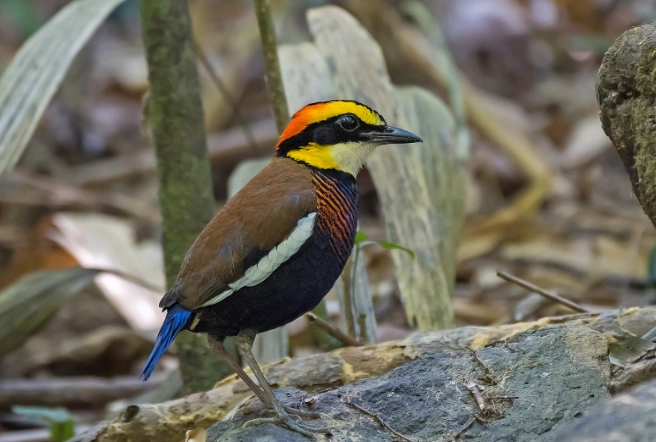
Forget the generic lists. This is about where to go, when to be there, and how to actually see these creatures. We're talking about over 1,000 bird species, from tiny flowerpeckers to eagles with a two-meter wingspan. The mix of resident tropical specialties and northern migrants makes it a year-round destination, but timing and location are everything.
Your Quick Route Through the Jungle
Where to Go: Top Habitats Unpacked
Thailand's birdlife is split across distinct regions. Picking the right zone is half the battle.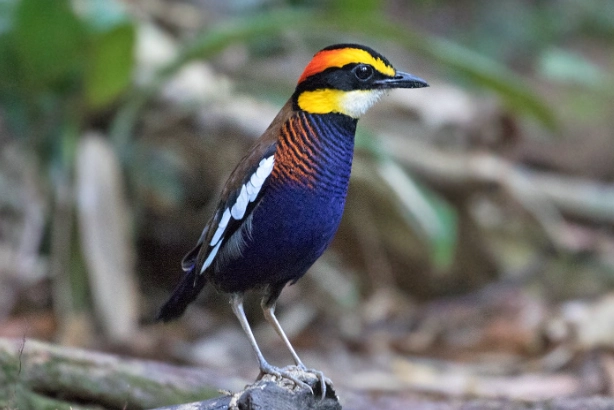
Southern Thailand's Lowland Rainforests
This is the classic, steamy jungle. Think Khao Sok National Park and the areas around Krabi. The biodiversity is insane. The birding, however, is challenging. The canopy is dense, and birds often stay high. Your ears become your best tool here.
Central & Eastern Dry Forests & Wetlands
Places like Kaeng Krachan National Park (Thailand's largest) and the wetlands around Pak Thale and Laem Pak Bia offer a different vibe. The forests are slightly more open, and the wetlands attract huge numbers of shorebirds and waterfowl.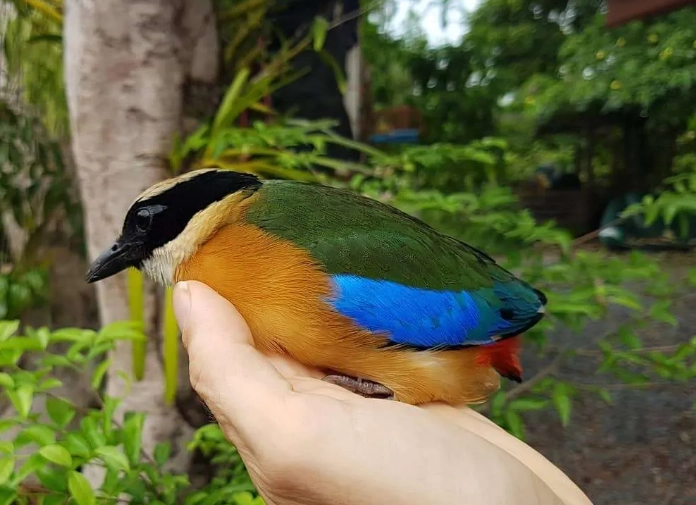
Kaeng Krachan is famous for its hornbill populations and the elusive Ratchet-tailed Treepie. The salt pans at Pak Thale are the only reliable place in the world to see the critically endangered Spoon-billed Sandpiper (November to February, usually).
Northern Mountainous Forests
Doi Inthanon National Park, the country's highest peak, is a must. The elevation gradient means you get subtropical species at the summit you won't find anywhere else in Thailand. It's cooler, the trails are excellent, and specialized birds like the Ashy-throated Warbler are a big draw.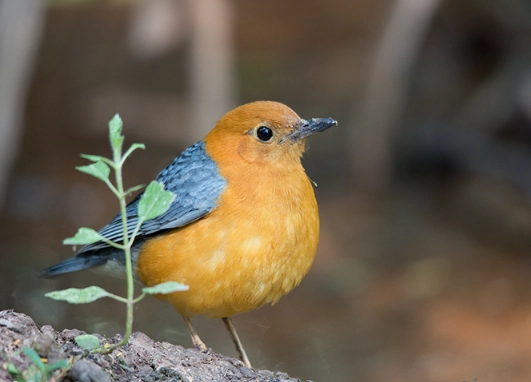
| Region & Key Park | Habitat Type | Signature Birds You Might See | Best For |
|---|---|---|---|
| South (Khao Sok) | Lowland Evergreen Rainforest | Great Argus, Rhinoceros Hornbill, Gould's Frogmouth | True jungle immersion, high biodiversity |
| West/Central (Kaeng Krachan) | Seasonal Dry Forest | Great Hornbill, Silver Pheasant, Banded Kingfisher | Hornbill spectacle, easier viewing |
| Coastal (Pak Thale) | Salt Pans & Mudflats | Spoon-billed Sandpiper, Nordmann's Greenshank | Shorebird specialists, rare waders |
| North (Doi Inthanon) | Montane Evergreen Forest | Green-tailed Sunbird, Chestnut-tailed Minla, Mrs. Gould's Sunbird | Cool-weather birding, elevation specialists |
When to Visit: It's More Than Just Dry Season
Everyone says November to February. They're right—it's ideal. The weather is mild, northern migrants are present, and resident birds are active. National parks are also at their busiest with tourists.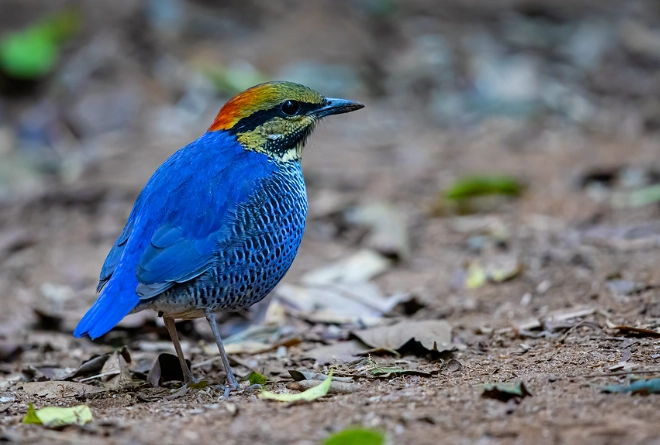
But here's a non-consensus take: late March to April can be phenomenal. It's hot, sure. But it's the tail end of the dry season. Deciduous trees have lost leaves, making canopy birds like hornbills and trogons dramatically easier to spot. Many trees fruit and flower, concentrating nectar and fruit feeders. You'll have to deal with the heat, but you might have a trail to yourself.
The rainy season (May-October) is undervalued. Bird activity peaks in the early mornings between rains. It's lush, green, and full of life. The downside? Leeches, muddy trails, and some remote roads may be impassable. It's for the adventurous birder.
Gear & Common Mistakes: What Most First-Timers Get Wrong
Your standard birding kit applies, but tropics add twists.
- Binoculars: 8x42 is the sweet spot. Good light gathering for dim understory is crucial. Image stabilization is a luxury that becomes a necessity on a shaky boat or when tracking a bird in deep shadow.
- The Forgotten Item: A rain cover. Not just a jacket for you, but a dedicated cover for your binoculars and camera lens. A sudden downpour can happen in minutes. Silica gel packs in your bag fight mold—a real threat.
- Clothing Color: Ditch the bright whites and blues. Muted greens, browns, and khaki are better. But more important than color is fabric. Quick-dry, breathable clothing is non-negotiable. Cotton will leave you soggy and miserable.
- The Big Mistake: Relying solely on sight. In dense forest, you'll hear 10 birds for every one you see. Spend time before your trip listening to calls on databases like Xeno-canto. A smartphone app like Merlin Bird ID can be helpful, but don't let it replace learning.
Must-See Species & How to Find Them
It's not just about checking names off a list. It's about the experience of finding them.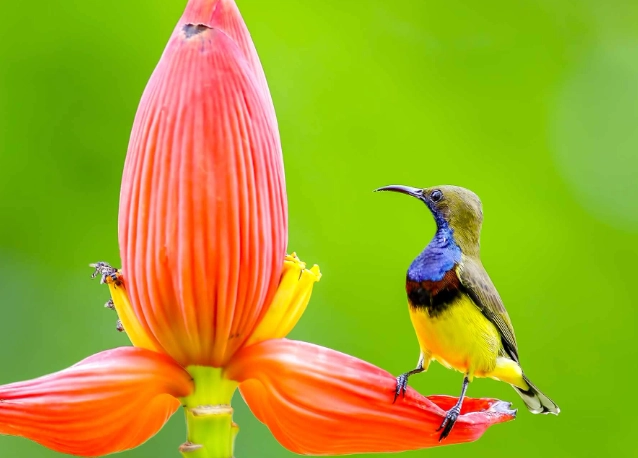
Hornbills: The Jurassic Park Cast
Great Hornbill, Oriental Pied Hornbill, Wreathed Hornbill. They're loud, huge, and unforgettable. Look for them flying between tall trees in the early morning or late afternoon, often in pairs. Listen for their loud, echoing gok calls. Kaeng Krachan's Ban Krang area is arguably the best place for consistent, close views.
Pittas: The Forest Floor Jewels
Mangrove Pitta, Gurney's Pitta, Blue-winged Pitta. These are the holy grail for many. They're shy, terrestrial, and love moist leaf litter. Your strategy? Hire a local guide. Full stop. They know exact territories, playback ethics, and can position you at a hide. Khao Nor Chuchi is the spot for Gurney's Pitta.
Kingfishers & Bee-eaters: The Electric Flash
From the common White-throated Kingfisher to the stunning Banded Kingfisher. Perched quietly near water bodies (even hotel ponds!) at dawn is your best bet. Bee-eaters love open perches—wires, dead branches—near grasslands or wetlands.
Beyond the Guidebook: Local Knowledge That Matters
This is what separates a good trip from a great one.
Guides are not a luxury. For $50-80 a day, a good local guide multiplies your sightings. They know the latest fruiting trees, a specific owl roost, or where a pheasant has been dust-bathing. They navigate permits and park logistics. Book them through reputable tour companies or via park visitor centers.
Ethics matter. Minimal playback. Keep a respectful distance from nests. Stay on trails to avoid disturbing sensitive understory. The birding community here is tight-knit and protective of its resources.
Logistics: Rent a car with good clearance for national park roads. Start your days early—like 5:30 AM at the park gate early. Carry enough water and snacks. Cell service is often absent in parks.
When is the absolute best time to see the most tropical birds in Thailand?
What's the one piece of gear most birders forget for Thailand's tropics?
Where can I see rare birds like Gurney's Pitta without a major expedition?
Is birdwatching in Thailand's rainforests safe for solo travelers?
Thailand's tropical birds offer more than a list. They offer moments—the flash of a kingfisher, the echoing call of a hornbill, the patient search for a pitta. It's a sensory, sometimes challenging, always rewarding pursuit. Get the logistics right, manage your expectations, and immerse yourself. The jungle will show you its secrets, one feather at a time.
Reader Comments