If you've ever heard a loud "drink-your-tea!" call from the underbrush and wondered what bird it is, you're probably dealing with an eastern towhee. These striking birds are common across eastern North America, but they're often missed because people look in the wrong places. I've spent over a decade birding from Maine to Florida, and towhees are one of my favorites—not just for their bold colors, but for the subtle tricks they play on beginners. Let's cut to the chase: this guide will show you exactly how to spot, identify, and even attract eastern towhees, with insider tips most blogs skip.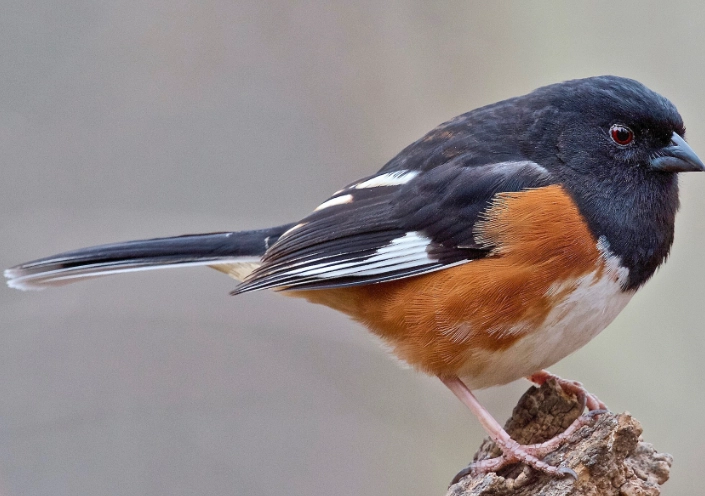
Jump to What You Need
How to Identify an Eastern Towhee (Without Confusion)
Most guides list the features, but they don't tell you how to see them in the field. Here's the reality: eastern towhees are sparrow-sized but act like thrushes, and that's where the confusion starts.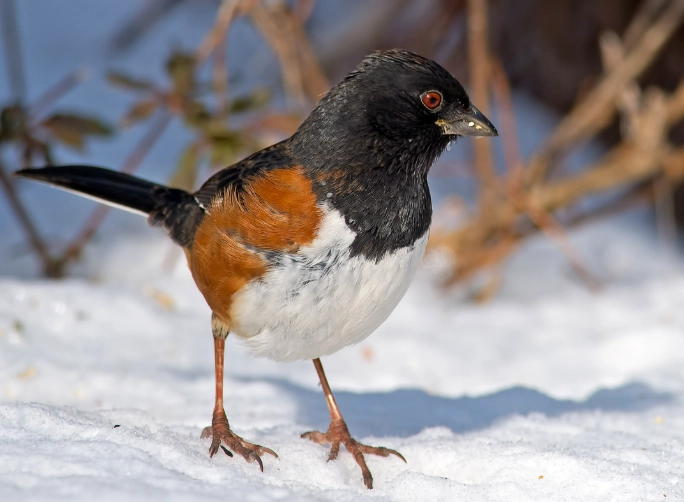
Plumage and Markings: Look for the Contrast
Male eastern towhees are stunning—black head, back, and tail with white belly and rufous (reddish-brown) sides. Females are similar but with brown where males are black. The key is the white tail corners that flash when they fly. I've seen beginners mistake them for robins from a distance, but robins lack that crisp black-and-white pattern. Juvenile towhees are streaky and dull, which trips up even experienced birders in late summer.
A quick comparison table helps:
| Feature | Male Eastern Towhee | Female Eastern Towhee | Similar Bird (American Robin) |
|---|---|---|---|
| Head Color | Black | Brown | Grayish |
| Belly | White | White | Orange-red |
| Tail Flash | White corners | White corners | No white |
| Size | 7-8 inches | 7-8 inches | 9-11 inches |
Behavior and Sounds: Listen Beyond the Song
Their call is iconic: a clear "drink-your-tea!" with the last note rising. But here's something most don't mention—towhees also make a sharp "chewink" call when alarmed, which sounds like a chipmunk. I once spent 20 minutes tracking that noise thinking it was a mammal, only to find a towhee scratching in leaves. They're ground foragers, kicking backward with both feet to uncover insects. If you see a bird doing that in dense brush, it's likely a towhee.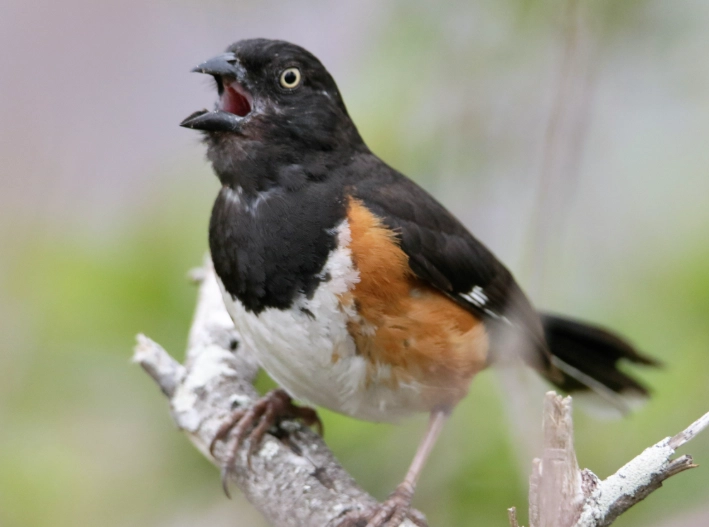
Cornell Lab of Ornithology's All About Birds page notes their song varies regionally, but the structure stays consistent. Don't rely on recordings alone; in the field, the rhythm is more important than pitch.
Where Eastern Towhees Live and Why It Matters
Eastern towhees aren't just deep-forest birds. They thrive in edges—where woods meet fields, along trails, and in overgrown backyards. Range maps show them from Canada to the Gulf Coast, but they're absent from the Great Plains. In winter, northern populations migrate south, but many stick around if food is plentiful.
I've found them in unexpected spots: a suburban park in Atlanta with thickets, a coastal scrubland in New Jersey. The trick is dense, low cover. They avoid open lawns but love brush piles, brambles, and shrubby borders. If your yard has those, you're in luck.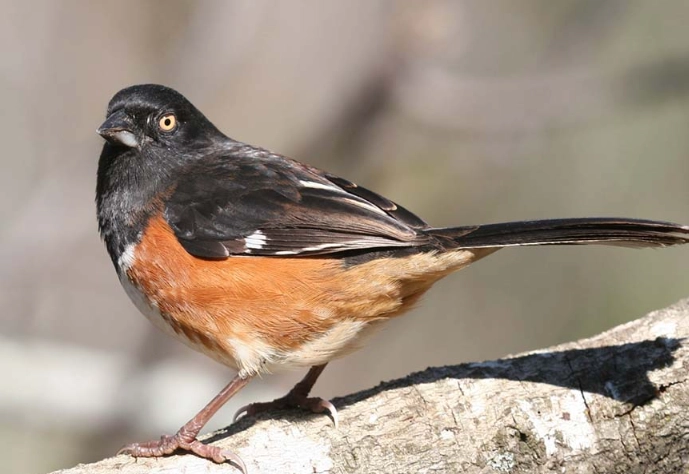
Pro tip from the field: Towhees are more vocal at dawn and dusk. Plan your birding around those times, and focus on areas with leaf litter—they're insect magnets.
Attracting Eastern Towhees: Food, Feeders, and Nesting
Want towhees in your yard? It's not just about throwing seed. These birds are picky about setup.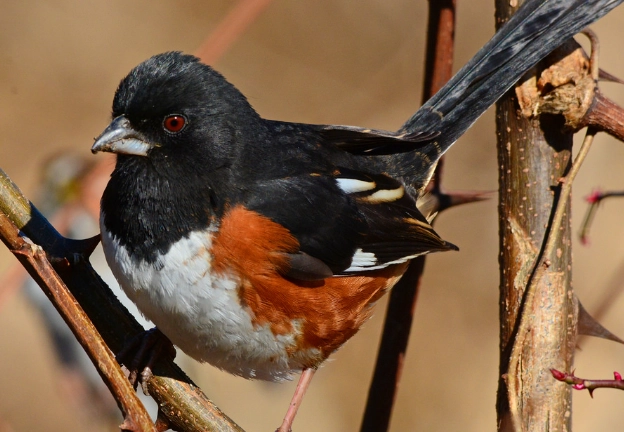
Food and Feeders: Skip the Fancy Stuff
Towhees eat insects, seeds, and berries. On the ground. They rarely use elevated feeders. I've tried platform feeders, but they prefer scattered seed directly on soil or mulch. Use:
- Black oil sunflower seeds: Their favorite. Scatter a handful near cover.
- Millet: Cheap and effective, especially in mixed seed.
- Mealworms: For a protein boost during breeding season.
Avoid suet—towhees ignore it. I made that mistake early on, wasting money on blocks that only attracted woodpeckers.
Nesting Sites: Provide Security
Towhees nest low, often less than 5 feet off the ground in shrubs or tangles. They won't use birdhouses. Instead, plant native bushes like dogwood, sumac, or blackberry. Leave some areas messy—a neat yard is a towhee desert. I've seen nests in old brush piles that most people would clear away.
Water matters too. A ground-level birdbath with shallow edges works best. They're wary, so place it near cover but with clear sightlines.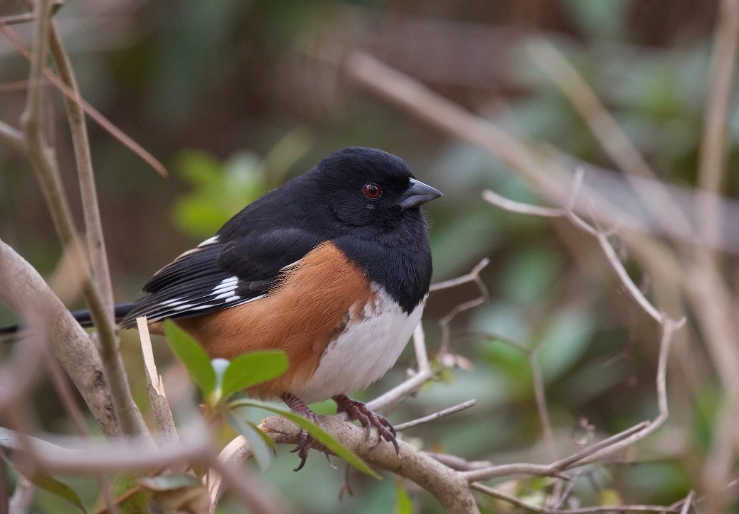
Common Mistakes in Eastern Towhee Identification
Here's where my experience pays off. Most blogs repeat the same facts, but I've watched birders get tripped up by these nuances:
Mistake 1: Assuming they're always shy. Towhees can be bold if they feel safe. In a quiet backyard with thick cover, I've had them come within 10 feet while foraging. But in public parks, they vanish. It's about disturbance, not innate timidity.
Mistake 2: Ignoring the scratch. That double-footed leaf-kicking is unique to towhees in their range. If you hear rustling and see a bird hopping forward, look closer—it's probably not a sparrow.
Mistake 3: Relying only on color. In poor light, females can look like other brown birds. Focus on shape: chunky body, long tail, and that white tail flash. Audubon Society guides emphasize behavior over plumage in tricky conditions.
I once misidentified a female towhee as a song sparrow because I was too far away. Up close, the size difference was obvious—towhees are bigger and bulkier.
FAQ: Your Eastern Towhee Questions Answered
Eastern towhees are more than just a checklist item—they're a gateway to understanding bird behavior and habitat. With these tips, you'll spot them faster and maybe even get them to stick around. Remember, birding is about patience and细节. Happy watching!
Reader Comments