You're filling the bird feeder on a crisp morning when you hear it—a nasal, laughing yank-yank coming from the old oak tree. You look up, and there it is: a compact blue-gray bird with a stark white face and chest, marching headfirst down the trunk like it's defying gravity. That's your first encounter with the white-breasted nuthatch, one of the most charismatic and common backyard birds across North America. Forget the sparrows and finches for a moment. This bird has personality. It's bold, curious, and operates on its own unique set of rules. I've spent years watching them, and I still get a kick out of their antics. This guide isn't just a dry list of facts. It's everything I've learned about finding them, identifying them, and most importantly, turning your yard into a place they want to call home.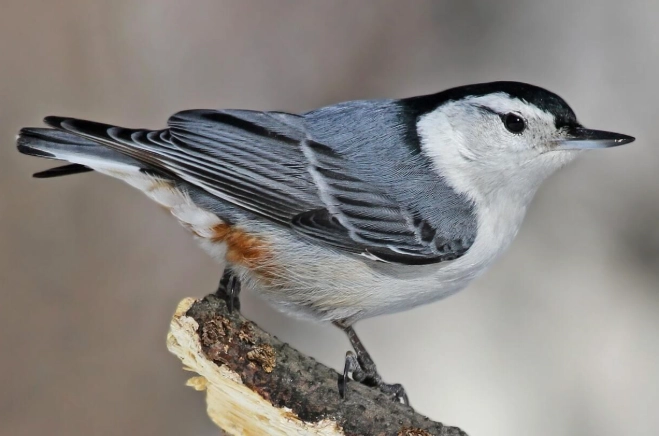
What's Inside This Guide
How to Identify a White-Breasted Nuthatch
At first glance, you might confuse it with a chickadee or a titmouse. But a closer look reveals a bird built for a very specific job.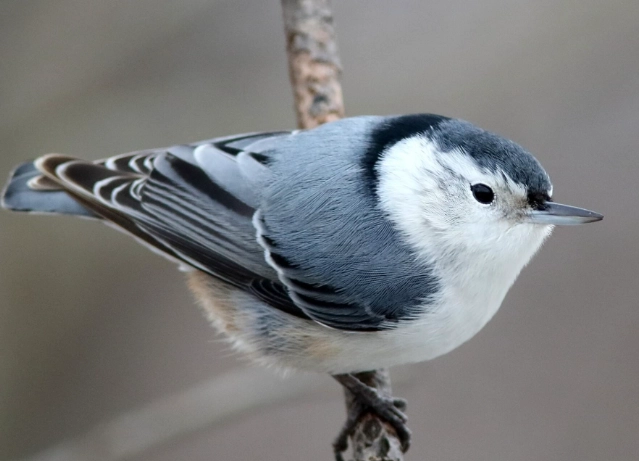
The Classic Upside-Down Forager
This is their signature move. While woodpeckers hitch upwards and brown creepers spiral up from the bottom, the white-breasted nuthatch is the only common backyard bird that regularly walks headfirst down tree trunks and major branches. It's not a fluke. Their long, strong back toes and sharp claws give them a grip that seems to laugh at gravity. Watch one for a minute. It moves in deliberate, jerky hops, poking its long, straight bill into every bark crevice.
Breaking Down the Look
Get your binoculars steady. Here’s what to focus on:
The Cap: A sleek, black cap (like a little ski hat) covers the head from the bill to the back of the neck. In males, it's a glossy jet black. Females have a cap that's a slightly duller, more grayish-black. It's a subtle difference, but with practice, you can tell them apart.
The Face and Underparts: Crisp, clean white cheeks, throat, and breast. This stark white front is their most obvious field mark against the tree bark. The white extends all the way under the tail.
The Back and Wings: The upperparts are a soft blue-gray. When the wings are folded, you might see darker slate-gray feathers. In flight, there's a noticeable blackish patch on the lower back near the tail.
The Bill and Size: That bill is almost as long as its head, straight as a dagger, and perfect for prying. They're small but sturdy—about the size of a sparrow but more compact.
A Common Mix-Up: The red-breasted nuthatch is its smaller, rust-bellied cousin. If you see a nuthatch with a bright rusty belly and a bold black eye stripe, you've got a red-breasted. They sound different too—a tinny, toy trumpet-like yank-yank that's higher pitched.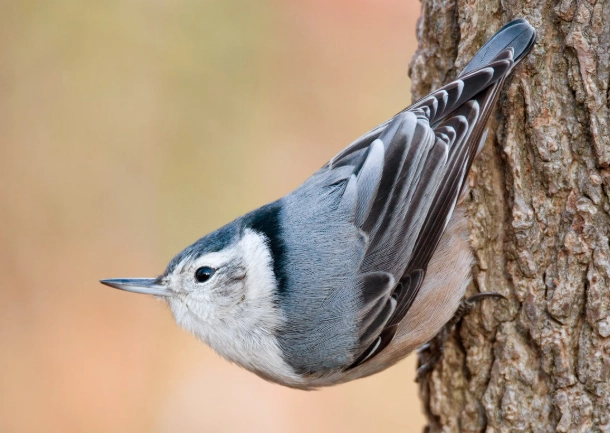
Understanding Nuthatch Behavior & Calls
Identification isn't just about looks. It's about how a bird acts and sounds. This is where the white-breasted nuthatch truly shines.
The Voice: More Than Just a Yank
That classic yank-yank call is their loud, contact call. It's conversational. I hear it most when a pair is foraging near each other or when one is announcing its arrival at the feeder. But they have a whole repertoire. In spring, listen for a rapid, musical series of whistled notes—their courtship song. It's surprisingly sweet and complex. They also make softer nit or hit notes while foraging quietly.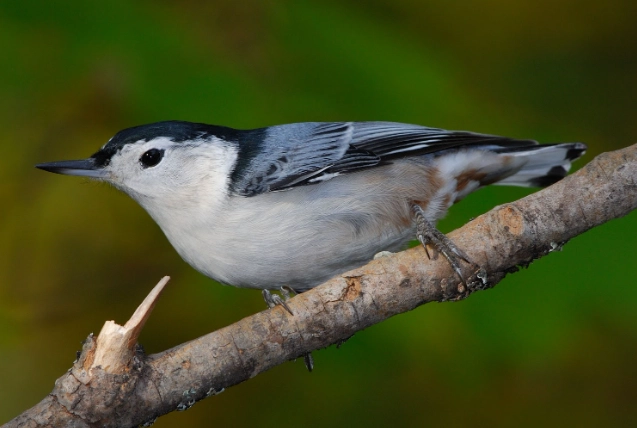
Here's a pro tip most guides don't mention: their call carries incredibly well in leafless winter woods. If you're hiking and hear that nasal call, stop and scan the trunks of large trees. You'll often find them.
Food Storage Experts (And Why You See Them Bashing Seeds)
You'll often see them fly to a feeder, grab a single sunflower seed, and immediately fly away to a tree. They aren't eating it right there. They're caching it. They jam the seed into a deep bark crevice, then hammer it with their bill to wedge it in tight. This behavior, called scatter-hoarding, is a survival strategy for lean times. They have remarkable spatial memory and can find thousands of these hidden caches later.
This is also why they love shelled peanuts and sunflower hearts—no shell to remove, just pure, cache-able calories.
Year-Round Territory & Social Life
Unlike many birds, white-breasted nuthatches don't migrate. A mated pair will defend the same territory (usually 20-30 acres of mature woodland) all year round. In winter, you'll often see them tagging along with mixed-species flocks of chickadees, titmice, and downy woodpeckers. There's safety in numbers—more eyes to spot predators. The nuthatch often acts as a sentinel, using its high vantage point on the trunks.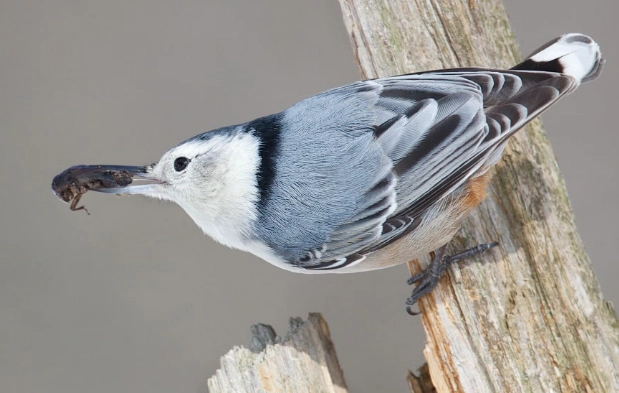
How to Attract White-Breasted Nuthatches to Your Yard
Want them as regular visitors? It's less about fancy equipment and more about understanding their needs. I've made every mistake in the book—wrong feeder placement, wrong food, you name it. Here’s what actually works.
The Food They Can't Resist
Think high-fat, high-protein. Their natural diet is insects, but at feeders, they have clear favorites.
Sunflower Seeds: Black oil sunflower seeds are the universal bird currency, and nuthatches are all in. They prefer the hearts (the meat inside) but will handle whole seeds. A common sight is a nuthatch at a feeder, hammering a seed open against a branch.
Suet: This rendered beef fat is pure energy. They'll cling to suet cages year-round. In summer, offer no-melt suet cakes to avoid mess.
Peanuts: Shelled peanuts are like caviar to them. They'll take one, cache it, and be back in seconds for another. Avoid salted or flavored peanuts.
Mealworms: For a special treat, especially during breeding season when they're feeding young, live or dried mealworms are a huge hit. It mimics their natural insect diet.
Avoid filler seeds like millet or cracked corn. They'll ignore it.
Feeder and Placement Strategy
This is critical. Nuthatches are nervous. They don't like feeling exposed.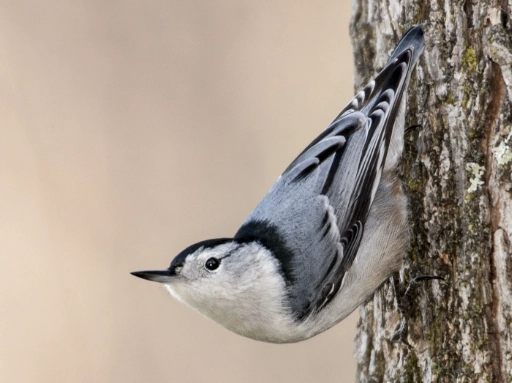
Feeder Type: They do well on tube feeders with large ports, platform feeders, and hopper feeders. The key is a good perch. They need to land, grab, and go.
The Golden Rule of Placement: Put your feeder within 10-15 feet of a mature tree trunk or thick shrubbery. This gives them a safe staging area. They will rarely fly across a wide, open lawn to a feeder. They'll dash from the tree to the feeder, grab a seed, and dash back. This behavior is called shuttling.
I made the mistake once of putting a new feeder in the middle of my open yard. The chickadees found it in a day. The nuthatches didn't touch it for weeks until I moved it under the canopy of a large maple.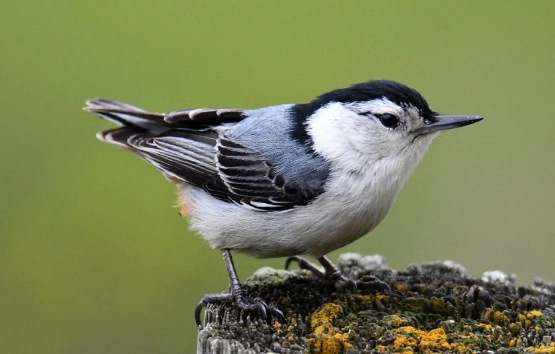
Beyond the Feeder: Habitat is Key
Feeders bring them in, but habitat makes them stay. They are cavity-nesters. They cannot excavate their own holes like woodpeckers, so they rely on natural cavities or old woodpecker holes.
If you have a dead tree (snag) that's not a safety hazard, leave it standing. It's a condo for nuthatches and other wildlife. You can also put up nest boxes. The specifications are important: a 1 1/4 inch entrance hole, placed 12-20 feet high on a tree trunk in a wooded area, and fill the box with a couple inches of wood chips (they like to excavate their own nesting cavity inside). The Cornell Lab of Ornithology's NestWatch program has perfect blueprints.
They also use tree resin. I've watched them collect sticky resin from pine trees and smear it around the entrance of their nest hole. It's thought to deter predators or competitors like house sparrows. A brilliant, natural bit of tool use.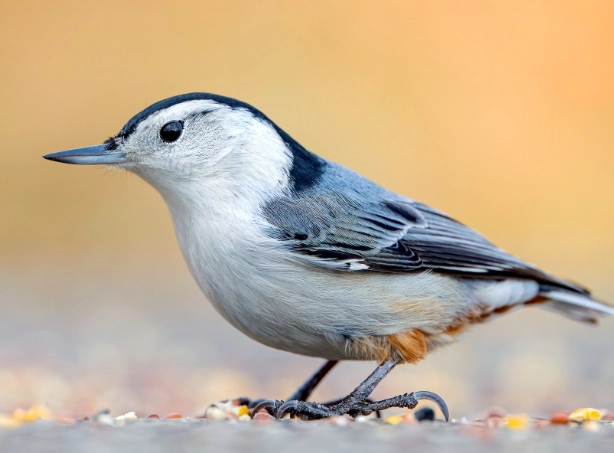
Your Nuthatch Questions Answered
What is the best feeder to attract a white-breasted nuthatch?
They prefer feeders that offer security and a perch. Tube feeders with large ports for shelled peanuts or sunflower hearts are excellent. They also readily use platform feeders and suet cages. Avoid tiny perches; they need space to land and grab food. A key tip: place the feeder near a mature tree trunk. Nuthatches feel exposed in open spaces and will dash from the tree to the feeder and back, a behavior called "shuttling."
Why does a white-breasted nuthatch walk upside down on trees?
This isn't just a quirky party trick; it's a highly specialized foraging strategy. By moving headfirst down a trunk, they access insect eggs, larvae, and spiders in bark crevices that woodpeckers and creepers (who only go upwards) miss. It gives them a unique ecological niche and reduces competition for food. Their strong legs and sharp claws are perfectly adapted for this gravity-defying maneuver.
What's the best way to stop squirrels from stealing nuthatch food?
This is a constant battle. While nuthatches enjoy peanuts and sunflower seeds, so do squirrels. The most effective method is a physical barrier: a pole-mounted baffle placed at least 5 feet off the ground. Weight-sensitive feeders that close under a squirrel's weight often don't work well for nuthatches either, as they can be heavy enough to trigger the mechanism. My go-to strategy is offering safflower seed in a separate feeder. Squirrels and many blackbirds dislike it, but nuthatches, cardinals, and chickadees will eat it happily.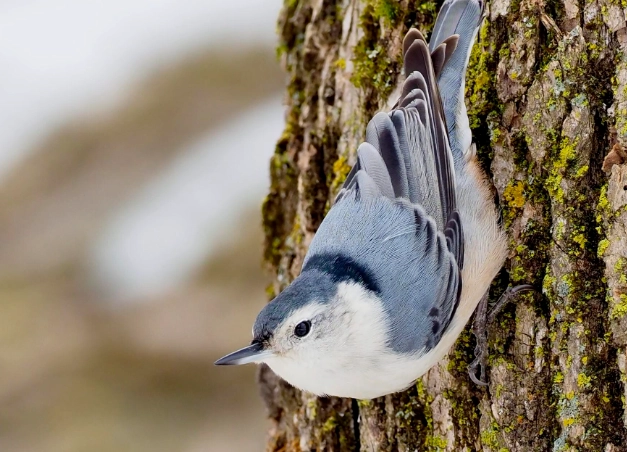
How can I tell the difference between a male and female white-breasted nuthatch?
It's subtle and takes a good, close look. Focus on the cap. The male has a glossy, jet-black cap that contrasts sharply with his white face and breast. The female's cap is a slightly duller, more grayish-black or dark slate gray. In some light, it can be hard to tell, but side-by-side, the male's cap is noticeably darker and shinier. Their calls and behavior are identical, so plumage is your only reliable clue.
So the next time you hear that familiar, nasal yank-yank, you'll know exactly what you're looking for. You'll see not just a cute bird, but a finely-tuned survival expert—a master of vertical spaces, a hidden food stasher, and a loyal year-round resident. With a few simple steps—the right food in the right place, maybe a nest box—you can turn that occasional visitor into a daily source of fascination. They remind us that wonder isn't always in some distant forest. Sometimes, it's marching down the trunk of the old tree in your own backyard.
Reader Comments