Quick Guide
I remember waking up to a chorus of birdsong every morning. It was just background noise, I guess. Something you take for granted. Now, when I sit out on the porch with my coffee, it's often just... quiet. A robin here, maybe a sparrow there. But that full, vibrant soundtrack of spring? It feels muted. I'm not the only one who's noticed. Friends mention it. Online forums are full of people asking the same simple, haunting question: where did all the birds go?
It's not just a feeling or nostalgia playing tricks on us. The data, when you look at it, is sobering. It points to a quiet crisis happening right outside our windows.
The Alarming Data: How Bad Is It?
Let's cut to the chase. This isn't a small dip. A landmark study published in the journal Science in 2019 delivered a staggering figure. Researchers, led by scientists from the Cornell Lab of Ornithology and other institutions, analyzed decades of population data. Their conclusion? Since 1970, North America has lost nearly 3 billion birds. That's about 29% of the entire avian population gone in a single human lifetime.
Think about that number for a second. Three billion. It's almost impossible to visualize. It means that for every four birds that were around when I was a kid, only three are here now. The scale is continental and catastrophic.
Some groups have been hit much harder than others. The losses aren't spread evenly like butter on toast. Grassland birds, like meadowlarks and bobolinks, are among the hardest hit, with populations down by over 50%. These are the birds of our prairies and fields. Shorebirds, those long-distance travelers, have also seen a collapse. But even common backyard birds haven't been spared. A familiar sight like the dark-eyed junco has lost millions of individuals.
The table below breaks down some of the most affected groups. It's not a cheerful read, but it's important to see the specifics.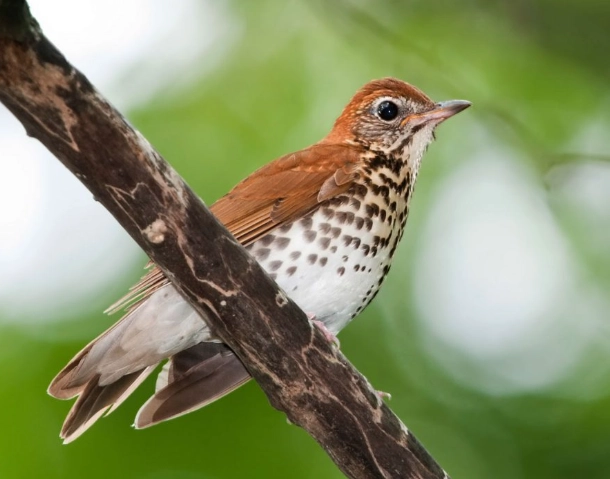
| Bird Group | Estimated Population Loss | Key Examples | Primary Habitats |
|---|---|---|---|
| Grassland Birds | Over 50% since 1970 | Eastern Meadowlark, Bobolink, Grasshopper Sparrow | Prairies, Hayfields, Pastures |
| Shorebirds | Over 35% since 1970 | Red Knot, Ruddy Turnstone, Sanderling | Beaches, Mudflats, Wetlands |
| Eastern Forest Birds | Approximately 30% since 1970 | Wood Thrush, Golden-winged Warbler, Cerulean Warbler | Deciduous and Mixed Forests |
| Common Backyard Birds | Significant declines in many species | Dark-eyed Junco, White-throated Sparrow, Common Grackle | Suburban Gardens, Parks, Woodlots |
So yeah, the feeling that the birds are going is backed by some pretty hard, depressing numbers. It makes you wonder what's happening.
But what's really driving this?
The Main Culprits: Why Are Birds Disappearing?
There's no single villain in this story. It's a perfect storm of human-made pressures, all piling on at once. Trying to pin it on just one thing is tempting but wrong. It's like asking what killed a forest—was it the drought, the beetles, or the disease? The answer is usually all of the above, working together.
Habitat Loss: The Biggest Threat
This is the heavyweight champion of bird decline. Plain and simple, birds are running out of places to live, eat, and raise their young. We've converted prairies to vast monoculture farms with few hedgerows. We've drained wetlands for development. We've fragmented forests with roads and subdivisions. Even our well-manicured suburban lawns are often ecological deserts for insects, a crucial food source.
I see it locally. That old field where I used to see kestrels hunting? It's now a storage unit facility. The scrubby patch at the edge of town that was full of song in May? Cleared for a new housing development. Every time we do this, we erase a home. The American Bird Conservancy consistently ranks habitat loss as the number one threat to birds globally.
The Insect Apocalypse (And Why It Matters for Birds)
This one hits close to home for anyone who remembers fewer bug splats on the car windshield. A growing body of research points to a dramatic decline in insect biomass. Why should a bird lover care? Because 96% of terrestrial bird species feed insects to their chicks. No bugs, no baby birds.
The causes of insect decline mirror bird decline: widespread pesticide use (especially neonicotinoids), habitat loss, and light pollution. It's a classic bottom-of-the-food-chain collapse. If you're wondering where did all the birds go, a big part of the answer is that their food—the caterpillars, beetles, and flies—has already vanished.
Climate Change: A Growing Pressure
This isn't just about warmer temperatures. Climate change scrambles the delicate timing of nature. Plants may bloom earlier, but if the insects that depend on those plants aren't synchronized, and the birds that migrate to eat those insects arrive at the wrong time, the whole system breaks down. It's a phenomenon called "phenological mismatch."
Furthermore, rising sea levels threaten coastal nesting sites for shorebirds. More intense storms can wipe out populations during migration. Droughts can destroy wetland habitats. The U.S. Fish and Wildlife Service notes that climate change is a "threat multiplier," making all the other problems worse. It's changing the rules of survival while birds are already struggling.
Other Significant Threats
The list, unfortunately, goes on.
- Window Collisions: It's brutal, but an estimated 600 million birds die each year in the U.S. and Canada alone by flying into glass windows. Our cities are minefields.
- Outdoor Cats: This is a touchy subject for pet lovers, but the science is clear. Free-roaming domestic cats are a leading human-caused source of bird mortality, killing billions of birds and small mammals annually in the U.S. They are non-native, super-efficient predators.
- Pollution: From pesticides that poison birds directly or kill their insect prey, to oil spills, to lead from fishing tackle and ammunition ingested by scavengers.
Honestly, it can feel overwhelming. Every direction you look, there's another challenge. It's no mystery where the birds are going when you stack all these threats together. The puzzle pieces fit a grim picture.
What Can We Do? Turning Concern into Action
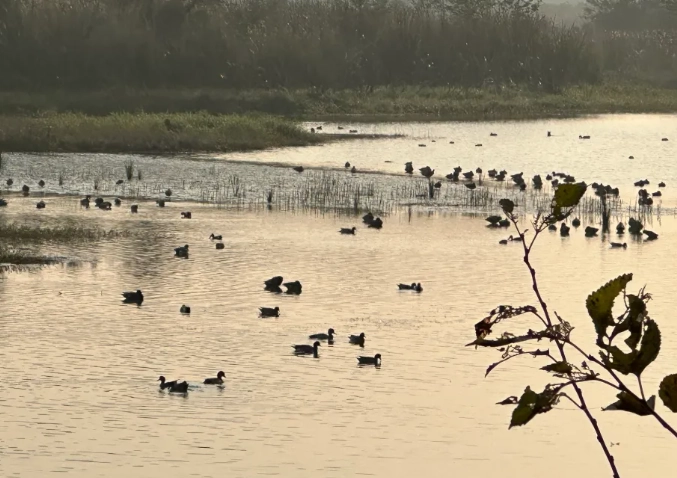
Okay, enough with the doom and gloom. Because here's the thing: the same study that found the loss of 3 billion birds also showed that where we have invested in conservation, it works. Waterfowl (ducks and geese) populations have actually increased by over 50% since 1970. Why? Because hunters, governments, and NGOs poured money and effort into protecting and restoring wetlands. It's proof that we can turn the tide.
So, what can one person do? A lot, actually. Your backyard (or balcony) can become part of the solution.
Your Personal Action Plan
You don't need to be a scientist or have 100 acres. Start here.
Make Your Space a Bird Haven
- Plant Native: This is the single best thing you can do. Native plants support native insects, which support birds. Swap out some lawn for native shrubs, flowers, and trees. A native oak supports over 500 species of caterpillars. A non-native ginkgo? Almost none. Check with your local native plant society or extension service for ideas.
- Reduce Pesticides: Let go of the perfect, insect-free lawn. Accept a few chewed leaves. It means life is happening. If you must treat, seek targeted, organic options.
- Provide Water: A simple birdbath (clean it regularly!) is a magnet for birds, especially in summer and winter.
- Feed Responsibly: Bird feeders are great for observation, but they're like fast-food supplements. The real meal is the habitat you create. If you do feed, keep feeders clean to prevent disease spread.
Make Your Home Safer
- Prevent Window Strikes: Apply decals, tape, or screens to the outside of your windows to break up reflections. Move feeders either within 3 feet of the glass (so a startled bird can't build up lethal speed) or more than 30 feet away.
- Keep Cats Indoors: I know, I know. It's a tough ask for some. But it's better for the cat (safer from cars, disease, fights) and dramatically better for wildlife. If you're passionate about birds, this is a non-negotiable. Build a "catio" if they crave the outdoors.
Think Bigger: Support and Advocate
- Support Conservation Groups: Organizations like the National Audubon Society, the American Bird Conservancy, and local land trusts are on the front lines of habitat protection and policy work.
- Be a Citizen Scientist: Participate in projects like the Cornell Lab's Project FeederWatch or the Great Backyard Bird Count. Your observations become valuable data.
- Vote and Speak Up: Support policies and leaders who prioritize clean energy, habitat protection, and strong environmental laws like the Migratory Bird Treaty Act. Let your representatives know you care about birds.
It starts with noticing the silence. Then it moves to planting a native flower. It grows from there. We can answer the question of where did all the birds go not just with reasons, but with a roadmap to bring some of them back.
Common Questions About Disappearing Birds
I get a lot of the same questions from people who are just starting to notice the change. Here are some straight answers.
Is it just my imagination, or are there really fewer birds?
It's not your imagination. The scientific data from multiple, long-term monitoring programs (like the Breeding Bird Survey and the Christmas Bird Count) consistently shows widespread, significant declines across many species and habitats. Your personal observation is sadly correct.
What birds are declining the most?
As the table showed, grassland birds (meadowlarks, sparrows) and shorebirds (sandpipers, plovers) are in the most dire straits. But even common birds like juncos, grackles, and even the beloved red-winged blackbird have lost tens of millions of individuals. It's a broad-based decline.
Can bird feeders actually help?
They can, but with caveats. Feeders provide supplemental energy, especially in winter, and they connect people to birds, which fosters care. However, they are not a solution to habitat loss. A yard with a feeder but no native plants, water, or safe glass is like a gas station in a food desert. The birds can refuel, but they can't live there. Focus on habitat first, feeders second.
I live in a city/apartment. What can I do?
Plenty! You can use window treatments to prevent collisions. You can grow native plants in containers on a balcony—milkweed for monarchs, native asters for bees. You can provide a water dish. You can support local parks that incorporate native landscaping. And you can be a powerful advocate in your urban community for bird-friendly building guidelines and green spaces.
Is there any good news?
Yes. As mentioned, waterfowl populations are a conservation success story. Birds of prey like bald eagles and peregrine falcons have made incredible comebacks after the banning of DDT. The Act. These successes prove that when we identify a problem and apply resources and political will, we can fix it. The current crisis is bigger and more complex, but the blueprint for success exists.
Last spring, I planted a small patch of native coneflowers and milkweed in a sunny corner of my yard. It wasn't much. But by mid-summer, it was buzzing with bees and wasps. Then I saw a female goldfinch plucking the seed fluff for her nest. A little later, a monarch caterpillar appeared on the milkweed. It felt like a tiny victory. I had created a little hub of life. It's a start.
The question "where did all the birds go" is a warning siren. But it doesn't have to be an epitaph. It can be a call to pay attention, to care, and to act. We created this problem through a thousand small choices. We can begin to fix it with a thousand better ones. Start by listening to the silence, and then decide to fill it.
Reader Comments