I remember my first trip to Italy with a bird checklist. I had a printout from some website, a pair of decent binoculars, and a head full of dreams about Hoopoes and Bee-eaters. I landed in Rome and immediately wondered—where do I even start? The Colosseum wasn't exactly teeming with raptors (though the city's parks hold surprises). That trip taught me a hard lesson: an Italy bird checklist isn't just a species roster. It's a planning tool, a field companion, and the key to unlocking one of Europe's most diverse avian landscapes, from Alpine peaks to sun-baked Mediterranean islands.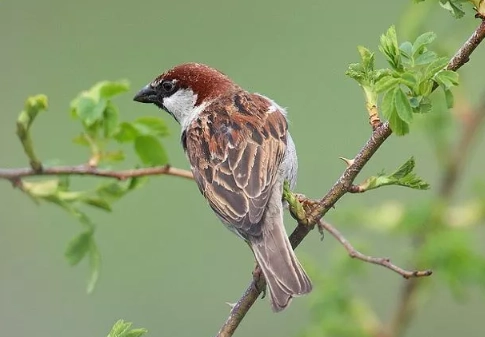
Quick Navigation: Your Italy Birding Guide
What a Good Italy Bird Checklist Really Does
Most free checklists you find are just alphabetical lists of 500+ species. Overwhelming and useless in the field. A functional checklist should help you filter. It should tell you not just what might be there, but where and when you're likely to see it.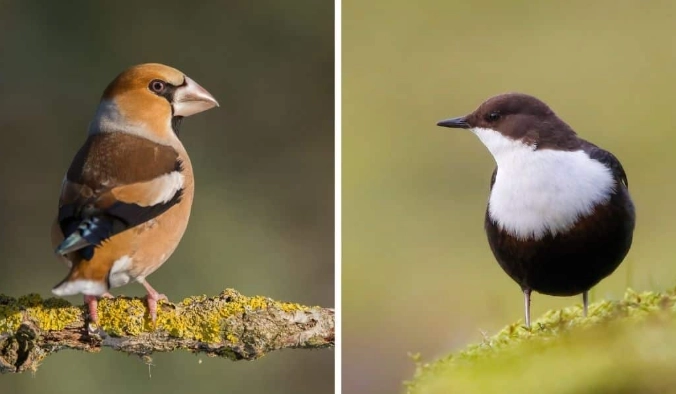
Is that bird a common resident or a rare vagrant? Is it only in the Alps, or widespread? Does it pass through in March or stick around until September? Your checklist needs context. For instance, knowing that the stunning European Roller is a scarce summer visitor mainly to the agricultural plains of Apulia and Basilicata (and nearly absent north of Rome) saves you hours of fruitless searching in the wrong place. That's the power of a good list.
Italy's Top Birding Regions: A Location Guide
Italy's boot shape means habitats change drastically over short distances. You can't cover it all in one trip. Your checklist should be tailored to the region you're visiting. Here’s a breakdown of the major zones, what makes them special, and practical info to plan your visit.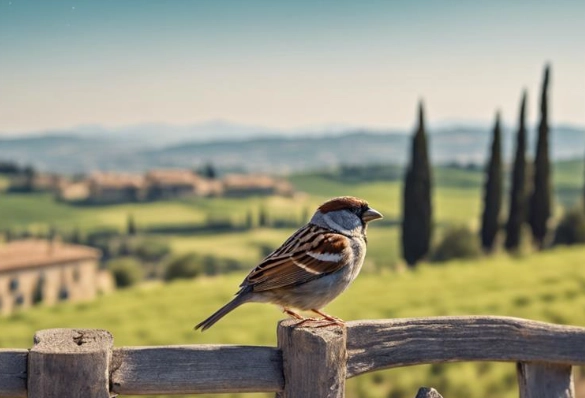
| Region & Key Areas | Habitat & Key Birds | Best Time to Visit | Access Tips |
|---|---|---|---|
| The Alps (Dolomites, Stelvio Pass, Gran Paradiso) |
High meadows, cliffs, coniferous forest. Look for Golden Eagle, Alpine Chough, Wallcreeper (on cliffs), Citril Finch, Rock Ptarmigan. | June to August (for high-altitude species). May-June for lower forest birds. | Many areas accessible by cable car or high-mountain roads (Stelvio Pass). Hiking required for best spots. Check road openings in spring/fall. |
| Po Delta & Northern Wetlands (Po Delta Park, Valli di Comacchio, Lake Maggiore) |
Vast wetlands, lagoons, reedbeds. A migration superhighway. Greater Flamingo, Collared Pratincole, Black-winged Stilt, herons, terns, and thousands of ducks in winter. | Spring (Apr-May) and Autumn (Aug-Oct) for migration. Year-round for residents. | Visitor centers at Po Delta Park offer maps and boat tours (e.g., at Comacchio). Boardwalks and hides are plentiful. A scope is highly recommended here. |
| Central Mediterranean Scrub & Coast (Maremma Regional Park, Circeo NP, coastal Tuscany) |
"Macchia" scrub, coastal pinewoods, cliffs. Home to Sardinian Warbler, Subalpine Warbler, European Shag, Thekla's Lark. Great for raptors like Red Kite. | Spring is explosive with song. Autumn also good. Summers can be hot and quiet. | Maremma Park has marked trails and limited car access—plan ahead. Circeo has great forest and wetland mix. These are often regional parks with small entrance fees. |
| The Apennines (Abruzzo NP, Sibillini Mountains, Gran Sasso) |
Rugged mountains, beech forests, high plains. Stronghold for Apennine Wolf (mammal, but context!), Marsican Brown Bear (rare), and birds like White-backed Woodpecker, Rock Partridge, and Eurasian Eagle-Owl. | Late spring to early autumn. Some roads closed by snow in winter. | Abruzzo National Park has visitor centers in Pescasseroli. Hiking is primary access. A 4x4 is not necessary for main birding sites. Local guides invaluable for finding owls and woodpeckers. |
| Sicily & Sardinia (Sicilian wetlands, Sardinian cliffs and maquis) |
Island endemics and African influences. Target Sicilian Rock Partridge (endemic), Corsican Finch (Sardinia/Gran Sasso), Eleonora's Falcon (late summer), Barbary Partridge (Sardinia), Egyptian Vulture (rare, Sardinia/Sicily). | Spring for breeding birds. August-October for Eleonora's Falcon migration spectacle. | Rental car essential. For rare species like Egyptian Vulture, research specific locations like the Gennargentu massif (Sardinia) or Nebrodi Park (Sicily) and consider a local guide. |
How to Use This Italy Bird Checklist Effectively
Don't just tick boxes. Engage with the list.
Before You Go: Filter your master list down to a "target list" for your specific region and season. Use resources from the Italian League for Bird Protection (LIPU) – their website has reserve guides. Cross-reference with eBird's "Explore" tool for recent sightings in the areas you'll visit. This tells you what's actually being seen right now, not just what's theoretically possible.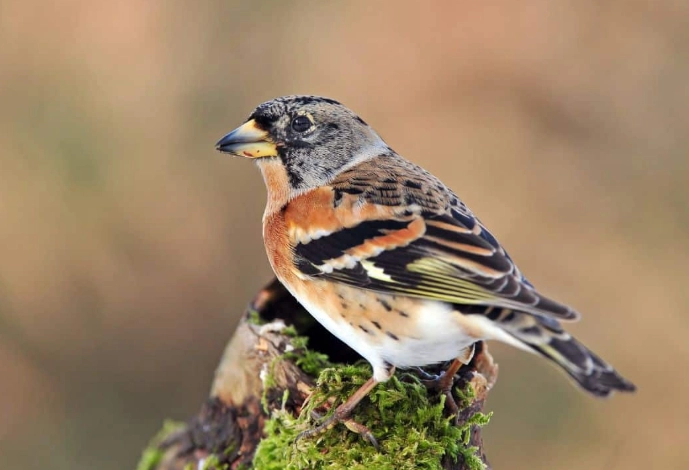
In the Field: Note more than a tick. Jot down the location, date, and a brief habitat note next to the species. Was that Cirl Bunting singing from an olive tree or a vineyard wire? This turns your checklist into a personal journal and helps you learn patterns. I use a simple notebook alongside the eBird app—the app for data, the notebook for memories and details.
Gear Up Right: Your checklist needs support. 8x42 binoculars are the sweet spot for the varied light conditions. A spotting scope is a luxury in woodlands but a necessity in the Po Delta or coastal lagoons. A field guide like "Collins Bird Guide" covers all European species. And pack a hat, sunscreen, and a reusable water bottle—Mediterranean sun is no joke.
The Sound is Half the Battle
In dense scrub or beech forest, you'll hear 80% of the birds before you see them. Before your trip, spend time on websites like Xeno-canto learning the songs of common warblers (Sardinian, Subalpine, Dartford), the fluty call of the Golden Oriole, and the rattling song of the Woodchat Shrike. Recognizing the monotonous song of the Cirl Bunting in a farmland hedge will make you find it every time.
What are the Must-See Birds in Italy?
Every birder's list is different, but some species embody the Italian avifauna. Here’s a non-ai, experience-based shortlist.
The Icons (Widespread but Special): The European Bee-eater is a flying jewel. Look for them on telephone wires near river valleys from May. The Hoopoe, with its crown and zebra-striped wings, probes lawns and olive groves. Its "poo-poo-poo" call is unmistakable. The European Roller is harder, but a sighting in the southern plains is unforgettable.
The Scrub Specialists: The Sardinian Warbler is the voice of the macchia—a loud, scratchy chattering from every other bush. The male's black cap and red eye-ring are sharp. The Subalpine Warbler (grey with a red throat) prefers slightly taller scrub. Listen for its fast, scratchy warble.
The Mountain Royals: Spotting a Wallcreeper on a limestone cliff in the Dolomites is a lifetime highlight—a mouse-sized bird with crimson wings fluttering like a butterfly. In the high Alps, the Alpine Chough acrobats around mountain huts, utterly fearless.
The Wetland Wonders: The Greater Flamingo colony in the Po Delta is a shock of pink against the grey lagoon. They're now year-round. In spring, the Black-winged Stilt and Collared Pratincole breed on open mudflats, offering fantastic photographic opportunities.
Avoiding Common Checklist Pitfalls (From Experience)
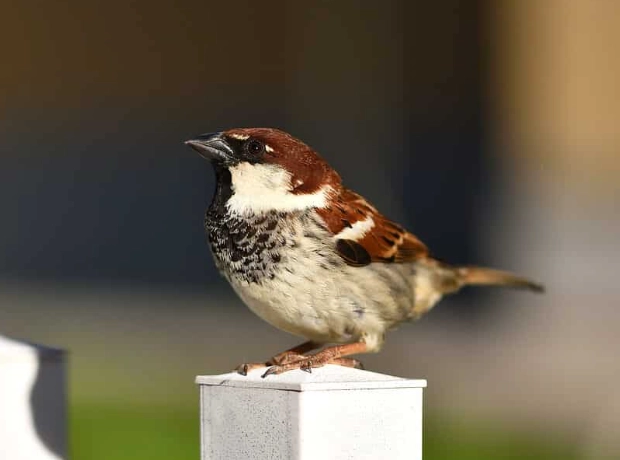
Chasing rarities and ignoring common birds is a classic error. The common birds are Italy. The serenade of Italian Sparrows in a piazza, the Common Swift screaming over rooftops at dusk—these set the scene. Your checklist should celebrate them too.
Another pitfall: not checking access rules. Many wetlands and reserves are protected. You can't just wander everywhere. Always look for official trails, boardwalks, and hides. Places like the Orbetello Lagoon have specific observation points. Respecting these rules ensures the birds remain and you don't get a fine.
Finally, don't be a slave to the list. Some of my best Italian birding moments weren't ticks: watching a family of Red-footed Falcons hawking insects at dusk, or the simple pleasure of a Crested Lark singing on a warm stone wall. Let the checklist guide you, not dictate to you.
Your Italy Birding Questions Answered
Your Italy bird checklist is the start of the conversation, not the end. It gets you looking in the right places, at the right time, for the right birds. But the real magic happens between the ticks: the smell of the macchia after rain, the echo of a cuckoo in an Apennine valley, the satisfaction of finally identifying that warbler by its song. Print it, download it, scribble in the margins. Let it be your guide to discovering Italy's wilder side, one feather at a time.
Reader Comments