You look out across the endless red dunes of Sossusvlei, the dry air shimmering with heat. It feels empty, silent, a place where life struggles. That's the first mistake most birders make here. The Namib Desert isn't empty. It's a specialist's arena, home to birds that have cracked the code of surviving one of the planet's oldest and driest deserts. Forget the lush waterholes of Etosha for a moment. Birding here is a subtler, more rewarding game of spotting masters of adaptation. This guide isn't just a list. It's about how to see them, where to go, and the small details that separate a frustrating hot drive from an unforgettable sighting.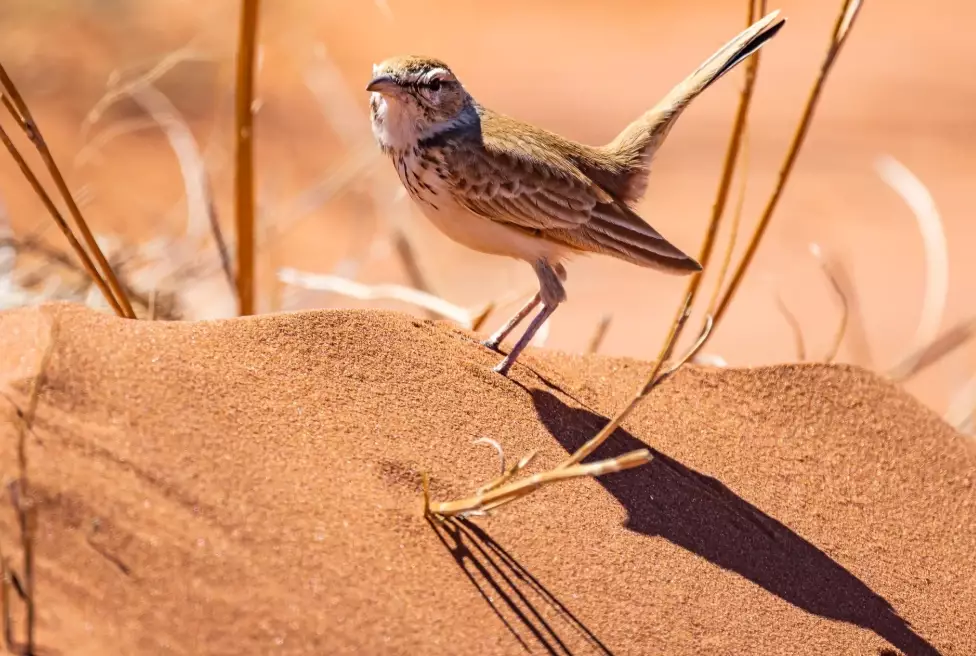
Your Quick Guide to Desert Birds
The Namib's Signature Bird Species
Let's talk about the stars. These aren't just birds you might see; they're the ones you come to the Namib for. They define the experience.
The Dune Lark: The Desert's Own
If any bird is the spirit of the central Namib, it's the Dune Lark (Calendulauda erythrochlamys). It's endemic, meaning it lives nowhere else on Earth. I've spent hours watching them. They don't just live on the dunes; they are part of them. Their sandy-brown plumage is perfect camouflage. You'll rarely see them perched high. They forage on the ground, picking seeds and tiny insects from between the grass clumps on the dune faces. Listen for a soft, descending whistle. The best tactic? Sit quietly at the base of a dune near Sossusvlei around dawn. Movement low to the ground gives them away.
Gray's Lark: The Mirage Master
Another endemic, Gray's Lark (Ammomanopsis grayi), prefers the gravel plains. This bird takes camouflage to an art form. When it freezes, it literally vanishes against the stony ground. The first time I successfully identified one, I felt a real thrill. They run, they don't hop. Look for a small, upright pale bird with a fine bill, often near small bushes. Their call is a distinctive, sharp "prrrt" sound. They're common around the plains of the Namib-Naukluft Park, but you have to get your eye in.
Other Key Desert Adaptors
The larks get the fame, but other species are just as fascinating.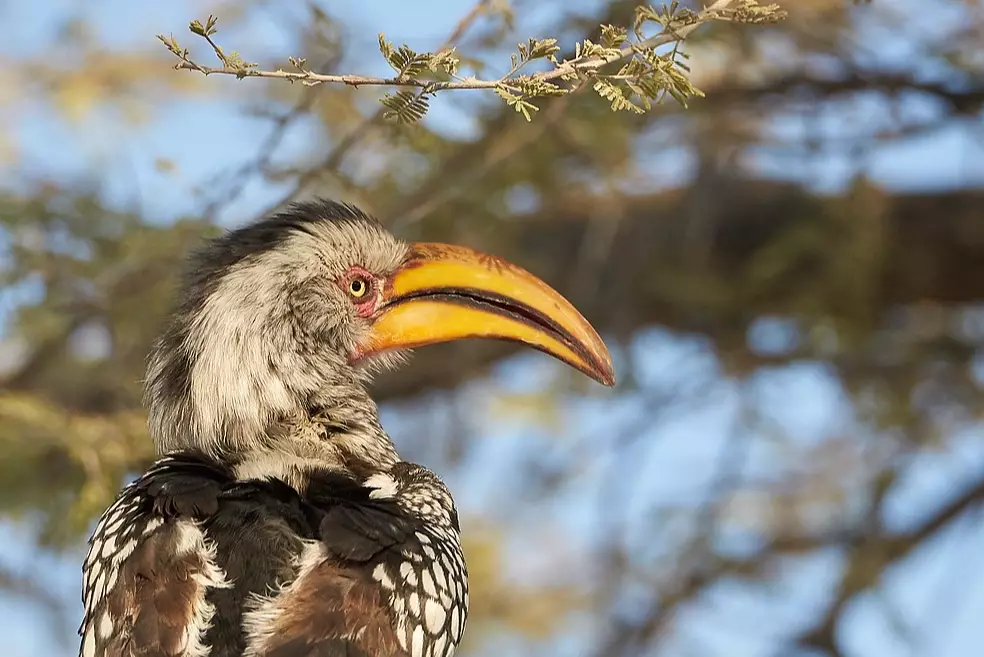
- Rüppell's Korhaan (Eupodotis rueppellii): A bustard that thrives in arid scrub. You'll often see them standing sentinel on a small rise. Their dramatic, tumbling display flight is something to witness.
- Tractrac Chat (Emarginata tractrac): A confident little bird, often seen on fence posts or rocks. Its black face mask and white shoulder patches make it easy to ID. It's an insect-eater, sallying out from its perch.
- Bare-cheeked Babbler (Turdoides gymnogenys): Found in the dry riverbeds (omurambas) of the northern Namib, like near Twyfelfontein. They're noisy, social birds moving in groups through the acacia thornveld, a stark contrast to the solitary larks.
Pro Tip: Don't ignore the "common" birds. Pale Chanting Goshawks perched on roadside poles are a classic Namib scene. Namaqua Sandgrouse flying at high speed at dawn to water are a lesson in desert survival. They all tell the story.
Where and When to Find Desert Birds
Location is everything. The Namib isn't one habitat. It changes, and the birds change with it.
| Location / Region | Key Species to Target | Best Time of Day & Notes |
|---|---|---|
| Sossusvlei & Namib-Naukluft Park | Dune Lark, Gray's Lark, Tractrac Chat, Rüppell's Korhaan, Bokmakierie | Dawn to Mid-Morning. Birds are active before the heat. Drive slowly, stop often, scan dune bases and plains. |
| Swakopmund & Walvis Bay Wetlands | Greater & Lesser Flamingo, Chestnut-banded Plover, Damara Tern, myriad waders | All day, but tide-dependent. The lagoon is an oasis. Check tide charts for wader viewing. Guided kayak tours for pelagics. |
| Northern Namib (Twyfelfontein, Ugab River) | Bare-cheeked Babbler, Monteiro's Hornbill, Rüppell's Parrot, Rosy-faced Lovebird | Early Morning. Focus on dry river courses with larger trees. This is a more "bushy" desert environment. |
| Spreetshoogte Pass & Central Highlands | Luderitz Bustard, Karoo Chat, various raptors like Verreaux's Eagle | Late Afternoon. Higher, cooler terrain. Good for roadside birding from your car. |
Timing your trip matters. The cooler winter months (May to September) are generally best for birding overall—comfortable temperatures and less vegetation. But summer (November to April) brings migratory Palearctic birds to the coast and can trigger breeding plumage and activity, despite the heat. You just have to work the cooler parts of the day harder.
I made the mistake once of arriving at a dune at noon. Saw nothing but heat haze. Now, I'm in the park gate at sunrise. The difference is night and day.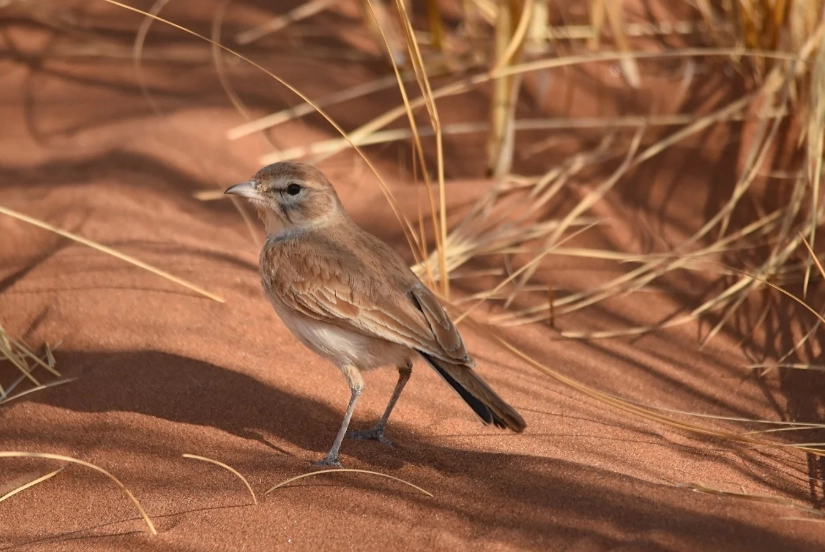
How to Bird in the Desert: Gear & Strategy
Desert birding demands a different approach. It's not a stroll through a forest.
Essential Gear Beyond Binoculars
Your binoculars are a given (8x42 is a sweet spot). But what else?
- A Spotting Scope: Non-negotiable for the vast, open spaces. Identifying a distant korhaan or scanning a salt pan for plovers is impossible without one. A car window mount is a game-changer.
- Sound Strategy: A field guide app with playback can be useful, but use it sparingly and ethically. In the desert's silence, a short, low-volume playback can lure a curious Gray's Lark into view. Overdo it, and you stress a bird in a harsh environment. I rarely use it more than once per location.
- The Right Clothing & Supplies: A wide-brimmed hat, high-SPF sunscreen, and liters of water in the car. I pack a small cooler. Dehydration ruins concentration. Neutral-colored clothing (tans, browns, greens) helps you blend.
The Art of Looking
Slow down. Drive at 30-40 km/h on gravel roads. Stop every few kilometers, get out, and just listen. Scan the horizon for perched raptors. Get your scope out and systematically scan a plain. Look for slight movements at ground level. Most desert birds are low—they don't have the luxury of tall trees.
Focus on microhabitats: the base of a specific bush, a lone rock on a plain, the edge of a dry riverbed. Life concentrates where there's the slightest advantage.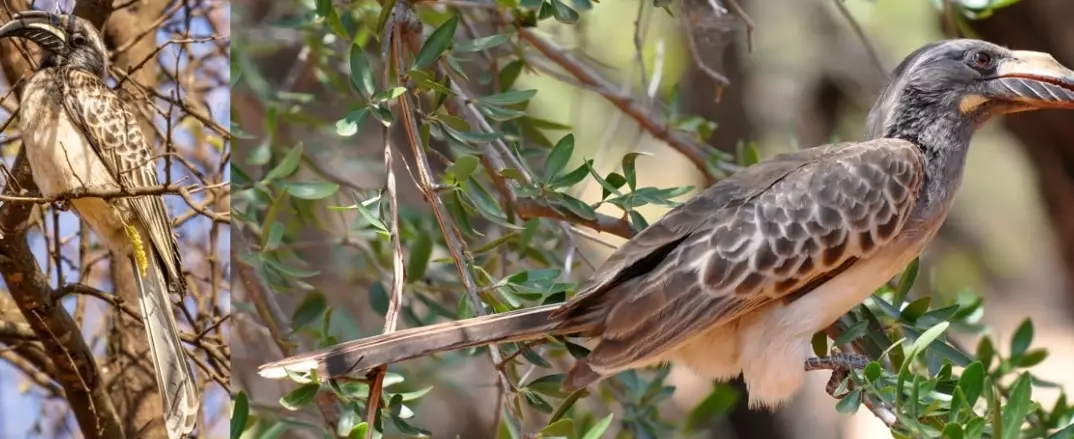
Common Mistakes (And How to Avoid Them)
Here’s where experience talks. I've seen these errors time and again.
Mistake 1: Chasing the Big Birds Only. Everyone wants the ostrich or the massive raptor. The real magic of the Namib is in the small, hyper-specialized species. Spend dedicated time looking for the larks and chats. They reveal the desert's secrets.
Mistake 2: Underestimating the Coast. Dismissing Swakopmund as just a town is a huge miss. The wetland complex here, documented by conservation bodies like BirdLife International as an Important Bird Area, is one of Africa's most spectacular. The contrast between desert and lagoon is surreal.
Mistake 3: Poor Light Discipline. The midday sun washes out all color and detail. Your best photography and viewing happens in the golden hours. Plan your drives so you're at key birding locations at dawn or late afternoon. Use the harsh midday for travel between areas or a rest.
Mistake 4: Not Getting Local Intel. Talk to the staff at your lodge. Guides often know about a resident pair of Rüppell's Parrots or a recent sighting of a less common species. This on-the-ground info is gold.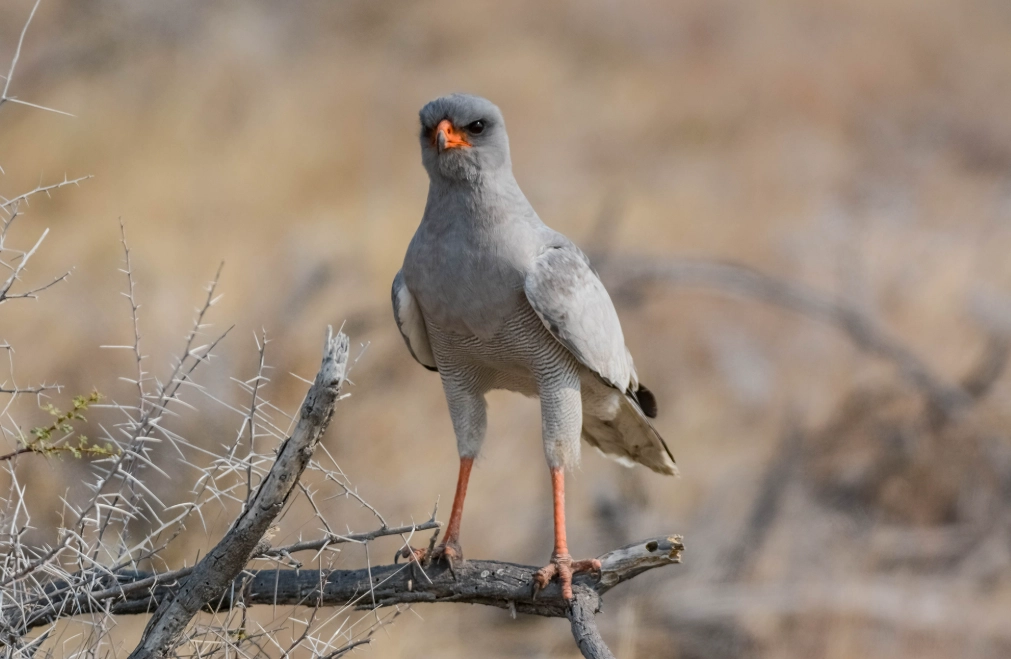
Desert Birding Questions Answered
 The Namib Desert will challenge your birding skills. It asks for patience, sharp eyes, and an appreciation for subtlety. But when you finally lock your scope on a well-camouflaged Gray's Lark or watch a Dune Lark vanish into its sandy home, you're not just ticking a box. You're witnessing a masterclass in survival. That’s the real reward.
Reader Comments