You hear a thin, buzzy little call from the oak canopy. You look up, scanning the leaves. Something small and grayish flits past—was it a chickadee? A warbler? You raise your binoculars just in time to see a tiny, long-tailed bird performing acrobatics on a twig, its white-edged tail flicking constantly. Congratulations. You’ve just met the Blue-gray Gnatcatcher (Polioptila caerulea). This bird is common across much of North America, yet it remains frustratingly elusive for many birders. It’s not shy; it’s just small, fast, and often high in the trees. After a decade of chasing them from Texas to Ontario, I’ve learned that seeing one is easy, but truly observing one requires a shift in strategy. This guide cuts through the generic facts to give you the field-tested tactics for turning fleeting glimpses into satisfying encounters.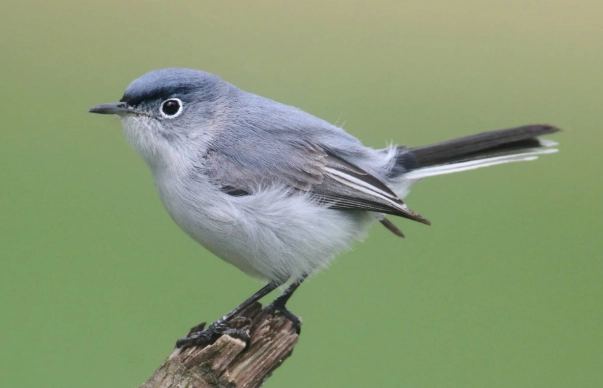
What’s Inside This Guide
Mastering Blue-gray Gnatcatcher Identification
Most guides start with plumage. I’m starting with behavior. If you wait for perfect looks at soft blue-gray feathers, you’ll miss 90% of your IDs. The gnatcatcher’s personality is its most reliable field mark.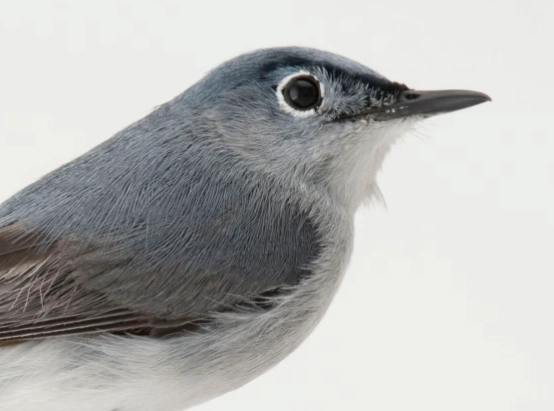
Forget Color, Watch the Action
Imagine a hyperactive sprite fueled by espresso. That’s your baseline. They almost never sit still. The constant, frantic tail-flicking is a dead giveaway—it’s not a gentle wag, but a sharp, sideways snap that flashes the stark white outer tail feathers. They forage like miniature flycatchers, making short sallies to pluck insects from the air or leaf surfaces, then zipping back to a perch. This non-stop motion is your first clue.
The Visual Details (When You Finally Get a Look)
Once behavior has narrowed it down, confirm with these features. Remember, lighting changes everything. In bright sun, they can look pale gray; in shadow, a soft bluish.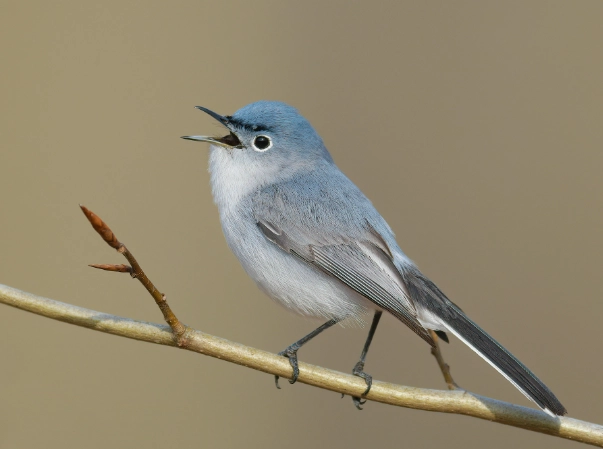
| Feature | Description | Key Differentiator |
|---|---|---|
| Size & Shape | Tiny (4.25 inches), slender, with a very long, thin tail often held cocked. | That disproportionately long, active tail is unique among common small gray birds. |
| Plumage | Soft blue-gray above, pale grayish-white below. A thin white eye-ring. | Lacks strong streaks or wingbars. The black tail with white edges is diagnostic. |
| Bill & Face | Thin, black, pointed bill. Males in breeding season show a distinct black "eyebrow" line. | The thin bill is for insect-catching, not seed-cracking like a sparrow’s. |
The Sound That Gives Them Away
Your ears will find them before your eyes. Their most common call is a high, whiny, nasal “zree” or “spee” that carries surprisingly well. It’s querulous and insistent. In spring, males sing a complex, soft, rambling warble of squeaks and buzzes—it’s not loud, but it’s distinctive once you learn it. I recommend listening to recordings on the Cornell Lab of Ornithology’s All About Birds site before your next outing. This auditory prep work is a game-changer.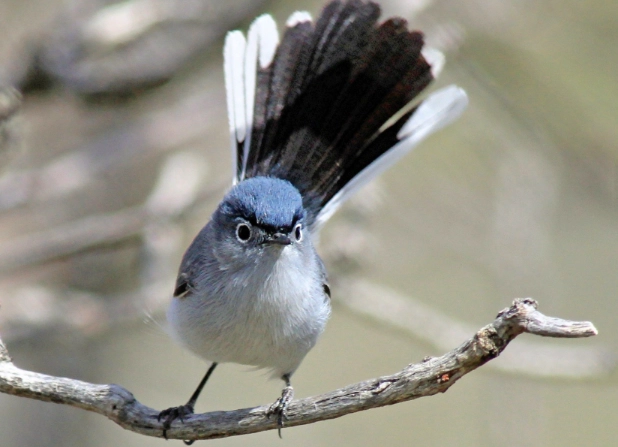
Where and When to Find Them: A Seasonal Roadmap
Their range is vast, but they’re habitat specialists. You won’t find them in deep, dark forests or open grasslands. They’re edge creatures.
Breeding Season (Spring & Summer): Head to dry, open woodlands. Think oak or pine savannas, forest edges, riparian corridors (streamside woods), and even overgrown pastures with scattered trees. They love the interface between open space and canopy. In the eastern US, they’re widespread. Out west, look in canyon bottoms and pinyon-juniper woodlands.
Migration (Spring & Fall): This is when they can pop up almost anywhere with trees, including city parks and backyard hedges. They’re less picky on the move. Check any patch of greenery during peak migration windows (April-May and August-September).
Winter: The population retreats to the southern US, Mexico, and Central America. In places like Florida, Texas, and the Gulf Coast, they’re common winter residents in much the same habitats.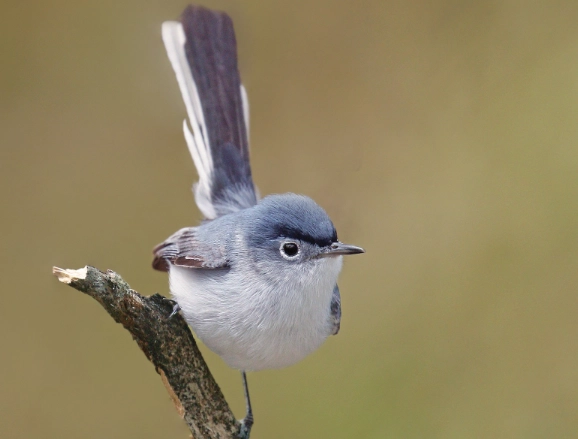
My personal go-to spot? Mature oak woodlands with a decent understory. I’ve had the best luck in the Hill Country of Texas and the oak openings of the Midwest. But last spring, I found one building a nest in a scrubby maple in a suburban Illinois park—proof they adapt.
Your Field Strategy: Gear, Patience, and Hotspots
Finding gnatcatchers isn’t about hiking miles; it’s about strategic observation in the right place.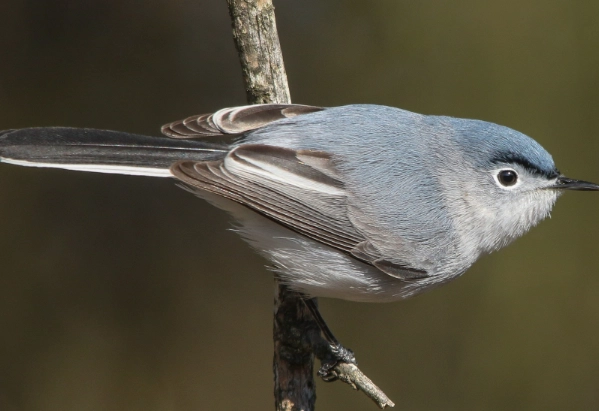
Essential Gear (and What to Skip)
Binoculars: This is non-negotiable. An 8x42 is ideal. You need a wide field of view to track their rapid movements. Don’t cheap out here. A foggy, dim pair will make this task infinitely harder.
Field Guide App: Use Merlin Bird ID or eBird to check real-time sightings. This isn’t cheating; it’s smart scouting. If three people reported gnatcatchers at a local nature preserve yesterday, that’s your destination today.
What to leave behind: Heavy camera gear if you’re just starting. Photographing them is a supreme challenge. Focus on seeing and learning their habits first.
The Art of the Slow Walk and Listen
Walk into a likely habitat and just stop. Listen for that tell-tale “zree.” Once you hear it, don’t charge. Move slowly toward the sound, binoculars ready. Scan the middle to upper branches. Look for movement, not a bird. That flicking tail will catch your eye.
Here’s a tactic few try: find a comfortable spot with a good view of the canopy and sit down for 15 minutes. Birds often resume normal activity once they perceive you as part of the landscape. I’ve had gnatcatchers forage within 10 feet of me using this method.
Leveraging eBird Hotspots Like a Pro
Don’t just look at the map. Dive into the data for a hotspot. On eBird, check the "Bar Charts" or "Species" list for your county. This shows you exactly what months gnatcatchers are present. Then, read the recent checklists. Look for notes like "foraging in willow cluster" or "pair building nest near creek bend." These details are gold. A hotspot isn’t just a pin on a map; it’s a repository of local knowledge.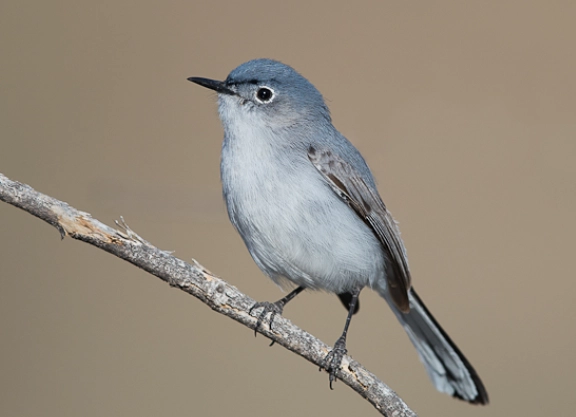
Beyond the Checklist: Understanding Their Behavior
This is where birding gets fascinating. Watching what they do is more rewarding than just ticking a box.
Their nest is a masterpiece. It’s a small, neat cup of plant down and spiderwebs, camouflaged with lichens and anchored to a horizontal tree branch, often high up. They build it over a week, and both sexes participate. Watching them collect spider silk—stretching it like taffy—is a rare treat.
Their "gnatcatching" is aerial artistry. They’ll hover to pluck a bug from a leaf, or dart out to snatch a fly mid-air. Their diet is almost exclusively insects and spiders, which is why they’re strictly warm-weather birds in the north.
I once spent an hour watching a pair mob a much larger Blue Jay that ventured too close to their nest. The sheer audacity of these five-gram birds dive-bombing a predator ten times their size was a lesson in avian courage.
Reader Comments