You hear it first—a rapid, staccato drumming echoing through the woods, or maybe a sharp "*peek!*" from a tree in your backyard. That's your cue. North America is home to a fascinating crew of woodpeckers, 23 species strong, each with its own quirks, fashion sense, and job description in the forest. From the crow-sized Pileated to the sparrow-sized Downy, these birds are more than just noisy neighbors. They're master carpenters, insect exterminators, and keystone species that shape entire ecosystems.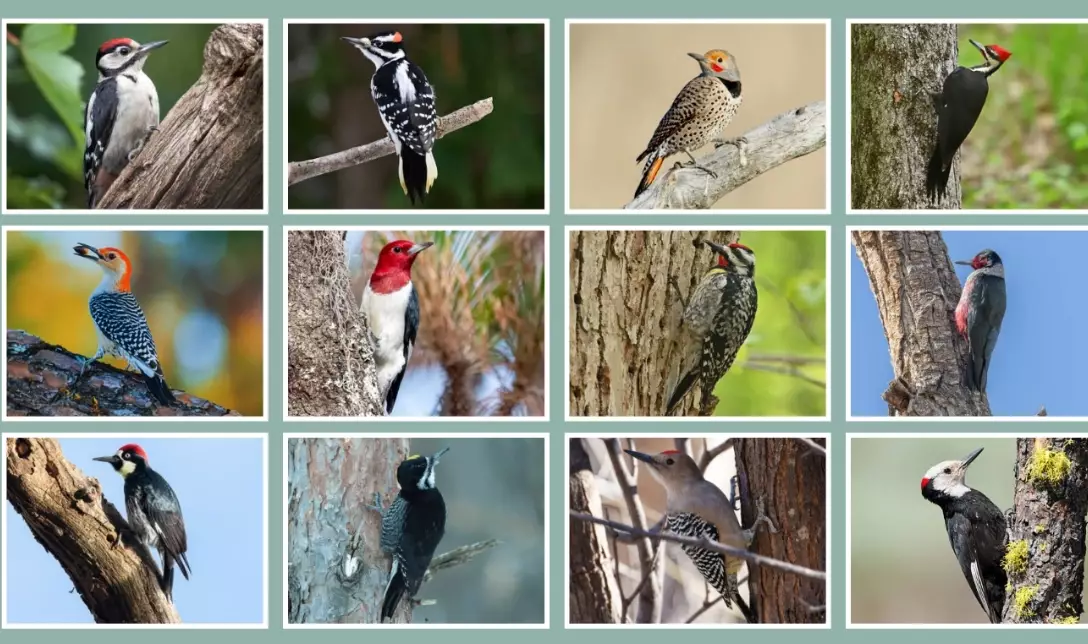
I've spent over a decade chasing their sounds and studying their holes. The biggest mistake beginners make? Trying to identify them by color pattern alone. You'll miss so much. Sound, behavior, and even the shape of the hole they leave behind are the real keys.
Your Quick Guide to North America's Woodpeckers
The "Big Four" Backyard Regulars (You've Probably Seen These)
Let's start close to home. If you have trees nearby, chances are you've hosted one of these characters. They're adaptable, widespread, and the most likely visitors to a suet feeder.
Downy Woodpecker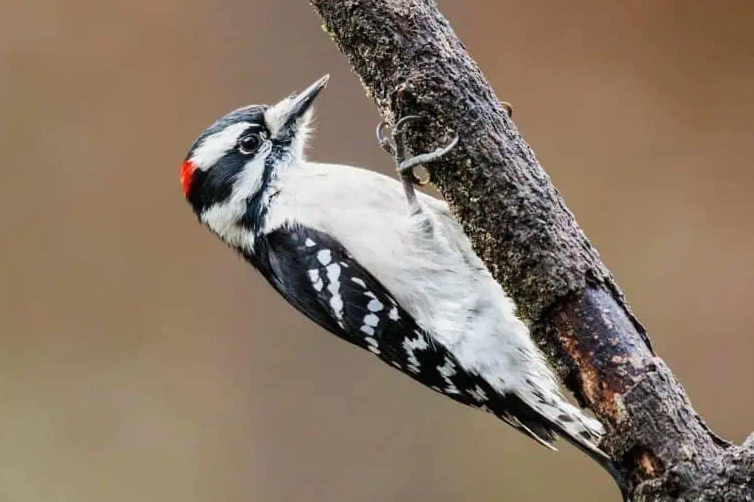
The tiny ambassador. Black and white checkered back, bold white stripe down the middle, and that classic woodpecker silhouette in a package barely bigger than a House Sparrow. Males have a red patch on the back of the head. Their call is a soft, descending "pik" and a cheerful, rapid whinny. They love suet but also flutter through weed stalks for insects. You'll find them everywhere—city parks, suburban yards, deep woods.
Hairy Woodpecker
The Downy's doppelgänger, but don't let that fool you. It's nearly robin-sized. The bill is the dead giveaway—long, chisel-like, almost as long as the head is wide. Its call is a loud, sharp, piercing "*PEEK!*" with more authority. While they look similar, their foraging style differs. Hairies often work larger branches and tree trunks, hammering more forcefully. That "looks like a Downy but feels bigger" impression is usually right.
Hairy vs. Downy: The Cheat Sheet
Stuck? Here’s the quick comparison I teach in my birding workshops:
| Feature | Downy Woodpecker | Hairy Woodpecker |
|---|---|---|
| Size | Sparrow-sized (6-7") | Robin-sized (9-11") |
| Bill | Short, dainty, ~½ head width | Long, robust, ~full head width |
| Call | Soft "pik", gentle whinny | Loud, sharp "PEEK!" |
| Outer Tail Feathers | Usually have small black spots | Typically pure white |
Northern Flicker
The ground forager. This breaks all the woodpecker rules. You're as likely to see one hopping on your lawn for ants as clinging to a tree. Brown-barred back, black bib, spotted belly. In flight, a brilliant flash of yellow (East) or salmon-red (West) under the wings and tail. Their call is a loud, ringing "*klee-yer!*" and they have a crazy, manic laugh. They rarely use feeders but might visit for suet or nuts in a platform.
Red-bellied Woodpecker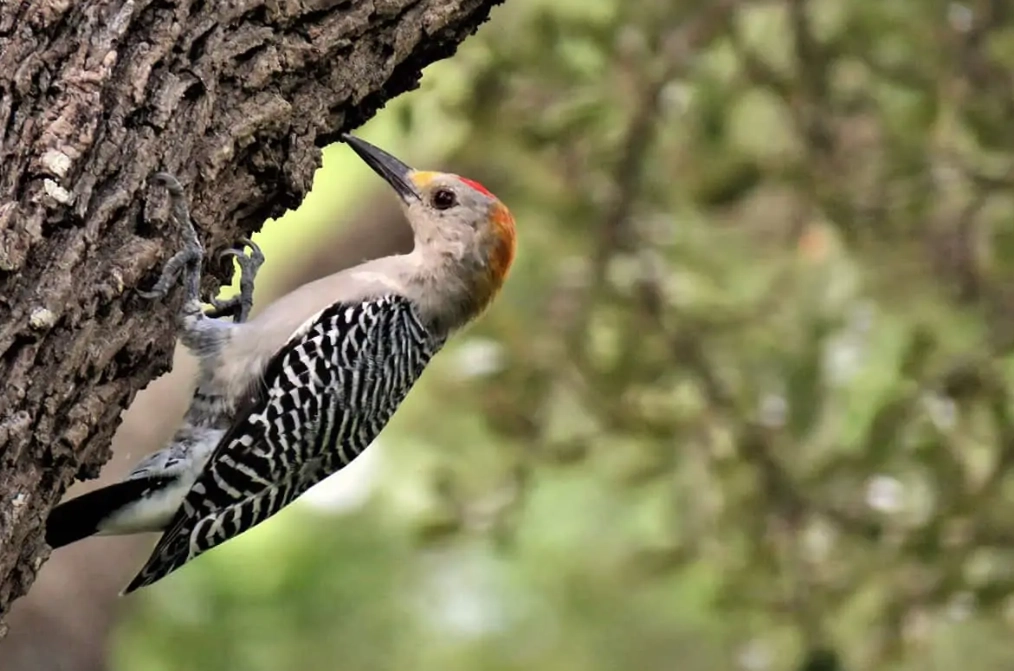
The misnamed climber. That faint blush of red on its belly is hard to see. You'll know it by the brilliant red cap (full cap on males, just nape on females) and the intricate black-and-white "ladder" pattern on its back. Its call is a rolling "*churr-churr-churr*." This species has marched northward dramatically in recent decades. They're vocal, bold at feeders (loves suet, peanuts, even sunflower seeds), and their undulating flight is distinctive.
How to Identify Woodpeckers by Sound and Sight (Beyond the Field Guide)
Photos only get you halfway. In the dim understory or when a bird is hidden, sound is everything.
**Drumming isn't random.** It's a territorial and courtship display. Each species has a different tempo and pattern. A Pileated's drum is slow, powerful, and trails off. A Downy's is a fast, even roll. A sapsucker's is irregular, like Morse code.
**Look at the holes.** A pileated excavation is massive, rectangular, and deep, often at the base of a tree. A sapsucker's work is neat rows of small, sap-filled wells. A foraging hole from a Downy is tiny and shallow.
**Watch the posture.** Does it hitch up the trunk in a straight line (like a Hairy), or spiral around (like a Yellow-bellied Sapsucker)? Does it perch crosswise on a branch like a flycatcher (Lewis's Woodpecker does)?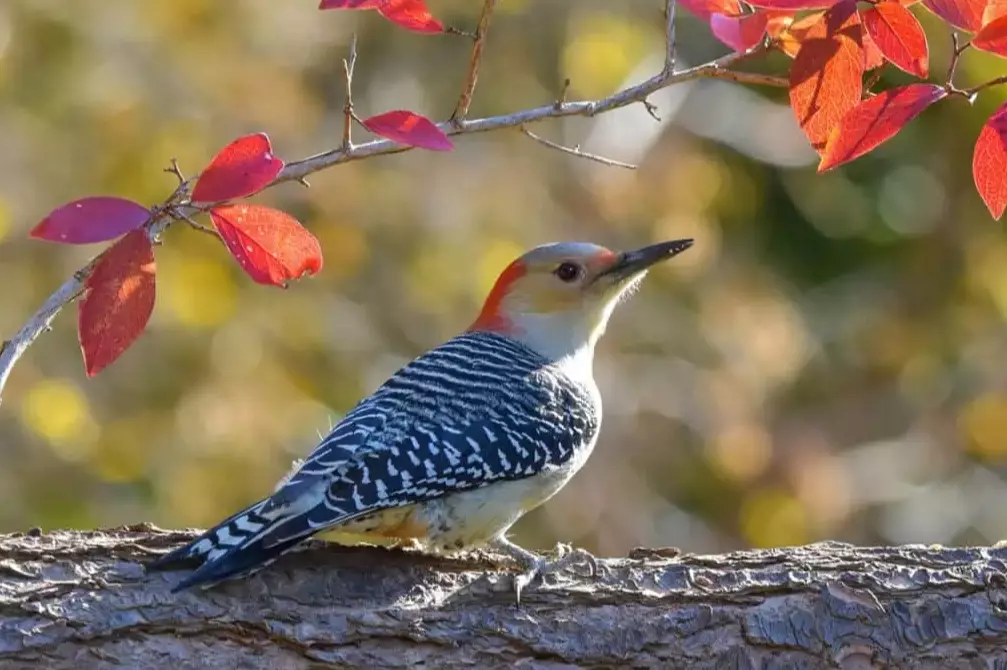
Western Specialties & The Forest Giants
Head west of the Rockies or into the mature forests, and the cast changes. These are the birds that make dedicated trips worthwhile.
Acorn Woodpecker
The clown-faced hoarder. Found in oak woodlands from Oregon to the Southwest. Its white eyes, red cap, and black-and-white face look painted on. They live in loud, social groups and are famous for creating "granaries"—trees, fence posts, even buildings drilled with thousands of holes, each stuffed with a single acorn. The scene is chaotic and hilarious. Their call is a raucous "*ja-cob, ja-cob!*"
Lewis's Woodpecker
The oddball. It looks and acts unlike any other. Dark greenish-black with a pink belly and gray collar. It flies like a crow with slow, deep wingbeats and often hawks insects from a perch like a flycatcher. It's a bird of open pine forests and burned areas in the West. Populations can be erratic, moving around based on food supply.
Pileated Woodpecker
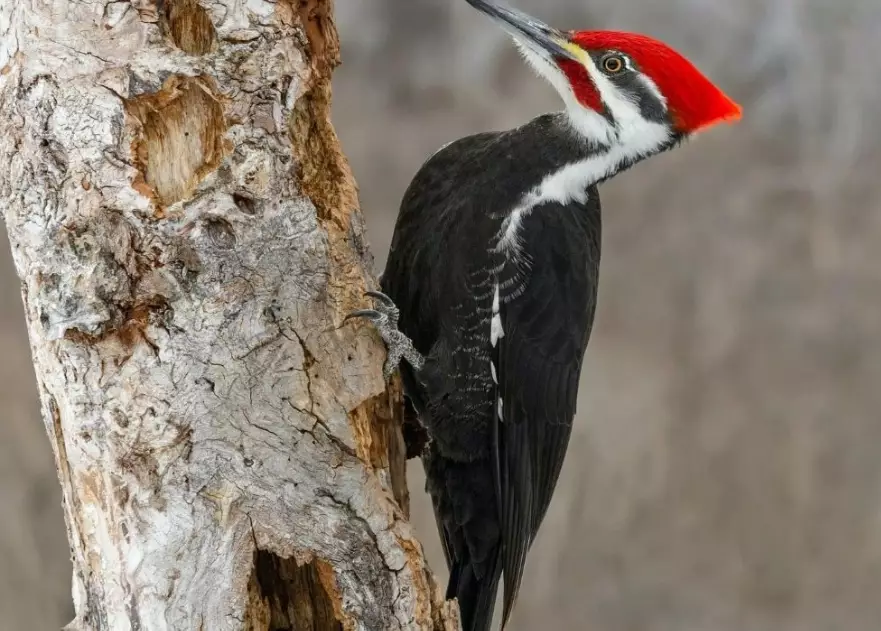
The ivory-billed imposter. This is the one that makes your heart stop. Nearly the size of a crow, with a flaming red crest and a powerful, chisel-like bill. Its presence is announced by loud, wild calls ("*kuk-kuk-kuk-kuk*" or a manic laugh) and the sound of its carpentry, which can sound like someone chopping wood. They create huge, oblong cavities for nesting and to get at carpenter ant galleries. Seeing one fly between trees with heavy, undulating flaps is unforgettable. They're in mature forests across the continent, but are increasingly visiting suburban yards with large trees.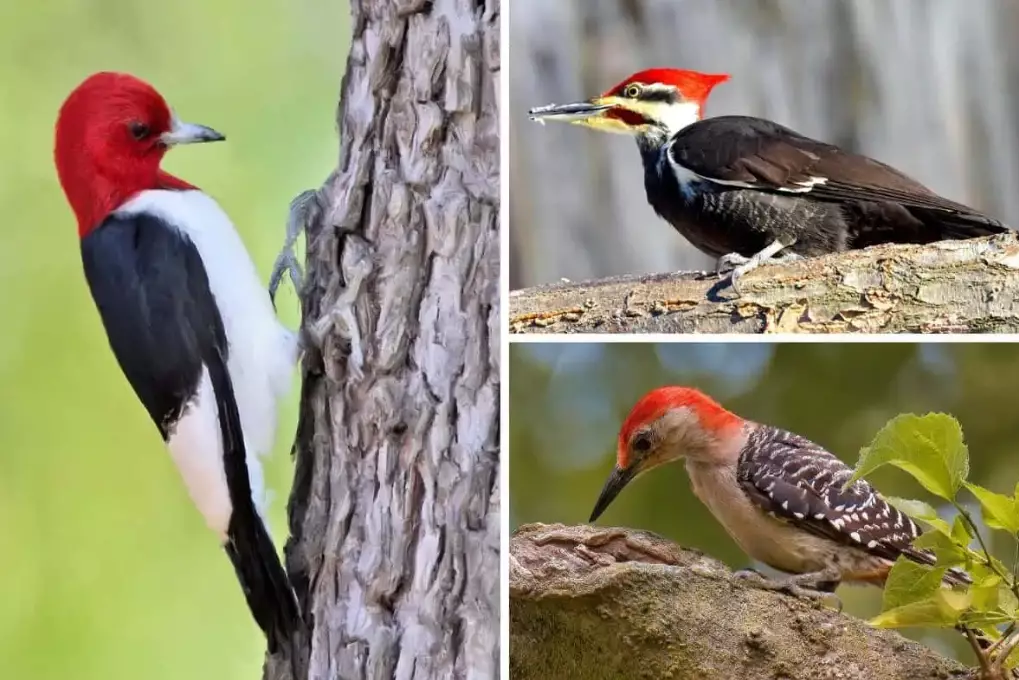
Finding and Attracting Woodpeckers: A Practical Plan
Want more than a fleeting glimpse? It's about offering what they need, not just what's convenient.
Step 1: Audit Your Habitat. Do you have any dead trees or snags? If safe, leave them. They're insect hotels and drumming stations. Mature trees with rough bark are better than young, smooth-barked ones.
Step 2: Offer the Right Food.
- Suet is king. Get plain or insect-based suet cakes. Avoid seed-filled ones; woodpeckers pick around the seeds. I've had the best luck with "peanut butter blend" and "insect delight" cakes. Place the feeder on a tree trunk or a sturdy pole.
- Peanuts in the shell. Offer them in a wire mesh feeder. Red-bellied and Flickers go nuts for them (pun intended).
- Mealworms. A tray of live or dried mealworms is a sapsucker and Downy magnet, especially in spring when they're feeding young.
Step 3: Provide Water. A birdbath, especially one with a gentle drip or mister, is irresistible. Heated birdbaths in winter are a game-changer in cold climates.
Step 4: Know Where to Look. If you're starting from zero, don't wander randomly. Go where the habitat is.
- For Pileateds: Find a large tract of mature forest (state parks are great). Walk quietly and listen for drumming or calls early in the morning. Look for fresh, large rectangular holes at the bases of trees.
- For Sapsuckers: Check mixed forests with birches or maples in spring. Look for trees with neat rows of small holes and sticky sap running down the trunk. The bird is often nearby.
- For Acorn Woodpeckers: Visit oak woodlands in California or Arizona. Listen for the racket and look for granary trees—they're unmistakable.
Check resources from the Cornell Lab of Ornithology for detailed range maps and sound recordings. Local Audubon chapters often have hotspot guides.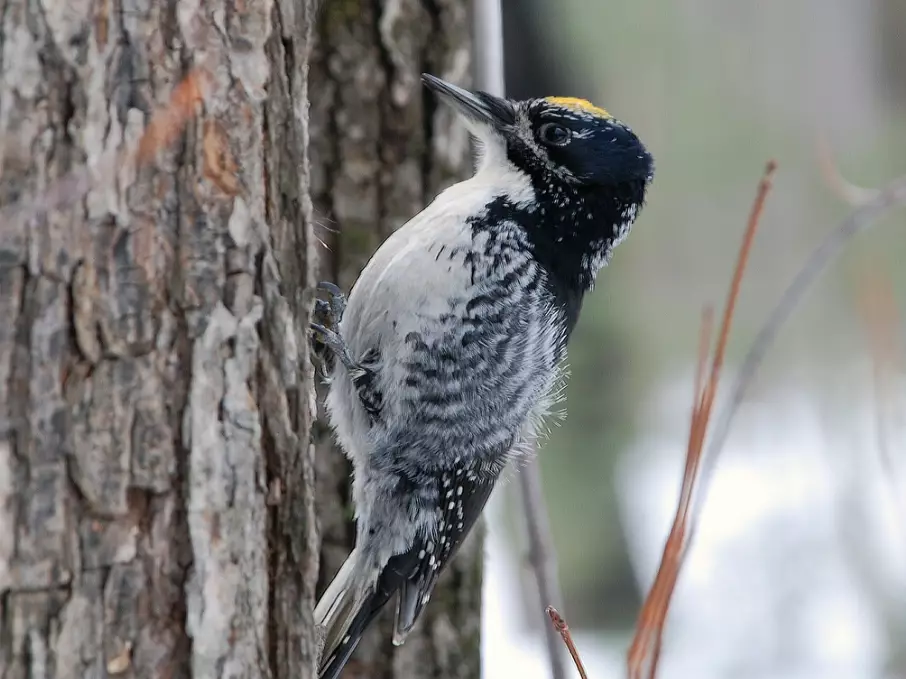
Your Woodpecker Questions Answered
 The drumming will always pull you in. Start with the backyard regulars, learn their sounds, and then let that curiosity lead you further afield. There's a whole world of feathery carpenters out there, each with a story told in taps, calls, and the shape of a hole in a tree.
Reader Comments