Quick Navigation
- The Core Drivers: Why Timing is Everything
- Side-by-Side: A Behavioral Breakdown
- The Practical View: How to Watch Each Season
- Top Locations to Witness the Contrast
- Digging Deeper: Conservation Angles and Challenges
- Your Questions Answered (The Stuff That Really Matters)
- Wrapping It Up: Two Sides of the Same Amazing Coin
If you've ever spent time watching birds, you've probably noticed the hustle and bustle that happens twice a year. One season, there's a frantic race north. The next, a more leisurely journey south. It's easy to just think "birds are moving," but honestly, that's like saying a sprint and a marathon are the same because both involve running. The reality is so much more nuanced, and understanding it completely changed how I experience each season.
So, what is the difference between spring and fall migration? It's a question I get asked all the time, and the answer goes way beyond a simple compass heading. We're talking about two entirely different missions, driven by different hormones, fueled by different strategies, and facing different dangers. One is a desperate, time-sensitive dash for love and real estate. The other is a strategic, survival-focused retreat. Getting this distinction right is the key to becoming a better birder and appreciating the sheer drama unfolding in the skies.
The Core Drivers: Why Timing is Everything
Let's start with the "why." The engines behind these two journeys are fundamentally opposed.
The Spring Urge: Hormones and Real Estate
Spring migration is all about reproduction. It's triggered by lengthening daylight (photoperiod), which kicks the birds' hormonal systems into high gear. The increasing light tells their bodies to start producing sex hormones. This creates an incredible internal drive, an urgency to get to the breeding grounds. And I mean urgency.
It's not just about finding a mate. It's about claiming the best territory. The early bird doesn't just get the worm; it gets the prime nesting spot with the best food sources and the safest cover. A late arrival might mean no territory at all, and thus, no chance to breed that year. The pressure is immense. This is why you'll see birds pushing through less-than-ideal weather in spring. I've seen warblers flying into a headwind that seems to barely slow them down. They're on a mission.
The Fall Shift: Survival and Instinct
Fall migration is the opposite. The trigger is more complex and subtle. It's not just shorter days. For many species, especially young birds on their first journey, the cue is genetic. They just know it's time to go. The urgency of spring is gone. The breeding season is over. The driving force now is the gradual decline of food (insects, nectar, etc.) and the impending threat of winter.
There's no hormonal frenzy pushing them south. Instead, it's a calculated response to environmental cues. The journey is about getting to a place where they can survive, not where they can procreate. This allows for a more flexible timeline. If the weather is bad, they can wait. If a food source is plentiful, they can linger and build up fat reserves. The goal is safe arrival, not speedy arrival.
This fundamental difference in purpose answers a big part of the question what is the difference between spring and fall migration? One is a reproductive sprint, the other is a survival marathon.
Side-by-Side: A Behavioral Breakdown
This difference in purpose plays out in almost every aspect of their behavior. A table makes this really clear.
| Factor | Spring Migration | Fall Migration |
|---|---|---|
| Primary Driver | Hormonal urge to breed; photoperiod. | Survival instinct; food scarcity, genetic programming. |
| Pace & Urgency | Fast, direct, time-sensitive. Often push through poor conditions. | Slower, more meandering. More likely to stop for days in good habitat. |
| Route Fidelity | Generally more direct, using established "flyways" precisely to reach specific breeding sites. | Can be more dispersed. Juveniles on first journey may take broader, exploratory routes. |
| Bird Composition | Mostly adult birds. They know where they're going. | A huge mix: adults + all the new juveniles of the year on their first-ever journey. |
| Physical State | Arrive on breeding grounds in peak condition for courtship and nesting. | Focus is on fattening up for the long journey. May look scruffier as they molt. |
| Vocalization | Very vocal! Males sing on territory and in flight to attract mates and defend stopover sites. | Mostly quiet. Occasional contact calls, but no full song. Makes them harder to find. |
| "Fallouts" | More common. Birds push north, hit a wall of bad weather (like a front), and are forced down in large, concentrated numbers. | Less dramatic. Birds are more willing to wait out bad weather, leading to more dispersed arrivals. |
See what I mean? It's like comparing two different types of travelers. Spring migrants are business travelers with a tight schedule and a critical meeting. Fall migrants are backpackers with a general destination and a flexible plan.
The Practical View: How to Watch Each Season
Because the behaviors are so different, your strategy as a birder should adapt. Here’s my take, based on years of getting it wrong before I figured it out.
Spring Birding: The Spectacle
Spring is showtime. The birds are in their bright breeding plumage (no confusing dull fall warblers here!). They're singing constantly, making them easier to locate. They're also concentrated along predictable routes and in hotspots, driven by that urgency to move. Your best bets:
- Focus on timing: Use tools like BirdCast from the Cornell Lab of Ornithology. Their live migration maps and forecasts are a game-changer for predicting big movement nights and the best mornings to be in the field.
- Hit the hotspots early: Coastal points, peninsulas, and green spaces in urban areas can be magnets when birds are forced down. Be there at dawn.
- Listen: Your ears are your best tool. Follow the song.
Spring is exhilarating but can be frustratingly brief for some species. A wave of certain warblers might pass through your area in just a few days.
Fall Birding: The Puzzle
Fall is for the patient detective. It's a longer, slower season that can last from July (for shorebirds) through November (for raptors and waterfowl). The birds are quieter, often in confusing plumages (especially juveniles and molting adults), and more spread out. Your strategy shifts:
- Focus on habitat: Instead of chasing weather fronts, find reliable food sources. Berry-laden thickets, mudflats for shorebirds, and fields with seed-bearing flowers will hold birds for longer periods.
- Learn juvenile plumage and molts: This is the real challenge and the great reward of fall birding. A sparrow flock isn't just one species; it might be five, including young ones that look nothing like their parents. Resources from the All About Birds guide are indispensable here.
- Think bigger picture: Watch for raptor migrations at mountain ridges or coastal kettles. It's a different scale of movement.
So when considering what is the difference between spring and fall migration from a birder's lens, it's spectacle versus subtlety, audio versus visual, speed versus patience.
Top Locations to Witness the Contrast
Some places are legendary for highlighting these seasonal differences. If you can visit one in both spring and fall, you'll get a masterclass in the comparison.
Spring & Fall Migration Hotspots:- Point Pelee, Ontario (Canada) & Magee Marsh, Ohio (USA): The legendary "warbler capitals" of the Great Lakes. In spring, it's a frenzied, bird-filled festival. In fall, the migration is more spread out along the lake shore, offering a longer, quieter season of discovery. The difference in crowd energy alone is telling.
- Cape May, New Jersey: A funnel point for coastal migrants. Spring sees a northbound push of songbirds and hawks. Fall is arguably more famous here, with a massive, diverse southbound movement of raptors, songbirds, and monarch butterflies—a true survival exodus.
- Hawk Mountain, Pennsylvania: The classic raptor watch. Fall is the premier season, with thousands of Broad-winged Hawks, eagles, and falcons streaming past on the mountain thermals. Spring raptor migration exists but is less concentrated and studied.
- Your Local Patch: Seriously. Pick a park, a wetland, even your backyard. Observe the feel of it. In spring, note the first arrival dates and the burst of song. In fall, watch for mixed-species foraging flocks slowly forming and the gradual disappearance of species. The contrast becomes beautifully apparent.
Digging Deeper: Conservation Angles and Challenges
The differences aren't just academic; they're critical for conservation. The threats birds face vary by season.
In spring, the pressure to move fast can be deadly. A bird that encounters a large area of habitat loss (like a cleared forest at a key stopover site) may not have the fat reserves to detour. They're running on a tight energy budget. Light pollution is a massive spring threat, disorienting nocturnal migrants and causing deadly building collisions. Organizations like the U.S. Fish and Wildlife Service work on habitat conservation along these critical migratory flyways.
Spring is a vulnerable bottleneck.
Fall migration has different perils. The skies are filled with inexperienced juveniles on their first journey. They don't know the routes, the stopovers, or the dangers. They're more susceptible to predators and disorientation. The longer, more leisurely timeline also means they spend more time in areas where habitat might be degraded. And let's be honest, hunting seasons in many countries coincide with fall migration, adding another layer of risk for some species.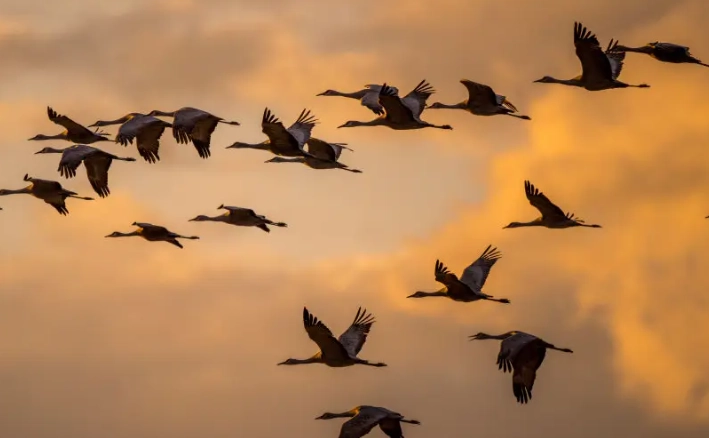
Understanding what is the difference between spring and fall migration helps us target conservation efforts. Spring efforts might focus on protecting critical, time-sensitive refueling stations. Fall efforts might emphasize creating safe, resource-rich habitat over a broader landscape for the wandering young birds.
Your Questions Answered (The Stuff That Really Matters)
Wrapping It Up: Two Sides of the Same Amazing Coin
At the end of the day, the difference between spring and fall migration isn't a trivial fact. It's the core narrative of a bird's annual cycle. One journey is fueled by the promise of new life, the other by the imperative of survival. One is a vibrant, noisy, community event. The other is a silent, strategic, often solitary trek.
Knowing this has made me a more observant and empathetic birder. In spring, I feel the excitement and urgency in the air. I cheer them on. In fall, I feel a sense of solemnity. I wish them a safe journey, knowing the inexperienced young face enormous odds.
They're two halves of a whole.
So next time you see a flock of birds on the move, ask yourself: is this the hopeful rush of spring or the strategic retreat of fall? That simple question opens up a world of understanding about the incredible, twice-yearly journey happening right over our heads.
Reader Comments