Kingfishers aren't just those flashy blue birds you see on calendars. Worldwide, over 100 species span from tiny forest dwellers to hefty fish-hunters, each adapted to niches from Amazonian rivers to Asian mangroves. If you're like me, you might have started birdwatching thinking all kingfishers look alike, but spend a season in the tropics, and you'll realize how wrong that is. This guide cuts through the noise to give you a clear, expert-backed look at kingfisher species globally—their identities, habitats, and how to spot them without the fluff.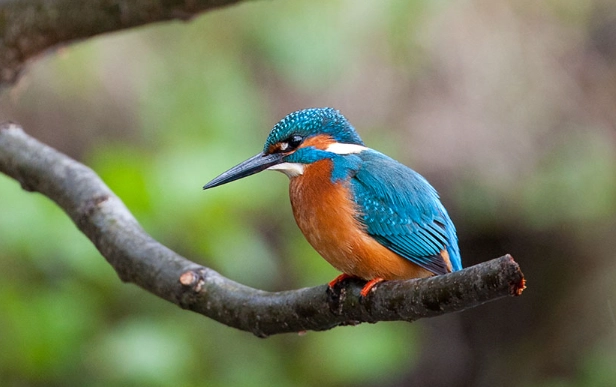
What You'll Discover in This Guide
The Kingfisher Family Tree: A Global Overview
Kingfishers belong to the family Alcedinidae, split into three subfamilies: river kingfishers (Alcedininae), tree kingfishers (Halcyoninae), and water kingfishers (Cerylinae). Don't get bogged down by the taxonomy—what matters is that this split explains why a Pied Kingfisher in Africa hovers like a helicopter while a Laughing Kookaburra in Australia chomps on snakes in dry woodlands. They're all kingfishers, but their behaviors and looks vary wildly.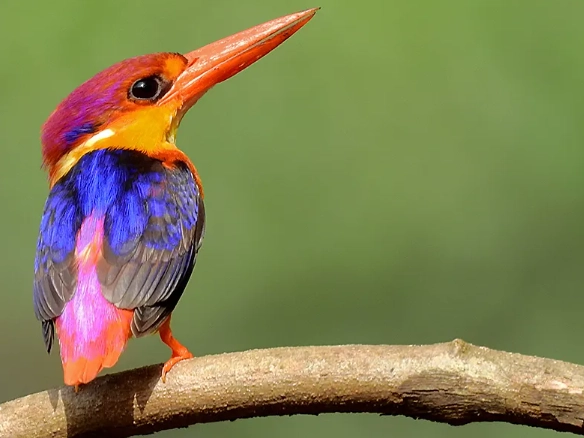
I remember my first trip to Borneo, expecting classic blue birds, only to be stunned by the White-throated Kingfisher—a brown-backed, red-beaked species that barely touches water. It taught me that kingfishers aren't always about fishing; many eat insects, reptiles, or even small mammals.
Major Genera and Their Key Species
Let's break it down with a table of notable species. This isn't an exhaustive list, but these are the ones you're most likely to encounter or hear about in birding circles.
| Species Name | Common Name | Primary Region | Key Feature |
|---|---|---|---|
| Alcedo atthis | Common Kingfisher | Eurasia, North Africa | Small size, bright blue and orange plumage |
| Megaceryle alcyon | Belted Kingfisher | North and Central America | Large, with a shaggy crest and distinctive call |
| Halcyon smyrnensis | White-throated Kingfisher | South and Southeast Asia | Brown back, white throat, adaptable to dry areas |
| Ceryle rudis | Pied Kingfisher | Africa and Asia | Black-and-white pattern, expert hoverer |
| Todiramphus sanctus | Sacred Kingfisher | Australia and Pacific Islands | Green-blue upperparts, migratory in parts |
| Dacelo novaeguineae | Laughing Kookaburra | Eastern Australia | Large, terrestrial, famous laugh-like call |
Notice how the Laughing Kookaburra is a kingfisher? Many beginners miss that. It's part of the tree kingfisher group, showing how diverse this family is. For more detailed taxonomy, resources like the Cornell Lab of Ornithology's website offer great breakdowns, but I find field guides more practical.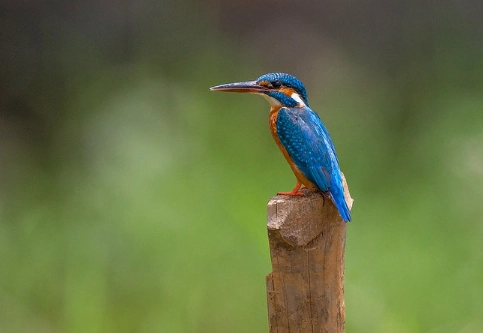
How to Identify Kingfishers: Beyond the Blue Feathers
If you're relying solely on color, you'll misidentify half the kingfishers out there. I've seen birders confuse the Common Kingfisher with the Azure Kingfisher in Australia—both are blue, but the Azure is darker and smaller, with a stubbier bill. Identification hinges on multiple clues.
Color Patterns and Size Variations
Kingfishers range from 10 cm (like the African Dwarf Kingfisher) to 45 cm (the Giant Kingfisher in Africa). Color isn't just blue; think of the Rufous-collared Kingfisher in Southeast Asia with its chestnut collar, or the Black-capped Kingfisher with its stark black head. In low light, focus on bill shape: river kingfishers have long, dagger-like bills for fishing, while tree kingfishers have stouter bills for crushing prey.
A trick I use is to note the eye color. The Common Kingfisher has dark eyes, but the Belted Kingfisher's eyes are lighter, almost yellow-tinged. It's subtle, but in the field, these details save time.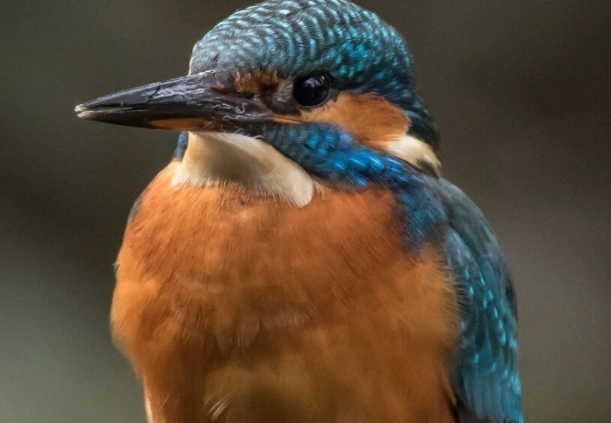
Behavioral Cues and Habitat Preferences
Where you see a kingfisher tells a lot. The Pied Kingfisher hovers over open water, a behavior rare in other species. The Forest Kingfisher in Australia perches quietly in trees, waiting for insects. If you're near a fast-flowing stream in the Himalayas, look for the Crested Kingfisher—it prefers rocky perches and dives with a splash.
I once spent hours in Thailand's Kaeng Krachan National Park, listening for the call of the Banded Kingfisher. Its high-pitched whistle gave it away before I saw it. Calls are underrated; the Laughing Kookaburra's laugh is obvious, but smaller species have chirps or trills that guide you.
Pro Tip: Carry a notebook. Jot down the habitat, time of day, and any sounds. Kingfishers are often territorial, so if you spot one, wait—it might return to the same perch. I've bagged photos this way while others moved on too quickly.
Kingfisher Habitats and Global Distribution
Kingfishers are found on every continent except Antarctica, but they're densest in tropical and subtropical regions. Southeast Asia is a hotspot, with over 30 species in Indonesia alone. In Africa, the Congo Basin harbors diverse forms, while the Americas have fewer species but notable ones like the Ringed Kingfisher in South America.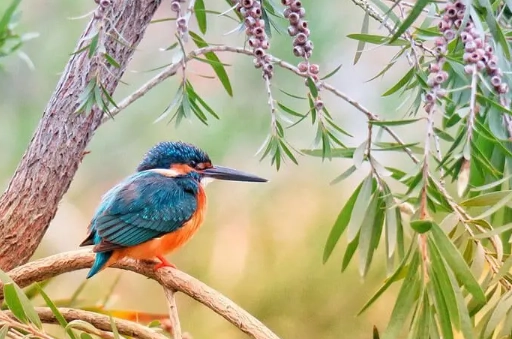
Let's get specific. In the Amazon, you'll find the Green-and-rufous Kingfisher along shaded streams—it's shy, so you need patience. In contrast, the Collared Kingfisher in coastal areas from India to the Pacific is bold, often seen near human settlements. I recall a trip to the Philippines where Collared Kingfishers nested in coconut palms right by a busy market.
Habitat loss is reshaping distributions. In Europe, the Common Kingfisher suffers when rivers are channelized. Data from the International Union for Conservation of Nature (IUCN) shows that wetland degradation is a global threat, but some species adapt. The White-throated Kingfisher thrives in agricultural lands, but that's not true for all.
Conservation Status: Are Kingfishers at Risk?
Not all kingfishers are doing well. While species like the Common Kingfisher are listed as Least Concern by the IUCN, others are critically endangered. The Marquesan Kingfisher, as mentioned earlier, is on the edge. The Tuamotu Kingfisher in French Polynesia has a population under 500, threatened by invasive rats.
From my work with local bird groups in Southeast Asia, I've seen how illegal logging impacts the Blue-banded Kingfisher—it needs pristine forest streams. Conservation isn't just about protecting birds; it's about saving entire ecosystems. Organizations like BirdLife International run projects, but community involvement is key. In Sri Lanka, villagers now guard nesting sites of the Stork-billed Kingfisher after realizing its tourism value.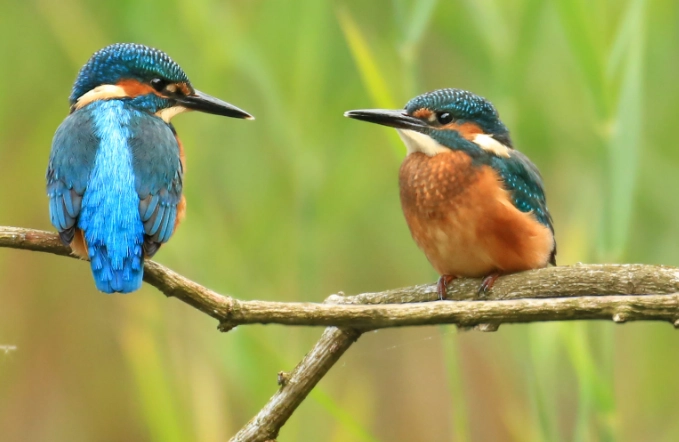
Climate change adds another layer. Rising sea levels threaten mangrove-dwelling species like the Mangrove Kingfisher in Africa. If you're birding in coastal areas, note changes in water salinity—it affects fish populations and, in turn, kingfishers.
Expert Tips for Spotting Kingfishers in the Wild
You don't need fancy gear to see kingfishers, but you do need strategy. Here's what I've learned from two decades of chasing these birds across continents.
Timing is everything: Kingfishers are most active at dawn and dusk. In tropical regions, early morning avoids the heat. I've had best luck around 6-8 AM, when insects and fish are active. During midday, they often rest in shaded perches—look for overhanging branches.
Choose the right location: Focus on water bodies with clear banks for perching. Slow-moving rivers, ponds, and estuaries are prime. In forests, listen for calls near streams. A mistake I see beginners make is scanning open water without checking the edges; kingfishers love low branches just above the water.
Gear recommendations: Binoculars with 8x42 magnification work well for most situations. For photography, a lens with at least 300mm helps, but remember, kingfishers are skittish. Use a hide or stay still. I once used a simple camouflage net in Kenya and got within 10 meters of a Giant Kingfisher.
Patience and observation: Spend at least 30 minutes in a spot. Kingfishers are territorial, so they often return. Take notes on behavior—does it dive vertically or swoop? That can hint at the species. In Australia, I watched a Sacred Kingfisher catch lizards, something you won't see in a guidebook.
I'll admit, kingfishers can be frustrating. On a rainy day in Scotland, I waited hours for a Common Kingfisher and saw nothing. But the next morning, in the same spot, it appeared like magic. Sometimes, it's about luck and persistence.
Frequently Asked Questions (FAQ)
Kingfishers offer a window into global biodiversity. Whether you're a casual birder or a seasoned pro, understanding their species worldwide enriches every outing. Start with local species, expand your horizons, and always tread lightly—their survival depends on it. For more, check out field guides from reputable sources like the Royal Society for the Protection of Birds (RSPB) or join local birding clubs; nothing beats shared experience.
Reader Comments