In This Guide
- Meet the House Finch: From Hollywood Hills to Your Hedge
- Spotting One: A Quick Guide to House Finch Identification
- The Soundtrack of Your Backyard: The House Finch Song
- Making Your Yard a House Finch Hangout (Or Not)
- Nesting: The Messy, Determined Homebuilders
- The Elephant in the Room: House Finch Eye Disease
- Your House Finch Questions, Answered
- Final Thoughts: Appreciating the Common Bird
I'll be honest, I didn't pay much attention to house finches at first. They were just those streaky brown birds with a bit of red that crowded my feeder, sort of the "background noise" of the backyard bird scene. But then one spring, a pair decided to build a nest in the wreath on my front door – and I mean inside the wreath, tucked so deep I didn't notice until I saw the female flying in with grass. That was it. I was hooked. Suddenly, this common bird became a fascinating neighbor with a dramatic history, a terrible singing habit (more on that later), and some serious health issues we all should know about.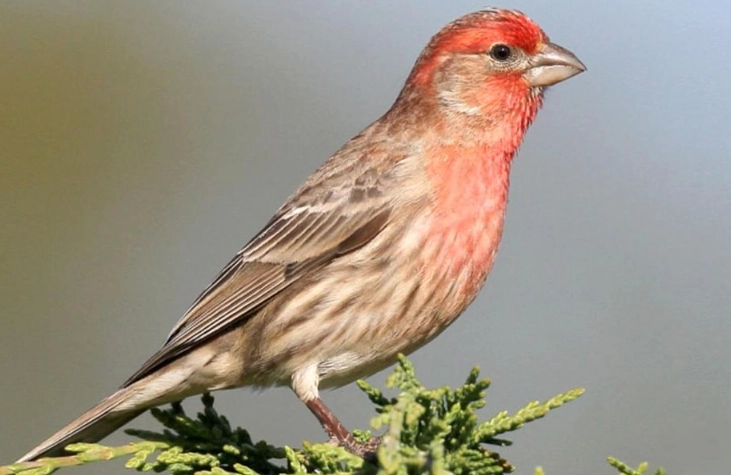
So, if you've ever looked out your window and wondered about that cheerful, chirping flock, you're in the right place. This isn't just a dry list of facts. It's a deep dive from a fellow bird-watcher who's spent too many hours watching these guys, trying to figure out what makes them tick. We'll talk about how to tell them apart from their look-alikes, what that song really means, how to attract them (or politely discourage them), and the one big health problem that's changed their lives forever.
Meet the House Finch: From Hollywood Hills to Your Hedge
Let's start with the story because it's a good one. The house finch (Haemorhous mexicanus) isn't native to the entire eastern United States. Nope. Their explosive spread is a classic case of human meddling with unexpected consequences. In the 1940s, so-called "wild bird" dealers in California were capturing these native western birds and selling them as "Hollywood Finches" in New York City. When authorities cracked down on this illegal trade, the vendors did the logical thing (if you have no ethics) – they just set them free.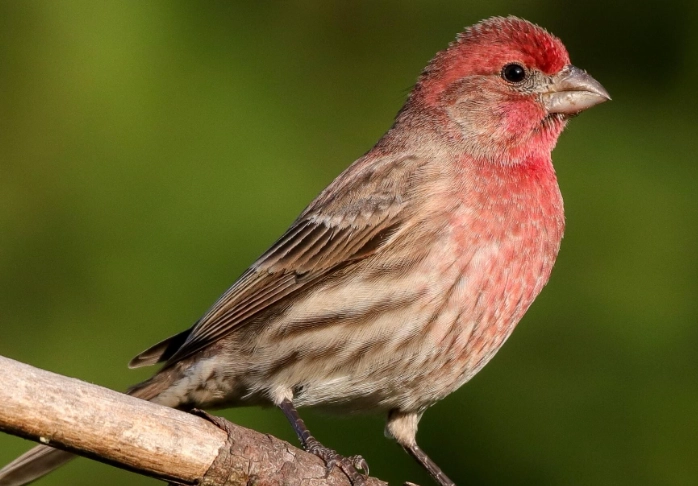
And the birds thrived. I mean, they absolutely conquered. From that tiny released population on Long Island, house finches spread across the entire eastern U.S. and southern Canada in just a few decades. It's one of the most rapid and extensive expansions of any bird ever recorded. Think about that. A bird that was once confined to the west now chirps outside kitchens from Florida to Maine. It's a testament to their incredible adaptability. They found our suburbs, our farms, our city parks, and decided they were perfect.
What makes a house finch so adaptable? They're not picky. They eat a wide variety of seeds, berries, and buds. They'll nest just about anywhere – ledges, vents, hanging planters, old nests from other birds, and yes, decorative wreaths. They're social, forming flocks that can number in the hundreds, which helps them find food and avoid predators. In many ways, the modern human landscape is a house finch paradise.
Spotting One: A Quick Guide to House Finch Identification
Okay, so you see a small bird at your feeder. Is it a house finch? Let's break it down, because they're often confused with a couple of other common birds. This is where most people get tripped up.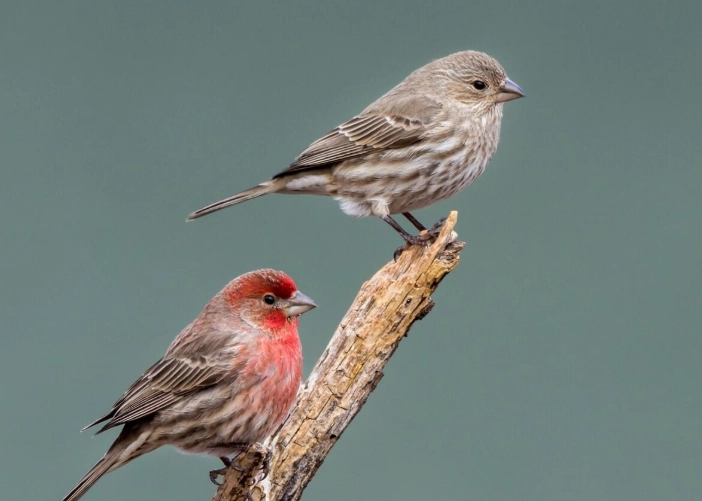
First, the males. A male house finch is famous for his rosy red coloring, but here's the catch – it's not always red, and it's not everywhere. The color ranges from bright cherry-red to a dull, almost orange-yellow. Why the difference? It's all diet. The red pigments (carotenoids) come from the foods they eat, like berries and certain seeds. A male with a duller color might just be on a poor diet. The red is brightest on his forehead, chest, and rump (the area above the tail). The rest of him – his back, wings, and tail – is a streaky, soft brown. He has a fairly long, squared-off tail and a thick, seed-cracking beak that looks a bit too big for his head.
Now, the females and young birds. They are the definition of "little brown jobs." They lack all the red, being uniformly streaky brown and white all over. Their faces are plain with a blurry streak behind the eye. The key to telling a female house finch apart from, say, a female sparrow, is the streaking. She has thick, blurry brown streaks on her belly and flanks, and her back is heavily streaked too. Look for that stout, conical beak – it's a dead giveaway for a seed-eater.
The Usual Suspects: House Finch vs. Purple Finch vs. Sparrow
This is the big one. The purple finch is the house finch's fancier, more northerly cousin, and telling them apart can make even experienced birders squint. Then there are the sparrows. Let's make it simple with a table.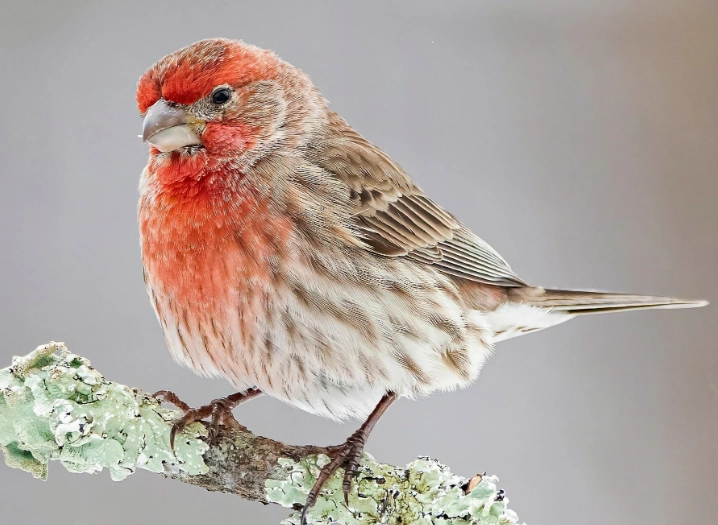
| Feature | Male House Finch | Male Purple Finch | House Sparrow (Male) |
|---|---|---|---|
| Color & Pattern | Rosy-red on forehead, chest, rump. Brown, streaky back and wings. | Raspberry or wine-red washing over entire head, back, and chest. Looks "dipped in color." | Gray crown, chestnut nape, black bib. Back is warm brown with black streaks. |
| Streaking | Heavy brown streaks on flanks and belly. | Reddish wash covers most streaks on flanks. | No streaking on underparts. Plain grayish belly. |
| Beak | Longer, slightly curved on top. Brownish. | Shorter, stubbier, and more conical. Often looks paler. | Short, thick, seed-cracker. Black in summer. |
| Head Shape | Rounded, smooth profile. | More peaked or crested look. | Large, rounded head with a stout neck. |
| Female ID Tip | Blurry, brown streaks everywhere. Plain face. | Bold white eyebrow stripe. Strong facial pattern. | Dull brown with a pale eyebrow. Chunky. |
See the main difference? For the males, think "House Finch has a red shirt on a brown suit. Purple Finch is wearing a full red suit." That usually does the trick. As for house sparrows, they're in a completely different family – their lack of streaking on the belly and that black bib are instant giveaways.
The Soundtrack of Your Backyard: The House Finch Song
If you've heard it, you know it. The house finch song is a long, jumbled, cheerful warble that can go on for several seconds. It's not the most musical thing in the world – it's kind of hurried and haphazard, with no clear pattern. To me, it sounds like the bird is trying to remember a really complicated tune and just throws all the notes in at once.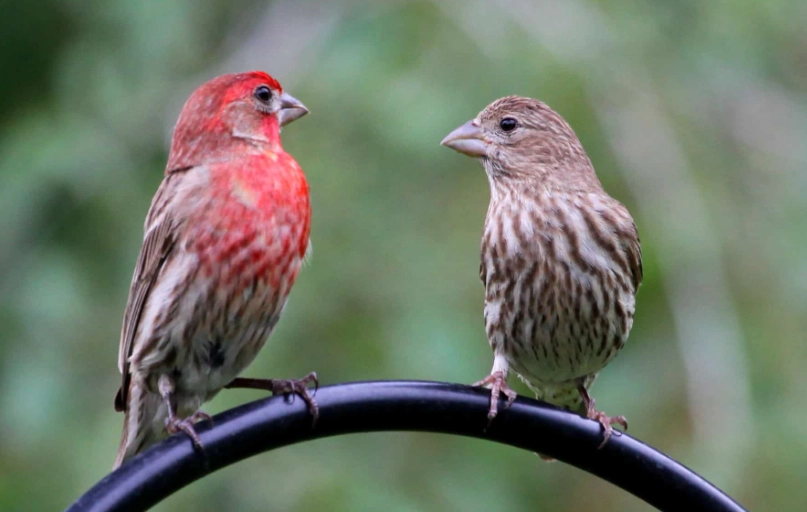
But here's the fascinating part. House finches are incredible learners. Unlike many birds born with a fixed song, young male house finches learn their songs from the males around them. This has led to distinct regional "dialects." A house finch in New York might sing with a slightly different rhythm or set of phrases than one in California. They also incorporate elements from other bird songs and even mechanical noises. I swear one in my neighborhood has a trill that sounds exactly like my old microwave beep.
Their common call, the one you hear from the flock, is a sharp, rising cheeep or a softer tidit. It's a constant chatter when they're around.
Making Your Yard a House Finch Hangout (Or Not)
Attracting house finches is usually not hard. Sometimes the challenge is attracting anything else because house finches can be pushy. But if you want to roll out the red carpet, here's what they love.
Top Foods to Offer
House finches are primarily seed-eaters. Their stout beaks are perfect for cracking shells. Here’s a quick list of their favorites, ranked by what I’ve seen them go nuts for at my feeders.
- Black Oil Sunflower Seeds: The universal favorite. They'll devour these. It's like bird candy.
- Nyjer (Thistle) Seed: This is a close second. They adore nyjer, especially from a tube feeder with small ports. This is where you'll see their acrobatic side as they cling to the feeder.
- Shelled Sunflower Chips: No work required. They'll flock to a tray of these.
- Millet: They'll eat white proso millet, especially from a platform or the ground, but it's not their top choice.
- Fruit: In the wild, they eat berries and buds. You might tempt them with small bits of apple or raisins placed on a platform.
What don't they like as much? Safflower seed. Many house finches will avoid it, while cardinals and chickadees like it. It can be a useful seed if you want to subtly diversify your feeder crowd.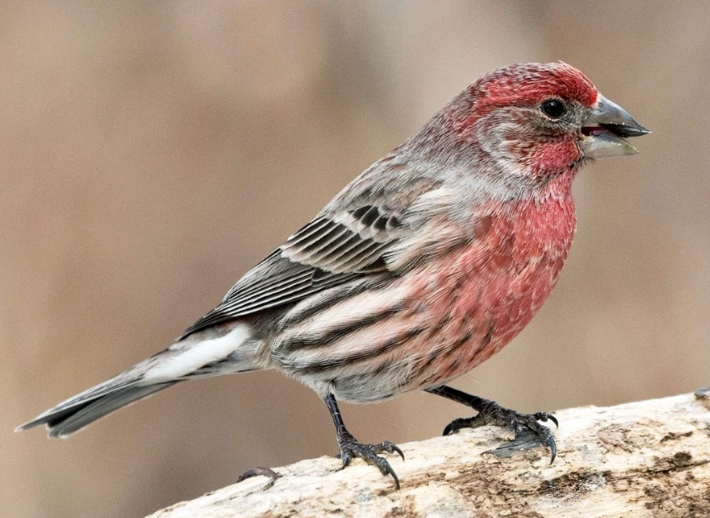
Feeder Strategy and the "Squirrel Problem"
House finches aren't picky about feeders, but they have preferences. Tube feeders with perches are great for them, especially for nyjer seed. Hopper feeders and platform feeders work well for sunflower seeds. They are social feeders, so expect a crowd.
Now, the downside. A large flock of house finches can empty a feeder quickly. They can also be messy, kicking out seeds they don't want. This leads to waste on the ground, which can attract rodents. To manage this, I use feeders with large catch trays underneath. It keeps the area cleaner.
If you don't want to attract house finches (maybe to give other shyer birds a chance), the best strategy is to offer foods they like less. A feeder with only safflower seed or suet will be less appealing to them. Also, avoid platform feeders where their flocks can congregate easily.
Nesting: The Messy, Determined Homebuilders
This is where my front-door saga comes into play. House finches are prolific and, frankly, sloppy nesters. The female builds the nest, which is a loose cup of grasses, twigs, leaves, and whatever else she can find – I've seen string, feathers, and bits of plastic woven in. They nest early, often starting in March, and can raise up to three broods in a single season.
Nest sites are comically varied. They love human structures: ledges, window sills, inside hanging baskets, porch lights, vents, and even old equipment. They also use trees and shrubs. The nest isn't a masterpiece of engineering. It often looks haphazard, like it was thrown together in an afternoon (it probably was).
The female lays 3-6 pale blue eggs with fine speckles and does most of the incubating for about two weeks. Both parents feed the young a regurgitated seed paste. The chicks grow fast and leave the nest in another two weeks or so. After fledging, you'll see the parents chasing the clumsy young around, still feeding them for a while. The young birds look like the female but are even streakier.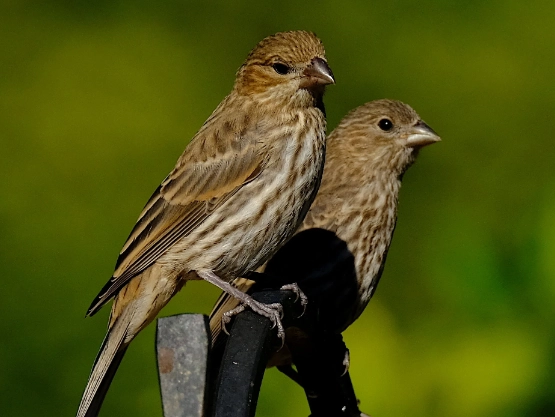
The Elephant in the Room: House Finch Eye Disease
We have to talk about this. If you've ever seen a house finch with crusty, swollen, or shut eyes, you've witnessed Mycoplasmal Conjunctivitis. This bacterial disease swept through the eastern house finch population starting in the 1990s, and it was devastating. It's spread easily at crowded feeders where birds' eyes come into contact with contaminated surfaces.
The sick bird looks miserable. Its eyes may be runny, swollen, or completely crusted shut. It becomes lethargic, easy prey for predators, and often starves because it can't see to find food. It's a tough thing to see.
So, what can you do? First, don't panic and take down your feeders forever. Responsible feeding is key. If you see a sick house finch at your feeder, here is the recommended action plan from experts like the Cornell Lab of Ornithology's Project FeederWatch:
- Take your feeders down immediately for at least a week. This disperses the flock and prevents sick birds from congregating and spreading the disease.
- Clean your feeders thoroughly. Use a solution of one part bleach to nine parts water. Soak the feeder, scrub it, rinse it extremely well, and let it dry completely before putting it back up.
- Space your feeders out. Don't cluster all your feeders in one spot. Spread them around your yard to reduce crowding.
- Clean regularly. Make feeder cleaning a weekly habit, especially during wet or humid weather when bacteria thrive.
This disease is a major reason why feeder hygiene is not just about being neat – it's a matter of bird health. The house finch population eventually developed some resistance, and the disease is now endemic (always present), but outbreaks still happen. Keeping a clean feeding station is the single best thing you can do.
Your House Finch Questions, Answered
This is a tricky one. In the eastern U.S., they are technically "non-native" because they were introduced by humans. But they're not usually classified as "invasive" in the same destructive sense as, say, European starlings or house sparrows. They have filled an ecological niche without causing widespread, documented harm to most native bird populations through direct competition. However, some studies suggest they may compete with native purple finches and possibly others for food and nest sites. It's a complex issue, but most bird conservation groups focus on them as established residents now.
We covered this, but to reiterate: Look for the red. Only adult males have the rosy-red on the head, chest, and rump. Females and juveniles are all-over streaky brown. Easy once you know!
They are highly social, especially outside of breeding season. They find safety in numbers and communicate good food sources to each other. In winter, you might see flocks of 50 or more descending on a well-stocked feeder. It's just their nature. To manage it, you can use smaller feeders or ones with fewer perches to limit how many can feed at once.
In the wild, it's surprisingly short due to predators, disease, and harsh weather – often just a few years. The oldest known wild house finch, according to bird banding records, was over 11 years old! That's a real veteran.
Most house finches are permanent residents. The birds you have in summer are likely the ones you have in winter. They don't undertake long migrations, though northern populations may move southward slightly in very harsh winters.
Final Thoughts: Appreciating the Common Bird
It's easy to overlook the house finch. They're everywhere. They're noisy. They can be messy. But once you start paying attention, you see their personality – the constant chatter, the parental dedication, the male singing his heart out with his imperfect song, the sheer will to survive even a devastating disease.
They are a perfect example of a bird that has woven itself into the fabric of our everyday lives. From their illicit Hollywood beginnings to their conquest of a continent, they are a story of adaptation. By offering them the right food, keeping our feeders clean for their health, and taking a moment to watch their antics, we connect with a little piece of wildness that's chosen to live right alongside us. Just maybe keep an eye on your front door wreath in the spring.
If you want to dive deeper into the science and monitoring of house finches and their eye disease, fantastic citizen science projects like Project FeederWatch and the Cornell Lab of Ornithology have a wealth of information. It’s how I turned a casual interest into a real understanding.
Reader Comments