You set up a feeder, filled it with seed, and waited. Maybe a few sparrows showed up. But you know your backyard could be so much more—a vibrant hub for cardinals, chickadees, finches, and maybe even a surprise woodpecker. The gap between a lonely feeder and a thriving bird sanctuary isn't about luck. It's about strategy. This bird guide for bird feeding cuts through the generic advice. We're going beyond "put out seed" to the nuanced, seasonal, and often overlooked tactics that turn casual watching into a rich, daily interaction with nature.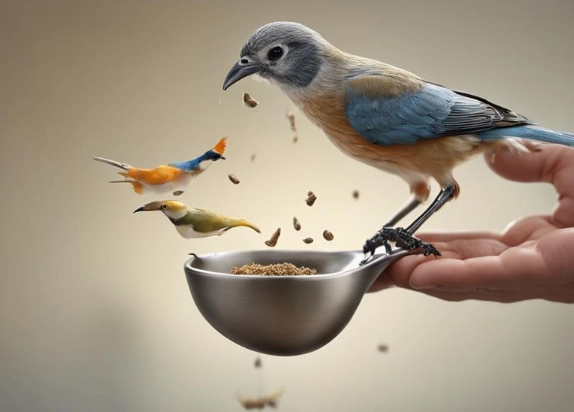
I've spent over a decade tweaking my own setup, learning from frustrating failures (squirrel raids, moldy seed, ignored feeders) and glorious successes. The goal here isn't just to list products. It's to give you a framework for thinking like a bird, so you can build a feeding station they can't resist, season after season.
Your Quick Bird Feeding Roadmap
Building a Bird Feeder Buffet (Not a Diner)
Think of your backyard as a restaurant. If you only serve hamburgers, you'll only get customers who like hamburgers. Most beginners make this exact mistake: one bag of seed, one feeder. To attract diversity, you need a menu.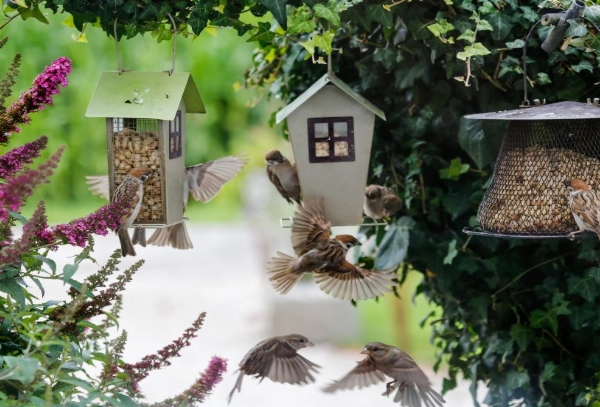
Different birds have different feeding styles—perching, clinging, hopping on the ground. Your feeder array should reflect that.
| Feeder Type | Best For | Top Food Choice | Key Consideration |
|---|---|---|---|
| Tube Feeder (small ports) | Finches, Chickadees, Titmice | Nyjer (thistle) seed, Fine Sunflower Chips | Keeps seed dry. Use a tray attachment to catch hulls. |
| Hopper/House Feeder | Cardinals, Jays, Sparrows, Grosbeaks | Black Oil Sunflower Seeds, Safflower | Good capacity, some protection from weather. Squirrels can chew through cheap plastic. |
| Platform/Tray Feeder | Ground-feeders like Doves, Juncos, Cardinals | Millet, Cracked Corn, Fruit pieces | Zero feeding barrier. Prone to weather and pests. Elevate it and clean daily. |
| Suet Cage | Woodpeckers, Nuthatches, Wrens, Chickadees | Suet Cakes (plain, peanut, insect-blend) | Essential for insect-eating birds, especially in cold months. Use no-melt suet for summer. |
| Nectar Feeder | Hummingbirds, Orioles | DIY Nectar (1 part white sugar to 4 parts water, boiled) | Never use red dye. Clean every 3-4 days to prevent deadly mold. |
Start with two: a tube feeder for the acrobats and a hopper for the larger perching birds. You'll be amazed at how quickly the clientele expands.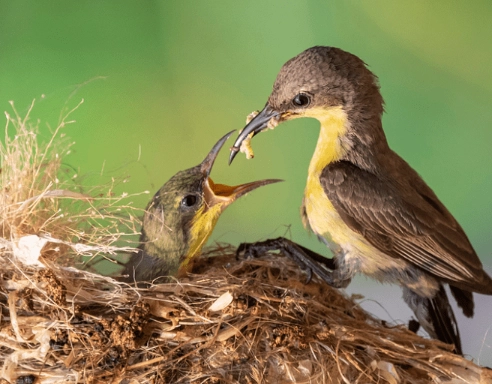
The Critical Seasonal Shift in Bird Food
Birds' nutritional needs change dramatically throughout the year. Offering the same bag of seed in July as you did in January is like serving hot soup on a beach day—it might get eaten, but it's not what's needed.
Winter (Dec-Feb): This is survival mode. Birds need calorie-dense, high-fat foods to maintain body heat. This is the prime time for suet, peanuts in the shell, sunflower meats (hearts), and black oil sunflower seeds. Keep feeders consistently full, especially before storms.
Spring/Summer (Mar-Aug): The focus shifts to protein for breeding, egg-laying, and feeding demanding chicks. Parents are looking for easy, high-value food to supplement their insect hunting. This is when mealworms (live or dried), nyjer seed, and nectar become superstar attractions. I've watched bluebird parents make dozens of trips a day to my mealworm dish. Reduce the amount of suet unless it's a no-melt variety to avoid spoilage and greasy feathers.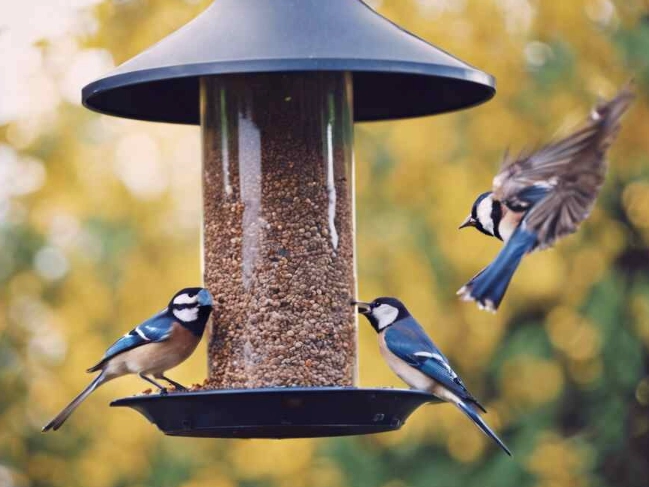
Fall (Sep-Nov): It's all about fuel for migration or preparing for winter. Offer a mix—high-fat seeds for residents and easy calories for travelers passing through. This is also a great time to clean and repair feeders before the winter rush.
Winning the Squirrel Wars: Practical Defense
Let's be real. Squirrels are smart, persistent, and view your feeder as their personal treasure chest. A single solution rarely works. You need a layered defense.
The Pole System is Your Best Friend: Mount your feeder on a smooth, metal pole (PVC is too easy to climb) at least 5 feet off the ground. Then, place a baffle (a dome or cone) on the pole. Not just any baffle—it must be positioned so the squirrel can't jump over it from the ground or down from above. The magic formula: pole height + baffle placement > squirrel jumping distance (roughly 10 feet horizontally).
Feeder Technology: Weight-activated feeders are worth the investment. They have perches that close access to seed under a squirrel's weight but stay open for birds. I was skeptical until I got one; the look of confused indignation on the local squirrel's face was priceless.
One unconventional tip? Give them their own station. Place a cheap corn cob feeder on a separate pole far from your bird feeders. It won't stop all of them, but it can reduce the pressure on your main setup.
Location, Location, Location & The Hygiene Non-Negotiable
Where you place your feeders is as important as what's in them.
Birds need to feel safe. Place feeders within 3-5 feet of a window (to prevent fatal collisions) or more than 30 feet away. The sweet spot is near natural cover like shrubs or trees, giving birds a quick escape route from hawks. But don't put it so close that cats can ambush from the cover.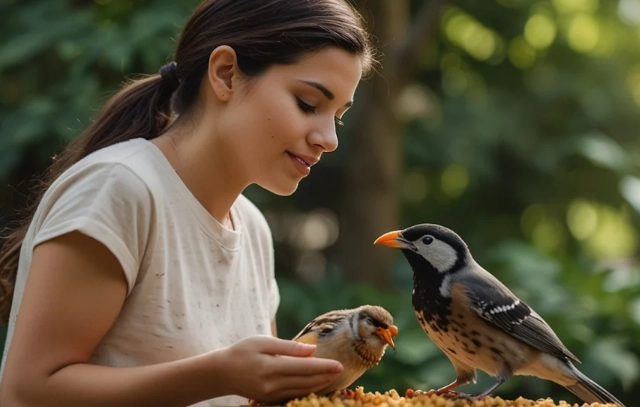
The Cleaning Rule You Can't Ignore: Dirty feeders kill birds. It's that simple. Wet seed and accumulated droppings breed Salmonella and Aspergillus fungus. Every two weeks, without fail, take feeders down. Dump old seed. Scrub with a bottle brush in a solution of one part white vinegar to nine parts hot water. Rinse thoroughly and let dry completely before refilling. For platform feeders and hummingbird feeders, clean even more frequently. This is the single most important act of responsible feeding.
Beyond the Basics: Pro-Level Attraction
Once you have the core setup, these extras make your yard irresistible.
Water is a Bigger Draw Than You Think
A clean, moving water source is a magnet. A simple birdbath with a solar-powered bubbler or dripper mimics a natural spring. Birds need to drink and bathe to keep their feathers in top condition for insulation and flight. Clean the bath every couple of days to prevent mosquito larvae and algae.
Go Natural with Native Plants
Feeders are supplemental. The ultimate bird guide for bird feeding tells you to work with nature. Plant native flowers, shrubs, and trees that provide natural seeds, berries, and—crucially—host insects. According to entomologist Doug Tallamy's research, native oak trees support over 500 species of caterpillars, the prime baby bird food. A couple of well-chosen native plants like coneflowers, sunflowers, or serviceberries do more long-term for bird populations than any feeder.
Embrace a Little Mess
Leave some leaf litter under shrubs. Don't deadhead all your flowers—let them go to seed. This provides foraging ground for ground-feeding birds like towhees and sparrows. A perfectly manicured lawn is a food desert for wildlife.
Your Bird Feeding Questions, Answered
The joy of bird feeding isn't just in the seeing; it's in the understanding. It's noticing that the chickadees take one seed and fly to a branch to crack it open. It's seeing the downy woodpecker's routine visit to the suet at 3 PM. It's providing a lifeline in a snowstorm. By moving beyond a simple bag of seed and embracing the strategy—the right feeders, the seasonal shifts, the clean water, the thoughtful placement—you're not just feeding birds. You're curating an ecosystem on your own patch of land, and gaining a front-row seat to one of nature's most accessible dramas.
Start with one new element this week. Maybe add a suet cage. Or move a feeder to a safer location. Observe what happens. That's where the real guide begins—in your own backyard.
Reader Comments