Let's cut to the chase: wild duck watching is one of the most accessible and rewarding gateways into birding. You don't need to trek into remote wilderness. A local pond, a slow-moving river, or even a managed wetland can become a front-row seat to a fascinating world of diving, dabbling, and dazzling plumage. But here's the thing most beginner guides don't tell you – simply knowing a duck is a duck is just the start. The real magic, and the real frustration for many, begins when you try to tell a hen Mallard from a hen Gadwall in poor light, or understand why that flock of ducks vanished overnight.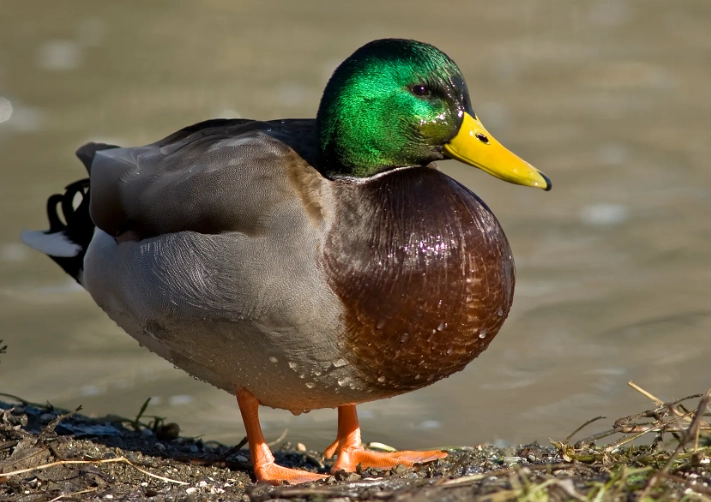
Your Quick Navigation
Where to Find Wild Ducks: Prime Habitats and Seasonal Movements
You won't find wild ducks just anywhere. They're picky about their real estate. I wasted months checking a fast-flowing, rocky stream near my home before an old-timer at the local Audubon chapter chuckled and set me straight. Ducks need specific things: food, water security, and shelter.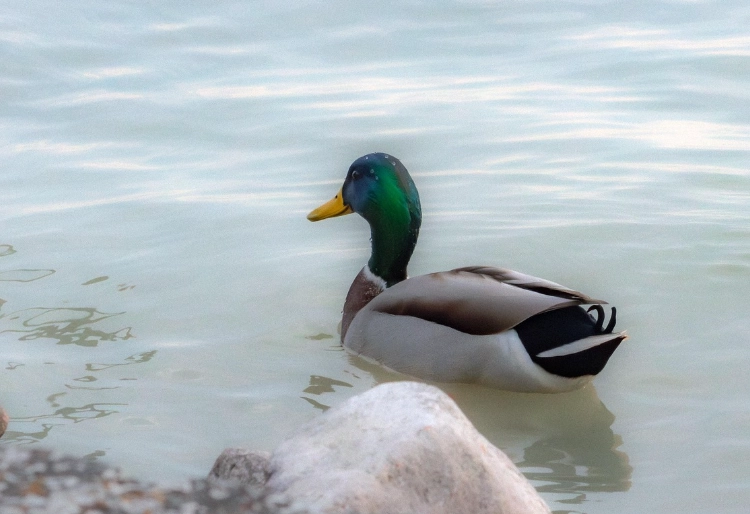
Top spots to start your search:
- Managed National Wildlife Refuges: Places like Bosque del Apache (New Mexico) or Sacramento NWR (California) are engineered for waterfowl. They control water levels to expose mudflats for feeding. It's duck paradise, almost like cheating. Check the U.S. Fish & Wildlife Service website for a refuge near you.
- Local State Parks with Impoundments: Often less crowded than federal refuges. Many have "moist soil management" units—fancy term for flooded fields that grow natural duck food like smartweed and millet.
- Agricultural Fields Post-Harvest: After rice or corn is cut, flooded fields become massive duck cafeterias. This is where you see thousands of birds. Permission is key here; never trespass.
- Urban & Suburban Ponds: Don't underestimate them. They're year-round homes for Mallards, but during migration, you can get surprise visitors like Ring-necked Ducks or Buffleheads. The parking lot pond at my local corporate park once hosted a rare Eurasian Wigeon for a week.
Timing is everything. Most ducks are nomadic, following food and ice-free water. The landscape in October looks completely different from January. In fall, focus on shallow wetlands full of seeds and plants. By mid-winter, ducks often congregate on larger, deeper lakes that remain open, or move south entirely.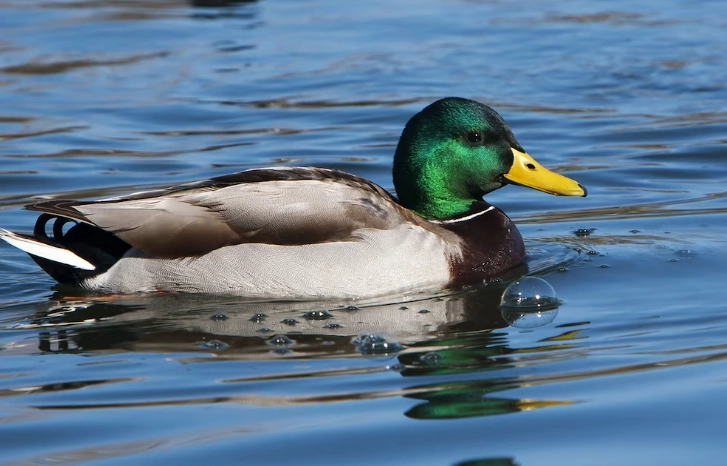
Essential Gear for Duck Watching: Beyond the Binoculars
A decent pair of binoculars is non-negotiable. But don't just grab the first pair you see. For ducks, you're often looking across water, which means dealing with glare and sometimes considerable distance.
I recommend an 8x42 configuration. The 8x magnification is steady enough for hand-holding, and the 42mm objective lens gathers plenty of light for those gloomy dawn vigils. Brands like Vortex or Nikon offer excellent value in the $150-$300 range. Forget compact binoculars for serious duck ID; their small lenses fail in low light.
Now, the tool that changed the game for me: a spotting scope. This is where you graduate from "I see some ducks" to "That's a female Lesser Scaup, and she has two juveniles with her." A 20-60x zoom scope on a solid tripod lets you study feather detail, eye color, and bill shape from hundreds of yards away. It feels like a superpower.
What Most Beginners Forget to Bring
- A Field Notebook: Not your phone. A cheap, waterproof notebook. Sketch the silhouette, note the bill color, the wing stripe. The act of writing it down forces you to observe, not just glance. I still have my notebook from 2012 where I confused a Ruddy Duck with a bufflehead. You learn from those errors.
- Layers of Clothing: You will be stationary, and it will be cold and damp. Merino wool base layers, a waterproof outer shell, and warm, waterproof boots are worth every penny. Cold feet end more birding sessions than bad weather.
- Patience: It's not gear, but it's the most critical tool. Sit still. Let the birds get used to you. The best observations come after the first 20 minutes of quiet waiting.
Moving Beyond Basic Identification: Shape, Silhouette, and Behavior
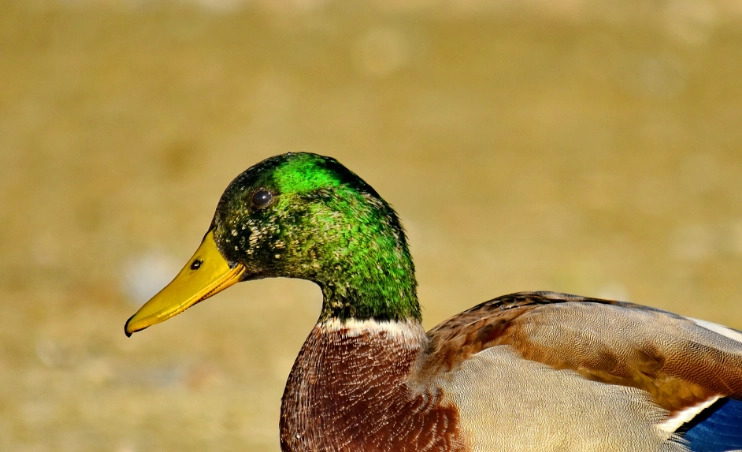
Everyone starts with the field guide pictures, matching colors. That works for male ducks in breeding plumage. It fails miserably for females, juveniles, and males in eclipse plumage (their dull, post-breeding feathers). This is the wall most new birders hit.
The secret? Learn shapes and behaviors first. A duck's profile tells you more than a fleeting glimpse of color ever will.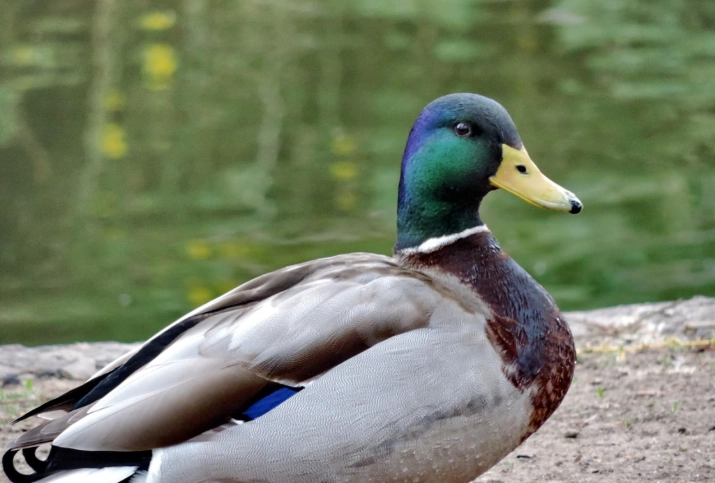
| Duck Type | Key Silhouette Clue | Typical Feeding Behavior | Common Example |
|---|---|---|---|
| Dabbling Duck | Flat rear end, sits high on water. Tail often visible. | "Tips up" to feed in shallow water. Can spring directly into flight. | Mallard, Northern Pintail, American Wigeon |
| Diving Duck | Low, sleek profile in water. Tail often submerged. | Submerges completely to feed. Needs a running start to take off. | Canvasback, Ring-necked Duck, Lesser Scaup |
| Sea Duck | Stocky, thick-necked, bill often stout. | Expert divers in rough, deep water. Flight is fast and low over waves. | Surf Scoter, Common Eider |
| Whistling-Duck | Long legs and neck, goose-like posture. | Grazes on land like a goose. Perches in trees (unique among ducks). | Black-bellied Whistling-Duck |
See how that works? If you see a duck tip its rear end up, you've instantly narrowed it down to about a dozen common species in North America, instead of sixty. Now look at the bill. Is it huge and spoon-shaped (Northern Shoveler)? Is it long, slender, and gray (Northern Pintail)? Bill shape is a permanent, reliable field mark, unlike plumage which changes with season and age.
Another pro tip: leg placement. Dabbling ducks have legs centered for walking. Diving ducks have legs set far back for powerful swimming—that's why they waddle so comically on land. If you see a duck walking comfortably on a lawn, it's almost certainly a dabbler.
Duck Behavior Decoded: What They're Really Doing
Observing behavior does more than help with ID; it pulls back the curtain on their lives. That group of ducks sleeping with one eye open? They're rafting, a resting formation where birds on the edge keep watch. The constant head-bobbing and chattering among a flock? It's social communication, maintaining group cohesion.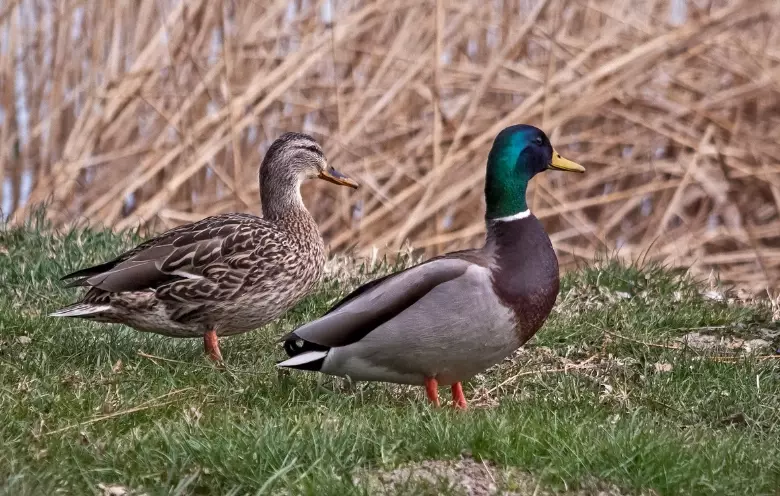
Let's talk about the "dreaded molt." In late summer, ducks lose all their flight feathers at once. For about a month, they can't fly. This is when they become incredibly secretive, hiding in dense marsh vegetation. If all the ducks seem to vanish from your local lake in August, this is why. They haven't disappeared; they're just vulnerable and laying low. It's a natural cycle, not a cause for alarm.
Courtship displays are a winter and early spring spectacle. The head-throwing of the Canvasback, the whistle and head-up-tail-up of the American Wigeon. It's not just random activity; it's how pairs form before migration to breeding grounds.
Expert Answers to Your Duck Questions
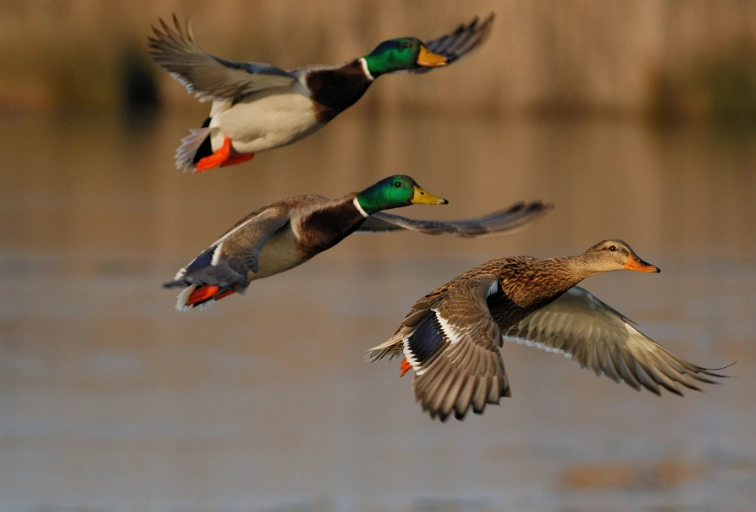
Getting into wild ducks isn't about checking names off a list. It's about learning a new language—the language of shape, behavior, and habitat. Start with the common birds at a nearby wetland. Watch them for a full hour. Note everything. That foundation will make every future encounter richer, whether you're spotting a brilliant Wood Duck in a forest swamp or a raft of a thousand Snow Geese mixed with ducks on a vast refuge. The waterfowl world is waiting, and it's far more intricate and interesting than you might have first thought.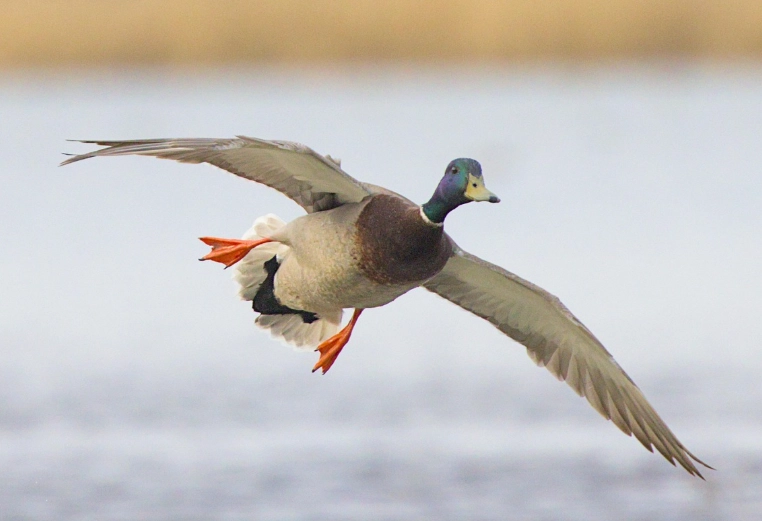
Reader Comments