I remember the first time I truly saw one. Not a distant blur, but a male indigo bunting perched on a fence post, soaking up the late afternoon sun. The color wasn't flat. It was a living, electric blue that seemed to shift from sapphire to cobalt with every slight turn of his head. For years before that, I'd probably written off similar glimpses as just "a blue bird." That moment changed how I birded. It taught me that spotting an indigo bunting is easy, but seeing it—really understanding it—requires knowing where to look, what to listen for, and how to tell it apart from the crowd.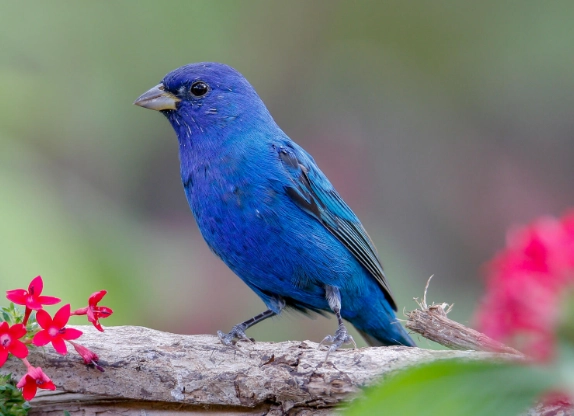
This guide is for anyone who's been captivated by that flash of blue and wants to go deeper. We're not just ticking a box on a life list. We're learning the habits, haunts, and little secrets of one of North America's most stunning migratory songbirds.
What You'll Learn in This Guide
How to Identify an Indigo Bunting (It's Not Just the Blue)
Let's clear this up first: only the breeding male is that famous, all-over indigo. Females and winter males are a completely different story, and this is where most casual observers get tripped up. Relying solely on color will lead to misidentifications.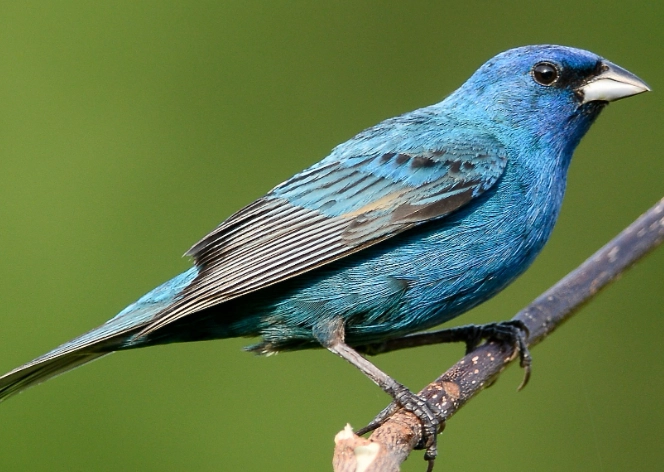
The Breeding Male: A Trick of the Light
That breathtaking blue isn't from pigment. Their feathers are actually blackish-brown, but their structure refracts light, creating an iridescent blue (a phenomenon called structural coloration, similar to a hummingbird's throat). This means his appearance changes dramatically.
In bright, direct sunlight, he's a neon-blue jewel. In shade or overcast conditions, he can look almost black. See a small, finch-like bird that looks black with blue hints? Look again—it's probably your indigo bunting. His conical seed-cracking bill is silver-gray, and he has no streaking on his breast or wings.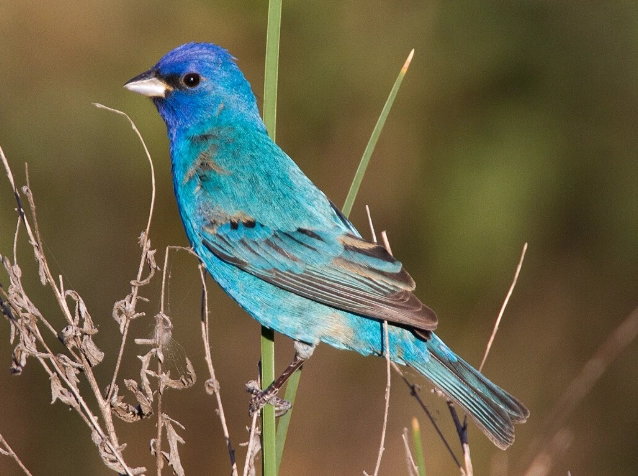
Key Field Mark: Look for uniform color. From beak to tail, the breeding male is one solid, shimmering blue (or blue-black). If you see strong wing bars, heavy streaking, or a contrasting belly, you're looking at a different bird, like a blue grosbeak or a lazuli bunting.
The Female and Winter Male: The Real Test
This is the bird you're more likely to see for much of the year, and it's brown. But not just any brown.
Think warm, soft brown—like cinnamon or tan—with faint, blurry streaking on the breast. The hint of blue is in the subtle touches: sometimes a faint blue tinge on the shoulders or tail feathers, and often a pale blue-gray bill. The overall impression is a plain, unstreaked brown finch with a clean face. The biggest mistake is confusing her with a female house sparrow, which is chunkier, has a stronger bill, and more obvious streaking.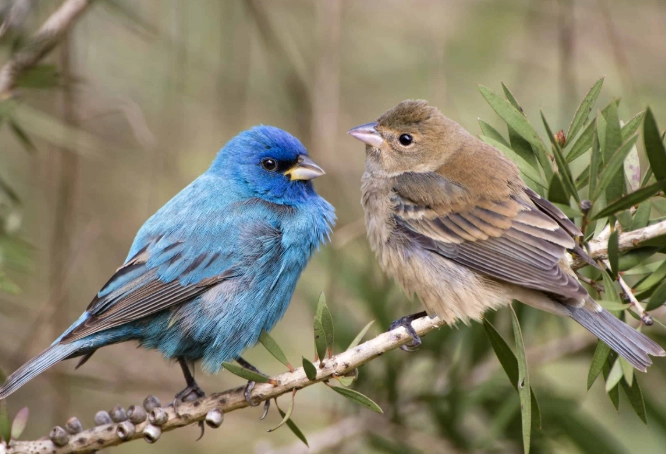
I've watched beginners point at a drab bird and dismiss it, only to miss a female indigo bunting at their feeder. Don't let that be you.
Where and When to Find Them: Habitat Secrets
Indigo buntings aren't forest birds. They're edge specialists. They thrive in the messy, transitional zones between ecosystems. You won't find them in deep, unbroken woods or in the middle of a manicured lawn.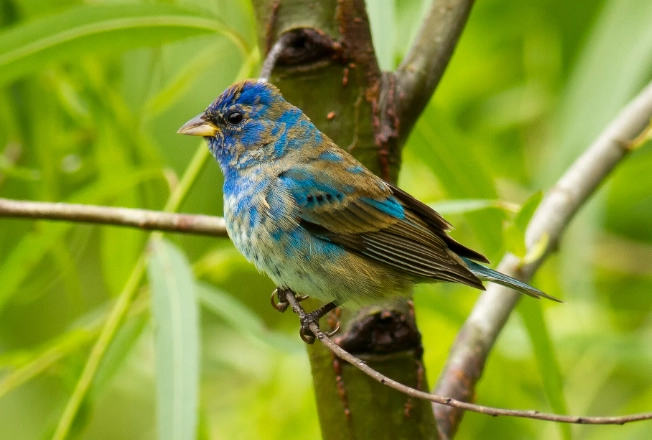
Here’s where to focus your search during their breeding season (May through August across most of the eastern and central U.S.):
Powerline cuts and railroad edges: These are goldmines. The regular clearing creates perfect brushy, weedy habitat. Walk a trail alongside a powerline right-of-way in June, and you'll hear them.
Overgrown fields and meadows: Not freshly mown hay fields, but old fields with tall grasses, wildflowers, and scattered shrubs like dogwood and blackberry.
Roadside brush: Driving down country roads, scan the tops of small trees and wires overlooking weedy ditches.
They winter in Central America and southern Florida, so your window for seeing them in most of the U.S. is strictly late spring to early fall. They arrive later than some warblers—I usually start seeing them reliably in mid-May here in the Midwest.
Timing matters. They sing most persistently at dawn and again in the late afternoon. That's when males are most active, claiming territory and singing from high, exposed perches.
A Step-by-Step Plan to Attract Them to Your Yard
Want indigo buntings to visit you? It's possible, but you need to think like a bunting. A tidy suburban yard with just a tube feeder won't cut it. You need to offer safety, food, and nesting materials.
1. Plant the Right Seeds (Literally): They are granivores. They eat seeds. Stop buying generic "songbird mix" full of milo and wheat. They love white proso millet and nyjer (thistle) seed. A platform feeder or a hopper feeder with large perches works better than a small tube.
But here's the bigger secret: they prefer to forage near the ground in dense cover. Scatter some millet on the ground near a brush pile or at the edge of a planting bed. They'll feel safer.
2. Create Shelter and Nesting Sites: Females build nests in dense, low shrubs or thickets, usually between 1 and 3 feet off the ground. Plant native shrubs like dogwoods, elderberries, or blackberry canes. Leave a section of your yard a little "wild" with tall grasses and native flowers. This provides both cover and the insects they feed to their young.
3. Provide a Water Source: A shallow birdbath with a gentle drip or mister is irresistible, especially in summer heat. Place it near cover so they can dart in, drink, and retreat.
It might take a season or two for them to find your oasis. Don't get discouraged. Consistency with the right food and habitat is key.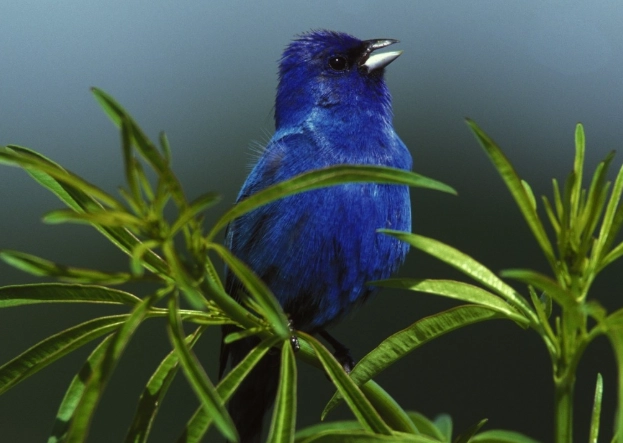
| What Works Well | What Usually Doesn't Work |
|---|---|
| White Proso Millet (in platform or ground feeders) | Generic seed mixes heavy in corn or milo |
| Nyjer (Thistle) Seed in a mesh sock | Suet cakes or mealworms (they don't eat them) |
| Dense native shrub borders (e.g., dogwood, spicebush) | Isolated, manicured ornamental bushes |
| Gentle, shallow birdbath near cover | Deep, steep-sided birdbaths in the open |
The most common mistake I see? People put out the wrong food in an exposed area and wonder why only house sparrows and starlings show up. You're not just feeding a bird; you're building a habitat.
Your Indigo Bunting Questions, Answered
Spotting that first brilliant male is a thrill. But the real joy comes from understanding the whole picture—the camouflaged female, the specific habitat needs, the cheerful, paired song. It turns a lucky sighting into a predictable encounter. Grab your binoculars, find a sunny overgrown edge, and listen for those paired notes. Your blue jewel is waiting.
Reader Comments