You hear a low "hoo-hoo-hoo" from the woods. You freeze, peering into the darkness. Is it an owl? Where is it? For many, spotting an owl feels like winning a naturalist's lottery. It doesn't have to be pure luck. With the right approach, you can move from hoping to see an owl to knowing how to find one. This guide cuts through the mystique and gives you the concrete, often-overlooked skills used by field researchers and seasoned birders.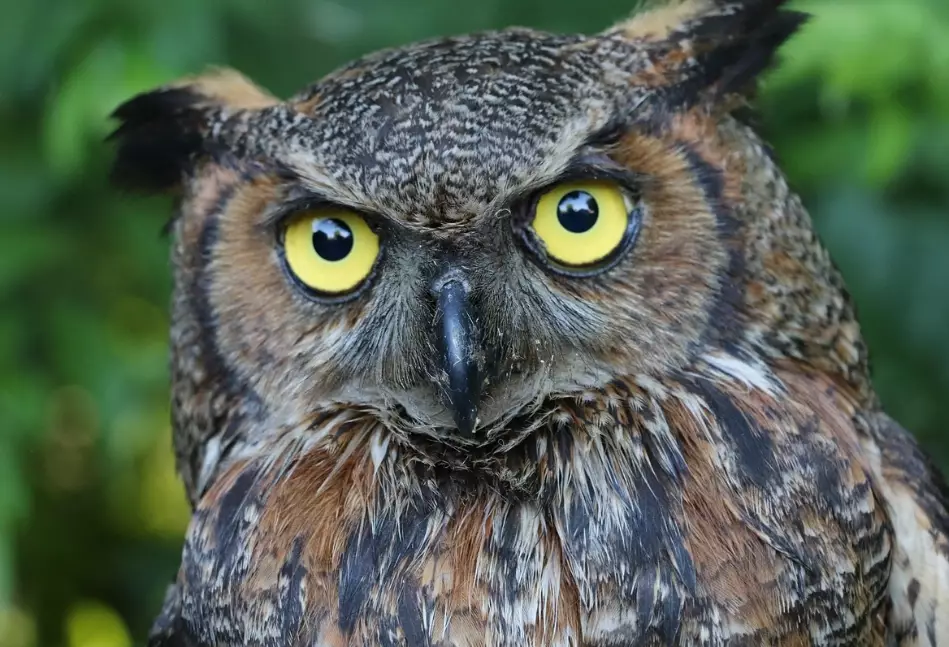
Let's be clear upfront: successful owl finding is 20% gear and 80% strategy and knowledge. The biggest mistake beginners make is heading into the woods at night with a bright flashlight, expecting owls to be sitting in the open, waiting. It rarely works that way.
What's Inside This Guide
The Quick ID "Skeleton Key"
Forget memorizing every feather pattern. Start with three fail-proof features that work in low light: size, ear tufts, and facial disk.
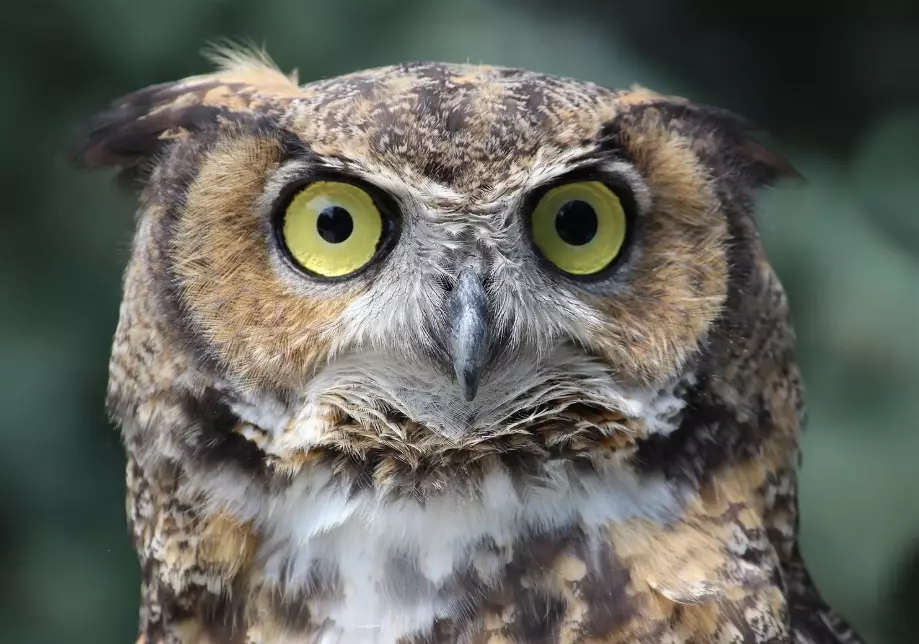
Size is relative. Compare an owl to a common bird you know. A Great Horned Owl is crow-sized. A Barred Owl is similar but stockier. A Eastern Screech-Owl is barely larger than a robin.
The facial disk—that dish-like ring of feathers—is an owl's sound satellite dish. Its shape and color are huge tells. Barn Owls have a stark white, heart-shaped disk. Barred Owls have a rounded, grayish-brown disk with dark concentric circles. Great Gray Owls have the largest disks, with concentric rings that make them look like a giant bullseye.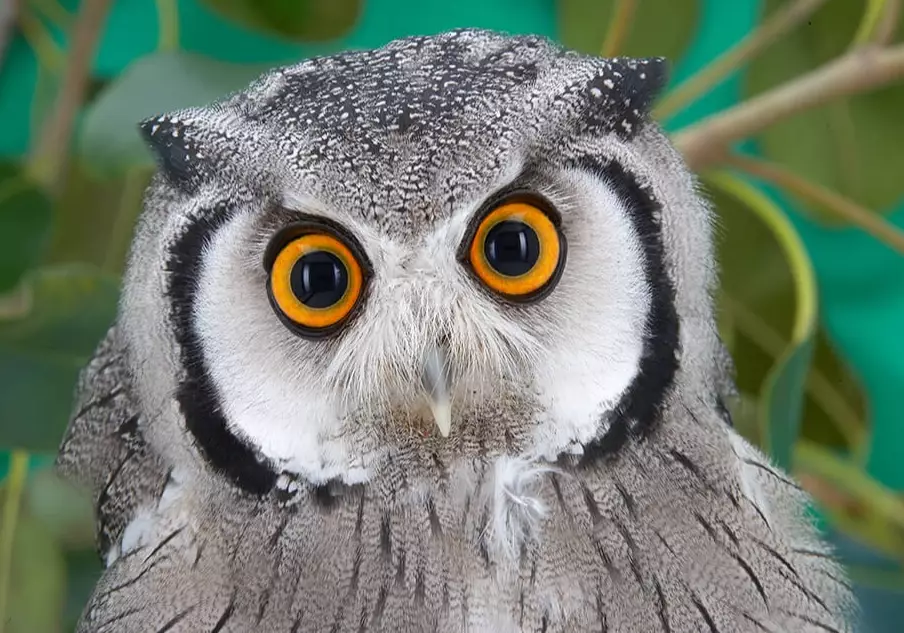
Here’s a cheat sheet for common North American species:
| Owl Species | Size Comparison | Key Field Mark | Classic Call |
|---|---|---|---|
| Great Horned Owl | Large (Crow) | Prominent ear tufts, white throat patch | Deep, rhythmic "hoo-hoo-hooooo hoo" |
| Barred Owl | Large (Stocky crow) | Round head, dark eyes, vertical chest streaks | "Who cooks for you? Who cooks for you-all?" |
| Eastern Screech-Owl | Small (Robin) | Small ear tufts, comes in gray or red morph | Whinny or soft trill |
| Barn Owl | Medium (Pigeon) | Heart-shaped white face, buff back | Long, eerie screech (not a hoot) |
| Northern Saw-whet Owl | Very Small (Sparrow) | Big head, no ear tufts, white "Y" between eyes | Repetitive, mechanical "toot-toot-toot" |
I once spent an hour trying to spot a "mystery owl" with a weird call, only to realize it was a mourning dove cooing from a low branch. It happens. Learn the common non-owl sounds too.
Where to Look (And When)
Location trumps everything. You won't find a Burrowing Owl in a dense pine forest. Think habitat first.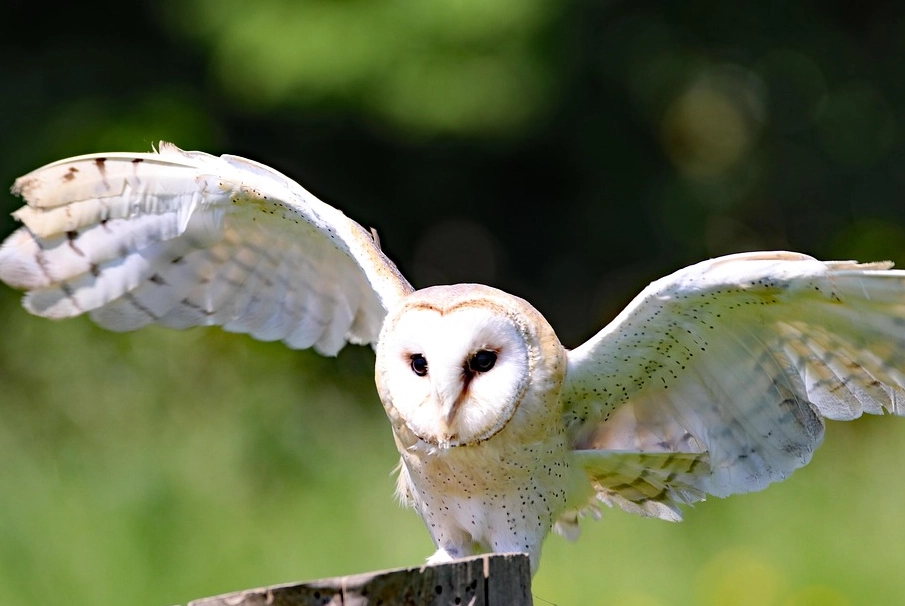
Habitat Matchmaking
Great Horned Owls are the generalists. They're in forests, swamps, deserts, even city parks with large trees. Look for their massive stick nests, often old hawk or crow nests they've taken over.
Barred Owls love mature woods near water—swamps, river bottoms. They're less shy than others and might watch you from a nearby branch in daylight.
Barn Owls need open fields for hunting and cavities for nesting. Check old barns (with permission), church steeples, and nest boxes on agricultural land. A report from the National Audubon Society notes their decline in some areas due to habitat loss.
Small forest owls (Screech, Saw-whet) need tree cavities. Look in deciduous woods with older trees. A woodpecker hole is a prime real estate listing.
The Best Time is Not Just Night
Dusk is the golden hour. Owls become active, but there's enough light to see shapes. Dawn is a close second.
But here's the secret: winter afternoons. Leafless trees make owls easier to spot, and they often roost in sun patches to conserve energy. Some of my best sightings—like a Long-eared Owl roost in a dense cedar thicket—were in broad daylight in February. They were just sitting there, perfectly camouflaged, until one blinked.
Listen for mobbing birds. Crows, jays, and chickadees going absolutely berserk in one spot is a dead giveaway. They're harassing a predator. Go investigate quietly; it's often an owl.
The Ethical Observer's Toolkit
Observing owls is a privilege, not a right. Stress can cause them to abandon a prime hunting perch or, worse, a nest.
Light: Use a red flashlight. It preserves your night vision and is less disturbing to wildlife. A bright white light in an owl's face is blinding and rude. Keep any light pointed low, at the ground or the tree trunk below the owl, not directly at it.
Sound: The playback debate is real. Using recorded calls to lure an owl is tempting. I've done it. But I've also seen a Barred Owl get chased off by a rival I summoned, leaving its perch agitated for an hour. The Cornell Lab of Ornithology advises extreme caution, especially near nests. Your presence is already an impact. Adding auditory stress is often unnecessary. Learn to find them by sign instead.
The Ground Tells the Story: Look for whitewash (chalky droppings) on tree trunks, branches, and the ground. Look for pellets—regurgitated bundles of fur and bone. Finding a "whitewash zone" under a conifer is the single best clue you're under a roost. Look up slowly.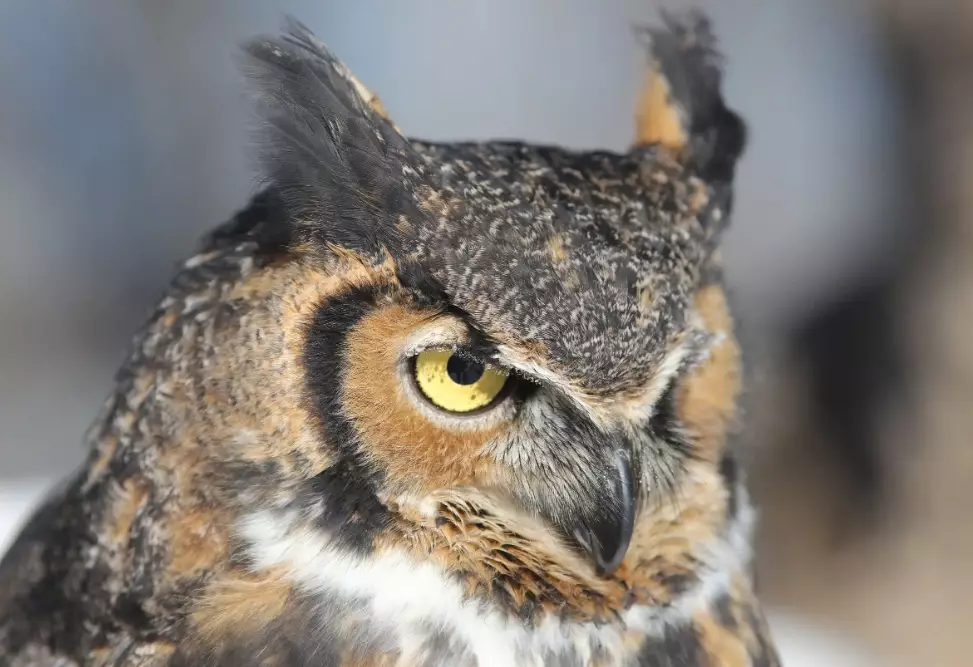
Understanding Owl Behavior: Beyond the Hoot
Owls aren't just night-hunting machines. Their behavior reveals their ecology.
Why are they so quiet? Their feathers have fringed edges that break up turbulent air, making their flight virtually silent. It's not magic; it's biomechanical engineering for stealth.
What's with the head bobbing? They're triangulating. An owl's eyes are fixed in their sockets. To judge distance with precision, they bob their heads to create parallax, like we might move our head side-to-side to line up a putt.
The "wise owl" trope? Mostly myth. They're excellent, specialized predators, but not particularly smarter than other birds. Their forward-facing eyes and solemn expression just look thoughtful to us.
Their role is critical. As apex nocturnal predators, they control rodent and insect populations. A family of Barn Owls can eat over 1,000 mice in a breeding season. Supporting owls means avoiding rodenticides, which poison the owls when they eat contaminated prey. The U.S. Fish and Wildlife Service has documented numerous owl deaths linked to these chemicals.
Consider putting up a nest box. It's a direct conservation action. Plans for Screech-Owl and Barn Owl boxes are easy to find online. Place them high, facing away from prevailing winds, and be patient. It might take a year or two for owls to find it.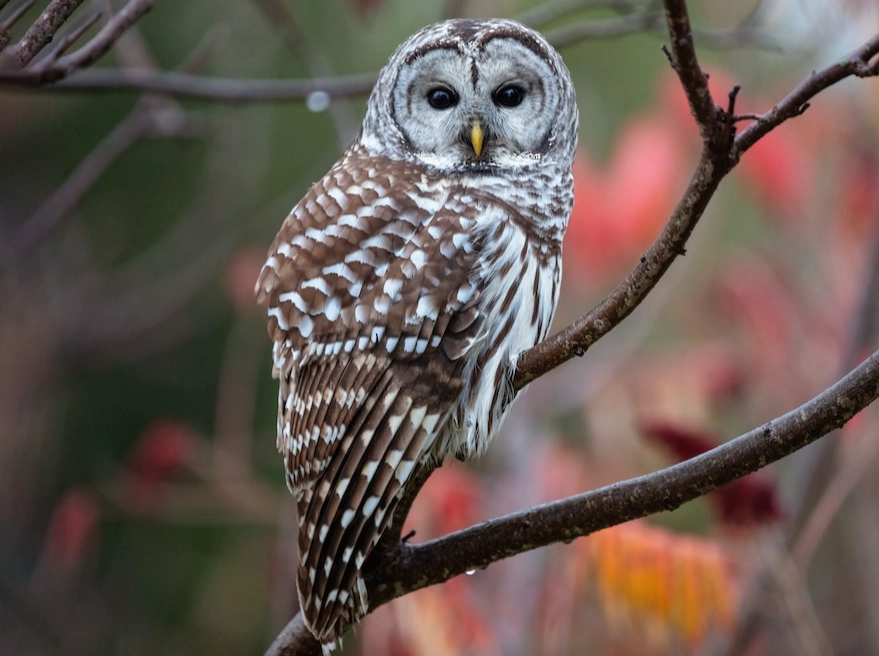
Your Questions Answered
 Can I put out food to attract owls to my yard?
Reader Comments