If you've ever heard a cheerful "chick-a-dee-dee-dee" in your backyard, you've met one of North America's most beloved birds. The black capped chickadee isn't just cute—it's a master of survival, and with a few tips, you can easily attract and observe them. I've spent over a decade watching these birds, and in this guide, I'll share everything from identification secrets to common mistakes beginners make.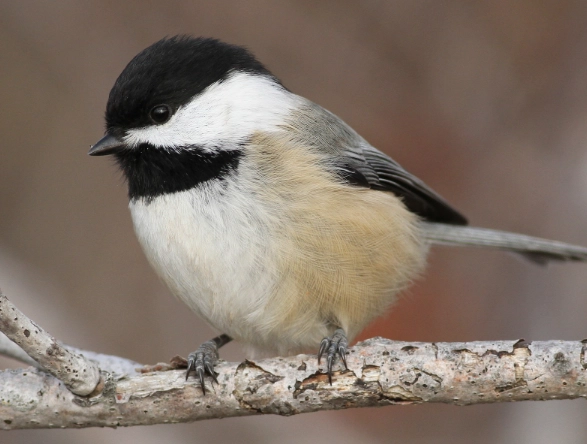
Quick Navigation
How to Identify a Black Capped Chickadee
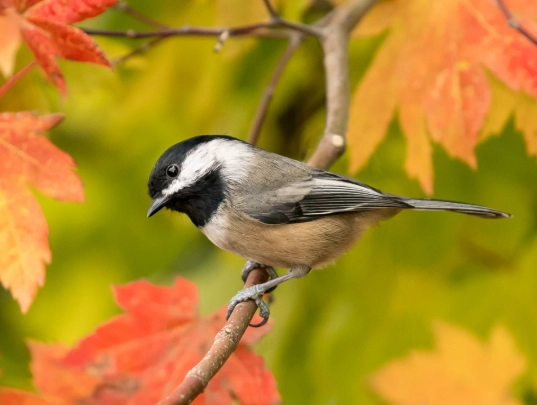
Spotting a black capped chickadee is easier than you think, but many confuse them with other small birds. Their key features include a black cap and bib, white cheeks, and gray back. They're about 5 inches long—roughly the size of a sparrow. The call is a dead giveaway: that familiar "chick-a-dee-dee-dee" or a clear "fee-bee" whistle.
I remember a trip to Maine where a beginner pointed at a tufted titmouse, thinking it was a chickadee. The titmouse has a crest and lacks the black bib. Here's a quick comparison table based on data from the Cornell Lab of Ornithology's All About Birds guide.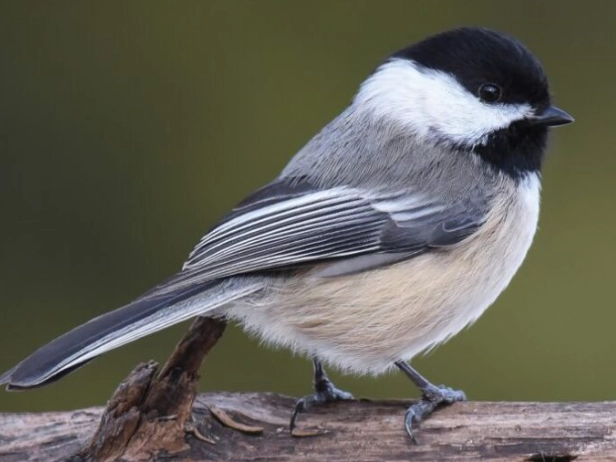
| Bird Species | Key Features | Call Sound |
|---|---|---|
| Black Capped Chickadee | Black cap and bib, white cheeks, gray back | "chick-a-dee-dee-dee" or "fee-bee" |
| Carolina Chickadee | Similar but smaller, range limited to southeastern US | Faster, higher-pitched call |
| Tufted Titmouse | Gray crest, no black bib, orange flanks | "peter-peter-peter" whistle |
Look for their acrobatic movements—they often hang upside down on branches. In winter, their feathers fluff up for insulation, making them look rounder.
Where to Find Black Capped Chickadees
These birds are widespread across northern North America, from Alaska to New England. They thrive in mixed forests, parks, and suburban backyards. I've had the best luck in edges of woodlands, where trees meet open spaces.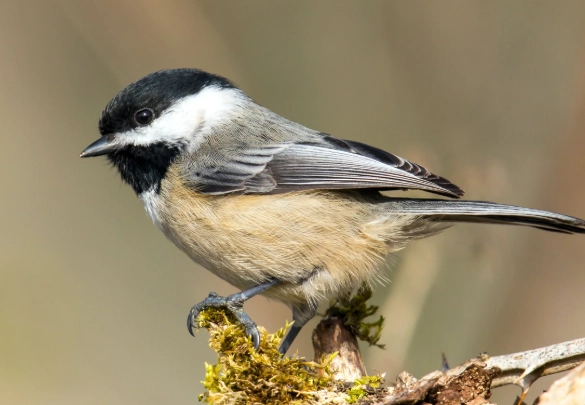
During breeding season (April to July), they nest in tree cavities or birdhouses. In winter, they form flocks with other small birds like nuthatches. If you're in an urban area, don't give up—I've seen them in city parks like New York's Central Park, as long as there are mature trees.
Pro tip: Visit local nature reserves in early morning. Chickadees are most active then, and you'll avoid crowds. Bring binoculars with a wide field of view—it helps track their quick movements.
Behavior, Diet, and Seasonal Changes
Black capped chickadees are curious and social. They cache food—like seeds and insects—in bark crevices for winter, remembering thousands of locations. Their diet shifts with seasons: insects in summer, seeds and berries in winter.
One thing I've noticed: they're bolder than people think. In my backyard, they'll land on my hand if I hold sunflower seeds. But they have a hierarchy—dominant birds feed first. Watch for subtle body language: fluffed feathers mean they're relaxed, while rapid calls signal alarm.
Seasonal Adaptations
In cold months, they lower their body temperature at night to conserve energy. That's why you see them puff up—it traps heat. According to research from the National Audubon Society, chickadees in colder regions have larger brains relative to body size, aiding memory for food caches.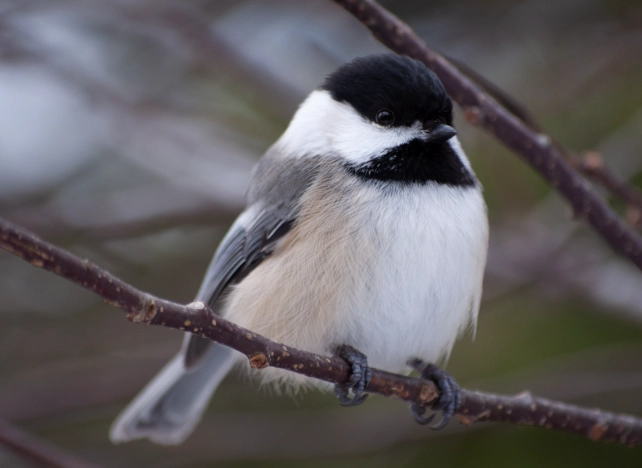
How to Attract Black Capped Chickadees
Attracting chickadees is straightforward if you avoid common pitfalls. Here's a step-by-step approach based on my experience.
Step 1: Choose the Right Food. They love black oil sunflower seeds—it's like candy to them. Avoid cheap seed mixes with fillers like milo; chickadees will pick out the good stuff and leave a mess. Suet cakes in winter are a hit too.
Step 2: Pick Proper Feeders. Tube feeders with small perches work best. I've tried fancy models, but simple ones from brands like Droll Yankees last longer. Place feeders near shrubs or trees for cover, but not too close—about 10 feet away to prevent squirrel raids.
Step 3: Provide Water. A birdbath or shallow dish with fresh water year-round attracts them, especially in freezing weather when other sources are scarce.
Step 4: Create Habitat. Plant native trees like oaks and birches. Leave dead branches for nesting sites. I once left a dead tree stump in my yard, and a pair nested there the next spring.
It might take a week or two for them to find your setup. Be patient—once they do, they'll return daily.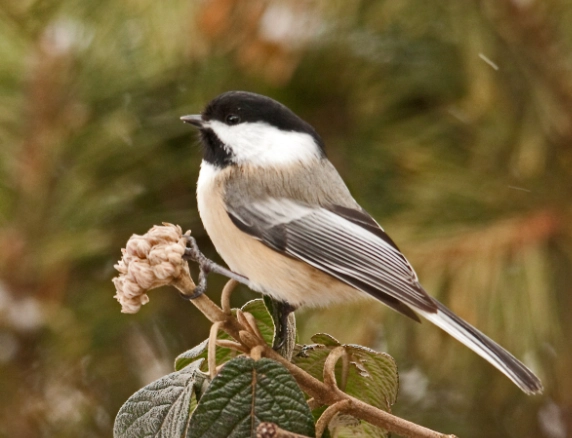
Common Chickadee Observation Mistakes
Beginners often get frustrated because they miss key details. Here are three mistakes I see all the time.
Mistake 1: Assuming they're shy. Chickadees are actually inquisitive. If you stay still and quiet, they'll approach. I've had them land on my camera lens while I was filming.
Mistake 2: Using the wrong feeder placement. Placing feeders in open areas makes them vulnerable to hawks. Tuck them near cover, but avoid dense bushes where cats might hide.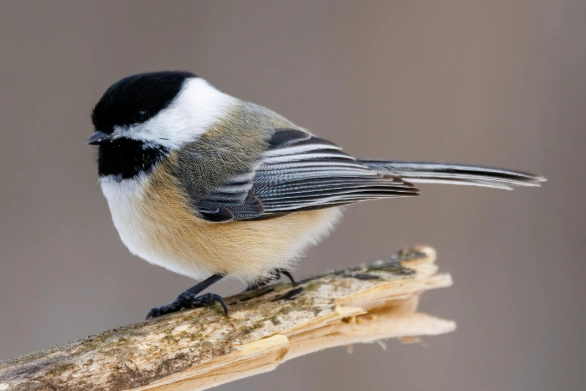
Mistake 3: Ignoring calls. Their "chick-a-dee" call varies with threat level—more "dees" mean higher danger. Learn to distinguish it from other birds' sounds. A recording from the Macaulay Library can help practice.
My own blunder: I once used a feeder with large ports, and chickadees struggled to access seeds. Switched to smaller ports, and traffic doubled.
Frequently Asked Questions
Black capped chickadees are more than just backyard visitors—they're indicators of a healthy ecosystem. With these tips, you'll not only spot them but also contribute to their well-being. Grab your binoculars, set up a feeder, and enjoy the show.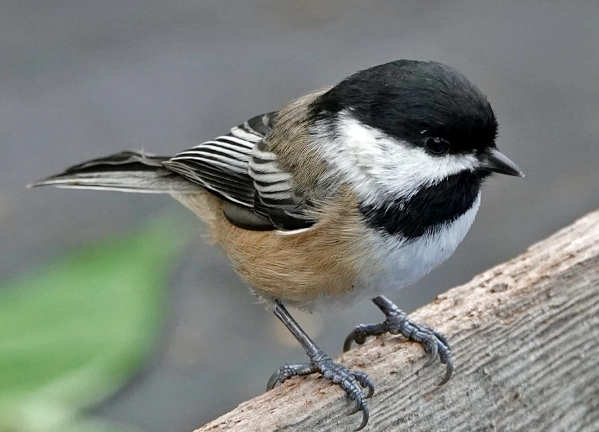
Reader Comments