Europe is a continent stitched together with an incredible tapestry of habitats, from Arctic tundra and ancient forests to vast wetlands and rugged coastlines. This diversity makes it a world-class destination for bird watchers. But with so many options, where do you even start? This isn't just a list of pretty places. It's a practical guide from someone who's spent over a decade chasing feathers across the continent, designed to help you plan a trip you'll never forget. We'll cut through the noise and focus on the spots that deliver consistent, breathtaking encounters, giving you the details you need to make it happen.
Your Quick Birding Trip Planner
- The Unmissable Top European Birding Destinations
- Spain's Doñana National Park: A Wetland Wonder
- Hungary's Hortobágy National Park: The Puszta Plains
- Norway's Varanger Peninsula: Arctic Specialties
- The UK's Cairngorms National Park: Highland Treasures
- How to Plan Your European Birding Adventure
- A Pro's Advice: Avoiding Common Birding Trip Mistakes
- Your European Bird Watching Questions Answered
The Unmissable Top European Birding Destinations
Picking just a few is tough, but these four locations represent the pinnacle of European birding across different habitats. They're reliable, accessible, and packed with species you can't easily see elsewhere. Here’s a snapshot to help you compare.
| Destination & Country | Prime Habitat | Best Time to Visit | Star Species (A Few Examples) | Key Access Point & Notes |
|---|---|---|---|---|
| Doñana National Park (Spain) | Maritime marshes, lagoons, dunes, Mediterranean forest | Spring (Apr-May), Autumn migration (Sept-Oct) | Spanish Imperial Eagle, Purple Swamphen, Greater Flamingo, Azure-winged Magpie | El Rocío village. Access to core areas restricted; guided 4x4 tours essential. Visitor centers open daily. |
| Hortobágy National Park (Hungary) | Puszta (steppe grassland), fishponds, marshes | Late April to early June, August for migration | Great Bustard, Red-footed Falcon, Saker Falcon, Aquatic Warbler | Hortobágy village. Excellent network of dikes and observation towers. Fishponds at Hortobágy-Halastó are a highlight. |
| Varanger Peninsula (Norway) | Arctic tundra, cliffs, fjords | June-July (midnight sun, breeding), May & Sept for migration | King Eider, Steller's Eider, Gyrfalcon, Red-throated Pipit, Brünnich's Guillemot | Vadsø or Hammerfest. Requires a rental car. Roads are good; weather is the main challenge. No entry fees for nature. |
| Cairngorms National Park (UK, Scotland) | Ancient Caledonian pine forest, montane plateau, lochs | May-July for breeding specialists, winter for special visitors | Capercaillie, Scottish Crossbill, Crested Tit, Ptarmigan, Golden Eagle | Aviemore town. Use public hides (like at Loch Garten) for sensitive species. Respect strict codes for Capercaillie areas. |
The table gives you the lay of the land, but the real magic is in the details. Let's dig deeper into what makes each place special and how you can experience it.
Spain's Doñana National Park: A Wetland Wonder
Doñana, in Andalusia, is a UNESCO site and a critical stopover for millions of migrating birds. The heart of the park is protected, but the surrounding areas are incredibly rich. The town of El Rocío is surreal, with sandy streets leading right to the marsh edge. You'll see flocks of Glossy Ibis and Spoonbills from the town's perimeter road.
Don't make the mistake of thinking you can explore it all yourself. The most biodiverse areas require a licensed 4x4 tour. Companies like Doñana Visitas or Discovering Doñana run half-day and full-day trips from El Rocío. Booking ahead is crucial, especially in spring. A typical 4-hour tour costs around €35-50 per person.
For a DIY option, head to the José Antonio Valverde Visitor Center (open daily, free). It's about a 30-minute drive from El Rocío and has a fantastic network of trails and hides overlooking permanent lagoons. I've spent hours there watching Purple Swamphens clamber through reeds and Spanish Imperial Eagles soaring in the distance. The nearby Dehesa de Abajo visitor center and lagoon is another reliable spot for flamingos and herons.
Local Insight: Everyone wants to see the Lynx. While Doñana is a stronghold, spotting one is incredibly rare. Bird guides often know the general territories, but treat any Lynx sighting as a miraculous bonus, not the goal. Your day will be made by the hundreds of other species.
Hungary's Hortobágy National Park: The Puszta Plains
Hortobágy is about vast, open skies and grassland specialists. The Nine-holed Bridge in Hortobágy village is the iconic starting point. The key here is timing your visit with the guided tours to the strictly protected areas where Great Bustards lek. The park organization runs these tours (information at the National Park Visitor Centre), and they are worth every penny.
My favorite area is the Hortobágy-Halastó fishponds. You drive along dikes between massive ponds, stopping at observation towers. In spring and autumn, it's a wader magnet. I've seen hundreds of Black-tailed Godwits, Ruff in full breeding plumage, and flocks of foraging Pygmy Cormorants. The Máta Pastures are excellent for seeing herds of Racka sheep and, with patience and a scope, hunting Saker Falcons.
Accommodation is simple but comfortable in nearby towns like Hortobágy or Balmazújváros. Renting a car from Debrecen airport is the most practical way to get around.
Norway's Varanger Peninsula: Arctic Specialties
This is frontier birding. The landscape is raw and breathtaking. The target birds are tough, cold-adapted specialists. Base yourself in Vadsø or Hammerfest and prepare to drive. The road from Varangerbotn to Hamningberg is legendary.
Vadsø Harbour is famous for wintering King and Steller's Eiders. Even in summer, some linger. Ekkerøy village offers cliffs with nesting Black Guillemots and meadows full of breeding waders like Temminck's Stint. The Hamningberg area at the road's end feels like the edge of the world, with rocky shores perfect for scanning for Gyrfalcon and White-tailed Eagle.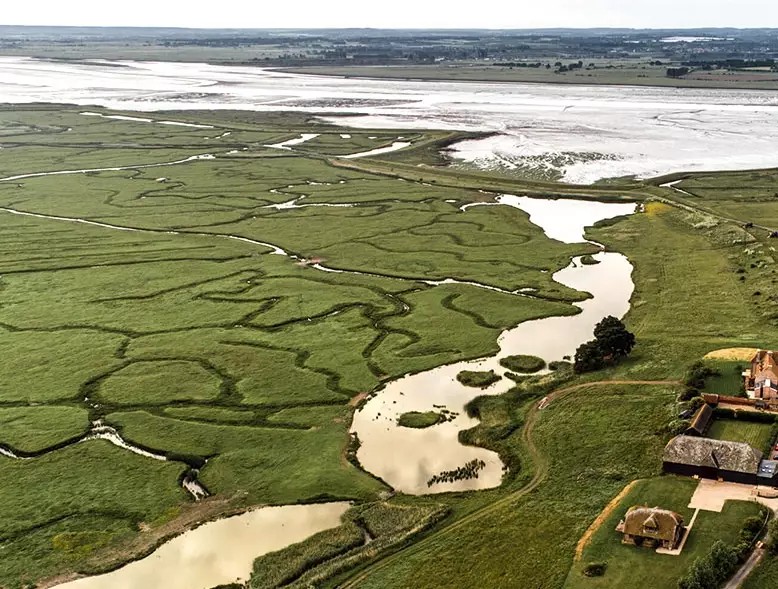
The weather is the boss. Pack for all seasons—windproof layers, thermals, and waterproofs are non-negotiable, even in July. There are no entry fees or opening hours; you're just in the Arctic wilderness. The Varanger.com website is an outstanding resource run by local experts.
The UK's Cairngorms National Park: Highland Treasures
The Cairngorms offer a unique set of birds tied to Britain's last remaining ancient pine forest and high mountains. Aviemore is the main hub. For the famous forest trio—Capercaillie, Crested Tit, and Scottish Crossbill—you need strategy.
The RSPB Loch Garten Osprey Centre (open April-August, entry fee applies) is a must. Not just for Ospreys, but its feeders are a guaranteed spot for Crested Tits and Scottish Crossbills. Seeing a Crested Tit so close, with its punk-rock crest, is a joy.
Capercaillie are a different story. They are secretive and under severe pressure. The best chance is at a dedicated public hide, like the one at the Abernethy Forest Reserve (RSPB), which requires very early morning arrival (pre-dawn) and absolute silence during the April-May lekking season. Do not under any circumstances go off-path searching for them; you'll cause disturbance. Ptarmigan require a hike up onto the Cairngorm plateau—take the funicular to the Ptarmigan station and walk from there with care, dressed for sudden mountain weather.
How to Plan Your European Birding Adventure
Once you've chosen a destination, the real work begins. A common pitfall is trying to cram too many countries into one trip. Europe might look small on a map, but travel between these hotspots takes time. Focus on one or two regions in depth.
Logistics: For Doñana or Hortobágy, fly into Seville (SVQ) or Budapest (BUD)/Debrecen (DEB) respectively, then rent a car. For Varanger, fly to Kirkenes (KKN) or Tromsø (TOS) and rent from there. The Cairngorms are easiest via Edinburgh (EDI) or Inverness (INV).
Guides vs. Solo: In places with restricted access or tricky species (Doñana's interior, Great Bustard leks, searching for Gyrfalcon), a local guide for a day or two is an investment that pays off in sightings and knowledge. For general birding in the fishponds or forest trails, going solo with a good field guide is perfectly viable.
A Pro's Advice: Avoiding Common Birding Trip Mistakes
After ten years, you see patterns. The biggest mistake isn't missing a bird; it's failing to prepare for the experience.
First, obsessing over a single "lifer" checklist. I've seen people get so fixated on finding, say, a Capercaillie that they rush through the Caledonian forest, missing the subtle beauty of a Treecreeper or the drama of a Crossbill feeding its young. Enjoy the whole ecosystem.
Second, underestimating the terrain and climate. The Arctic tundra in June can be deceptively cold and windy. The Spanish sun in May can be brutal. Blisters from ill-fitting boots or hypothermia from a sudden mountain storm will ruin your trip faster than a missed bird.
Third, ignoring local codes of conduct. This is critical. In the Cairngorms, there are signed areas closed during the Capercaillie lekking season. Respect them. In all wetlands, stay on paths to avoid trampling nests. Your desire for a photo never outweighs the welfare of the bird. Organizations like BirdLife International promote these ethics globally.
Your European Bird Watching Questions Answered
 How do I ethically photograph birds in these sensitive areas without causing disturbance?
Reader Comments