You see them everywhere. Perched on a power line, hopping across your lawn, their sharp "caw" cutting through the morning quiet. Most people just see a black bird. A nuisance, maybe. But if you've ever paused to watch a crow for more than a minute, you might have sensed there's more going on. I've spent over a decade watching corvids, and I can tell you—they're not just birds. They're feathered geniuses with complex social lives, long memories, and personalities. This guide isn't just a list of facts. It's a look into the world of one of the most misunderstood and fascinating animals on the planet.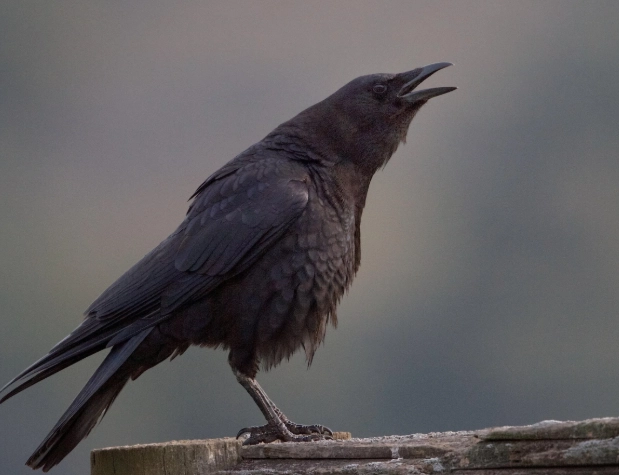
What’s Inside This Guide
How Smart Are Crows, Really?
Let's get this out of the way. Crows are terrifyingly smart. Their intelligence isn't just about solving puzzles; it's about social reasoning, memory, and innovation.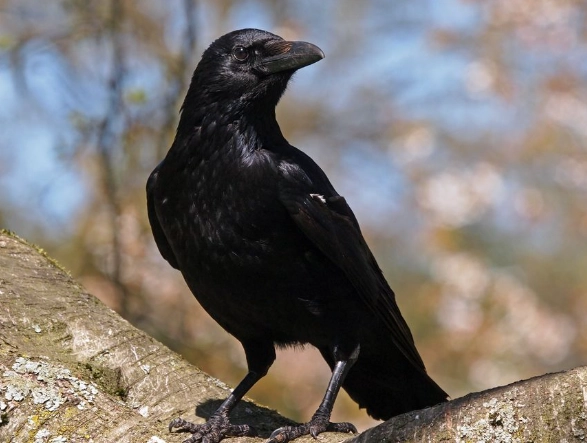
I remember watching a crow at a busy park. It had a walnut. Instead of trying to crack it itself, it waited at a crosswalk, placed the nut on the road just as the light turned green, and hopped back to the curb. A car drove over the nut, cracking it perfectly. The crow waited for the light to turn red again, then strolled out to collect its meal. This kind of tool use and understanding of cause-and-effect is documented science, not just an anecdote. Researchers at the Cornell Lab of Ornithology have published studies on similar behaviors.
Key Point: A crow's brain-to-body ratio is similar to that of a great ape. They have a large forebrain, the area associated with complex thought in mammals.
Here are a few concrete examples of their intelligence that often get overlooked:
- Face Recognition & Grudges: In a famous University of Washington study, researchers wearing "dangerous" masks trapped crows. Years later, the crows still scolded and mobbed anyone wearing that mask, even if they'd never been trapped themselves. The younger crows learned who to distrust from their parents. They don't forget a face.
- Tool Modification: New Caledonian crows don't just use sticks. They make tools. They'll strip a twig of leaves, shape the end into a hook, and use it to fish insect larvae out of holes. They'll even save their favorite tools for later use.
- Planning for the Future: Experiments have shown crows can plan several steps ahead, a cognitive feat once thought unique to humans and great apes. They'll select a tool they can't use immediately but will need later to get a better reward.
The mistake many bird guides make is listing these facts like a grocery list. The real takeaway is this: when you see a crow, you're looking at an animal that is assessing you, remembering you, and making decisions based on a rich internal life. It changes how you see them.
Understanding Common Crow Behavior (It's Not Just Noise)
That constant cawing isn't random. It's a sophisticated language. After years of listening, you start to pick up patterns. A series of rapid, harsh "caws" from a single crow usually means a ground predator like a cat is nearby. A whole group joining in with a rhythmic, almost conversational call might be a general assembly or territory announcement.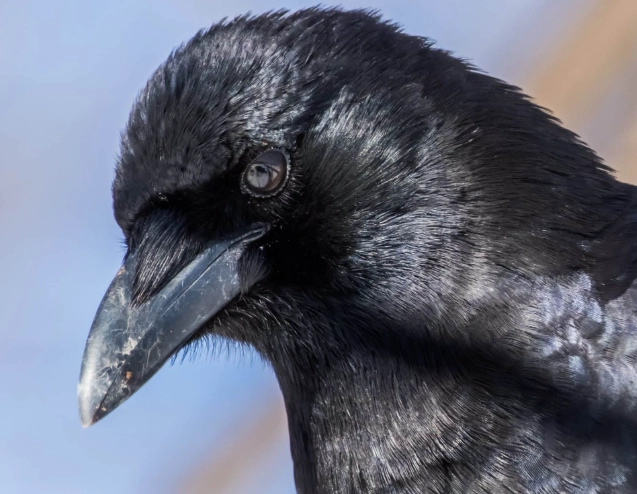
Why Do Crows Mob Hawks?
You've probably seen it—a red-tailed hawk sitting miserably in a tree while five or six crows dive-bomb it, cawing loudly. This isn't just bullying. It's a calculated community defense strategy. Hawks prey on young crows and eggs. By mobbing the hawk, the crows are doing three things: 1) letting everyone know a threat is present, 2) harassing the predator so it leaves the area, and 3) teaching their young what a hawk looks like and how to deal with it. It's dangerous work, but it's essential for the flock's safety.
The Funeral Myth (And the Reality)
One of the most persistent stories is that crows hold funerals for their dead. The reality is more pragmatic, but no less fascinating. When crows find a dead crow, they gather and make a huge racket. Scientists believe this serves as a critical learning event. The gathering is a loud, intense lesson: "This place, this object, this potential cause of death is DANGEROUS. Remember it." It's less about mourning and more about collective risk assessment. A study published in National Geographic supports this "danger learning" theory.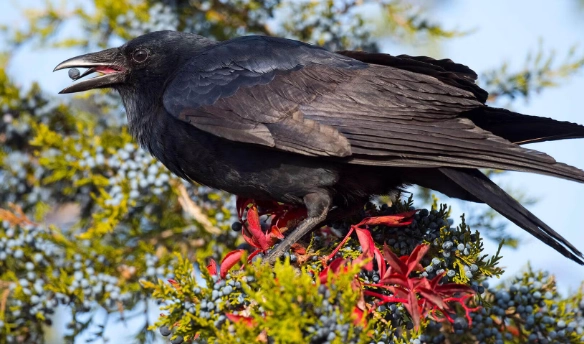
How to Tell a Crow From a Raven (A Simple Guide)
This is the number one question I get. Mixing up a crow and a raven is like confusing a sedan with an SUV. Once you know the cues, it's obvious.
| Feature | American Crow | Common Raven |
|---|---|---|
| Size | Pigeon-sized (~17-21 inches) | Red-tailed Hawk-sized (~22-27 inches) |
| Tail Shape | Fan-shaped, squared-off in flight | Wedge-shaped or diamond-shaped in flight |
| Call | A clear, sharp "caw-caw" | A deep, guttural, croaking "cronk" or "gronk" |
| Throat Feathers | Smooth | Shaggy, beard-like "hackles" |
| Flight Style | Steady, rowing wingbeats | More soaring, often plays in the wind |
| Habitat | Very adaptable: cities, suburbs, farms | Prefers wilder areas: mountains, forests, cliffs (but adapting to towns) |
My quick field tip? Listen first. That deep, resonant croak is almost always a raven. If you're looking at a big black bird silently soaring over a mountain pass, it's a raven. If it's two birds arguing over a french fry in a Walmart parking lot, they're crows.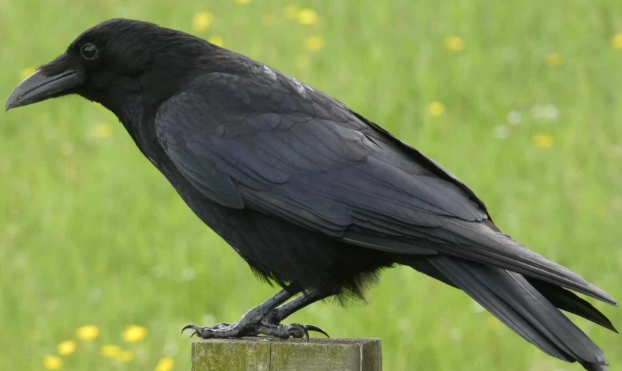
Crows in Culture: Omens, Myths, and Misconceptions
The "bad luck" crow is a very Western, very recent idea. It's largely tied to their black plumage (associated with death) and their scavenging habits on battlefields. But travel through history and across cultures, and you get a different picture.
In many Native American traditions, Crow is a trickster, but also a creator and a keeper of sacred law. In Japanese mythology, the Yatagarasu, a three-legged crow, is a divine messenger and a guide. In Celtic lore, crows were associated with war goddesses, symbols of prophecy and protection on the battlefield.
The modern fear is overblown. A single crow isn't coming for your soul. It's probably just looking for grubs in your lawn. Seeing crows regularly is more accurately a sign of a healthy, adaptable urban ecosystem.
How to Attract Crows to Your Garden Safely
Want to make crow friends? It's a project, not a one-day thing. They are cautious. Here’s a step-by-step method that actually works, based on my own successes and failures.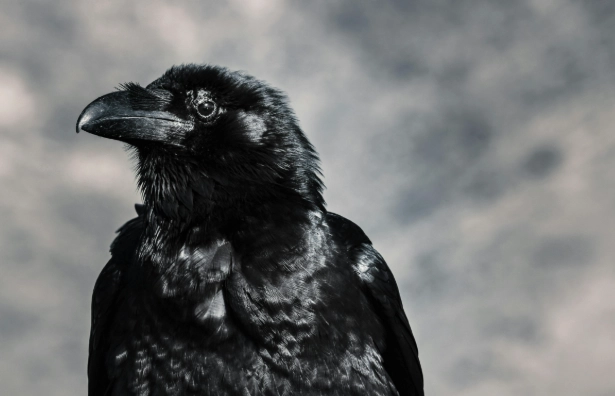
- Choose the Right Food: Skip the bread. It's junk food for them. Go for high-value, high-protein treats.
- Unsalted peanuts in the shell (the ultimate crow candy).
- Dry dog or cat kibble. It's nutritionally balanced and easy for them to carry.
- Hard-boiled eggs (shell on or off). A huge hit and full of nutrients.
- Suet chunks. Great in winter.
- Pick the Right Spot: Crows like a good vantage point. Place food on a large, open platform feeder, a flat stump, or even directly on a cleared patch of ground. It should be in the open so they can see approaching dangers (like your cat).
- Be Patiently Consistent: Put food out at roughly the same time each day. A handful is enough. Don't stare out the window at them. They'll notice. It might take two weeks of daily offerings before they even land. Then one day, you'll see them watching from a tree, then swooping down quickly. That's progress.
- The "Shiny Object" Offering: Once they're regular visitors, try leaving a small, safe shiny object like a bottle cap, a piece of tinfoil, or a washer near the food. Crows are curious about shiny things. I've had them leave small pebbles or bits of glass in return—not as "gifts" in a human sense, but perhaps as a form of interaction or curiosity.
Warning: Attracting crows can annoy neighbors if they get too loud or messy. Be considerate. Also, check local ordinances; intentionally feeding wildlife is restricted in some areas.
Your Crow Questions, Answered
How smart are crows really?
They're among the smartest animals on the planet, rivaling great apes. They can use tools, recognize human faces, hold grudges, and solve complex multi-step puzzles. For instance, they've been observed dropping nuts on roads for cars to crack open and later retrieving the food when it's safe. Their brain-to-body size ratio is similar to a chimpanzee's.
How can I tell a crow apart from a raven?
Look for size, tail shape, and call. Ravens are much larger, about the size of a Red-tailed Hawk, with a wedge-shaped tail and a deep, croaking "cronk" call. Crows are smaller, with a fan-shaped tail and the classic "caw-caw" sound. In flight, ravens often soar like hawks, while crows have a steadier, rowing wingbeat.
What's the best way to attract crows to my yard?
Start with a consistent food source. Place unsalted peanuts in the shell, dog kibble, or suet on a high, open platform feeder or directly on the ground in a quiet spot. Be patient and consistent; it can take weeks for them to trust the spot. Avoid bread and salty junk food. Once they visit, you can try leaving out shiny objects as an offering, as they are curious about them.
Are crows a sign of bad luck?
That's a common myth, but it's largely cultural. In many Western traditions, a single crow can be seen as an omen. However, in other cultures, like some Native American tribes and in parts of Asia, crows are seen as messengers, guides, or even creators. Scientifically, they are just highly adaptable birds. Seeing one is more a sign of a healthy ecosystem than impending doom.
So next time you hear that familiar "caw," take a moment. You're not just hearing a bird. You're hearing a conversation, a warning, a piece of a complex social network. You're witnessing one of nature's greatest minds at work. Whether you choose to watch from afar or try to make a feathered friend with some peanuts, understanding the crow opens up a hidden layer of the world right outside your door.
Reader Comments