重点摘要
- The Core Principles: What to Look For
- Behavioral Hints: How They Act Tells You Who They Are
- The Sound Clue: Songs vs. Calls
- Seasonality is Everything
- Common Scenarios and How to Solve Them
- Tools and Resources to Level Up Your Skills
- Frequently Asked Questions
- Putting It All Together: A Step-by-Step Field Routine
You're out with your binoculars, and you spot a familiar bird. You know it's a robin, or maybe a cardinal. But then you notice another one nearby that looks slightly different—maybe the colors are duller, or the markings aren't as crisp. Is it a different species? A female? Or just a youngster? That moment of curiosity is where real birding begins. Mastering bird identification by age and sex transforms you from someone who just names birds into someone who understands their stories.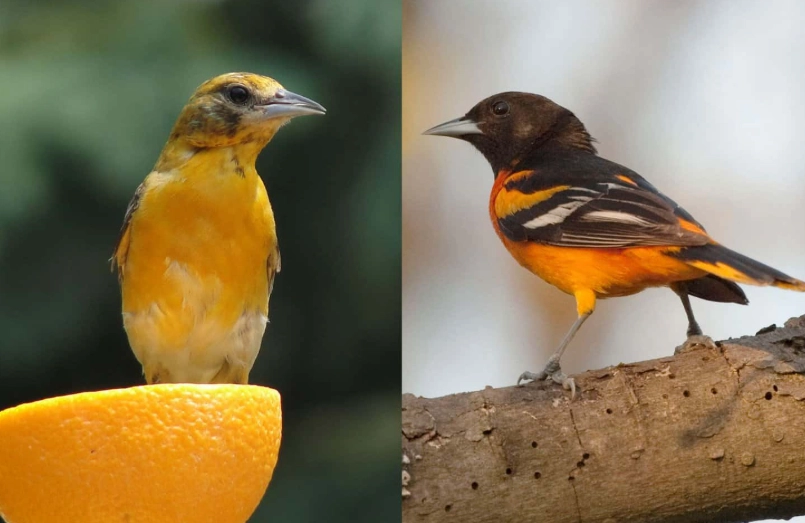
It's not always easy. Field guides often show the picture-perfect adult male in breeding plumage. The real world is messier, filled with juveniles, molting adults, and females that evolution has dressed in more camouflaged tones. I remember spending ages confused by what I called "weird sparrows" in my backyard, only to realize they were often just young birds or females of common species I already knew. That frustration is common, but the good news is there's a logic to it all.
Why bother learning this? Knowing a bird's age and sex isn't just for showing off. It tells you about breeding activity in your area, helps you understand population health, and deepens your connection to the natural cycles happening right outside your window. It turns a static sighting into a dynamic piece of a life story.
The Core Principles: What to Look For
Before diving into specific clues, let's set the groundwork. Bird identification by age and sex relies on a combination of features. Rarely will one single trait give you the answer. You have to become a detective, piecing together evidence from plumage, behavior, location, and time of year.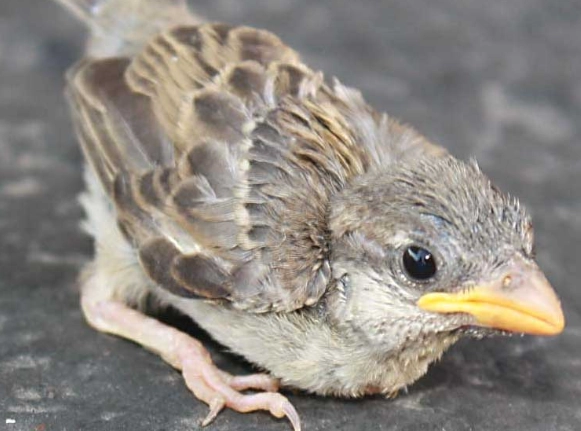
Plumage: The Most Obvious (and Tricky) Clue
Feathers tell the main story, but you have to know how to read them. Birds molt their feathers on predictable schedules, and these molts create different "plumages"—like outfits for different life stages.
- Juvenile Plumage: The first coat of true feathers after the downy chick stage. It's often looser, softer, and optimized for camouflage. Streaking or spotting on the breast is common (think young robins or starlings). Colors are usually duller.
- Basic Plumage (or Non-breeding): The plumage a bird wears for most of the year, outside the breeding season. For many species, this is a more subdued version of their breeding finery.
- Alternate Plumage (or Breeding): The "showy" plumage used to attract mates and defend territories. This is where you see the brightest colors, longest plumes, and boldest patterns, typically on males.
The trick is that molt timing varies wildly. Some birds, like many warblers, have a complete molt twice a year. Others do it once. Young birds of some species (like eagles or gulls) can take years to reach their adult appearance, going through several distinct immature plumages. That's what makes gull identification by age and sex a notorious challenge among birders.
Soft Parts: Eyes, Beaks, and Legs
Don't just stare at the body feathers. The color of a bird's eyes, its beak (culmen), and its legs can be dead giveaways for age, especially.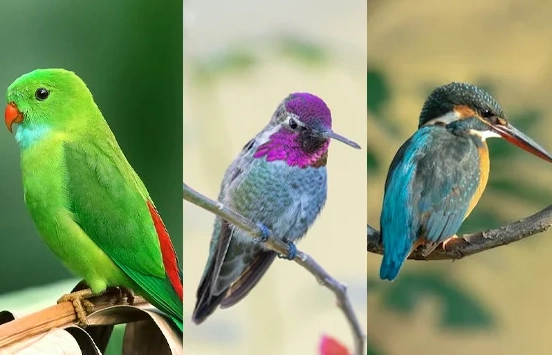
| Bird Group | Juvenile/Immature Clue | Adult Clue | Example Species |
|---|---|---|---|
| Robins & Thrushes | Heavy breast spotting/streaking; pale corners on tail feathers. | Uniform breast color (e.g., brick red in American Robin); solid tail. | American Robin, Hermit Thrush |
| Gulls | Mottled brown/gray plumage; dark bill; dark eyes. | Clean gray & white plumage; bright yellow bill (often with a red spot); pale eyes. | Ring-billed Gull, Herring Gull |
| Bald Eagles | Mostly dark brown body and wings; mottled white underparts; dark beak. | Stark white head and tail; bright yellow beak and eyes. | Bald Eagle |
| Northern Cardinals | Both sexes resemble dull adult female; beak is grayish-black. | Male: vibrant red. Female: warm tan with red tinges. Both have bright coral-red beaks. | Northern Cardinal |
| House Sparrows | Duller versions of adults; males lack the full black bib. | Male: gray crown, black bib, chestnut nape. Female: plain buffy-brown with a pale eyebrow. | House Sparrow |
See? It's like a code, and once you crack it, things get clearer.
Behavioral Hints: How They Act Tells You Who They Are
Plumage can be confusing, especially during molt. That's when watching behavior becomes your best tool for bird identification by age and sex.
Begging Behavior: This is the #1 giveaway for a juvenile bird. Even if they're nearly full-sized, if they are fluttering their wings, opening their mouth wide, and making persistent, high-pitched calls near an adult, they're almost certainly a fledgling recently out of the nest. The adults will often be seen foraging frantically to keep up with the demand.
Courtship behavior is, of course, a clear sign of sexually mature adults. But look closer. Who is doing the displaying? Often it's the male performing song flights, bringing food, or showing off colorful patches. The female's behavior might be more assessing or receptive. In species where both sexes incubate eggs, seeing a bird sitting tight on a nest is a good clue it's an adult of breeding age.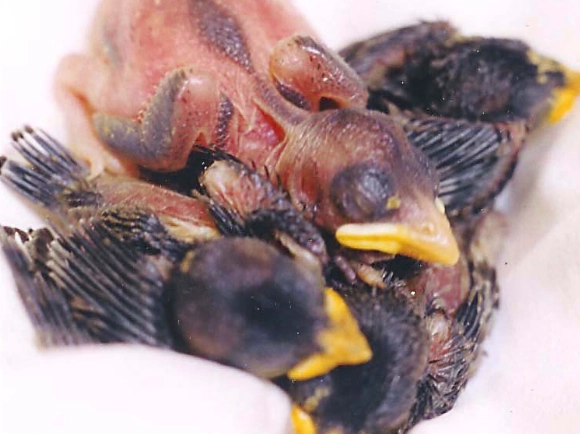
I once watched a male Downy Woodpecker drumming incessantly on a metal gutter—a classic territorial and courtship display. A few feet away, a quieter bird with less prominent head markings (the female) was just foraging. The behavioral difference made the sexual identification instant, even before I noted the lack of a red spot on her head.
The Sound Clue: Songs vs. Calls
This is a huge one, and often overlooked by beginners focusing only on visuals.
- Song: Typically longer, more complex, and used for territory defense and mate attraction. In the vast majority of songbirds, singing is done primarily by adult males. Hearing a full, strong, practiced song is a great indicator you're listening to an adult male. Young males practicing their songs later in the season often sound hesitant, incomplete, or slightly off-key.
- Calls: Shorter, simpler sounds used for alarms, contact, or begging. Both sexes and all ages make calls. The incessant begging call of a juvenile is a classic example.
So, if you're trying to determine bird gender and you hear the signature song of the species, you're very likely hearing a male. It's not 100% (female cardinals, for instance, sing quite often), but it's a powerful rule of thumb.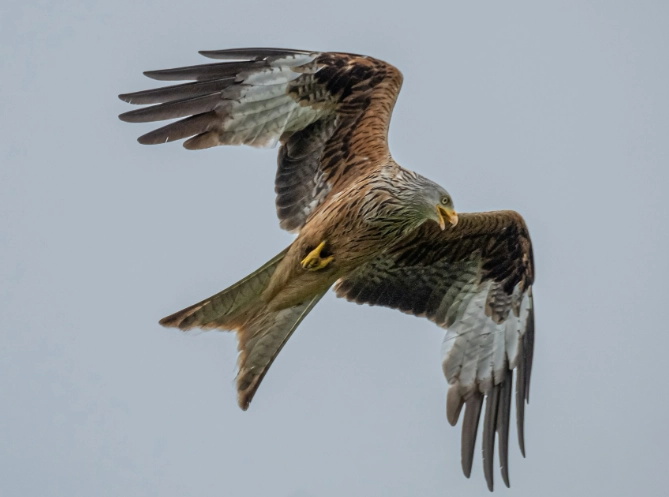
Seasonality is Everything
You can't separate bird identification by age and sex from the calendar. A bird's appearance and behavior in July are completely different from what you'll see in April.
Spring & Early Summer (Breeding Season)
This is the easiest time for sex identification. Males are in their brightest alternate plumage, singing loudly, and defending territories. Females may be more secretive due to nesting duties. In late spring and summer, you'll start to see juveniles—clumsy, streaky, and begging noisily. This is the peak time to practice telling a bird's age.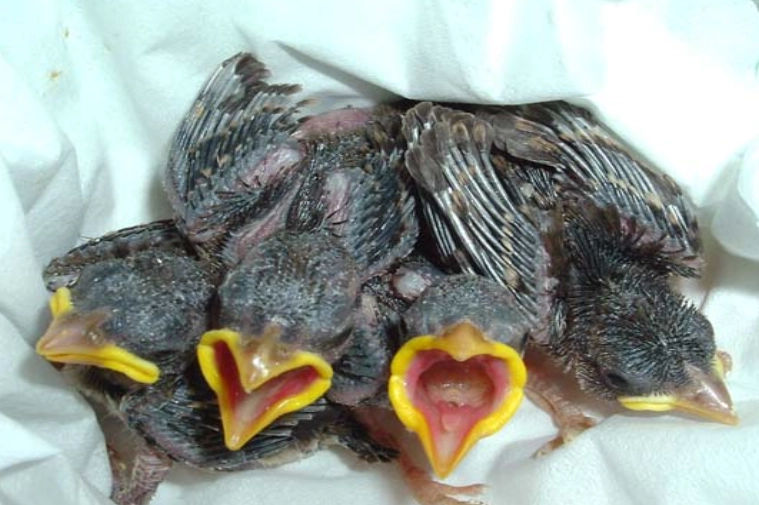
Late Summer & Fall (Molting Season)
The most challenging period. Adults are molting out of their bright feathers and can look patchy, scruffy, and confusing. Males and females can look more similar. Juveniles are also molting into their first basic plumage. It's a real test of your skills. I find fall warbler identification to be the ultimate challenge for this reason.
Winter
Birds are in their basic plumage. Sexual dimorphism (visual difference between sexes) is often reduced. Focus on other clues: bill color, eye color, and subtle plumage patterns retained from summer. Flock dynamics can also hint at sex ratios.
Common Scenarios and How to Solve Them
Let's apply this to some everyday backyard and field situations.
The "Dull Red" Cardinal
You see a cardinal that's sort of red, but muted, with a blackish face and a grayish beak. Is it a sick male? A weird female? It's almost certainly a juvenile male Northern Cardinal molting into his adult colors. He'll have patches of dull red and tan. By his first winter, he'll be mostly red but might still have some brownish feathers and a darker beak. The coral-red beak of the adult is a late development.
The "Spotty" Robin
An American Robin with a spotted breast isn't a different species. Adult robins have plain brick-red breasts. A spotted breast is the hallmark of a juvenile. They keep these spots for several weeks after leaving the nest before molting into adult-like plumage.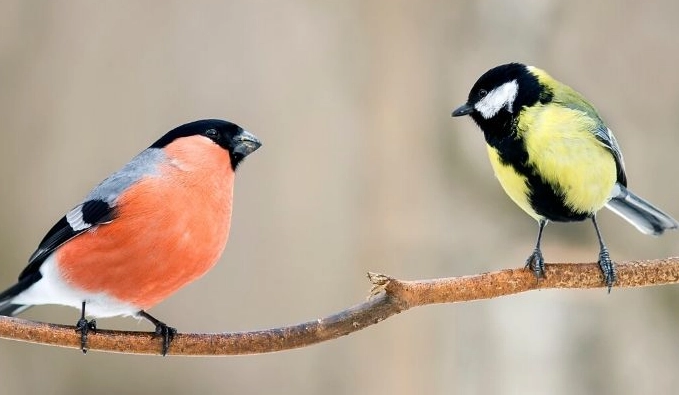
The Confusing "Little Brown Job" (LBJ)
This is where many give up. Is that streaky brown bird a female House Finch, a juvenile Song Sparrow, or a female Purple Finch? Here, you must combine clues. Look at the beak shape—stout for finches, more conical for sparrows. Listen for a call note. Observe the habitat. Check for faint streaking on the flanks or a hint of an eyebrow stripe. A resource like the Cornell Lab of Ornithology's All About Birds is invaluable here, as they often have detailed plumage guides for different ages and sexes.
Tools and Resources to Level Up Your Skills
You don't have to figure this out alone. Modern resources are fantastic.
- Advanced Field Guides: Ditch the simple guides. Get ones like the Sibley Guides or the National Geographic guide, which devote multiple illustrations to different ages, sexes, and seasonal plumages for many species.
- eBird and Merlin App: The Cornell Lab's eBird platform is a game-changer. You can explore bar charts for your area to see what ages and plumages are likely at any given time. Their Merlin app's Photo ID tool can sometimes help with tricky plumages.
- Online Resources: The American Birding Association (ABA) website has articles and forums where experts discuss identification challenges in depth. It's a great place to see real-world examples.
A word of caution on apps: While Merlin and others are amazing, they can struggle with non-typical plumages (like juveniles or females). Use them as a starting point, not a final authority. There's no substitute for training your own eye and brain through practice.
Frequently Asked Questions (The Stuff That Really Bugs People)
No. For many species, especially in the non-breeding season, males and females look identical to our eyes (e.g., Blue Jays, most hawks). This is called "monomorphic." In these cases, behavioral cues or seeing a pair together (sometimes females are slightly larger in birds of prey) are your only hints. Sometimes, you just can't be sure, and that's a correct and honest observation.
It varies massively. A songbird like a warbler may be independent and looking adult-like within 2-3 months. A Bald Eagle takes about 5 years to reach full adult plumage. Gulls take 2-4 years. So "juvenile" can refer to a life stage, not just a few weeks of age.
Start with your common backyard birds. Don't try to learn gull plumages on day one. Watch the American Robins, Northern Cardinals, and House Sparrows in your neighborhood across the seasons. Learn their juveniles. Notice when the males get brighter in spring. This foundational knowledge will then help you understand the patterns in more difficult groups.
For some subtle internal clues (like skull ossification in very young birds), yes. But skilled observers can accurately determine age and sex in the field for a vast number of species using the visual and behavioral clues we've discussed. Banders have the advantage of seeing minute details like feather wear under magnification, but your binoculars and careful notes are powerful tools.
Putting It All Together: A Step-by-Step Field Routine
Next time you see a bird and want to go beyond the species name, run through this mental checklist:
- Species First: Lock in the basic species ID. Shape, size, overall pattern.
- Plumage Assessment: Is it bright and crisp (breeding adult)? Dull and worn (maybe post-breeding)? Streaky and soft-looking (juvenile)?
- Soft Parts Check: Look at the eye color and beak color. Compare them to known adult references in your mind.
- Listen: Is it singing a full song (likely adult male)? Making begging calls (juvenile)? Or just giving contact chips?
- Watch Behavior: Is it begging? Courting? Incubating? Interacting with another bird in a way that suggests parent/offspring or pair bond?
- Check the Calendar: What month is it? What should the plumage be for this species right now? (Use eBird bar charts to learn this).
- Make a Conclusion (or Not): Synthesize the clues. Can you confidently say "first-fall female" or "adult male in breeding plumage"? If the evidence is conflicting or weak, it's fine to note "age/sex undetermined." Forcing an ID leads to mistakes.
The journey of mastering bird identification by age and sex is a long one, and honestly, that's the fun part. There's always more to learn. You'll have days where you feel like you've got it all figured out, and the next day a confusing molt-plumaged bird will humble you completely. That's just part of the process.
The goal isn't perfection. It's about seeing more deeply. When you can look at a flock of birds and see not just "some finches" but a mix of adult males, females, and this year's young, you're seeing the health and story of that population. You're not just identifying birds anymore; you're reading the landscape. And that is a skill that makes every walk outside infinitely more interesting.
Reader Comments