So you're planning a birding trip to Japan. You've heard about the cranes, the owls, the elusive island endemics. Your mind is buzzing with names like Blakiston's Fish Owl and Amami Woodcock. The first thing you probably did was search for a "birds of Japan checklist"—a neat, pre-made list to tick off. Let me stop you right there. That generic list is your first potential pitfall. A truly useful checklist isn't something you just download; it's a personal tool you build, tailored to your season, route, and what the birds are actually doing. I've spent years birding from Hokkaido's frozen marshes to Okinawa's subtropical forests, and the most rewarding sightings always came from a well-researched, flexible plan, not a rigid printout.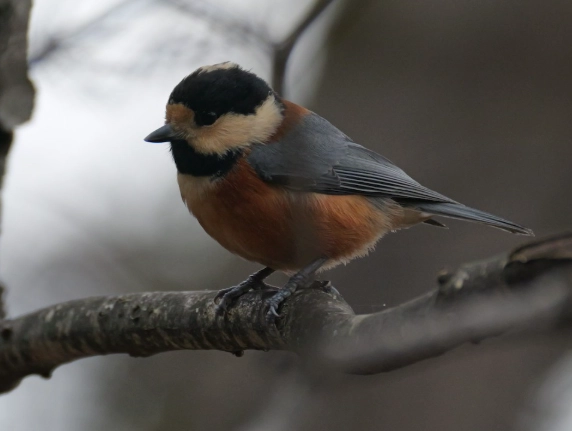
Your Quick Guide to Birding in Japan
What a "Birds of Japan Checklist" Really Is (And Isn't)
Think of it as a strategic map, not a shopping list. Japan has over 600 recorded bird species, but trying to see them all on one trip is a recipe for burnout. The official checklist from the Wild Bird Society of Japan is a fantastic scientific resource, but for a visitor, it's overwhelming.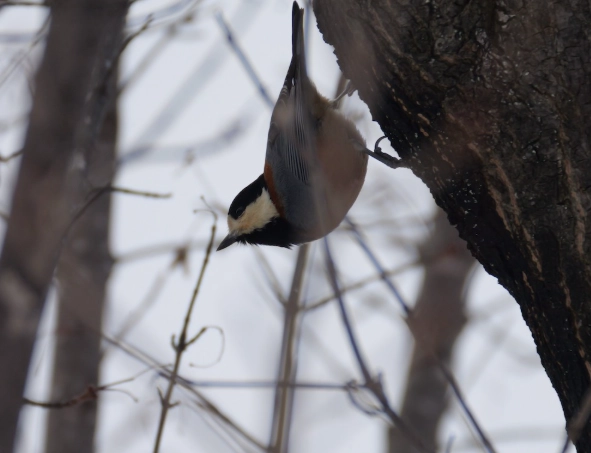
Your personal checklist should focus on two things: target species and context.
Target species are the birds unique or iconic to the region you're visiting. Context is everything else—the season (spring migration is chaos, winter is about specialists), the habitat (are you in alpine scrub or coastal reedbed?), and even the time of day. A winter checklist for Hokkaido will have almost zero overlap with a summer checklist for the Izu Islands.
How to Build Your Personalized Checklist: A Step-by-Step Approach
Forget the top 50 lists. Let's build something that works.
Step 1: Lock Down Your Season and Route
This is non-negotiable. Birding in Japan in February is a completely different world from July. Decide your dates first, then your islands. A classic two-week trip might focus on Hokkaido in winter for cranes and eagles, or central Honshu in spring for summer breeders and migrants.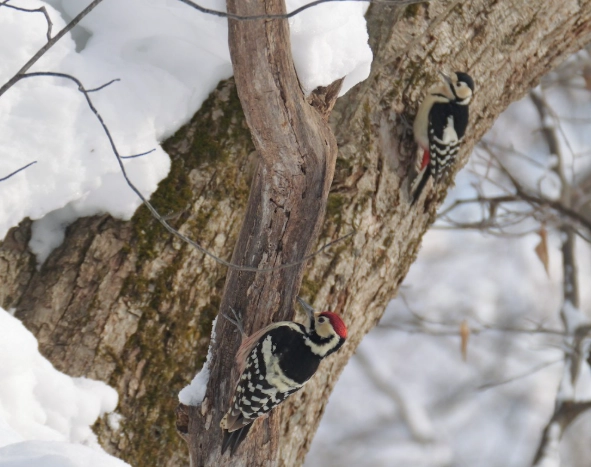
Step 2: Research Regional Specialties
This is where you move beyond the generic. Use resources like eBird's "Explore Regions" tool to see what's being reported in your specific locations during your travel month. Look for birds with limited ranges. Why waste mental space on the Eurasian Tree Sparrow (found everywhere) when you could be learning the field marks of the Izu Islands' Ijima's Leaf Warbler?
I once met a birder in Yakushima who was frustrated he hadn't seen the Japanese Wood Pigeon. He had it on his list, but was looking in the wrong habitat—lowland forests. Someone local pointed him to the higher elevation, mossy forests, and he found it within an hour. Location specificity is everything.
Step 3: Categorize Your Targets
Break your list into three tiers:
- Priority A: Must-see regional endemics or icons (e.g., Red-crowned Crane in Hokkaido).
- Priority B: Highly desired birds with a good chance of being seen (e.g., Varied Tit, Japanese Wagtail).
- Priority C: "Bonus" birds—rare or difficult species you'd be thrilled to encounter (e.g., Ryukyu Robin).
This manages expectations and helps you allocate time. Spend your best morning light chasing Priority A birds.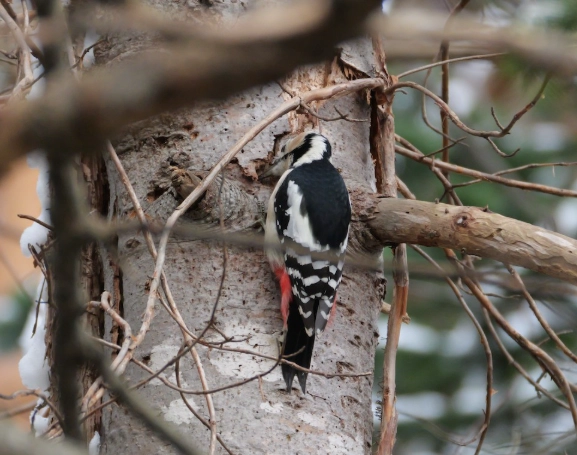
10 Must-See Birds for Your Japan Checklist & Where to Find Them
Here's a concrete list to get you started. This table isn't just names; it's an action plan.
| Bird | Best Season | Prime Location(s) | Key Habitat & Notes |
|---|---|---|---|
| Red-crowned Crane (Grus japonensis) | Winter (Dec-Feb) | Kushiro Marsh, Tsurui Village, Hokkaido | Farmland feeding stations at dawn. Famous "dancing" displays on frozen rivers. Absolutely a winter-only bird. |
| Blakiston's Fish Owl (Ketupa blakistoni) | Year-round (best heard/seen Oct-Mar) | Rausu, Eastern Hokkaido | Rivers in old-growth forest. Requires a guided night tour. Book months ahead. Its deep "boo-boo" call is unforgettable. |
| Steller's Sea Eagle (Haliaeetus pelagicus) | Winter (Dec-Mar) | Rausu, Nemuro Strait, Hokkaido | Sea ice pack. Best seen from a dedicated birding/wildlife boat tour. Massive size, huge yellow beak. |
| Japanese Robin (Larvivora akahige) | Spring/Summer (May-Jul) | High-altitude forests, e.g., Norikura Highlands, Honshu | Dense undergrowth near streams. More often heard (beautiful, fluty song) than seen. Requires patience. |
| Copper Pheasant (Syrmaticus soemmerringii) | Year-round | Forests of central & southern Honshu, Shikoku, Kyushu | Secretive. Early morning on quiet mountain roads is your best bet. The male's coppery plumage is stunning. |
| Japanese Woodpecker (Picus awokera) | Year-round | Broadleaf forests across Honshu, Shikoku, Kyushu | Look for its green back and red crown. Its laughing call is a common sound in suitable woods. |
| Amami Woodcock (Scolopax mira) | Year-round (display flights at dusk) | Amami Oshima Island | Endemic to a few islands. Requires a trip to the Ryukyus. Join a guided dusk tour to see its unique "roding" flight. |
| Lidth's Jay (Garrulus lidthi) | Year-round | Amami Oshima & Tokunoshima Islands | Another Ryukyu endemic. Striking deep blue with a chestnut head. Found in forests, sometimes visiting feeding spots. |
| Japanese Murrelet (Synthliboramphus wumizusume) | Spring/Summer (breeding) | Izu Islands, Miura Peninsula | A small, elusive seabird. Pelagic boat trips off the Izu Peninsula offer the best chance. A true specialist target. |
| Varied Tit (Sittiparus varius) | Year-round | Woodlands and gardens nationwide | A common but charming bird. Its black head with white cheeks and rusty flanks make it easy to ID. A great "confidence builder." |
See the pattern? Season and location are baked into every entry. You can't just have "Red-crowned Crane" on a list; you need "Red-crowned Crane - Winter - Hokkaido - feeding station at dawn."
Prime Birding Locations: From the Frozen North to the Subtropical South
Your checklist lives and dies by where you go. Here’s a breakdown of Japan's major birding regions.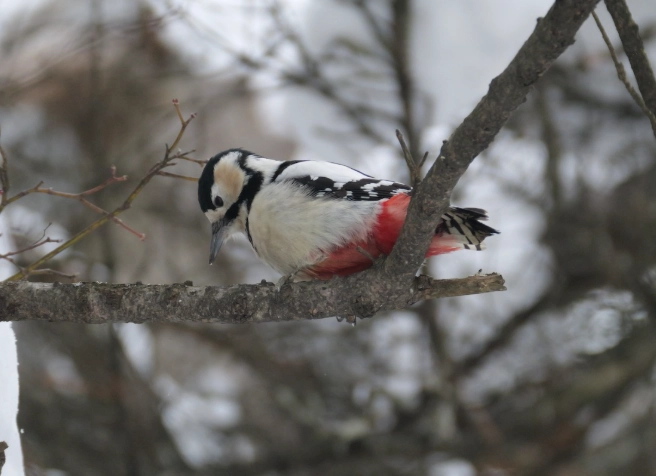
Hokkaido: The Winter Spectacle
If you're there between December and March, your checklist is set: cranes, eagles, owls. Kushiro Marsh and the surrounding farmland is ground zero for the Red-crowned Crane. Tsurui Village has dedicated observation areas. The eastern port town of Rausu is your base for boat trips to see Steller's Sea Eagles on the ice and guided night tours for the Blakiston's Fish Owl. Don't underestimate the travel times—Hokkaido is vast, and roads can be icy.
Central Honshu: Mountains and Forests
This is where you find many of Japan's forest endemics. The Japanese Alps (areas like Kamikochi, Norikura) are superb in summer for Japanese Robin, Alpine Accentor, and various woodpeckers. Near Tokyo, Karuisawa is a famous weekend birding spot with good trails. Lake Biwa, near Kyoto, is a major stopover for migratory waterfowl.
The Ryukyu Islands: A Different World
Islands like Amami Oshima, Okinawa, and Iriomote host birds found nowhere else on Earth. Your checklist here shifts to Amami Woodcock, Lidth's Jay, Okinawa Rail, and Ryukyu Robin. Access requires flights or ferries, and birding often needs a local guide due to difficult terrain and the elusiveness of the species. The heat and humidity are also factors most generic checklists forget to mention.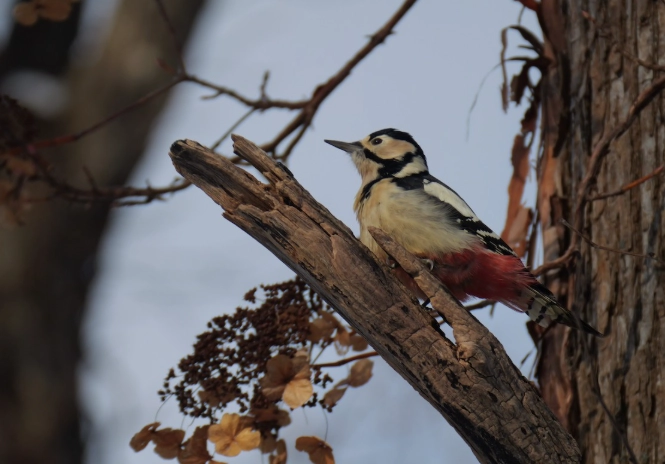
Practical Tips to Execute Your Checklist Successfully
Gear and etiquette matter just as much as your list.
Optics: Bring the best binoculars you can afford. A scope is extremely useful for waterfowl and shorebirds, especially in Hokkaido. Japanese birders are serious—you'll see some impressive setups.
Apps & Guides: The Birds of East Asia field guide (Mark Brazil) is the standard. For apps, eBird is invaluable for recent sightings and hotspot maps. Merlin Bird ID has a Japan pack for sound ID, which is a game-changer for warblers and flycatchers.
Birding Etiquette: This is crucial. Japanese culture values quiet observation and respect. Don't play callbacks excessively, especially for rare birds. Stay on trails. If visiting a known stakeout (like a private feeding station for cranes), follow any posted rules, and consider making a small donation. Your behavior affects access for all foreign birders.
My biggest personal mistake early on was talking too loudly on a trail. A seasoned Japanese birder gently shushed me and pointed—a pair of Japanese Green Woodpeckers I'd been searching for had been just ahead, and my noise had likely scared them off. Lesson learned the hard way.
Your Birding Checklist Questions Answered
Your birds of Japan checklist is more than a tally sheet. It's the storyboard for your adventure. Build it with care, respect the context, and stay flexible. The moment you stop chasing ticks and start understanding the rhythms of the forest or the marsh is the moment Japanese birding truly gets under your skin. You might not see every single bird you hoped for, but the ones you do see—and the way you found them—will be memories that last far longer than any list.
Reader Comments