You see a flash of green and red in the trees. Is it a parrot or a parakeet? The truth is, it's probably both. "Parakeet" isn't a scientific term—it's a casual name for a small to medium-sized parrot with a long tail. So every parakeet is a parrot, but not every parrot is a parakeet. Confused? Don't be. After years of birdwatching from Costa Rica's cloud forests to suburban backyards, I've learned that a simple list of names is useless without context. This guide cuts through the noise. We'll look at real species, their key traits, and how to spot them, whether you're planning a birding trip or just curious about the chatty bird at your local pet store.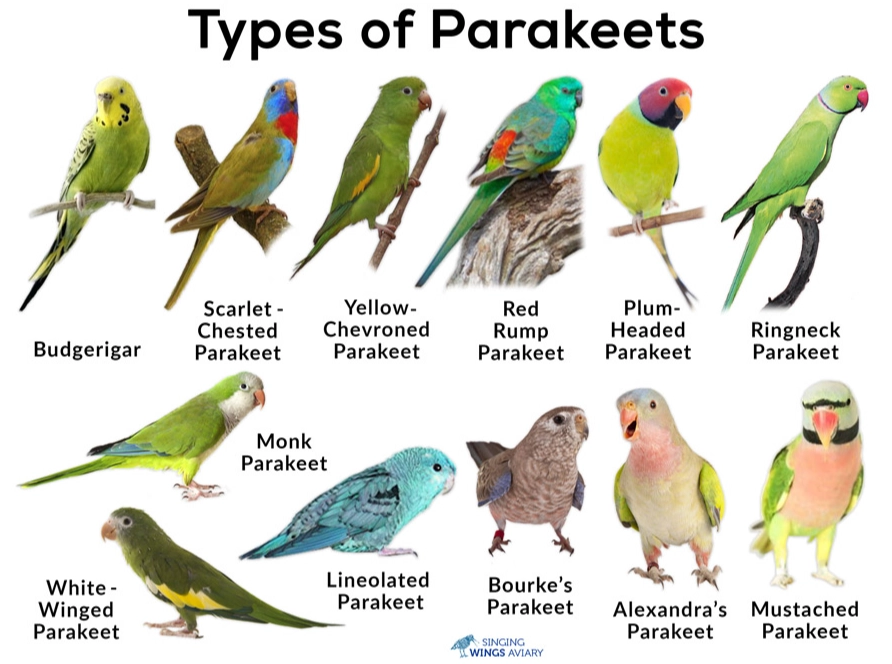
What's Inside This Guide?
Understanding the Parrot Family Tree
The parrot order, Psittaciformes, contains nearly 400 species. They're split into three super-families, but for a practical birdwatcher, thinking in terms of broad groups works better: the big hookbills (macaws, cockatoos), the mid-sized all-rounders (Amazons, African Greys), and the small parakeets & relatives (budgies, lovebirds, conures).
A common mistake beginners make is calling every small, green parrot a "budgie." In the Americas, that green bird is more likely a Monk Parakeet (building huge communal stick nests) or a White-winged Parakeet. In Europe, it's probably the invasive Ring-necked Parakeet. Knowing just this one distinction—body shape, beak color, and typical location—immediately makes you a more informed observer.
A Guide to Popular Parrot Species
Let's get specific. The table below isn't an exhaustive list—that would be a book—but it covers the species you're most likely to encounter, either in aviculture or in specific wild regions. I've included conservation status from the IUCN Red List because it matters. Seeing a Spix's Macaw in the wild is now impossible; they're extinct in nature, a sobering fact every bird lover should know.
| Common Name (Group) | Key Identifying Features | Native Region | Notable Traits & Pet Suitability | Conservation Status* |
|---|---|---|---|---|
| Hyacinth Macaw (Large Macaw) | Cobalt blue overall, massive size, bright yellow eye ring and chin patch. | Central South America (Pantanal) | Largest flying parrot. Gentle giant but needs immense space and specialized diet (hard nuts). Not for casual owners. | Vulnerable |
| Scarlet Macaw (Large Macaw) | Vivid red, yellow, and blue wings; white face with red lines. | Central & South America | Iconic rainforest bird. Loud, intelligent, and demanding. Lifespan exceeds 50 years. | Least Concern |
| Sulphur-crested Cockatoo (Cockatoo) | White body, bright yellow crest, dark beak. | Australia, New Guinea | Incredibly loud and destructive if bored. Deeply emotional, prone to behavioral issues if neglected. A lifetime commitment. | Least Concern |
| African Grey Parrot (African Parrot) | Various shades of grey, bright red tail (Timneh subspecies has maroon tail). | West & Central Africa | Renowned for cognitive ability and speech. Sensitive, needs mental stimulation. Susceptible to feather plucking from stress. | Endangered |
| Yellow-headed Amazon (Amazon Parrot) | Green body, bright yellow head (full color in adults). | Mexico & northern Central America | Excellent talker, but can be territorially aggressive during hormonal seasons. A "moody" bird. | Endangered |
| Budgerigar (Small Parakeet) | Small, long tail. Wild type is green/yellow with black scalloping; many captive color mutations. | Australia | The common "budgie." Social, can learn words, relatively low maintenance. Still needs flight time and companionship. | Least Concern |
| Monk Parakeet (Parakeet) | Bright green with grey face and chest, pale beak. | South America | Only parrot that builds stick nests (often huge colonies on power poles). Hardy, established feral colonies in US & Europe. | Least Concern |
| Sun Conure (Conure) | Stunning orange and yellow with green wings. | Northeastern South America | Breathtakingly beautiful but famously loud with a high-pitched call. Not apartment-friendly. | Endangered |
| Eclectus Parrot (Eclectus) | Extreme sexual dimorphism. Males: bright green. Females: red and purple. | New Guinea, Solomon Islands | Calm demeanor, unique digestive system requiring high-fiber diet. Quiet for a parrot. | Least Concern |
*Source: IUCN Red List of Threatened Species. Status is a critical part of responsible birdwatching and ownership.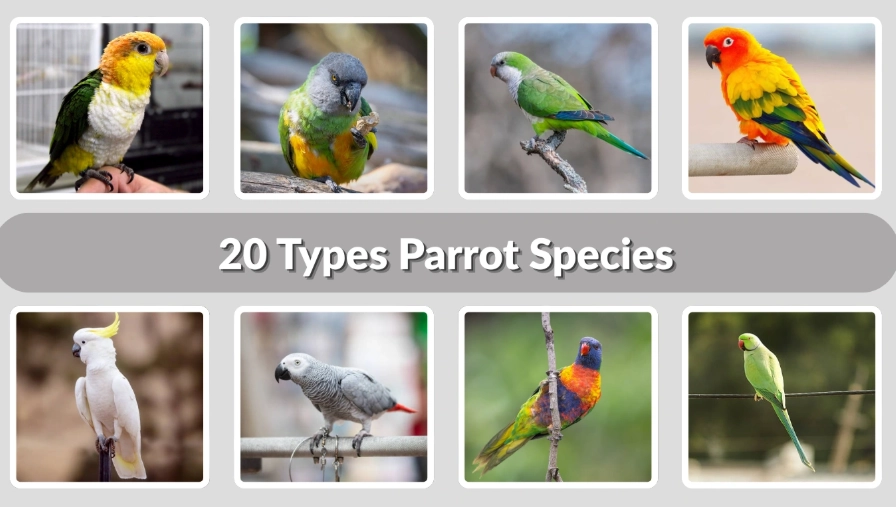
Macaws: The Giants of the Parrot World
I remember the first time I saw a Hyacinth Macaw in the Pantanal. Its size was one thing, but the deep, vibrating blue in the morning light was unreal. They use their incredibly powerful beaks to crack open palm nuts that would break a hammer. In captivity, that same beak can destroy door frames. People see their beauty and calm nature in videos, but rarely see the financial and spatial reality: you need a room, not a cage.
Cockatoos: The Emotional Performers
If parrots had drama schools, cockatoos would run them. That adorable head-bobbing and crest-raising is charming for five minutes. At 3 AM when they decide to scream for an hour because they're lonely, it's less charming. Their powder-down feathers coat everything in a fine white dust. They are arguably the most re-homed parrot group because their emotional needs are so intense.
The "Starter Bird" Myth: Budgies and Cockatiels
Calling them "starter birds" does them a disservice. A well-cared-for budgie can live 10-15 years, learn dozens of words, and form a deep bond. The problem is they're often sold in tiny cages with a seed-only diet, leading to obesity and early death. They're not disposable practice pets. They're a commitment to a small, intelligent life.
How to Identify Parrots and Parakeets in the Wild
Field identification is a puzzle. You can't always rely on color—lighting plays tricks. Here’s my process, honed from many missed shots and wrong guesses.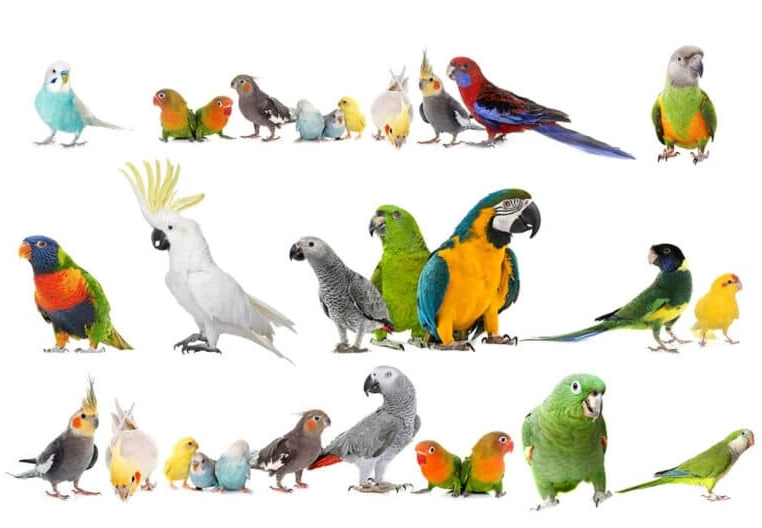
Step 1: Size and Shape (Jizz). Is it crow-sized or pigeon-sized? Does it have a long, tapered tail (parakeet, macaw) or a short, square tail (Amazon, African Grey)? What's the beak proportion? Large and hooked, or smaller?
Step 2: Color Pattern, Not Just Color. Note the pattern. A white parrot with a yellow crest is a Sulphur-crested Cockatoo. A white parrot with a salmon-colored face is a Moluccan Cockatoo. A green parrot with a red forehead is likely a Red-crowned Amazon. Look for specific patches of color on the face, wings, or tail.
Step 3: Behavior and Flock Size. Macaws often fly in pairs. Parakeets and conures are almost always in noisy, fast-moving flocks. A lone parrot methodically eating fruit in a tree might be an Amazon. A bird hanging upside-down and acrobatically chewing a leaf is often a lorikeet (a nectar-feeding parrot).
Step 4: Sound. This is huge. The screech of a macaw is different from the raspy squawk of an Amazon, which is different from the melodic chatter of a flock of lorikeets. Use apps like Merlin Bird ID by the Cornell Lab of Ornithology to record and help identify calls.
Step 5: Location, Location, Location. This is the ultimate filter. You won't find a wild African Grey in Florida (though escaped pets exist). You will find naturalized populations of Nanday Conures and Monk Parakeets in several US states. Consult a regional field guide or eBird's range maps.
Once, in Costa Rica, I misidentified a Brown-hooded Parrot for a Red-lored Amazon because I only saw its green back in deep shadow. The giveaway was the call—a softer, higher-pitched series of notes. The lesson? Use all the clues together.
Choosing a Parrot as a Pet: Beyond the Species List
If you're here because you want a pet, the species list is just chapter one. The real book is about your life. I've fostered several re-homed birds, and the story is always similar: "We didn't know it would be so loud/live so long/need so much attention."
Noise Level: Want a quiet apartment? Avoid conures, cockatoos, macaws, and most Amazons. Consider a Pionus parrot or a female Eclectus, known for quieter dispositions.
Time Commitment: These are flock animals. Leaving a parrot alone in a cage for 10 hours a day is psychological torture. They need several hours of supervised out-of-cage time for exercise and interaction. Every. Single. Day.
Cost: The bird is the cheapest part. Factor in a large, sturdy cage ($500-$2000), annual vet check-ups ($100-$300), high-quality pellets and fresh produce, and a constant supply of toys to destroy ($50-$100/month). It adds up fast.
Mess and Destruction: They throw food. They poop everywhere. They will chew your molding, your books, your furniture. It's not malice; it's their nature.
My Personal Advice: Volunteer at a parrot rescue before you even think about buying one. You'll see the reality of behavioral problems—the plucked birds, the screamers, the biters. It's the best, most humbling research you can do. And if you still want to proceed, adopt, don't shop. Rescues are full of wonderful birds needing a second chance.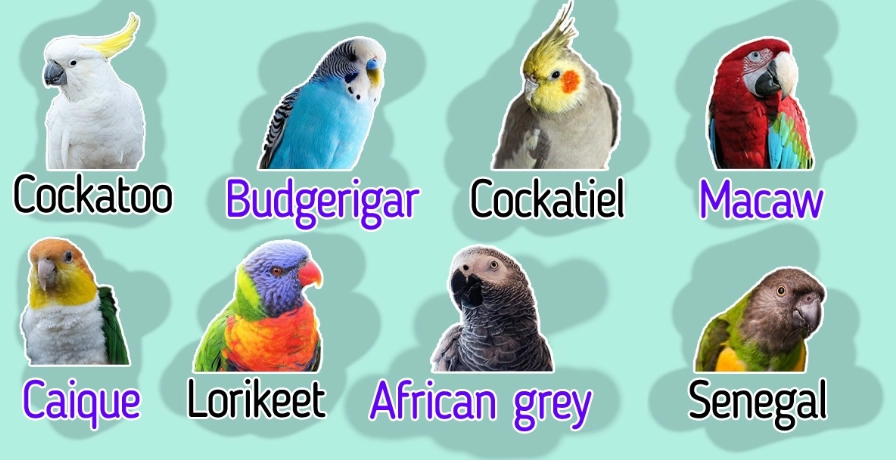
Reader Comments