Quick Guide to August Birds
- Why August is the Pivotal Month for Bird Behavior
- Top Birds to Look For in August (And Exactly Where to Find Them)
- How to Be a Backyard Hero for Birds in August
- The Molt: Understanding the 'Raggedy' Look of August Birds
- August Birding FAQs: Answering Your Real Questions
- Beyond Your Binoculars: The Bigger Picture for August Birds
You know that feeling in mid-August? The light starts to change, the air feels different in the morning—crisper somehow. And if you pay attention, you might notice the birds are acting a little... off. The loud dawn chorus of spring is gone, replaced by something quieter, more urgent. I remember sitting on my porch last August, coffee in hand, watching a family of robins. The parents looked ragged, the juveniles clumsy. Something was definitely happening.
That's the thing about birds in August. To the casual observer, it might seem like a quiet month. But for anyone with even a passing interest in our feathered friends, it's one of the most dynamic, fascinating, and frankly, confusing times of the year. It's a month of hidden dramas, of preparation, and of silent goodbyes.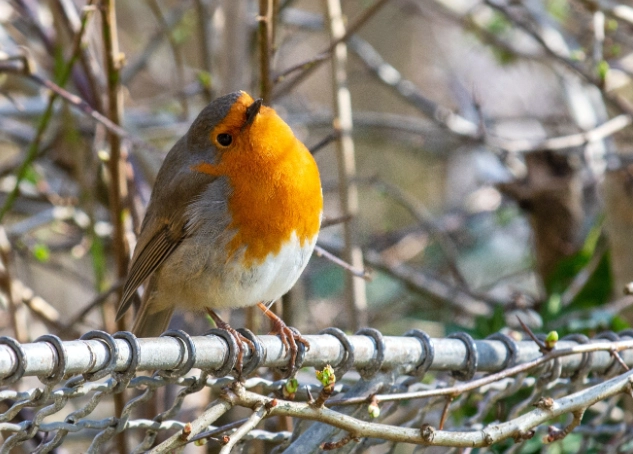
So, what exactly is going on with birds in August? If you've ever wondered why your feeders seem less busy, or why you're seeing strange, speckled birds you can't identify, or why there's a sudden flurry of activity at the pond at dusk, you're in the right place. This isn't just a list of species. Let's dig into the real stories.
Why August is the Pivotal Month for Bird Behavior
Think of the avian calendar. Spring is all about claiming territory, finding a mate, and raising young. It's loud, flashy, and energy-intensive. By the time August rolls around, that frantic pace is mostly over. The focus shifts entirely to survival and preparation for the monumental task ahead: migration for many, or surviving the winter for others.
The primary engines driving the behavior of birds in August are:
- Post-Breeding Dispersal: The kids are out of the nest, but they aren't independent yet. Families stick together, with parents still feeding clumsy fledglings. You'll see these noisy family groups foraging in woodlands and backyards. The young ones often have different plumage—spotty, duller—which throws off even experienced birders.
- The Great Molt: This is a big one, and it's often overlooked. After raising a family, a bird's feathers are worn out. Flying thousands of miles on ragged feathers is a non-starter. So, they shed their old feathers and grow new ones. Molting takes a huge amount of energy and protein. It also makes them more vulnerable to predators. Ever seen a cardinal looking scruffy and missing head feathers in late summer? That's the molt. They're literally rebuilding their flying machine.
- Fueling Up (Hyperphagia): For migratory species, August is the start of the all-you-can-eat buffet. They enter a state called hyperphagia, eating almost constantly to build up fat reserves. This fat is their fuel for the journey. A tiny warbler might double its body weight! This is why food sources become critically important.
- Early Migration Begins: While the peak of migration is September and October, the first waves start in August. Shorebirds are the famous early birds, leaving their Arctic breeding grounds as early as July. By August, you can see massive flocks of sandpipers and plovers stopping at wetlands to rest and refuel. In late August, some insect-eating birds like flycatchers and warblers start trickling south.
I once spent a week in late August at a coastal marsh. The shorebird spectacle was mind-blowing—thousands of birds moving in synchronized flight, a swirling, living cloud. It felt like a secret show, because most people are still thinking about beach vacations, not bird migration.
Top Birds to Look For in August (And Exactly Where to Find Them)
Your birding success in August depends heavily on location—more so than in spring. Habitat is key. Here’s a breakdown of who’s doing what and where.
Backyard & Neighborhood Stars
Your own yard is a front-row seat to the August bird drama. Activity patterns change. Dawn singing is minimal, but late afternoon can be busy as families forage.
- American Robins: You'll see large, noisy flocks forming, often in berry-laden trees. These aren't migratory yet, but they're shifting from worms to fruits.
- Northern Cardinals & Blue Jays: Look for scruffy adults molting and spotted juveniles begging for food. Jays become particularly vocal and obvious.
- Hummingbirds: This is peak time! Adults are fueling up, and newly fledged young are visiting feeders. You might see intense chasing as they compete for resources. Keep that nectar fresh! (Change it every 2-3 days in the heat).
- Mourning Doves: They can have multiple broods, so you might see parents still feeding squabs on the ground well into the month.
Wetlands, Lakes & Coastlines: The Migration Superhighway
This is where the action is for migratory species. Water means food and safety.
| Bird Group | Key August Species Examples | What They're Doing & Best Viewing Tip |
|---|---|---|
| Shorebirds | Lesser Yellowlegs, Semipalmated Sandpiper, Short-billed Dowitcher, Black-bellied Plover | Massive southward migration is in full swing. They stop at mudflats and shorelines to feed on invertebrates. Look for them on falling tides. Use a spotting scope if you can; many are small and far away. |
| Wading Birds | Great Egrets, Snowy Egrets, Great Blue Herons | Gather in impressive numbers at prime feeding sites before dispersing. Look for them at dawn and dusk in shallow marshes. |
| Early Warbler Migrants | Yellow Warbler, American Redstart, Louisiana Waterthrush | The first trickle of warblers moving south. They often follow river corridors and forest edges. Listen for their high-pitched "chip" calls. |
| Swallows & Swifts | Tree Swallows, Barn Swallows, Chimney Swifts | Forming enormous pre-migratory flocks, often seen swirling over fields or bodies of water at dusk. An incredible sight. |
I find shorebird identification in August to be the ultimate challenge. They're in confusing non-breeding plumage, they're all brownish-gray, and they move fast. It's humbling. A good field guide or app like Merlin Bird ID is essential.
Forests & Meadows
Insect activity is high, which means plenty of food for flycatchers, woodpeckers, and others.
- Woodpeckers (Downy, Hairy, Flickers): Families are still together. You'll hear constant begging calls from the juveniles.
- Flycatchers (Eastern Phoebe, Great Crested Flycatcher): These insect-eaters are among the first songbirds to head south. By late August, many are already gone.
- Raptors: Keep an eye on the skies. Young hawks and eagles are learning to hunt, and their attempts can be comically clumsy. Broad-winged Hawks start their famous mass migration later in the month at certain hawk watch sites.
How to Be a Backyard Hero for Birds in August
This is the month your backyard can make a real difference. It's not just about filling a feeder. Think of it as running a rest stop on a major highway.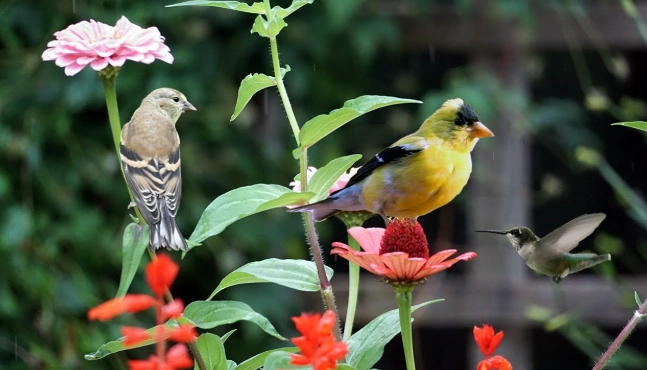
Food Strategies:
Switch up your offerings to match their needs.
- High-Protein/High-Fat Foods: Suet is fantastic for woodpeckers, nuthatches, and even chickadees needing energy for molting. Peanuts (shelled or in pieces) are also excellent.
- Nyjer (Thistle) Seed: Goldfinches are finally nesting late in the summer. They rely on these tiny seeds and will bring their young to tube feeders.
- Native Berries & Fruits: Plant or don't deadhead things like serviceberry, dogwood, elderberry, and native sunflowers. These are natural, powerhouse food sources. I let part of my garden go "wild" with native plants, and the bird traffic is insane compared to my neat flower beds.
- Less Black Oil Sunflower? It might seem counterintuitive, but in areas with natural seed abundance, feeder traffic can slow. Don't worry, they're just utilizing natural bounty.
Creating Shelter:
Molting birds feel vulnerable. Leave those brush piles or dense shrubs undisturbed. They provide critical hiding spots from predators like hawks and cats.
And a personal pet peeve: please, keep cats indoors, especially now. Fledglings and molting birds are slow and easy targets. It's a major cause of bird mortality that's completely preventable.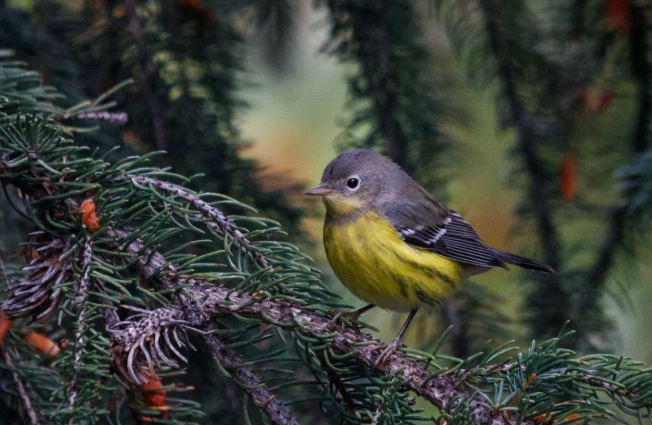
The Molt: Understanding the "Raggedy" Look of August Birds
Let's talk more about molting, because it's the reason so many birds in August look like they've been through a hedge backwards. It's a complex, sequenced process. They don't drop all their feathers at once (that would be disastrous). Flight feathers are replaced in a specific order so they can still, you know, fly.
Some birds, like ducks and geese, do a "simultaneous molt" of all their flight feathers after breeding, rendering them flightless for a few weeks. That's why you'll see large, quiet groups of waterfowl hiding in marshes in late summer—they're sitting ducks, literally, and know it.
For songbirds, it's more gradual. You'll see missing tail feathers, gaps in wings, or bald patches on the head. It looks uncomfortable, but it's a vital renewal. The new feathers that come in are stronger, more aerodynamic, and often have different coloration—the bright breeding plumage is replaced by more subdued, camouflaged non-breeding or "basic" plumage.
August Birding FAQs: Answering Your Real Questions

Beyond Your Binoculars: The Bigger Picture for August Birds
Watching birds in August isn't just a hobby; it's a window into the health of our environment. The timing of migration, the success of breeding, and the availability of food are all sensitive to climate change and habitat loss.
Shorebirds, for instance, depend on a chain of specific wetland "stopover" sites to refuel on their epic journeys from the Arctic to South America. If one link in that chain is destroyed (developed, polluted), the whole migration can fail. Organizations like the National Audubon Society work to protect these critical habitats.
What you see in your backyard is a tiny piece of a global puzzle. The fact that you're even noticing the subtle shifts in behavior of birds in August means you're paying attention. And that's the first, most important step.
So grab your binoculars, top up the bird bath, and spend some time just watching this month. Follow that noisy family of jays. Sit by a pond at sunset and watch the swallow swirl. You're not just watching birds; you're witnessing the ancient, powerful turn of a seasonal wheel, one feathered traveler at a time.
It’s a messy, raggedy, fuel-guzzling, utterly miraculous time to be outside. Don’t miss it.
Reader Comments