Let's cut to the chase. Birding in the Himalayas isn't just another checklist trip. It's a physical and sensory overload. One moment you're shivering at dawn in a misty oak forest, straining to hear the faint trill of a Himalayan cutia. The next, you're squinting against the sun at a soaring Himalayan griffon, its shadow sweeping across a valley floor thousands of feet below. The region houses over 900 bird species, a mix of tough high-altitude specialists, elusive forest ghosts, and stunning pheasants that seem woven from myth. But here's the thing most generic guides don't tell you: success here depends less on encyclopedic knowledge and more on smart logistics, adapted gear, and understanding the mountain's rhythm.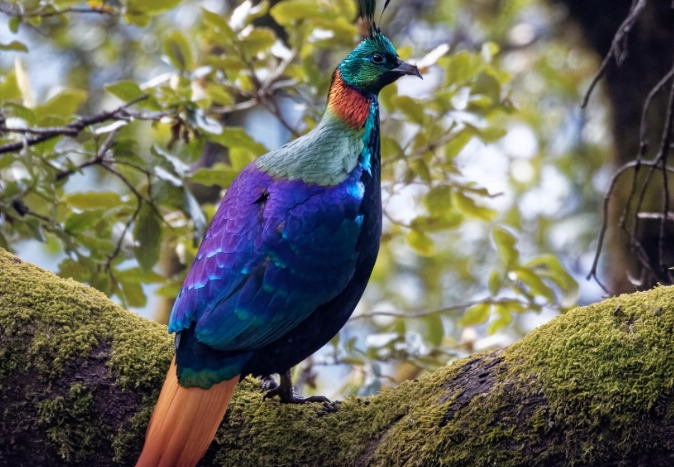
What's Inside This Guide
Best Time to Go Birding in the Himalayas
Forget just "spring" or "autumn." The window is tighter and more nuanced.
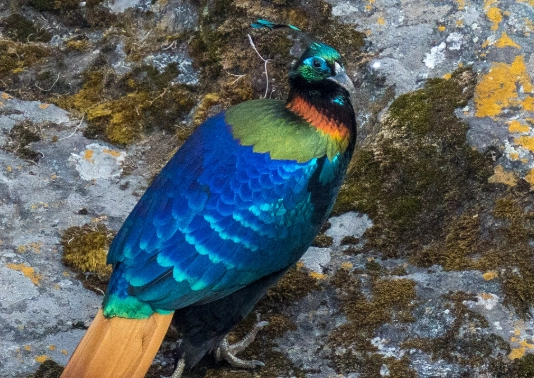
Prime Time (Late April - Early June): This is it. Winter visitors like the ibisbill might still be on valley rivers. Summer breeders are arriving. Most importantly, the resident species are in peak breeding condition. Male Himalayan monals are iridescent cartoons, screaming their presence. Warblers are singing constantly. The weather is generally stable before the monsoon hits. I've had my best sightings, from satyr tragopan to spotted laughingthrush, in the first two weeks of May.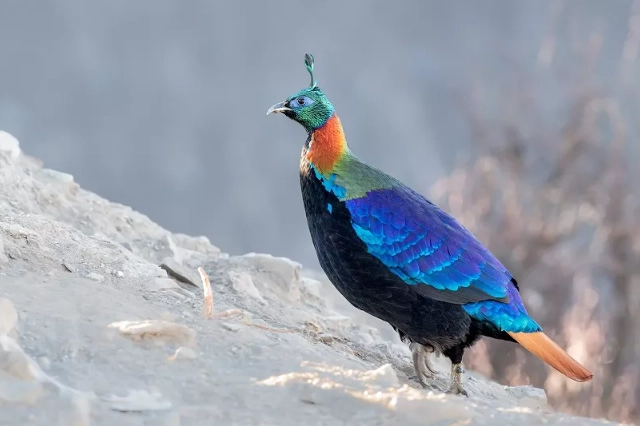
Shoulder Season (September - October): Good, but different. The post-monsoon forests are lush, and birds are active. However, you'll miss some of the most frantic breeding displays and songs. It's excellent for mixed hunting parties in the mid-elevation forests.
Top Birding Spots: A Geographically Savvy Breakdown
Location dictates species. Don't try to cover the entire range. Pick an altitude zone.
Western Himalayas (Himachal Pradesh, Uttarakhand, Ladakh)
More accessible, drier forests. Key Locations:
- Great Himalayan National Park, Himachal: UNESCO World Heritage Site. The best bet for the Western Tragopan, a ghostly, critically endangered pheasant. Requires serious trekking with a guide. Expect spruce, fir, and alpine meadows.
- Nainital & Pangot, Uttarakhand: The classic, easy-access circuit. Fantastic for mid-elevation species like the rusty-cheeked scimitar babbler, khaleej pheasant, and a ridiculous variety of woodpeckers. Stay in a homestay in Pangot; the dawn chorus is insane.
- Ladakh: A different world. High-altitude desert specialists. Here, you look for Tibetan snowcock, Himalayan snowcock (tell them apart by call and subtle flank markings), and the magnificent black-necked crane in wetlands like Tso Kar. Acclimatize properly; you're birding at 4,000m+.
Eastern Himalayas (Sikkim, Arunachal Pradesh, Bhutan)
Wetter, richer, more biodiverse. The holy grail for hardcore birders.
- Sikkim: Fambong Lho Wildlife Sanctuary near Gangtok is a powerhouse. Look for satyr tragopan, fire-tailed myzornis (a tiny, glittering gem), and several species of fulvetta and parrotbill. Permits are required but straightforward.
- Eaglenest Wildlife Sanctuary, Arunachal Pradesh: Legendary. This is where you go for rarities like the bugun liocichla (known from only a tiny range) and ward's trogon. Logistics are complex—you need a registered tour operator. The birding camps are basic but the experience is raw and incredible.
Essential Gear for High-Altitude Birding
Your lowland kit needs an upgrade.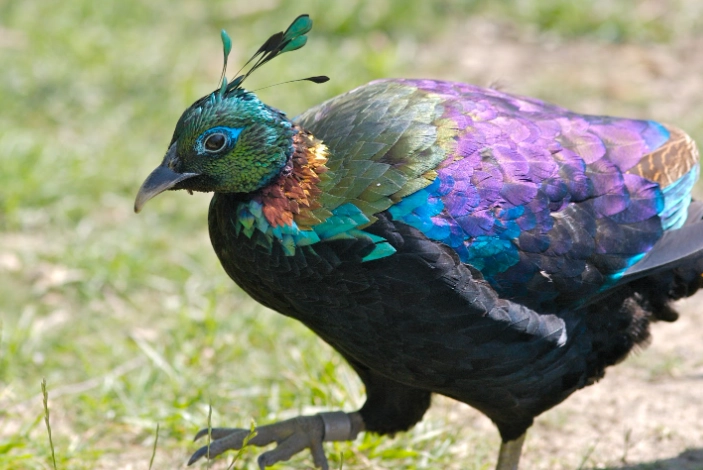
Clothing: Layering is a science. A merino wool base, a fleece mid-layer, and a windproof and waterproof shell are non-negotiable. Temperatures swing 20°C in a day. A warm hat and gloves are not optional for dawn sessions.
Footwear: Sturdy, waterproof hiking boots with excellent ankle support. You're not on a boardwalk.
Technology: A smartphone with the Merlin Bird ID app (with the relevant Himalayan pack downloaded for offline use) is a lifesaver. An external battery pack is essential. For photography, a lens with at least 300mm reach is necessary; 400mm or more is ideal for shy forest birds.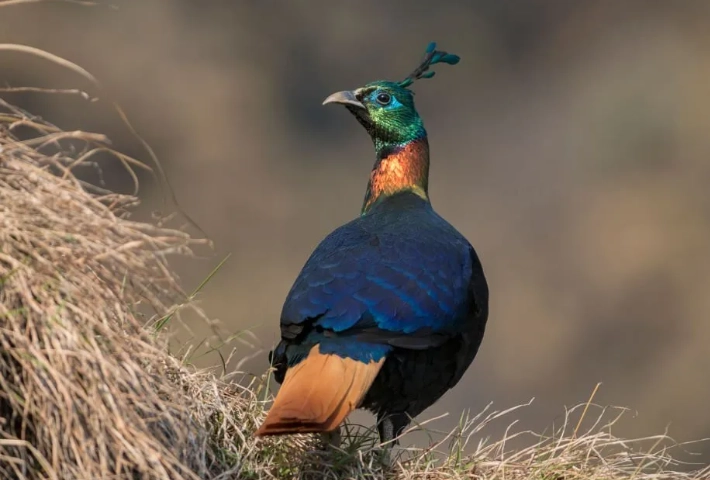
How to Identify Key Himalayan Bird Species?
Forget trying to memorize them all. Focus on groups and key field marks.
| Bird Group | Key Identification Challenge | Pro Tip for Field ID |
|---|---|---|
| Pheasants (Monal, Tragopan, Koklass) | Often heard first, seen fleetingly in poor light. | Learn their calls. The monal's loud, piercing whistle. The tragopan's guttural "waak-waak." Dawn and dusk are best. Look for movement on steep, forested slopes. |
| Warblers & Small Insectivores | Many look frustratingly similar (greenish, leaf, bush warblers). | Habitat and song are more reliable than plumage. Is it in the canopy or skulking in bamboo? Use your phone to record a 10-second audio clip. Compare it later to resources like xeno-canto. |
| Raptors (Vultures, Eagles) | Identifying specks soaring against a bright sky. | Silhouette is king. Lammergeier (bearded vulture) has a diamond-shaped tail. Himalayan griffon is huge with pale body and dark wings. Himalayan vulture has a paler, more streaky body. Carry a small spotting scope if you can. |
| Babblers & Laughingthrushes | Noisy flocks that vanish into thickets. | Don't chase. Stay quiet and let the flock move through you. Note face patterns (eyebrow stripes, cheek color) and tail movements. The variegated laughingthrush has a rufous cap, the spotted has... spots. |
Planning & Logistics: The Unsexy Details
This is what makes or breaks your trip.
Guides: For anything beyond Nainital or Ladakh's main roads, hire a local bird guide. They know the exact trails, the resident territories, and the calls. A good guide from the Bird Watching Society of India network is worth every rupee. They'll find birds you'd walk right past.
Permits: Arunachal Pradesh, parts of Sikkim, and many national parks require permits. Apply months in advance. Your tour operator or guide will handle this.
Health: Talk to a travel doctor. Discuss altitude sickness medication (like Diamox). Get a comprehensive first-aid kit including antibiotics for stomach issues. Water purification tablets are a must.
Pace: Don't rush. Plan to spend 3-4 nights at each major location. The first day is often scouting; the second day yields the best sightings.
Expert Tips & Common Mistakes to Avoid
After a decade of trips, here's what I wish I knew sooner.
- Mistake #1: Chasing the mega-rarity. Everyone wants the blood pheasant. But you'll have more rewarding birding focusing on the common birds of each habitat first. The mixed-species flocks in oak forests are a chaotic identification masterclass full of tits, nuthatches, and treecreepers.
- Mistake #2: Ignoring the "non-birds." The Himalayas are about the whole ecosystem. A sudden alarm call might lead you to a leopard's cached kill. Recognizing pika and marmot calls adds depth.
- Pro Tip: Bird the roads. Seriously. Early morning drives on mountain roads like the route from Nainital to Pangot can be incredibly productive. Birds come to the edges to forage. Go slow, stop often.
- Pro Tip: Listen at night. From your lodge, you might hear the deep "hoo-hoo" of a mountain scops owl or the eerie scream of a Himalayan owl. It's free extra birding.
Birding the Himalayas recalibrates your scale. It's humbling, exhausting, and utterly exhilarating. It's not a casual hobby trip; it's an expedition. Come prepared for the physical challenge, come with realistic expectations (you won't see everything), and come ready to be amazed by the resilience of life at the roof of the world. Start planning your logistics now—the mountains are waiting.
Reader Comments