I'll never forget the first time I saw one. It was a humid morning on the Texas coast, the air thick with the smell of salt and mud. I was scanning a distant flock of egrets when a flash of color that didn't belong caught my eye. Not the stark white of a heron, not the grey of a gull, but a deep, almost absurd shade of pink. It was a roseate spoonbill, and it looked like a tropical bird that had gotten hopelessly lost. That moment is why I birdwatch.
If you're here, you're probably chasing that same sight. Maybe you've seen a blurry photo online, or heard a fellow birder rave about them. You want to know where to go, how to find them, and what makes this bizarre, beautiful bird tick. This isn't just a list of facts. It's a practical guide built from years of missing them, finding them, and learning their secrets the hard way.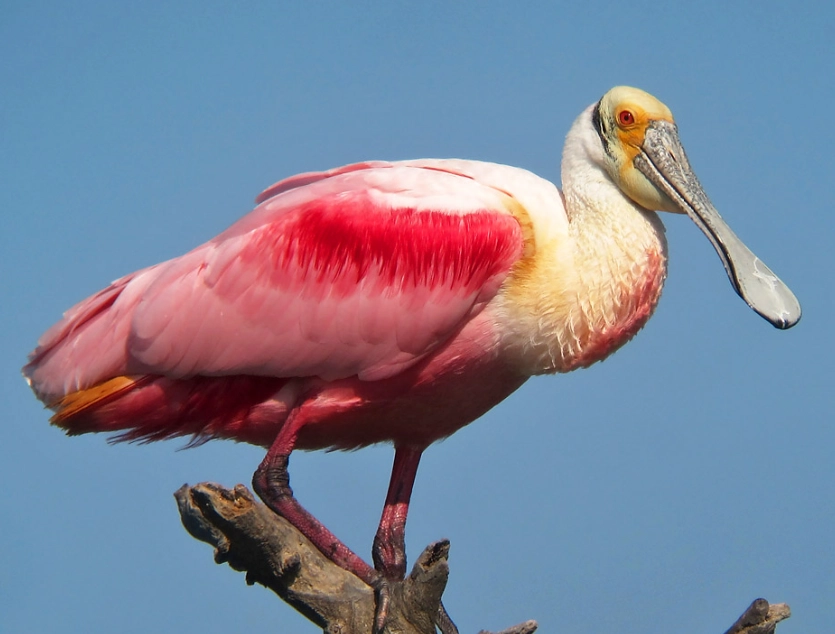
Your Quick Guide to the Roseate Spoonbill
Where to See Them: Prime Spoonbill Territory
Let's cut to the chase. You don't want a vague range map; you want coordinates. Spoonbills are creatures of specific, predictable habitats. They need shallow, brackish or saltwater wetlands with muddy bottoms and plenty of small aquatic critters to eat. Think coastal marshes, mangrove islands, lagoons, and tidal flats.
The epicenter of roseate spoonbill activity in the U.S. is the Gulf Coast. Here’s where your odds are highest:
Top U.S. Hotspots for Roseate Spoonbill Viewing
Texas Gulf Coast: This is spoonbill heaven. Start at the Aransas National Wildlife Refuge near Rockport. It's famous for whooping cranes, but the spoonbill colonies here are spectacular, especially from a rented kayak in the back bays. The wetlands around Port Aransas and the Laguna Madre are also incredibly reliable. I've had the best luck on the roadside ponds along Highway 35 south of Tivoli – just pull over safely.
Florida: The Everglades are a stronghold. Check the Anhinga Trail at Royal Palm or take a boat tour into Florida Bay. J.N. "Ding" Darling National Wildlife Refuge on Sanibel Island almost guarantees a sighting from the wildlife drive. Further north, Merritt Island National Wildlife Refuge near Titusville is a hidden gem, especially around the Bio Lab Road area.
Louisiana: The vast marshes of southern Louisiana, like those around Grand Isle or in the Barataria Preserve, host significant populations. Timing is key here, as water levels from management can affect accessibility.
A common mistake? Looking in freshwater ponds. While juveniles might wander inland after storms, you're wasting time if you're not focused on coastal, brackish systems. Also, check tide charts. A rising tide pushes fish and crustaceans into shallower areas, making it prime spoonbill feeding time. Low tide can be good too, as they work the concentrated pools.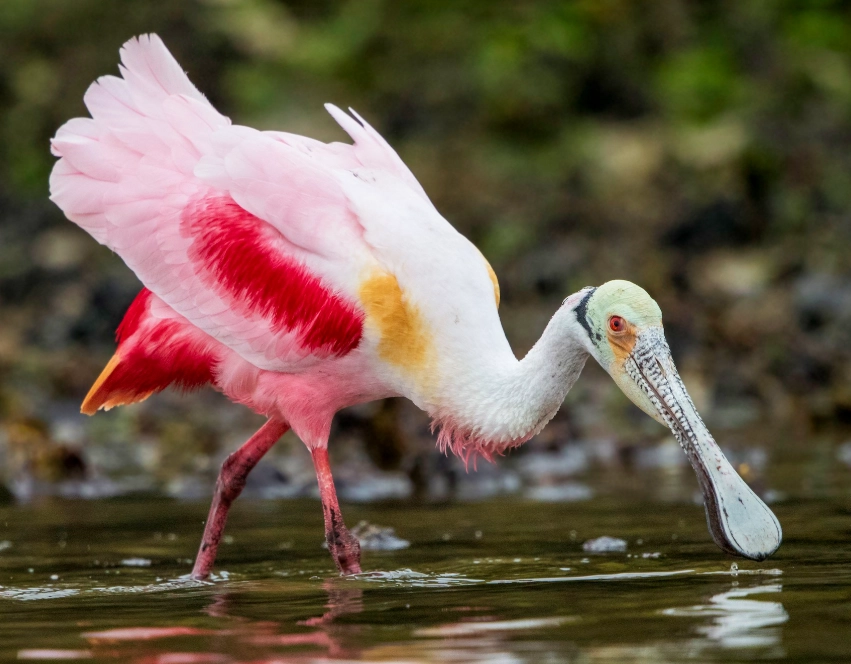
How to Identify a Spoonbill (It's Not a Flamingo)
This seems obvious until you're looking at a pink blob a hundred yards away through heat haze. The spoonbill's profile is unique, but confusion happens, usually with two birds: the American Flamingo and the much more common White Ibis.
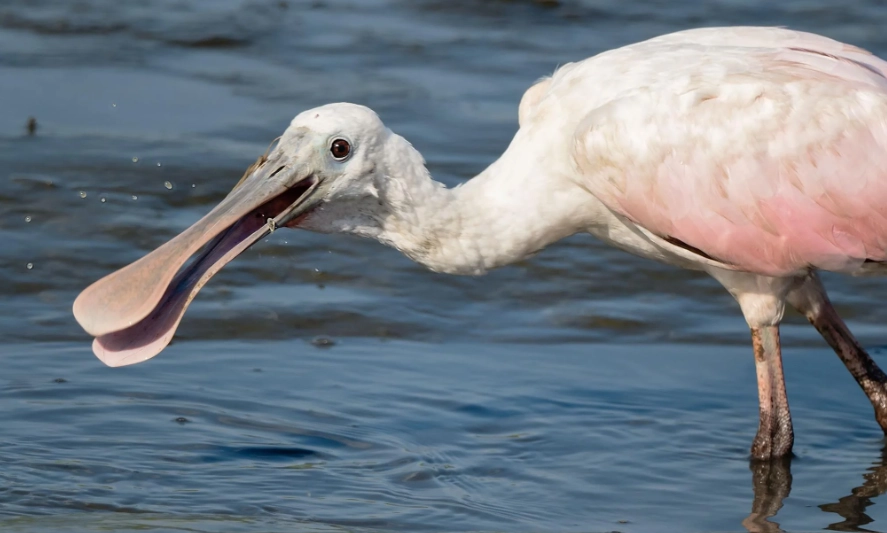
Forget the color for a second. The bill is everything. It's long, flat, and widens dramatically at the tip into a perfect spoon shape. They don't peck with it; they swing it. An ibis has a long, curved, pointed bill for probing. A flamingo's bill is thick and bent in the middle.
| Feature | Roseate Spoonbill | American Flamingo | White Ibis |
|---|---|---|---|
| Bill Shape | Long, flat, spoon-shaped tip | Large, down-curved, angled | Long, slender, curved downward |
| Color (Adult) | Pink body, crimson shoulder patch, orange tail, pale greenish head | Uniform pink to red | All white with black wingtips, red face/legs |
| Neck in Flight | Fully outstretched | Fully outstretched (straight) | Outstretched |
| Primary Habitat | Coastal marshes, mangroves | Caribbean lagoons, S. Florida | Fresh & saltwater wetlands |
Juvenile spoonbills trip people up. They're mostly white with a hint of pink and that same goofy spoon bill. Look for the pale greenish, unfeathered head on adults – it's a dead giveaway. That bald head is an adaptation for their messy feeding style.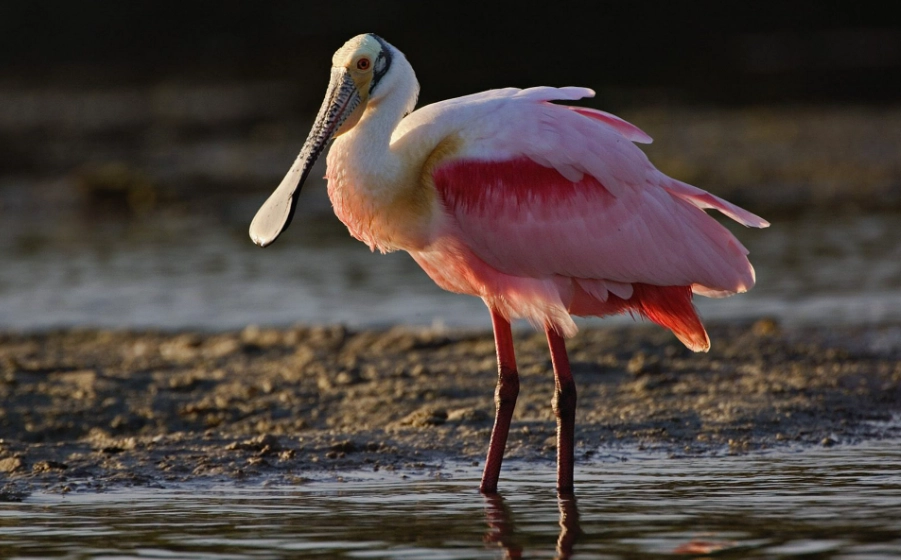
Behavior & Feeding Secrets: The Side-Sweep Technique
Watching a spoonbill feed is a lesson in efficient design. They don't look where they're eating. They wade slowly through shallow water, necks extended, bills partially submerged. Then, they swing their heads rhythmically from side to side in a wide arc. This "tactile feeding" means they feel for prey. When a shrimp, small fish, or aquatic insect touches the inside of the bill, it snaps shut.
This is why you'll often see them in small groups, walking in a loose line. They're stirring up the bottom for each other. If you see one doing this, stop and watch. It's mesmerizing.
Nesting and Social Life
Spoonbills are colonial nesters, meaning they build stick nests in trees or mangroves in large groups, often with herons and ibises. These colonies are noisy, smelly, and absolutely thrilling to observe from a respectful distance. Disturbing a nesting colony is a serious ethical breach and often illegal. Use a scope. The Cornell Lab of Ornithology notes that conservation of these colony sites is critical for their long-term survival.
Pro Birding Tips & Common Mistakes to Avoid
Here's the stuff they don't always tell you in the field guides.
Lighting is your enemy and your friend. The harsh midday sun will wash out their pink color, making them look pale and white. The soft, angled light of early morning or late afternoon makes their colors explode. That's also when they're most active.
Don't chase the single bird. Spoonbills are social. If you see one, scan the area carefully. There are almost always more nearby, possibly hidden in the mangroves or behind a grass bank.
Listen. They make low, guttural grunting sounds, especially in groups. It's not a pretty song, but it's a fantastic locating tool.
The biggest mistake I see? People get too close, too fast. These birds are wary. Use your car as a blind on wildlife drives. Move slowly and let them get used to your presence. A spoonbill that stops feeding and stares at you is a spoonbill that's about to fly away. You've pushed too far.
Your Spoonbill Questions, Answered
 How can I tell a roseate spoonbill apart from a flamingo?
Finding a roseate spoonbill is more than a check on a list. It's a glimpse into a specialized, almost prehistoric-looking niche in our coastal ecosystems. They're a success story, having rebounded from plume-hunting pressures, but they remain vulnerable to habitat loss and water quality issues. When you go looking, tread lightly, watch patiently, and enjoy the hunt. That flash of pink against the green marsh is worth every minute.
Reader Comments