You're out on a hike, and a dark shape cuts across the sky. Broad wings, a piercing cry. Is it an eagle? A hawk? Maybe a vulture? That moment of wonder—and frustration—is where real birding begins. I've spent over a decade with my eyes glued to the skies, and I can tell you, identifying raptors isn't about memorizing pictures. It's about learning a new language of shapes, behaviors, and contexts. Let's cut through the confusion.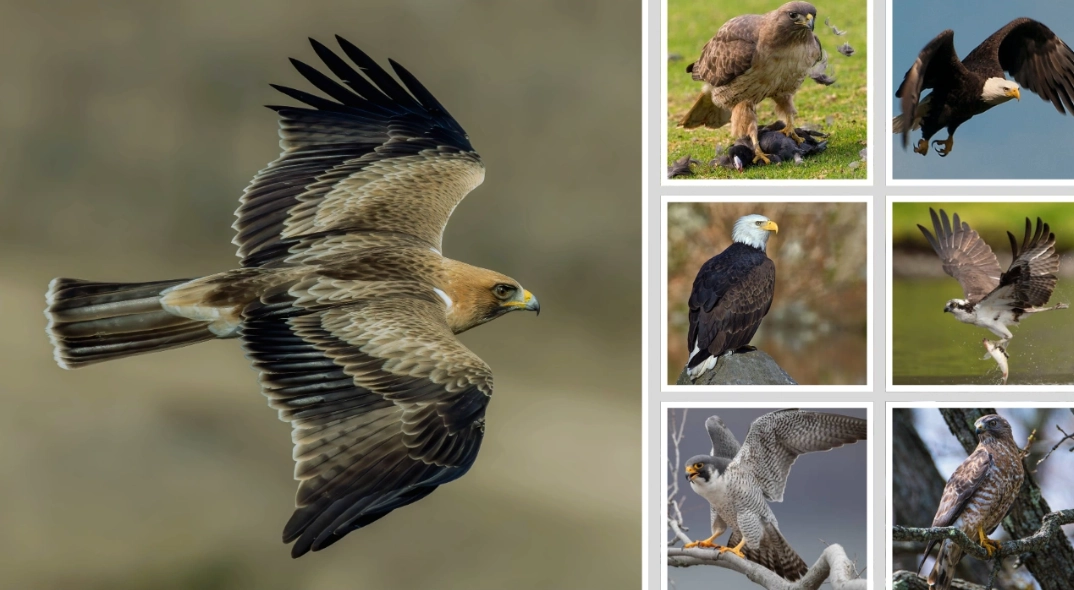
What You'll Learn in This Guide
How to Identify Birds of Prey: The Core Principles
Forget everything you think you know about looking at birds. The single biggest mistake I see beginners make? They chase color. A juvenile Bald Eagle is mostly brown—so is a Red-tailed Hawk, a Swainson's Hawk, and a Golden Eagle. Color lies. It changes with light, age, and sex.
Your new mantra: Shape, Size, and Behavior.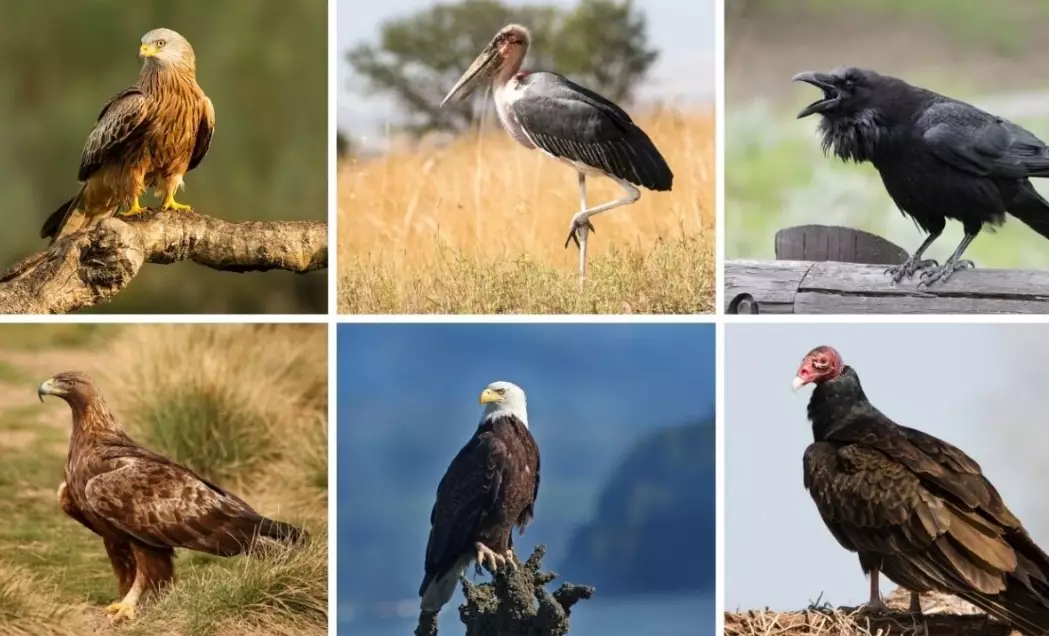
Think like a raptor. Its shape is a direct result of its lifestyle. Long, pointed wings are for speed and agility (falcons). Broad, rounded wings are for soaring and lifting (Buteo hawks). A small head relative to the body suggests a fish-eater (Osprey). These aren't random features; they're tools.
Start with size, but use common references. Is it crow-sized? Goose-sized? Larger? Then, lock in the silhouette. Is the tail long or short? Are the wingtips pointed or rounded? Does the head project noticeably? This initial impression, often against a bright sky, is your most reliable data point.
Hawk vs. Falcon vs. Eagle: A Side-by-Side Breakdown
Let's demystify the main groups. This table isn't the final word, but it's your essential cheat sheet.
| Group | Typical Size | Key Shape Features | Signature Flight & Behavior | Common Example |
|---|---|---|---|---|
| Buteo Hawks (Broad-winged) | Medium to Large | Chunky body, broad rounded wings, short fan-like tail. | Soars in wide circles, often perches prominently on poles/trees. | Red-tailed Hawk |
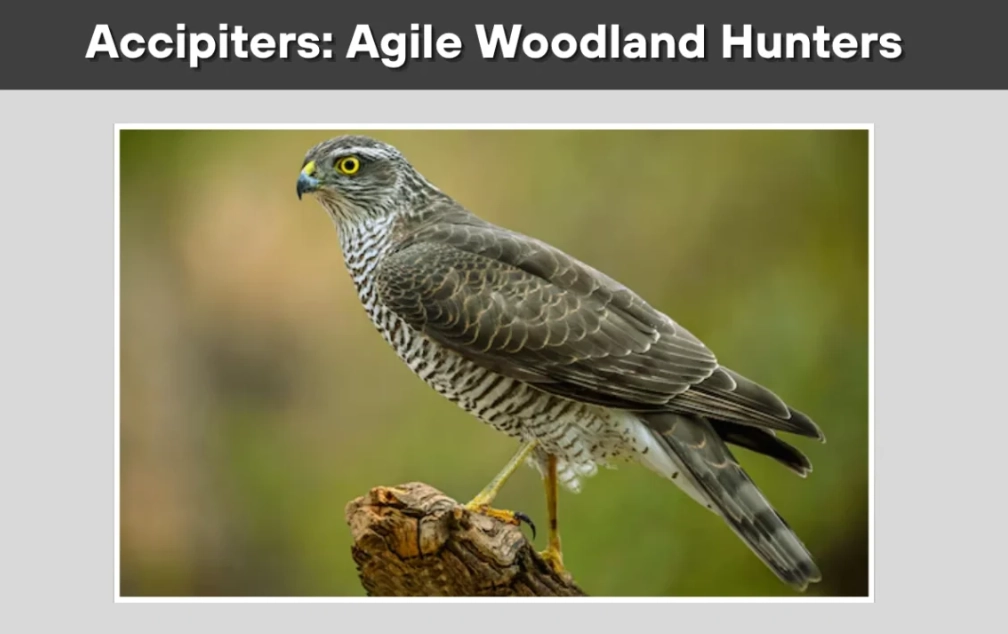
| Accipiter Hawks (Forest Hawks) | Small to Medium | Long tail, short rounded wings, stealthy build. | Swift, agile flaps followed by glides; hunts in woodlands. | Cooper's Hawk |
| Falcons | Small to Medium | Streamlined body, long pointed wings, distinctive "tooth" on beak. | Rapid, stiff wingbeats; may hover; spectacular high-speed dives. | American Kestrel, Peregrine Falcon |
| Eagles | Very Large | Massive bill, long broad wings, head projects well forward. | Powerful, deep wingbeats; soars with wings held flat or in a slight V. | Bald Eagle, Golden Eagle |
| Harriers | Medium | Slender, with long tail and wings; owl-like facial disk. | Flaps low and slow over marshes/fields, wings in a shallow V. | Northern Harrier |
See how the features connect to function? Accipiters are built like fighter jets for weaving through trees. Buteos are like cargo planes, built for stability in open skies.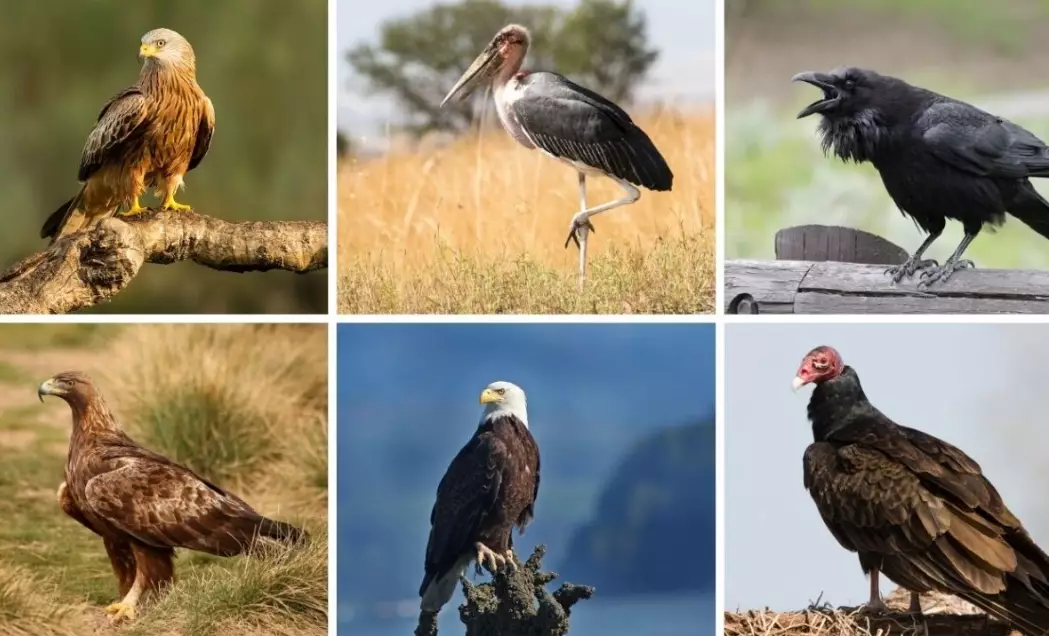
The Power of Silhouette and Flight Style
This is where you gain confidence. A soaring Red-tailed Hawk holds its wings in a slight dihedral (shallow V) and rarely flaps. A Turkey Vulture holds its wings in a more pronounced V and rocks unsteadily. An eagle soars with wings dead flat, like a plank.
I remember watching a bird kiting—hovering in place against the wind. My brain said "Kestrel!" But the size was wrong, too big. The wings were too long. It was a White-tailed Kite, a behavior they share but executed with a completely different structure. The flight style got my attention, but the silhouette gave the final answer.
Using Habitat and Behavior as Your Secret Weapon
A bird's location tells you more than a field guide sometimes. You won't find an Osprey hunting in a dense forest. You won't find a Sharp-shinned Hawk patrolling a open prairie.
Context is key. A large, brown raptor sitting on a highway lamp post over a field? 95% chance it's a Red-tailed Hawk. That same brown raptor perched inside a flooded cypress swamp? Now you're thinking Red-shouldered Hawk. The habitat narrows the possibilities instantly.
Watch what it's doing. Is it eating? A bird plucking feathers from a songbird is likely an Accipiter. One tearing apart a squirrel is a Buteo. A bird diving into water feet-first is an Osprey. These behavioral clues are often more diagnostic than a fleeting glimpse of plumage.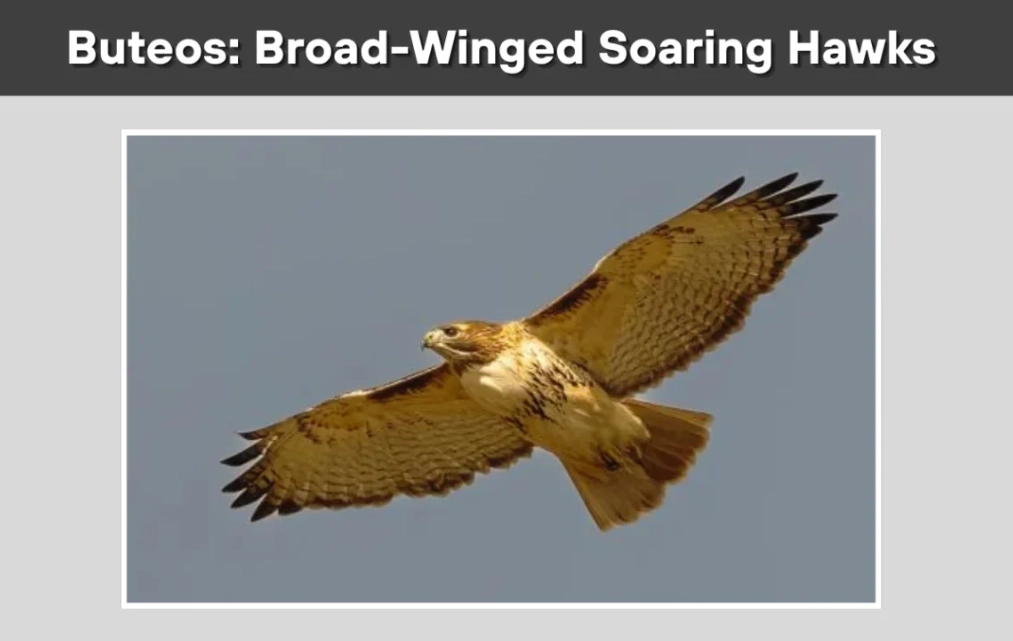
Common Identification Mistakes (And How to Avoid Them)
We've all been there. Here are the pitfalls I fell into, so you don't have to.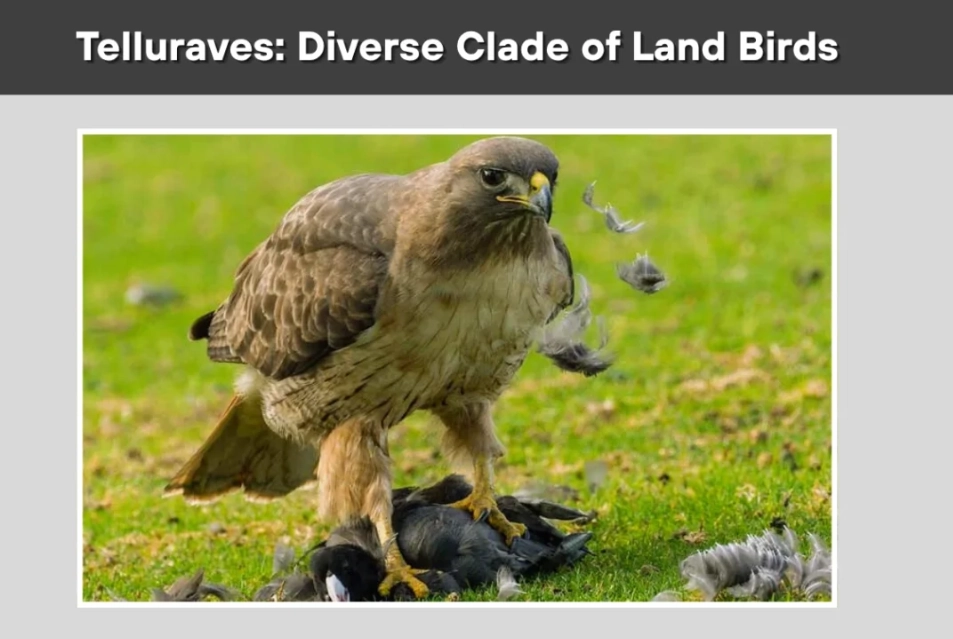
1. The "Red-tail" Trap: Not all Red-tailed Hawks show a red tail (juveniles don't), and other hawks have reddish tails. The key is the belly band—a streaky band across the white belly—combined with that chunky Buteo shape. If it's soaring, the pale panel on the top of the wing near the wrist is a dead giveaway.
2. Vulture vs. Eagle: At a distance, a soaring Turkey Vulture can look eagle-like. The vulture's wobbly flight, two-toned wings (silver flight feathers), and small, red head are the giveaways. An eagle's head is large and projects, and its flight is steady.
3. Cooper's Hawk vs. Sharp-shinned Hawk: The classic nightmare. Everyone looks at tail shape (rounded vs. square). In the field, that's often useless. Focus on the head. A Cooper's looks like it's wearing a cap, with a dark crown and lighter nape. A Sharp-shinned's head seems small and blends into the back. The Cooper's also has a more pronounced "mean" eyebrow ridge. In flight, the Cooper's has a longer neck and its head projects beyond the "wrists" of the wings.
My most embarrassing error? Calling a dark morph Swainson's Hawk a Black Hawk. The location—a dry grassland in Colorado—should have screamed Swainson's. I got obsessed with the color and ignored the habitat.
Gear and Prime Viewing Spots
You don't need a $3000 scope. A decent pair of 8x42 or 10x42 binoculars is perfect. I prefer 8x for a wider field of view when tracking fast-moving birds. A field guide specific to your region is essential—I wore out my Sibley guide.
For apps, eBird is invaluable. Not just for logging, but for its "Explore" feature. You can see hotspots where raptors are being reported near you right now.
Where to go? Raptors love edges and open spaces.
- Migration Hotspots: Places like Hawk Mountain Sanctuary in Pennsylvania, Cape May in New Jersey, or the Golden Gate Raptor Observatory in California are world-famous for a reason. In fall, thousands funnel through.
- Local Gems: Check landfills (attract gulls, which attract eagles), large wetlands (like the Everglades or the Great Lakes shores), and even major interstate corridors. The open right-of-ways are great hunting grounds for Red-tails and Kestrels.
- Time of Day: Late morning, when thermals start to form, is prime soaring time. Dusk can be good for owls emerging.
The goal isn't just to put a name on a bird. It's to understand why it looks and acts the way it does. That's when identification stops being a test and starts being a conversation.
 Where are the best places to see a variety of birds of prey?
Reader Comments