Quick Guide
- Why Winter Plumage Throws Us Off (And What to Do About It)
- The Michigan Winter Bird Lineup: Your Backyard Regulars & Northern Guests
- Pro Techniques for Confident Winter Bird ID in Michigan
- Top Spots for Winter Birdwatching Across Michigan
- Gear & Resources That Actually Help
- Answering Your Winter Bird ID Questions
- Putting It All Into Practice
Let's be honest, stepping into a Michigan winter landscape with binoculars can feel like someone shuffled the deck on you. The brilliant reds and yellows of summer are gone, replaced by a palette of browns, grays, and whites. Birds you thought you knew look... different. Muted. Sometimes downright confusing. I remember one January morning, staring at a flock of little brown birds hopping under my feeder, feeling utterly stumped. Were they sparrows? Finches? Something else entirely? That frustration is real, and it's why bird identification in winter plumage Michigan style becomes its own unique skill.
But here's the good news: winter is one of the most rewarding times to birdwatch here. The leaves are down, visibility is fantastic, and the cast of characters is both challenging and fascinating. You get the hardy resident birds, the tough-as-nails visitors from the far north, and the occasional surprising stray. This guide is here to cut through the confusion. We're going to walk through the key players, the telltale signs to look for, and the best spots in the state to test your new skills. Forget the overwhelm. By the end of this, you'll be naming those feathered mysteries with confidence.
Why Winter Plumage Throws Us Off (And What to Do About It)
Birds don't wear their party clothes all year. Most species molt their feathers in late summer or fall, exchanging bright breeding plumage for a more subdued, often streaky or plain winter plumage. This isn't about fashion—it's about survival. Duller colors provide better camouflage against bare branches and snowy ground. For us, it means a male American Goldfinch, a vibrant lemon yellow in July, transforms into a drab olive-green by December, looking almost like a different species.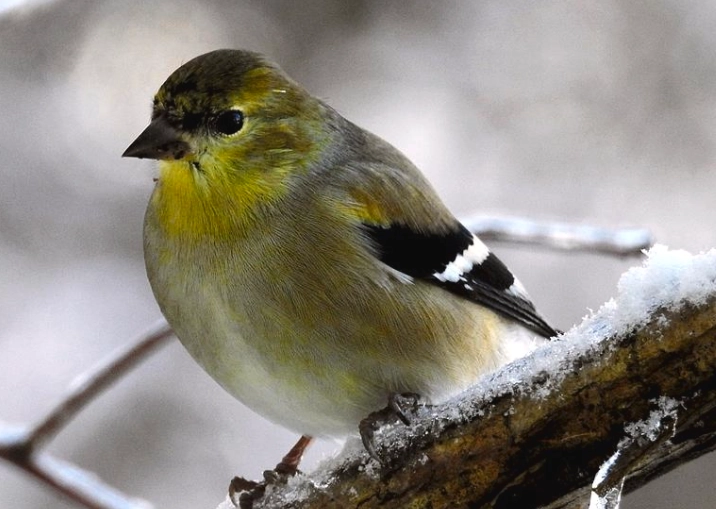
Then there's the whole migration factor. Michigan's winter bird community isn't just our summer birds in dull clothes. We lose the neotropical migrants (think warblers, most flycatchers) to Central and South America. In their place, we gain "winter visitors"—birds whose breeding grounds are in the boreal forests of Canada that find Michigan a relatively balmy winter retreat. So you're learning a partially new roster. Confusing? A bit. Exciting? Absolutely.
The Michigan Winter Bird Lineup: Your Backyard Regulars & Northern Guests
Let's break down the most common birds you're likely to encounter. I've grouped them in a way that makes sense when you're looking at them, not necessarily by scientific family.
The “Little Brown Jobs” Under the Feeder (Sparrows & Friends)
This is the group that causes the most headaches. They're all roughly sparrow-sized, often ground-feeding, and dressed in various shades of brown and gray. The key is in the details.
- Dark-eyed Junco: The classic "snowbird." Slate-gray body (males) or brownish-gray (females) with a clean white belly that looks like it was dipped in paint. Their pink bill and constant tail-flicking are dead giveaways. They're practically a fixture in every Michigan winter.
- American Tree Sparrow: A visitor from the arctic tundra. Look for a rusty cap, a single dark spot in the center of their plain breast (not streaks!), and a bi-colored bill (black upper, yellow lower). They love weedy fields.
- Song Sparrow: A year-round resident that gets extra streaky in winter. The key is the messy, central breast spot that looks like a big blob of streaks, not a neat spot. They also have thick "mustache" stripes.
- White-throated Sparrow: You'll often hear their mournful "Oh-sweet-Canada-Canada-Canada" whistle before you see them. Look for the bright white throat patch, yellow spots between the eye and bill (lores), and a sharply defined black-and-white or tan-and-white striped head. A real beauty, even in winter.
The Flashy Survivors (Finches & Cardinals)
These birds provide the much-needed splashes of color against the gray winter canvas.
- Northern Cardinal: The state bird needs no introduction. The brilliant red male and warm brown female are stunning against snow. Their crest is a key ID point. They don't change color seasonally.
- American Goldfinch: The great imposter. Males lose all yellow, becoming a pale brown with darker wings and black forehead. The black wings with white wing bars are the consistent clue. They flock to nyjer (thistle) feeders.
- House Finch: Males keep a rosy red on the head and breast, but it can be streaky and less vibrant. They are heavily streaked on the belly and flanks, which distinguishes them from the cleaner-looking Purple Finch (a less common winter visitor).
- Pine Siskin: An irruptive species—some winters they're everywhere, others they're absent. They look like a streaky, tiny sparrow with a sharp, pointed bill. The big clue is the subtle yellow flash in the wing and tail, especially visible in flight.
The Tough Crowd (Woodpeckers, Nuthatches, & Chickadees)
These are the acrobats of the trunk and branch, and they stick around all winter.
| Bird | Key Winter ID Features | Favorite Hangout & Behavior |
|---|---|---|
| Black-capped Chickadee | Black cap and bib, white cheeks, gray back. No change in plumage. | Everywhere. Moves in lively flocks, often first to investigate a new feeder. Famous "chick-a-dee-dee" call. |
| White-breasted Nuthatch | Clean white face and breast, blue-gray back, black cap. Moves head-first down tree trunks. | Deciduous woods. Visits feeders for sunflower seeds, often takes one and flies off to cache it. |
| Red-breasted Nuthatch | Smaller. Bold black eye line through a white face, rusty breast. A nasal "yank-yank" call. | Coniferous woods (pines, spruces). Irruptive; more common in some winters than others. |
| Downy Woodpecker | Small, black-and-white checkered wings. Male has a small red patch on back of head. | Woodlands, backyards. Tiny, stubby bill compared to Hairy Woodpecker. |
| Hairy Woodpecker | Looks like a larger Downy. Bill is as long as the head is wide. Call is louder, sharper. | Mature forests. Less common at feeders than Downy, but visits suet. |
| Pileated Woodpecker | Crow-sized, mostly black with bold white stripes on face and neck. Striking red crest. | Large tracts of forest. Look for massive, rectangular holes in dead trees. A thrilling sight. |
That head-first descent of the nuthatch is a foolproof giveaway. No other common bird does that. Once you see it, you'll never forget it.
The Northern Invaders (Irruptive Specialties)
These are the celebrities of Michigan winter birding. Their numbers vary wildly from year to year based on food supplies (like cone crops) up north. A "good" winter for these species is a birder's dream.
- Common Redpoll: A small finch with a rosy pink breast (males), a tiny black chin, and a bright red cap. They often swarm nyjer feeders in large, twittering flocks.
- Evening Grosbeak: A stunning, chunky finch. Males are yellow and black with a massive pale bill and a bright yellow forehead. Females are mostly gray with black-and-white wings. They descend on sunflower feeders like locusts and can empty them in hours. A spectacular sight.
- Bohemian Waxwing: Sleek, crested, and silky-looking. Gray-brown with a black mask and yellow-tipped tail. The real clincher is the flash of bright red, waxy tips on the secondary wing feathers. They devour berries in large, nomadic flocks.
Pro Techniques for Confident Winter Bird ID in Michigan
Okay, you know the players. Now, how do you actually put a name to the bird in your binoculars on a cloudy February day? It's about building a checklist in your head.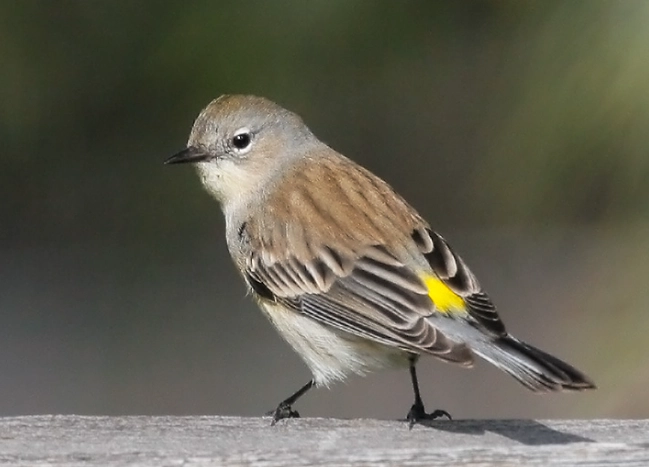
First, Size and Shape (GISS: General Impression, Size, and Shape): Is it sparrow-sized? Robin-sized? Crow-sized? What's the silhouette? A long tail? A crest? A chunky body with a big head? This instantly narrows the field. A perched bird that looks like a fat spear is probably a woodpecker.
Second, Behavior: This is huge. Is it creeping up a tree trunk (Brown Creeper)? Hanging upside-down from a branch (chickadee, titmouse)? Pecking vigorously on wood (woodpecker)? Flitting in the outer canopy (kinglet)? Behavior is a massive clue.
Third, Habitat: Are you in a dense coniferous swamp, an open oak woodland, a lakeshore, or a weedy field? Different birds prefer different places. You won't find a Red-breasted Nuthatch in an open field, and you won't find a Horned Lark in a pine forest.
Finally, Field Marks: Now you zoom in. Wing bars (white or yellow lines on the wing)? Eye rings (a pale circle around the eye)? Streaking vs. spotting on the breast? Bill color and shape? These are the final confirming details.
Let me tell you, the first time I correctly identified a Brown Creeper not by seeing it first, but by hearing its high-pitched "tsee" call and then finding it blending perfectly with the tree bark, I felt like a genius. It's those moments that make winter birding so addictive.
Top Spots for Winter Birdwatching Across Michigan
While your backyard is a great start, venturing out increases your odds for exciting finds. Michigan's diverse geography offers different opportunities.
Southeastern Michigan (Lakes & Rivers): Open water is a magnet. Check out the Detroit River and Lake Erie Metropark for overwintering waterfowl like Canvasbacks, Redheads, and mergansers. The warm outflow of power plants can create ice-free hotspots. The Michigan Department of Natural Resources (DNR) manages many of these areas and often posts wildlife viewing tips.
Northern Michigan & The UP (Coniferous Forests): This is prime territory for the northern specialists. Head to areas with extensive spruce and fir. Whitefish Point on Lake Superior is legendary for winter raptors (Snowy Owls, Northern Goshawks) and occasional rare gulls. The Hiawatha National Forest can be excellent for crossbills and grosbeaks in good cone years. It's cold, but the rewards are high.
Central Michigan (Agriculture & Fields): Drive the backroads through farmland and look for large flocks of Horned Larks, Snow Buntings, and Lapland Longspurs feeding on seeds in stubble fields. They often mix together, presenting a fantastic ID challenge. A spotting scope is very helpful here.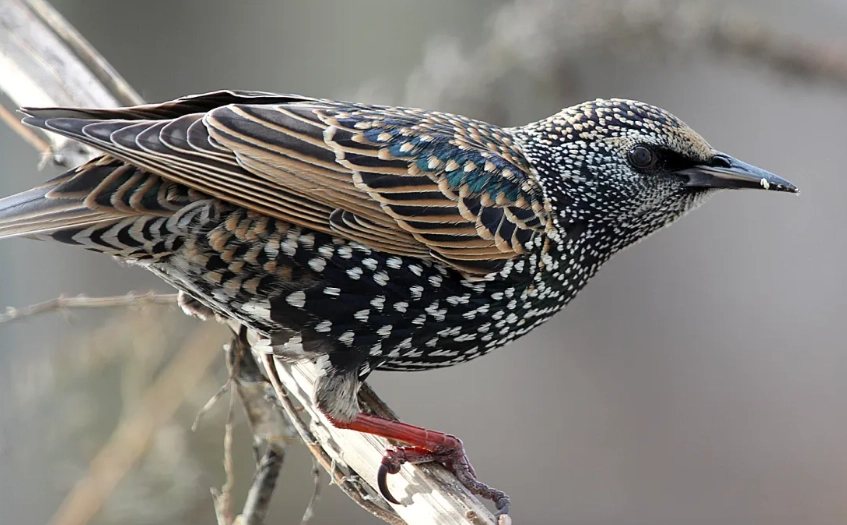
Gear & Resources That Actually Help
You don't need fancy gear, but a few things make life easier.
- Binoculars: 8x42 is a great all-purpose magnification. Clear, bright optics are worth it on dark winter days.
- Field Guide: A good regional guide like the Sibley Field Guide to Birds of Eastern North America or the Peterson Field Guide is indispensable. I prefer ones with multiple images showing seasonal plumages side-by-side.
- Apps: The Merlin Bird ID app from Cornell is a revolutionary tool. You can answer simple questions, upload a photo, or even use its sound ID feature to get real-time suggestions. It's not perfect, but it's an amazing learning aid. I use it to confirm tricky calls all the time.
- Community: Join a local Christmas Bird Count or a winter bird walk with a group like Michigan Audubon. Learning from experienced birders is the fastest way to improve. They'll point out subtleties you'd never notice on your own.
One piece of gear often overlooked? Hand and foot warmers. Being comfortable means you'll stay out longer and see more. Trust me on this.
Answering Your Winter Bird ID Questions
Let's tackle some specific questions that pop up every winter. These are the things people are really searching for.
Q: What's that big, all-gray bird with a black cap at my suet feeder?
A: Almost certainly a Tufted Titmouse. They are common year-round, but their soft gray plumage, crest, and black forehead stand out in winter. They're bold, curious, and love suet and sunflower seeds.
Q: I saw a robin in January! Is that normal?
A: Increasingly, yes. Some American Robins now overwinter in Michigan, especially in the southern parts of the state. Instead of worms, they switch to a diet of berries (crabapples, juniper, etc.). So a winter robin sighting isn't the sign of spring it used to be.
Q: How can I attract more variety of winter birds?
A: Offer a diverse menu: Black-oil sunflower seeds (attracts almost everyone), suet (woodpeckers, nuthatches, chickadees), nyjer/thistle (goldfinches, redpolls), and white millet sprinkled on the ground (sparrows, juncos). A heated birdbath is arguably the biggest draw of all—liquid water is precious in winter.
Q: What's the difference between a Sharp-shinned and Cooper's Hawk at my feeder?
A: This is the advanced class! Both are accipiters that prey on feeder birds. In brief: Sharp-shinned is smaller (jay-sized), head appears small, tail end is squared off. Cooper's is larger (crow-sized), head appears larger, tail end is rounded. The Cooper's often looks like it's wearing a "cap" while the Sharpie's head blends into its back. It's tough, and even experts debate some sightings.
Putting It All Into Practice
The goal of bird identification in winter plumage Michigan isn't just to slap a label on something. It's about understanding a story—a story of survival, adaptation, and migration. That junco on your path spent the summer on the arctic tundra. The redpoll flock at your feeder may have fled from a food shortage in Canada. Every bird has a journey.
So this winter, grab your guide, fill the feeders, and look closely. Embrace the subtleties. Celebrate the small victories—correctly naming that tricky sparrow, spotting the waxwing's red wing tip, hearing the kinglet's call. The landscape may seem silent and still, but it's full of life, just waiting for you to learn its winter language.
It's a puzzle, sure. But it's one where every piece you fit into place makes the whole picture of Michigan's natural world that much clearer and more beautiful.
Reader Comments