Quick Navigation
- Think Like a Bird: Understanding Behavior is Your Superpower
- Top Spots to Find Birds for Your Lens
- Your Digital Toolkit: Apps and Online Communities
- Putting It All Together: The Strategy for a Successful Outing
- Advanced Tactics & Niche Methods
- Answers to Common Questions (Stuff People Really Want to Know)
- Final Thoughts: It's a Journey, Not a Destination
Let's be honest. The hardest part of bird photography isn't the fancy camera settings or the expensive lens. It's the very first step: actually finding the birds. You can have all the gear in the world, but if you're just standing in an empty field, you're not getting any shots. I remember my early days, driving for hours to a "great spot" only to see a few pigeons and a squirrel that looked vaguely bird-like from a distance. Frustrating doesn't even begin to cover it.
So, how do you find birds to photograph? It's not magic, and it's not just luck (though a little helps). It's a mix of strategy, knowledge, and learning to think like a bird. This guide is everything I wish I'd known when I started. We're going to move beyond generic advice and get into the nitty-gritty of location scouting, behavior prediction, and using tools that actually work.
Think Like a Bird: Understanding Behavior is Your Superpower
Birds aren't randomly distributed. They go where their needs are met. If you want to find birds to photograph, you need to understand what those needs are. It’s basic ecology, but it's the foundation of everything.
The Four Pillars of Bird Real Estate
Every bird is looking for four things: food, water, shelter, and a place to raise young. Your job is to find the intersections where these resources are plentiful.
- Food Source is King: This is the biggest draw. A stand of berry-laden trees will attract waxwings and robins. A field full of seeding grasses is finch heaven. A muddy shoreline is a buffet for shorebirds probing for invertebrates. Look for the food, and you'll find the diners.
- Water is Non-Negotiable: All birds need to drink and bathe. A reliable water source—a pond, a stream, a birdbath, even a consistent puddle—is a major hotspot. Dawn and late afternoon are peak times at waterholes.
- Shelter and Safety: Birds need cover from predators and harsh weather. Dense thickets, evergreen trees, reed beds, and cliff faces provide this. They'll often forage in the open but stay close enough to this cover to dart back to safety. Your perfect setup is an open area (good for photos) adjacent to thick cover (where the birds live).
- Nesting Sites: During breeding season, birds are tied to their nest locations. Learn which birds nest in cavities (woodpeckers, bluebirds), which build elaborate hanging nests (orioles, weavers), and which just use a scrape on the ground (killdeer, many shorebirds). Finding active nesting areas (always observe ethically from a great distance!) guarantees repeated subject visits.
See that old, gnarled tree with dead branches (called "snags") near the pond? That's prime bird real estate. Water below, insects in the wood, perches to scan from. It's practically a bird apartment building.
The Rhythm of Their Lives: Time and Season
Birds operate on a tight schedule dictated by light and season. Ignoring this is the fastest way to come home empty-handed.
Seasons change everything. In spring, look for migrating songbirds in any patch of greenery, especially after a night of favorable winds. Males are in bright breeding plumage and singing constantly to attract mates—both a visual and auditory beacon. Summer is about finding breeding territories and, later, families with fledglings. Autumn brings migration again, but also large flocks of blackbirds, geese, and shorebirds staging in specific areas. Winter simplifies things: look for food sources like bird feeders, berry bushes, and open water when everything else is frozen.
You get the idea. You're not just looking for a bird. You're looking for a bird, at a specific life stage, fulfilling a specific need, at a specific time of day and year. It sounds complex, but it quickly becomes second nature.
Top Spots to Find Birds for Your Lens
Okay, theory is good. Let's get practical. Where do you actually go? Here’s a breakdown of location types, from your backyard to dedicated expeditions.
Start Hyper-Local: Your Backyard & Neighborhood
Don't underestimate this. Learning how to find birds to photograph can start by looking out your window. Set up a bird feeder with black oil sunflower seeds (a near-universal attractant) and a birdbath. You'll be shocked at who shows up. It's a controlled environment to practice your camera skills and learn behaviors. I've taken some of my favorite intimate portraits just feet from my kitchen window.
Walk your local park, cemetery, or even golf course (with permission, away from play). Areas with a mix of mature trees, open lawn, and water features are consistently productive. The key is visiting repeatedly. You learn which tree the downy woodpecker likes, which fence line the sparrows patrol.
The Public Goldmines: Parks, Refuges, and Sanctuaries
These are managed for wildlife and are your most reliable bet. Here’s a quick table comparing types:
| Location Type | What You'll Find | Best For | A Note of Caution |
|---|---|---|---|
| City/County Parks | Common resident birds, waterfowl on ponds, maybe a hawk or two. Accessible and easy. | Beginners, practicing technique, quick outings. | Can be crowded. Birds may be habituated but also more wary. |
| State/National Parks | Diversity! Habitat ranges from forest to meadow to wetland. Often have less "edge" habitat. | Landscape-and-bird combo shots, immersive experiences. | Rules are strict. Stay on trails. No baiting. Often require permits for tripod use in wilderness. |
| Wildlife Refuges & Sanctuaries | Concentrated wildlife, often with viewing blinds/platforms. Managed specifically for animals. | Serious bird photographers. High likelihood of success and variety. | Respect closure areas, especially during nesting. Entry fees may apply. |
| Water Treatment Ponds | Shorebird MECCA during migration. Often heated water attracts birds in winter. | Finding large numbers of specific waterbirds, gulls, terns. | Check if public access is allowed. Can be... fragrant. Safety first near water. |
My personal workhorse locations are National Wildlife Refuges. Places managed by the U.S. Fish & Wildlife Service are designed with wildlife observation in mind. They have auto tour routes, walking trails, and sometimes even photography blinds. The National Audubon Society also manages a network of fantastic sanctuaries across the country. These are not random guesses; they are known, curated hotspots.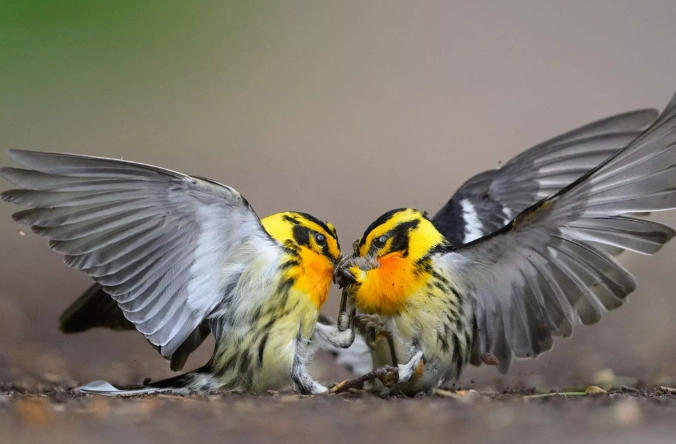
Specialized Habitats for Specific Quests
Want a particular bird? Go to its home.
- Wetlands & Marshes: Herons, egrets, rails, bitterns, ducks, grebes. Look for boardwalks or dike roads.
- Grasslands & Prairies: Meadowlarks, sparrows, bobolinks, hawks hunting over the open space. Tough because there's no cover for you.
- Forests & Woodlands: Warblers, woodpeckers, thrushes, owls. Learn bird calls—you'll hear 10x more than you see.
- Coasts & Beaches: Shorebirds, gulls, terns, pelicans, oystercatchers. Time your visits with low tide when feeding areas are exposed.
Your Digital Toolkit: Apps and Online Communities
Gone are the days of just hoping. We have incredible tools now. If you're not using these, you're working way too hard to find birds to photograph.
The Game-Changer: eBird
eBird, run by the Cornell Lab of Ornithology, is the single most powerful tool for a bird photographer. It's a global database of bird sightings submitted by birders. Why is it amazing?
- Hotspot Maps: You can see exactly where specific birds were reported, down to the trail or pond. Looking for a painted bunting? Pull up eBird, search your region, and see the precise parks where they've been seen this week.
- Bar Charts: Shows you what species are present in an area by month. Planning a trip to a new state? Check the bar chart for a local hotspot to see what's possible that time of year.
- Alerts: You can set up alerts for rare or coveted species in your county. Get an email when someone reports that snowy owl or vermilion flycatcher.
I use it to scout every new location. It turns guesswork into a targeted mission. The mobile app is essential in the field.
Other Essential Digital Aids
Merlin Bird ID (also from Cornell): Sound ID feature is witchcraft. Point your phone at a bird song, and it suggests what's singing. Incredible for identifying hidden birds in dense foliage.
Local Birding Listservs and Facebook Groups: Search "[Your County] Birding" on Facebook. These groups are where local enthusiasts share rare finds in real-time. The etiquette is to read the group rules—some are sensitive to exact locations for sensitive species to prevent disturbance.
Google Earth/Maps Satellite View: Scout habitats from above. Look for that little pond tucked behind the industrial park, the ribbon of green along a river, or the patch of woods in an agricultural area. These "habitat islands" can concentrate birds.
Seriously, eBird alone will cut your learning curve in half.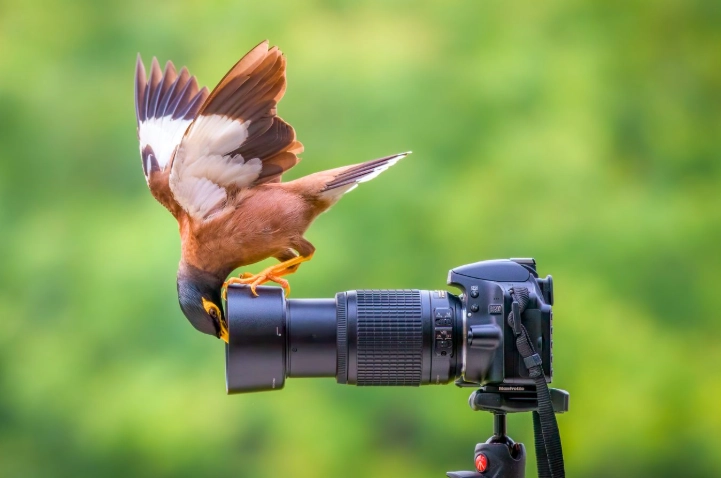
Putting It All Together: The Strategy for a Successful Outing
Let's walk through a plan for a Saturday morning shoot.
- Plan the Night Before: Check eBird for recent sightings at a few local hotspots (a wetland refuge and a large park). The refuge has reports of a least bittern (a secretive marsh bird) and the park has a nesting great horned owl family. The bittern is a tough challenge, the owl is more reliable. I decide to start at the park at dawn for the owls while the light is good and the crowds are low.
- Gear Prep: For the owls in a tree, I'll want my 500mm lens. For the bittern in reeds, maybe a 100-400mm for more flexibility if it moves. Pack rain gear, snacks, water, a stool. Charge batteries, clear memory cards.
- On Site - The Owl Grove: Arrive 30 minutes before sunrise. I already know the nest tree location from eBird reports (described as "large pine near the third bench on the west loop"). I set up at a respectful distance, using other trees as cover. I wait. The light comes up. An adult owl returns with prey. Click. Success.
- Pivot - The Wetland: By 9 AM, the owl light is getting harsh and they're settling down to sleep. I drive to the refuge. At the bittern hotspot, I find a viewing platform. I don't see it. I get bored after 20 minutes. That's normal. I switch to photographing the plentiful red-winged blackbirds and swallows. I keep one eye on the reeds. An hour in, a slight movement. The bittern, perfectly camouflaged, is stalking a frog. I get a few frames before it vanishes. The patience paid off.
- Post-Outing: I submit my own checklist to eBird, contributing back to the community. I back up my photos.
This is the process. It's part research, part patience, part adaptability. You won't always find your target, but if you're in good habitat at the right time, you'll find something.
Advanced Tactics & Niche Methods
Once you've got the basics down, here are some pro-level ways to find birds to photograph.
Pishing and Playback (Use Sparingly and Ethically)
"Pishing" is making a squeaky, scolding noise (pish-pish-pish) that mimics chickadee mobbing calls. It can curiosity-flush small birds out of cover to investigate. Playback involves playing a bird's song to elicit a territorial response. The ethics here are extremely important. Never use playback near an active nest, for endangered species, or repeatedly. It can stress birds and waste their energy. I almost never use playback. Pishing, very occasionally and briefly, can work. Many refuges and parks prohibit playback outright. Know the rules.
Working with Bait (A Minefield)
Putting out seed to attract birds is fine at your backyard feeder. Doing it in a public natural area is often illegal and almost always unethical. It can change natural behavior, promote disease, and attract predators. One major exception: Some photographers work with established owl or raptor rehabilitators who use food to lure birds for flight training or health checks. This is a controlled, permitted scenario. Don't just throw mice in the air in a state park. You'll get fined, and you deserve it.
The Art of the Stakeout
Some shots require insane patience. Finding a nectar feeder frequented by hummingbirds, a perch a hawk uses regularly, or an owl's favorite daytime roost, and then waiting there, camouflaged, for the perfect moment. This is less about randomly finding birds and more about predicting precise behavior at a precise location. It's where photography meets behavioral science.
Answers to Common Questions (Stuff People Really Want to Know)
Final Thoughts: It's a Journey, Not a Destination
Learning how to find birds to photograph is the core skill of the genre. It never really ends. You'll have days where you stumble upon a perfect scene by pure luck, and days where your meticulously researched plan yields nothing but mosquito bites.
The key is to build a process: understand basic needs, use modern tools like eBird to guide you, seek quality habitats, and then practice the ancient arts of patience and quiet observation. Start local. Get to know the crows and cardinals in your neighborhood as individuals. The skills you build there will scale up to finding that elusive warbler in a vast national forest.
Go out there. Be patient. Be respectful. And keep your eyes open. The birds are waiting—you just need to know where, and when, to look.
Now grab your camera, check eBird, and go see what's out there.
Reader Comments