That first flash of red against the snow or the sharp, clear whistle from a dense shrub – spotting a Northern Cardinal never gets old. It's the bird that turns casual window-glancers into full-fledged bird watchers. But beyond being just a pretty face, this bird has layers. I've spent over a decade watching them, making plenty of mistakes in trying to attract them, and learning the subtle details that most generic guides miss. This isn't just a list of facts; it's a practical manual from someone who's been in the trenches of backyard birding, figuring out what actually works to bring these brilliant red birds to your feeder and keep them coming back.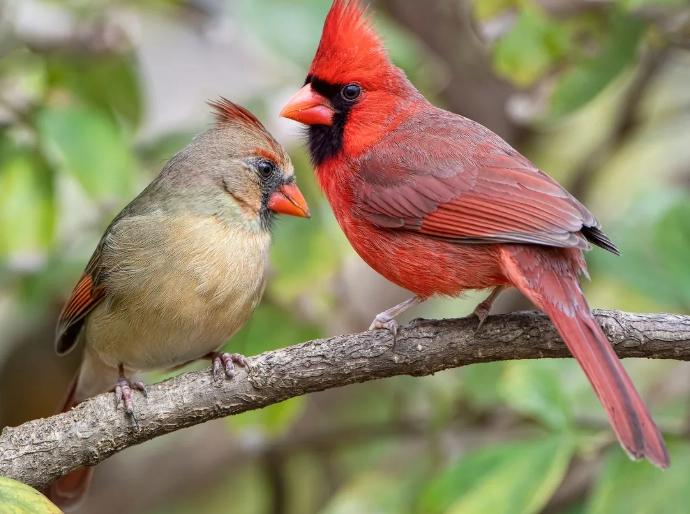
What's Inside This Guide?
- How to Spot a Northern Cardinal (Beyond the Red)
- How to Attract Northern Cardinals to Your Backyard
- What Do Northern Cardinals Eat? (The Good and the Bad)
- Observing Cardinal Behavior: Territory, Song, and Family Life
- Cardinal Habitat and Range: Where to Find Them
- Your Northern Cardinal Questions, Answered
How to Spot a Northern Cardinal (Beyond the Red)
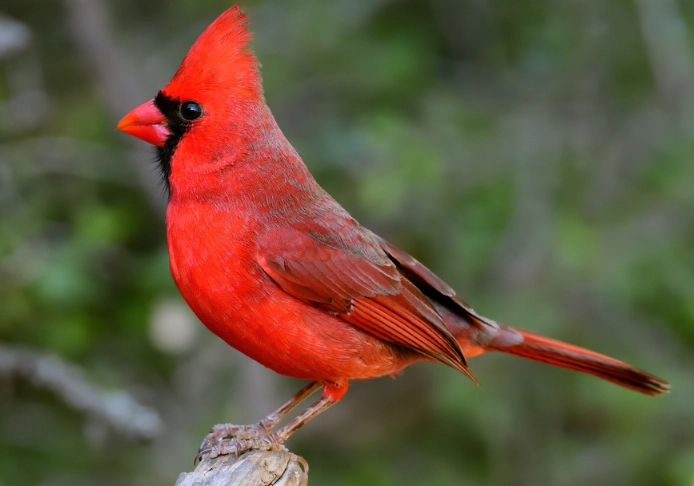
Everyone knows the male – a stunning, all-over scarlet with a black mask and a pointed crest. It's impossible to miss. The female, however, is where many new birders get tripped up. She's not just a "dull version." She's a master of camouflage, wearing beautiful shades of warm tan, olive, and reddish tinges in her wings, tail, and crest. Her face mask is grayish, and she shares the same distinctive crest and bright orange-red bill.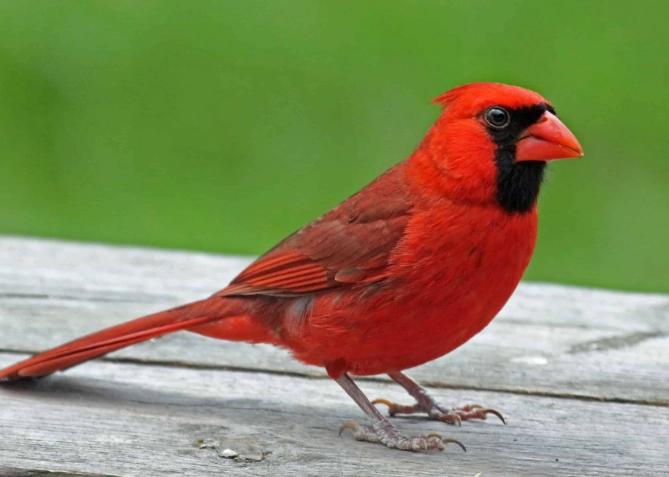
Listen as much as you look. Their song is a series of clear, whistled phrases that often sound like "cheer, cheer, cheer" or "birdie, birdie, birdie." Both males and females sing, which is unusual. In fact, you'll often hear them communicating back and forth, especially during nesting season. Their common call is a sharp, metallic "chip!"
Watch their flight pattern. Cardinals have a distinctive, slightly bouncy flight. They don't soar or glide much; it's more of a rapid series of wingbeats followed by a short coast, repeated. You'll often see them flying low between thickets.
How to Attract Northern Cardinals to Your Backyard
This is the heart of it. You want that red splash at your window. I've learned this through trial and error, and my biggest early mistake was using the wrong feeder. Cardinals are large, perching birds. They are not acrobats like chickadees or finches.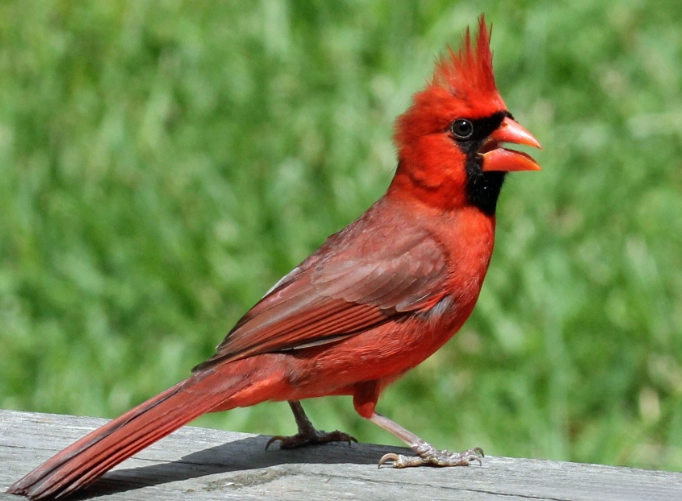
Step 1: The Right Food Station
Forget tube feeders with tiny perches. Cardinals feel unstable on them and will avoid them. They prefer a stable platform. Here’s what works:
Platform or Tray Feeders: Their absolute favorite. A simple, open tray gives them space to land and feed comfortably. The downside? It's also a squirrel and pigeon buffet. I use a tray with a weight-sensitive mechanism that closes the access when a squirrel jumps on it.
Large Hopper Feeders: Ones with a big, flat perch ledge are good. Make sure the seed ports are large enough for them to access easily.
Ground Feeding: Scatter seed directly on the ground in a clean, open area near cover. This is highly effective, but be prepared for it to be cleaned out quickly by other animals.
Step 2: Offering the Best Menu
Cardinals have strong beaks designed for cracking hard shells. They love:
Black Oil Sunflower Seeds: The universal favorite. It's the hamburger of the bird world – high in fat, easy to crack, and almost every bird likes it.
Safflower Seeds: This is a secret weapon. Cardinals and chickadees love them, but squirrels, grackles, and starlings typically don't. It's slightly more expensive, but it reduces waste and nuisance birds.
Shelled Peanuts (Hearts or Pieces): A high-energy, high-protein treat. They go nuts for them (pun intended). Offer these in a separate tray to prevent smaller birds from hogging them.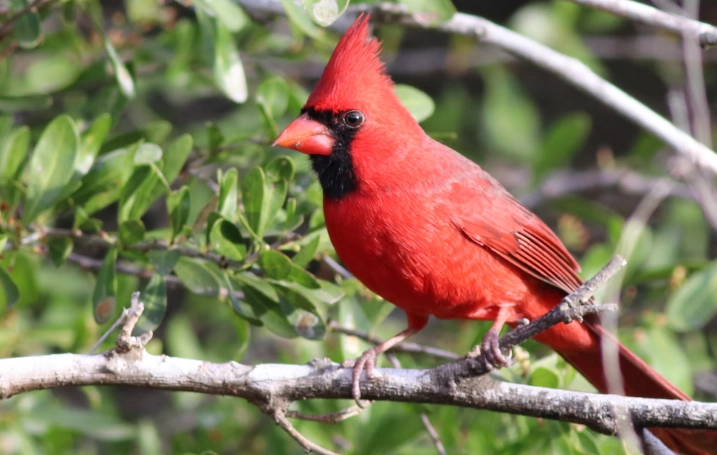
What to Avoid: Cheap seed mixes full of milo, wheat, and other filler. Cardinals will kick this stuff out of the feeder looking for the good stuff, creating a mess. Buy quality single seeds and mix them yourself.
Step 3: Creating Cardinal-Friendly Habitat
Food brings them in, but shelter keeps them around. They need dense, shrubby cover for nesting, roosting, and escaping predators. Plant native shrubs like dogwood, serviceberry, viburnum, or evergreen holly. A thorny thicket like a raspberry patch is cardinal paradise – safe from cats and full of insects for their young.
Water is crucial. A simple birdbath, cleaned regularly and kept ice-free in winter, is a bigger draw than you might think. They need to drink and bathe.
What Do Northern Cardinals Eat? (The Good and the Bad)
Their diet shifts with the seasons. In spring and summer, insects like beetles, grasshoppers, and caterpillars become a major part of their diet, especially when feeding hungry chicks. This is critical protein. In fall and winter, they switch almost entirely to seeds and berries.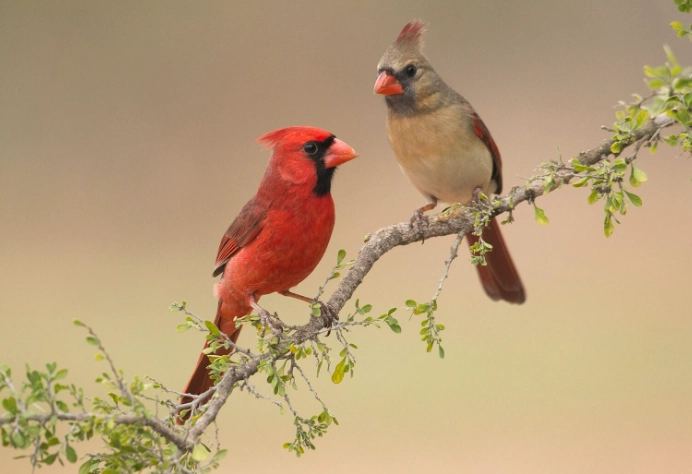
They are classic "foragers," hopping on the ground or in low bushes. That's why platform feeders mimic their natural feeding style so well.
Here’s a quick comparison of feeder types from a cardinal's perspective:
| Feeder Type | Cardinal Friendliness | Pros | Cons |
|---|---|---|---|
| Open Platform/Tray | Excellent | Natural feeding posture, easy access, fits large birds. | Exposed to weather, squirrels, and bully birds. |
| Large Hopper | Good | Protects seed from rain, good capacity. | Perches can still be too small; needs frequent cleaning. |
| Tube Feeder | Poor | Great for finches, protects seed. | Perches are almost always too short and unstable for cardinals. |
| Ground (on a paved area) | Very Good | Most natural, easy for them. | Attracts rodents, can spread disease if not kept clean. |
Observing Cardinal Behavior: Territory, Song, and Family Life
Cardinals are fiercely territorial. A mated pair will defend their territory year-round. You'll often see the male chasing off intruders, sometimes even attacking his own reflection in car mirrors or windows, thinking it's a rival.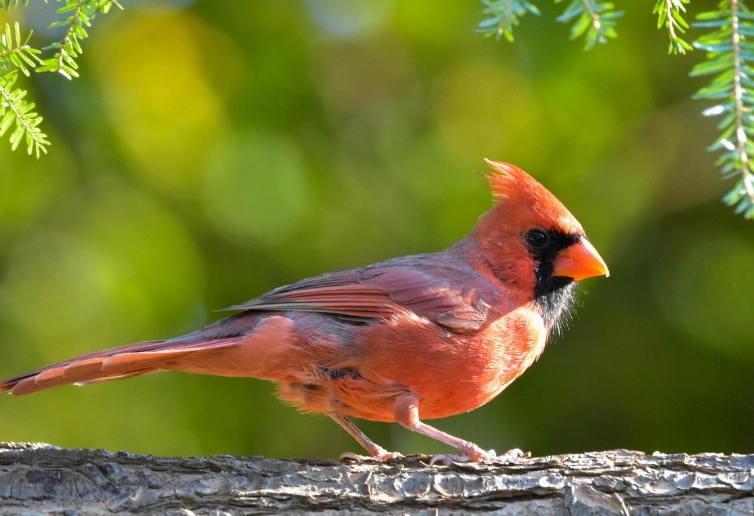
They are largely monogamous and pair for life. The male is famously attentive, often feeding the female beak-to-beak during courtship. It's a sweet behavior that looks like kissing.
Both parents feed the chicks. The nest is a tidy cup of twigs and grasses, hidden deep in a thorny shrub or dense vine, usually 3-10 feet off the ground. They are known to raise 2-3 broods per season.
One fascinating, rarely mentioned behavior: they are known to practice "egg dumping" or brood parasitism on their own species. A female might lay an egg in another cardinal's nest. I've witnessed what I believe was this – a nest with five eggs, which is unusually high for a cardinal clutch.
Cardinal Habitat and Range: Where to Find Them
Cardinals don't migrate. Once they establish a territory, they stick to it, which is why they are such reliable backyard visitors. They are found across the eastern United States from Maine to Florida and west to the Great Plains. They've also expanded successfully into the southwestern U.S.
They thrive on the "edge" – where forest meets field, or suburb meets woodland. They love overgrown fields, streamside thickets, and, of course, suburban yards with a mix of feeders and shrubs. You won't find them in deep, unbroken forest or in completely open farmland.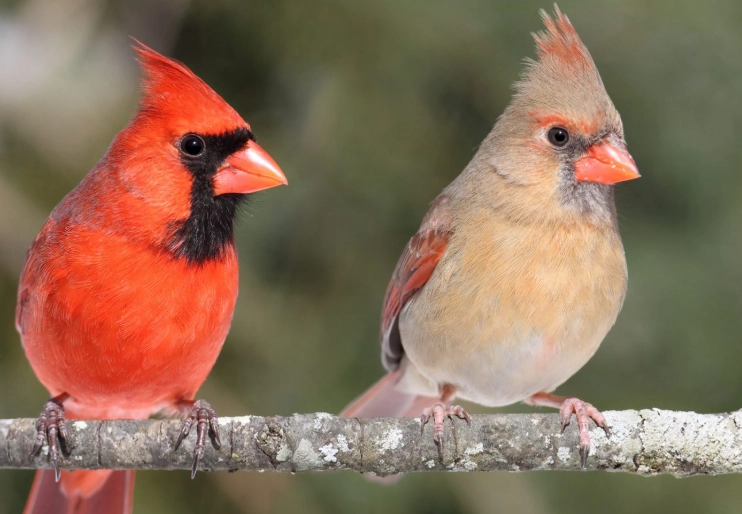
For authoritative range maps and detailed scientific data, the Cornell Lab of Ornithology's All About Birds website is an unparalleled resource.
Your Northern Cardinal Questions, Answered
Getting to know the Northern Cardinal is more than just bird watching; it's inviting a piece of wild, enduring beauty into your daily routine. Start with the right feeder and the right food, add some thick cover and fresh water, and be patient. One morning, you'll hear that sharp "chip!" and see a flash of red that feels like it's just for you. Then the real observation begins.
Reader Comments