You're at the local pond. You see a duck. It's brown. Or maybe it has a green head. That's about as far as most people get. I spent years stuck there too, vaguely pointing and saying "Look, a duck!" until I realized I was missing an entire world of detail and drama happening right on the water. Identifying ducks isn't about memorizing a thousand pictures. It's about learning a new language—a language of shapes, sounds, and habits. Let's cut to the chase: if you know where to look and what to ignore, you can confidently name the most common ducks in North America by your next weekend walk.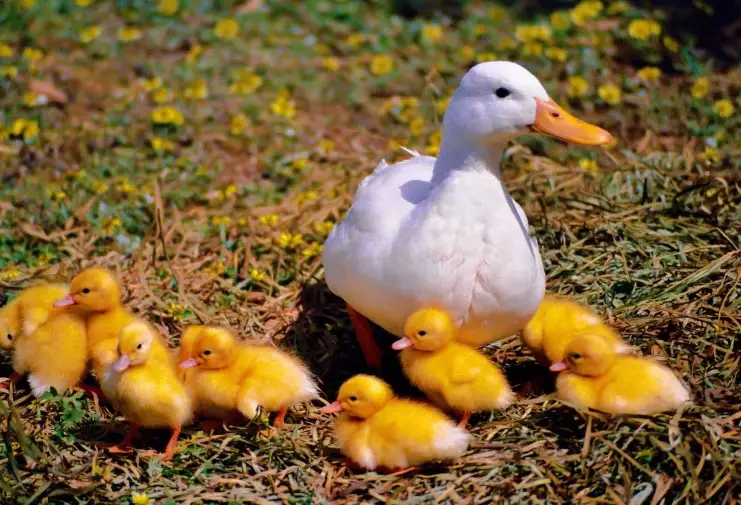
Your Quick Duck Watching Cheat Sheet
Why Bother Learning Your Ducks?
It changes everything. Suddenly, that flock isn't just a bunch of birds. It's a mixed group of Mallards and American Wigeons arguing over food. You notice the shy Gadwall hiding in the reeds. You hear the high-pitched whistle of a male Wood Duck before you even see its impossible colors. It turns a passive glance into an active discovery. On a practical level, it helps you understand local ecosystems. Ducks are indicator species. Seeing a decline in diving ducks like Canvasbacks might tell you something about water quality. Plus, it's a free, lifelong hobby that gets you outside. You don't need to travel to exotic places. The theater is playing at your nearest marsh.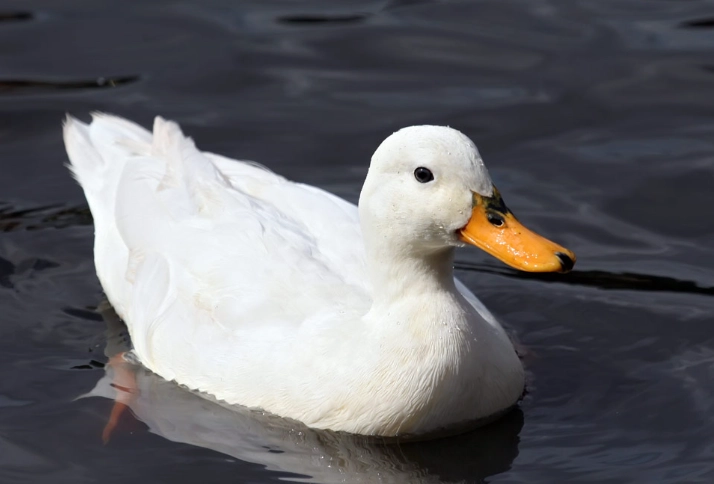
How to Identify Ducks by Sight and Sound
Forget trying to remember every feather pattern at once. Your brain will melt. Break it down into three filters you run through in order.
Filter 1: The Silhouette and Bill
Shape is king, especially at a distance or in bad light. Is the body bulky or slender? Is the head rounded or peaked? Now, look at the bill. This is the most overlooked ID feature. Is it huge and spoon-shaped? You've likely got a Northern Shoveler. Is it short and stubby? Think American Wigeon. Is it long, sloping, and merged smoothly with the forehead? That's a classic Merganser profile for catching fish. Getting the shape and bill right narrows your options by 70%.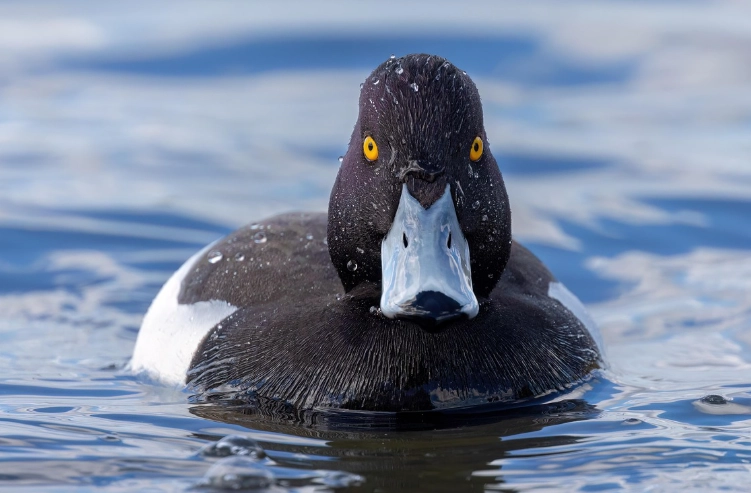
Filter 2: The Key Patches (The "Field Marks")
Once you have the shape, look for one or two bold, high-contrast patches. Birders call these "field marks." They're the cheat codes.
- Speculum: This is the colored patch on the secondary flight feathers, visible on the wing when the bird is sitting or in flight. Mallards have a bright blue one bordered in white. The speculum color is a huge clue.
- Head Patterns: A clean white crown stripe? Maybe a Goldeneye. A bold green swoop behind the eye? That's a Green-winged Teal male.
- Side or Tail Patches: A bright white patch on the side near the rear? Could be a Northern Pintail drake.
Don't try to see everything. Hunt for that one flashy, unmistakable mark.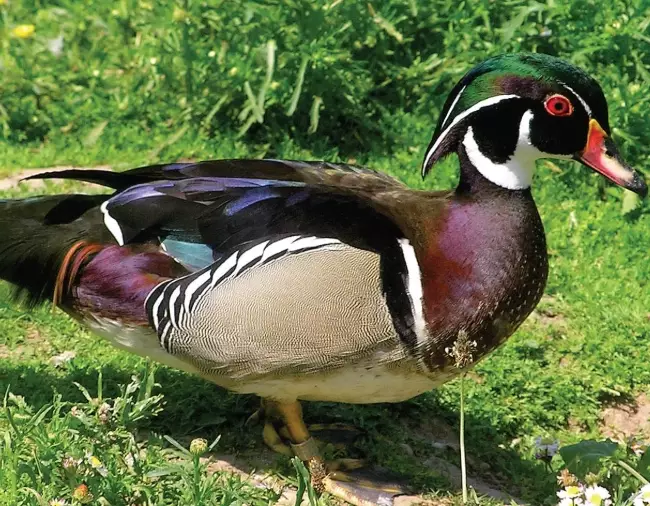
Filter 3: The Sound and Behavior
Ducks are not quiet. Hens quack, but drakes make all sorts of weird noises: whistles, grunts, rattles. The male Wood Duck's call is a rising, squealing "jeeeeee." The American Wigeon male lets out a three-note whistle. Sound is often the first clue you get before you even spot the bird.
Watch what they're doing. Are they tipping tail-up to feed in shallow water? Those are "dabbling ducks" like Mallards and Pintails. Are they diving completely underwater and staying down for 10-20 seconds? Those are "diving ducks" like Canvasbacks and Ring-necked Ducks. Behavior places them in a major category instantly.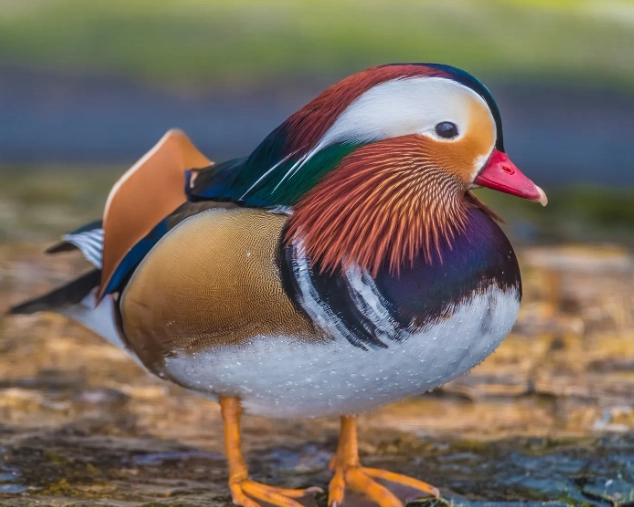
What Gear Do You Really Need for Duck Watching?
You can start with just your eyes. Seriously. The obsession with gear can be a trap. I've seen newcomers with $3000 binoculars who still can't tell a Bufflehead from a Hooded Merganser because they never learned the basics. That said, a few tools help immensely.
Your essential, non-negotiable kit:
- Binoculars (8x42): As above. Test them for comfort.
- A Field Guide or App: A physical book like the Sibley Guide to Birds is fantastic for learning. For speed in the field, the Merlin Bird ID app from the Cornell Lab of Ornithology is free and brilliant. You can even ID by sound.
- A Notebook: Scribble down what you see: "Big duck, all dark, huge white bill patch." The act of writing cements the memory.
- Weather-Appropriate Clothes: You'll be standing still. You'll get cold. Wet feet ruin the fun. Waterproof boots are a game-changer.
Top Spots to See Ducks (From City Parks to Wild Refuges
Ducks are everywhere there's water. Your strategy depends on your goal.
For a Casual Hour: Any urban park with a decent-sized pond or river. Check your local botanical garden or reservoir. These spots often have year-round Mallards and introduced species, plus seasonal migrants. It's low-pressure practice.
For Serious Variety (The Big Shows): This is where you go for the spectacle, especially during fall and spring migration (October-November and March-April).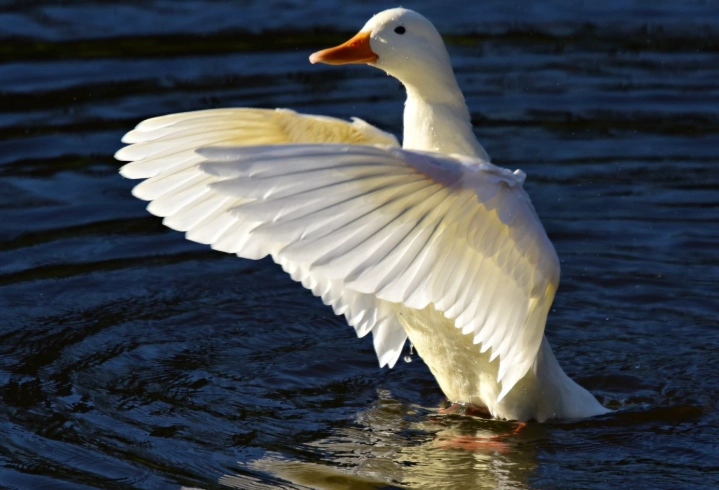
| Location Type | What You'll See | Example Spot (U.S.) | Best Time |
|---|---|---|---|
| National Wildlife Refuge | Massive flocks of diving ducks, geese, swans. Rarities. | Bosque del Apache NWR (NM) - famous for snow geese & ducks. | Winter (Nov-Feb) |
| Major Flyway Wetland | Huge diversity of dabblers and divers in migration. | Horicon Marsh (WI) - one of the largest freshwater marshes. | Fall & Spring |
| Coastal Estuary/Bay | Sea ducks, scoters, Long-tailed Ducks, mergansers. | Monterey Bay (CA) - for wintering sea ducks. | Winter |
A personal story: I once went to Sacramento National Wildlife Refuge in California in January. From the auto tour route, we saw clouds of ducks—thousands of them—taking off from the water, swirling in synchronized patterns. The sound was a constant, low roar. We identified Northern Pintails, American Wigeon, and Green-winged Teal just by their silhouettes against the sky. It was a masterclass in shape ID you can't get from a book.
Five Common Ducks You'll Master First
Let's apply the filters. Here are five ducks you're almost guaranteed to see, and exactly how to lock in their ID.
| Duck | Key Shape/Bill | Unmistakable Field Mark (Male) | Signature Behavior/Sound |
|---|---|---|---|
| Mallard | Classic dabbler shape. Hen has distinct orange bill with black center. | Drake's iridescent green head, yellow bill. | Loud, classic "quack" (hen). Ubiquitous. Tips up to feed. |
| Northern Shoveler | Oversized, spoon-shaped bill. Head looks large. | Drake's dark green head, white chest, rusty sides. | Swims with bill skimming water surface to filter food. |
| Wood Duck | Crested head, slender body. Perches in trees. | Drake's outrageous multi-colored, iridescent pattern. | Squealing "jeeee" call. Nests in tree cavities. |
| Bufflehead | Small, compact diving duck with a puffy head. | Drake's large white patch on back of head. | Rapid wingbeats in flight. Dives frequently. |
| Canada Goose | Large, long neck. Not a duck, but you'll see it! | Black head and neck with white "chinstrap." | Loud "honking" in V-formation flights. |
The Birder's Bag of Tricks: Moving Beyond the Basics
Here's where experience talks. After a decade, you stop looking for the bird and start looking for the context.
Light is Everything: A duck's colors change completely with the angle of the sun. That "green" head on a Mallard can look black or brilliant emerald. Always try to get the sun behind you.
Beware of Hybrids: Mallards love to interbreed with domestic ducks and other species. You'll see weirdos with odd bill colors, white patches, or mixed patterns. Don't stress. Note it as a "Mallard hybrid" and move on. It's a rite of passage.
Use the Flock: Ducks often segregate. If you see a flock of small, fast-diving ducks, they're likely all the same species (e.g., Buffleheads). Compare individuals within the flock to see the consistent features.
The most satisfying moment is when you hear a whistle, glance at a distant shape on the water, and say, "American Wigeon," without even raising your binoculars. That's when you know the language.
Your Duck Questions, Answered
So grab that notebook, head to a pond, and just watch. Don't worry about naming everything. Watch how they move, feed, and interact. The names will come. The green-headed one is the Mallard. The one with the ridiculous bill is the Shoveler. You're not just looking at ducks anymore. You're seeing characters in a story. And you finally know their names.
Reader Comments