In This Guide
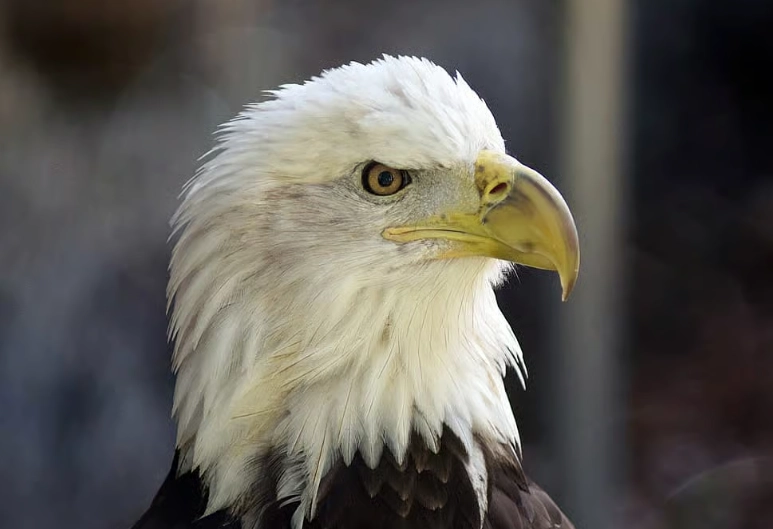
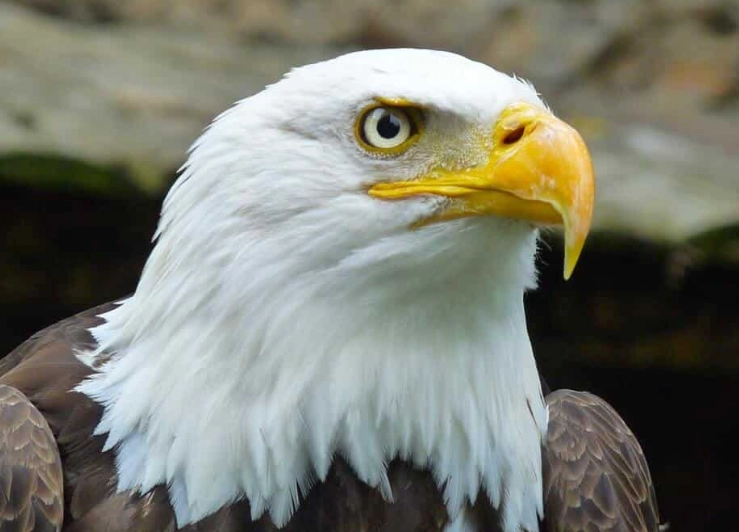
Let's be honest. If you're like most people, your idea of a bald eagle sound probably comes from movies. That iconic, piercing shriek you hear when an eagle soars on screen? It's a lie. A complete Hollywood fabrication. I remember the first time I actually heard a real bald eagle call in the wild, up in Alaska. I was confused. It didn't sound powerful or fearsome at all. It was... kind of wimpy. A series of chirps and whistles. I actually laughed out loud. It was a total disconnect from the majestic predator I was watching.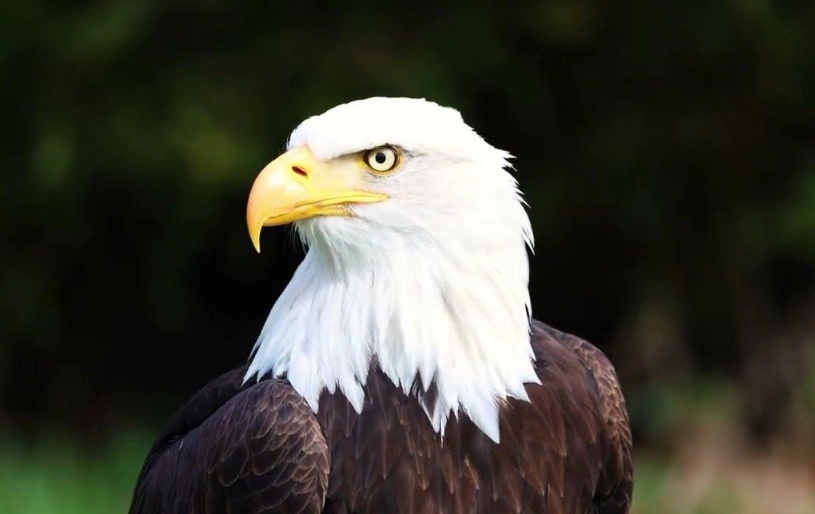
That moment sparked my obsession. I wanted to understand the real voice of America's national bird. What I discovered is far more interesting than any movie sound effect. The true bald eagle sounds are a complex language of chirps, chatters, and yes, some screeches, each with a specific meaning. This guide is my attempt to clear up the confusion, decode their calls, and help you truly listen to these incredible birds.
The Hollywood Myth: That famous, fierce scream used for eagles in almost every film and TV show? It's actually the call of a red-tailed hawk. Hollywood producers thought the bald eagle's real voice wasn't "impressive" enough, so they swapped it decades ago. The lie has stuck ever since.
What Does a Bald Eagle REALLY Sound Like?
Forget the hawk. Here's the truth. Adult bald eagles have a surprisingly weak vocal repertoire compared to their imposing size. Their most common call is a series of high-pitched, chirping or whistling notes. The Cornell Lab of Ornithology, an absolute authority on bird sounds, describes it as a "weak, chirping whistle" that can sound almost gull-like. You can listen to perfect examples in their comprehensive bald eagle sound guide.
It's not one sound, but several. Think of it as their vocabulary.
- The Chatter: A rapid, staccato series of notes, "kleek-kik-ik-ik-ik." This is often used between mates or when they're mildly agitated.
- The Peal Call: A long, high whistle followed by several shorter notes. This is a long-distance contact call.
- The Juvenile Begging Call: This one is a doozy. Young eagles in the nest have a loud, persistent, and frankly, grating call. It's a constant, harsh series of chirps and squawks that can carry for miles. It's the sound of "FEED ME NOW!"
Why the wimpy sound? It's all about anatomy. Eagles aren't built for powerful vocalizations. Their syrinx (the bird version of a voice box) is simpler than that of a songbird. Their strength is in their talons and beak, not their voice.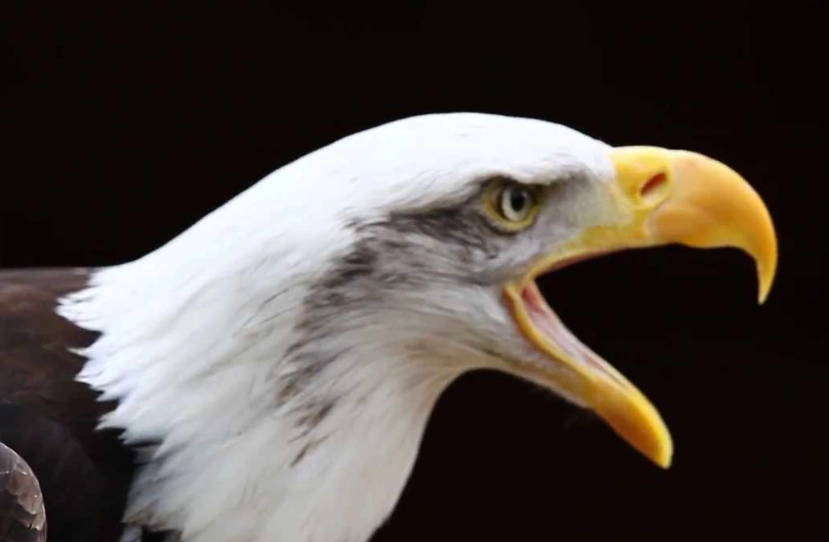
I spent a week near a nesting site once. The juvenile's begging call is relentless. It starts at dawn and goes all day. After a few hours, it stops being fascinating and starts testing your patience. You gain a whole new respect for the parent eagles putting up with that noise!
The Bald Eagle Sound Dictionary: What Each Call Means
It's not just random noise. Every bald eagle sound has a purpose. By learning their "dictionary," you can start to understand what's happening when you hear them.
| Sound Name | Description | What It Means (Context) | When You'll Hear It |
|---|---|---|---|
| Chatter Call | Rapid "kleek-kik-ik-ik-ik" sounds. | General communication between mates. Mild alarm or agitation. | At the nest, during perched interactions, when a human or other eagle is at a moderate distance. |
| Peal Call / Whistle | A long, drawn-out high note followed by shorter notes. | Long-distance contact. "I'm here, where are you?" Often used when one mate is returning to the nest or territory. | During flight, especially when approaching the nesting area. |
| Begging Call (Juvenile) | Loud, harsh, repetitive chirping and squawking. | The juvenile is hungry or sees a parent with food. Pure demand. | At the nest, constantly, during the fledgling period (spring/summer). |
| Alarm Call | A faster, more intense version of the chatter. | A perceived threat is close. Warning to mate or young. | When a perceived predator (human, other bird, mammal) gets too close to the nest. |
| Courtship/Copulation Call | A softer, more muted series of chatters. | Part of the bonding ritual between mated pairs. | During courtship flights or at the nest during breeding season. |
Listening for these contexts is key. A soft chatter from two birds on a branch is a peaceful conversation. That same chatter, faster and louder, means you're probably too close and should back up. Understanding these bald eagle calls makes birding so much more rewarding.
Where and When to Hear Bald Eagle Sounds
You can't just walk outside anywhere and hear them. Knowing their habits is half the battle.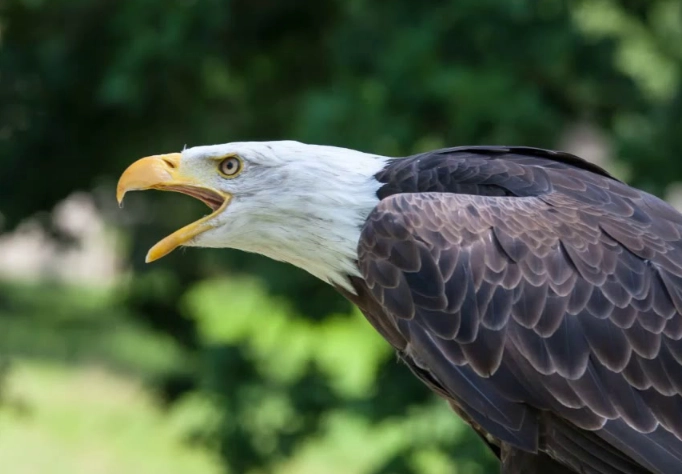
Prime Locations
Look for large bodies of water—lakes, reservoirs, major rivers, and coastlines. They need fish and open water for hunting, and tall, sturdy trees (or cliffs) for nesting. In the winter, they congregate near open water and dams where fish are easy to catch. Some of the best places in the U.S. include the Pacific Northwest (Washington, Alaska), the Great Lakes region, the Chesapeake Bay, and the Mississippi River watershed.
The U.S. Fish & Wildlife Service manages many National Wildlife Refuges that are bald eagle hotspots. Checking their local refuge pages can give you specific viewing locations. For example, information on eagle populations and viewing ethics is often detailed on sites like the U.S. Fish & Wildlife Service's eagle management page.
Best Times of Year
- Winter (December-February): Fantastic for seeing large numbers, especially in the morning near open water. Vocalizations are less frequent but can include contact calls.
- Early Spring (March-April): Breeding season! This is the absolute best time to hear bald eagle sounds. Pairs are reinforcing bonds, building nests, and you'll hear lots of chattering and peal calls. This is peak audio activity.
- Late Spring to Summer (May-August): You'll hear the incessant juvenile begging calls from the nest. It's unmistakable.
Best Times of Day
Early morning, just after sunrise. Eagles are most active then, often calling as they leave the roost or return from an early hunt. Late afternoon, before sunset, is another good window. They tend to be quieter during the middle of the day.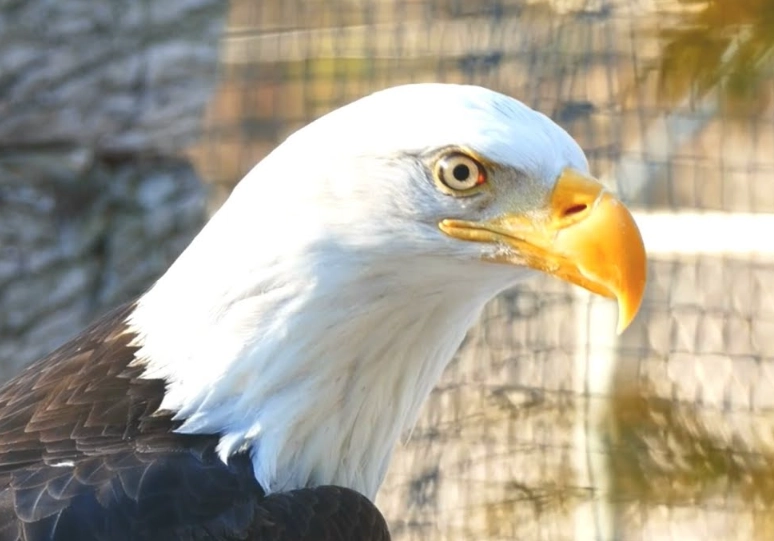
Pro Tip: Use your ears before your eyes. Often, you'll hear a bald eagle call before you spot it. That high, chirping whistle can help you scan the right patch of sky.
How to Record Bald Eagle Sounds Yourself
Want to capture these sounds? It's challenging but possible. Their calls aren't very loud, and they're often high in a tree or far across water.
First, you need patience. Lots of it. Find a known active nest or roost area (from a safe, legal distance—more on that later). Set up downwind and get comfortable. I've spent four hours waiting for just a few seconds of good audio.
Gear matters, but it doesn't have to break the bank.
- Parabolic Microphone: The gold standard. It focuses sound from a distance, like a satellite dish for audio. Expensive but transformative.
- A Good Shotgun Mic: A more affordable option. Get one with a "hypercardioid" pattern to focus on the sound in front of you and reduce wind noise.
- Wind Protection: This is non-negotiable. A fluffy windscreen (a "deadcat") is essential, even on a calm day. Wind will ruin your recording.
- Recorder: A dedicated digital audio recorder (like from Zoom or Tascam) gives you better quality and control than a phone.
My biggest piece of advice? Record in the highest quality possible (WAV format, not MP3). You can always compress it later, but you can't add quality you didn't capture. And always, always note the date, time, and location. That metadata is crucial.
The wind is your enemy. It will find your microphone.
Bald Eagle Sounds: Common Questions Answered
Ethics and Laws: Listening Responsibly
This is the most important part of this guide. Your desire to hear bald eagle sounds should never harm the bird.
Bald eagles are protected by two key federal laws in the United States: the Bald and Golden Eagle Protection Act and the Migratory Bird Treaty Act. Disturbing a nesting eagle is a federal offense. "Disturb" is a broad term that includes any action that causes stress, changes behavior, or could cause the abandonment of a nest.
The 100-Yard Rule: This is a good minimum guideline. Stay at least 100 yards (the length of a football field) from an active nest or a perched eagle. Use a spotting scope or a long camera lens. If the eagle is staring at you, fidgeting, or calling repeatedly, you are too close. Back away slowly.
Never use playback (playing recorded bald eagle sounds from a speaker) to lure an eagle closer. This is highly stressful for them, as they perceive it as an intruder in their territory. It can waste their precious energy and distract them from hunting or caring for young.
Be mindful of your presence. Keep noise down, avoid sudden movements, and don't try to get under a nest tree. The goal is to observe and listen without them ever knowing you're there. The best encounters with bald eagle sounds happen when the bird is behaving naturally, unaware of an audience.
Resources to Explore Further
Your journey into understanding these sounds doesn't end here. Here are the best places to continue learning.
- Cornell Lab of Ornithology's Macaulay Library: This is the holy grail. Thousands of verified, high-quality recordings of bald eagle sounds from across North America. Listen to the variations.
- National Audubon Society Guide: Excellent species profile with a focus on conservation and includes sound clips.
- U.S. Fish & Wildlife Service Eagle Page: The official source for laws, population data, and conservation efforts. Essential reading for the legal and ethical framework.
- eBird.org: Use the "Explore" feature to find recent sightings and hotspots near you. If people are reporting eagles, there's a chance to hear them.
So next time you see a bald eagle on screen and hear that dramatic hawk scream, you'll know the secret. The real sound is weirder, more complex, and in my opinion, more fascinating. It's a chirp, not a roar. A whistle, not a battle cry. And understanding that difference is the first step to truly knowing the bird.
Get out there, find a river or lake, be patient, and listen. You might just hear that soft, chattering conversation between two eagles, and it will mean so much more than any Hollywood sound effect ever could.
Reader Comments