Quick Guide to August Bird Silence
You know how it goes. You step outside on a calm August morning, coffee in hand, expecting the usual dawn chorus... and you're met with this weird, heavy quiet. Maybe a distant crow, the hum of insects, but that vibrant soundtrack of spring and early summer? Gone. It's a question that pops into the head of anyone who pays even a little attention to their backyard: why are birds quiet in August?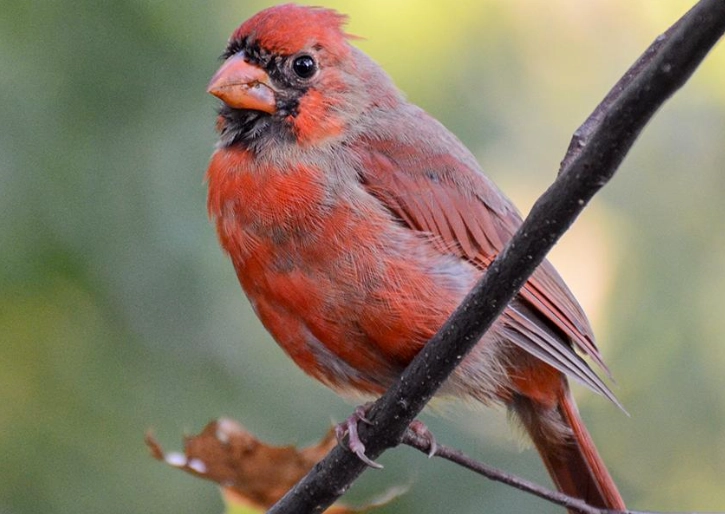
I remember one August a few years back, I actually got worried. My usual robin that sang from the phone pole at 5 AM was MIA. The house finches that bickered non-stop at the feeder were subdued. For a minute, I thought something was terribly wrong—pesticides? some silent bird plague? It felt eerie. But after talking to some much more experienced birders and digging into the science, I realized this silence isn't a crisis. It's actually a fascinating, and totally normal, chapter in the avian year.
Turns out, August is less about disappearance and more about transformation.
The simple answer to "why are birds quiet in August" is a mix of three big, overlapping reasons: they're exhausted from raising kids, they're literally changing their clothes, and the weather's just too darn hot for a lot of fuss. But that simple answer doesn't do justice to the cool, complex biology behind it all. Let's break it down.
Key Insight: The August quiet isn't universal. Some birds, like goldfinches, are just hitting their peak singing season because they nest later. Others, like many resident species, might pick up singing again in early fall. The silence is most noticeable among the insect-eating songbirds that fueled the spring frenzy.
The Big Three Reasons for the Hush
If you're asking "why are birds quiet in August," you're really asking about a major shift in priorities. Singing is hard, energy-intensive work. In August, that energy gets redirected.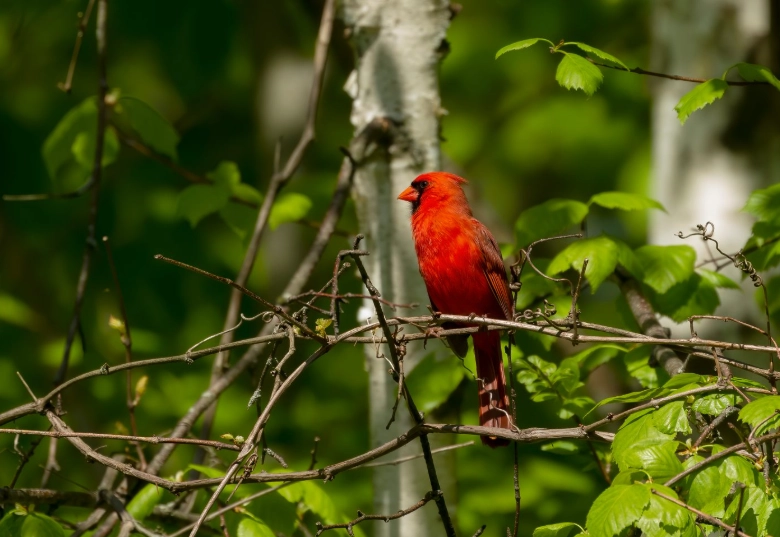
1. The Breeding Season is Officially Over (They're Done Flirting)
This is the big one. For most of our backyard birds, spring and early summer are all about two things: claiming territory and attracting a mate. That dawn chorus you love? It's not a community choir. It's mostly male birds shouting two things: "This is my tree, get lost!" and "Hey ladies, check out my amazing voice and this prime real estate!"
By August, the dating game is closed. Pairs have formed, nests have been built (and often rebuilt after predators found the first one), and chicks have been fed an insane number of caterpillars. The hormonal drive that powered all that singing has plummeted. There's simply no need to sing with that intense, territorial urgency anymore. The pressure's off.
Think of it like this. In June, a male bird is singing like he's trying to get a last-minute date for prom. By August, he's more like a tired parent who just wants a nap while the kids are finally quiet. The function of the song is gone, so the behavior stops. It's that straightforward.
2. The Great Molt: Changing Their Feathers in Secret
This might be the most under-appreciated reason. Molting—shedding old feathers and growing new ones—is incredibly taxing. It's like your body trying to grow a whole new set of hair and nails at once, while also requiring you to run and fly every day.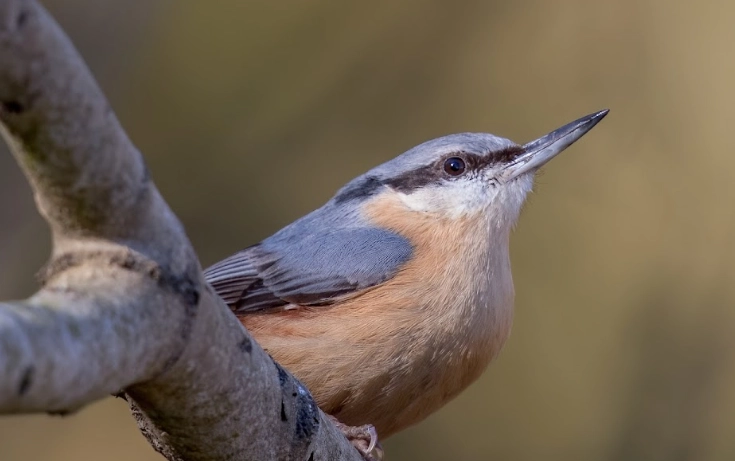
Feathers get worn out. After a season of battling rivals, escaping cats, and weathering sun and rain, they lose their waterproofing and insulation. Birds need a fresh set for the migration ahead or the coming winter. August, with its (usually) abundant food and the lull after breeding, is the perfect time.
I once found a bunch of tiny blue feathers under my spruce tree. It looked alarming, like a jay had been in a fight. But it was just a molt. The bird was fine, just renovating. It made me realize how vulnerable they must feel during this time. No wonder they lay low.
And here's the kicker. Singing draws attention. When you're growing new flight feathers and your insulation is patchy, you're slower, less maneuverable, and more visible to predators like hawks. The last thing a smart bird wants to do is stand on a high, exposed branch and belt out a tune that says, "Hey, I'm over here and not at my best!" Silence is a survival strategy during the molt. This is a huge part of the puzzle when we ask why are birds quiet in August—they're literally trying to be invisible while they rebuild.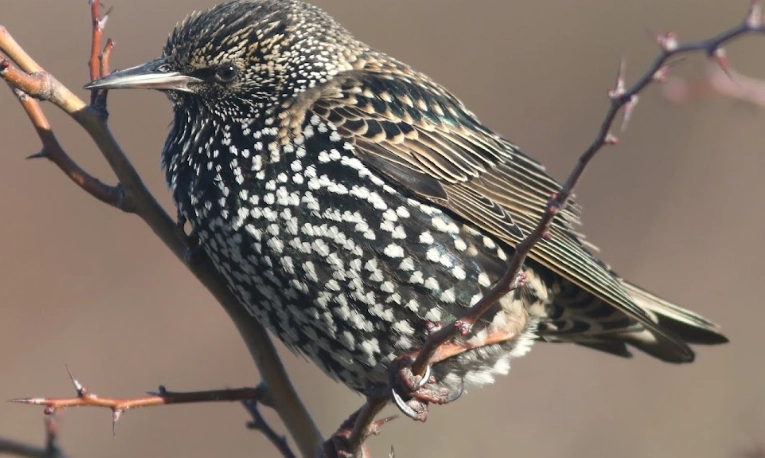
Different birds have different molt strategies, which affects how quiet they get:
| Bird Type | Molt Timing & Strategy | Effect on August Activity |
|---|---|---|
| Most Songbirds (Robins, Sparrows) | Complete, gradual molt after breeding. May lose & regrow flight feathers a few at a time. | Very quiet and secretive. Foraging becomes discreet. |
| Ducks & Geese | "Catastrophic" molt—lose all flight feathers at once. Temporarily flightless. | Extremely quiet and hidden in dense marsh vegetation. |
| Birds of Prey (Hawks) | Slow, sequential molt that can span months. | Less vocal, but still active hunters. You might see them more as songbirds hide. |
| American Goldfinch | Late breeder. Often doesn't start molting until Sept/Oct. | Still quite vocal in August! An exception that proves the rule. |
3. It's Just Too Hot (The Energy Conservation Theory)
Let's be honest. How chatty are you when it's 95 degrees (35°C) with 80% humidity? Birds feel it too. Singing is a workout. It takes muscle control and lung power. On a scorching day, conserving water and energy is paramount.
Birds don't sweat; they cool off by panting and holding their wings away from their bodies. Engaging in optional, high-energy activities like territorial singing becomes a poor choice. It's smarter to sit in the shade, pant, and stay still. The heat also affects insect activity—many bugs are less active at the peak of midday heat, which means insect-eating birds might be waiting for cooler periods to forage, further reducing general activity and associated calls.
This heat-induced lethargy is a direct answer to why birds are quiet in August, especially during the afternoon hours. The soundscape picks up a bit in the cooler early mornings and late evenings, but even then, it's muted compared to May.
Is This Silence Normal? Or Should I Be Worried?
This is the heart of the concern for many people. We hear about bird population declines (which are very real and serious), and then we notice the August silence and panic. It's important to separate the natural seasonal cycle from genuine ecological warning signs.
So, when should you actually be concerned? Here's a quick list of red flags that go beyond the normal August hush:
- Finding multiple dead birds in your yard with no obvious cause (like a window strike). This could indicate disease and should be reported to your local wildlife agency.
- Seeing birds that look lethargic, puffed up, or have crusty eyes at any time of year. This is often a sign of illness, like conjunctivitis in finches.
- A complete absence of birds from an area that was previously rich in insects and cover, even during spring migration. This might point to habitat loss or pesticide contamination.
For the most part, the August silence is a sign that the natural cycle is proceeding as it should. The birds haven't vanished; they've just switched modes.
What ARE the Birds Doing All Day in August?
They're not just napping (though I'm sure they'd like to). August is a critical month of preparation. The quiet is deceptive; a lot of crucial work is happening under the radar.
Foraging Intensively: Post-breeding adults and their newly independent young all need to build fat reserves. For migrants, this is the crucial pre-migration "refueling" period. You might not hear them, but they're actively hunting insects, gobbling berries, and visiting feeders. They're just doing it more quietly and within thicker cover.
Forming Flocks: The territorial boundaries of spring break down. You'll start to see mixed-species flocks forming—chickadees, titmice, nuthatches, and woodpeckers moving together through the woods. There's safety in numbers, especially when you're molting. These flocks communicate with soft contact calls, not full songs.
Scouting and Learning: Young birds are learning the ropes—where the good food sources are, how to identify predators, and, for future migrants, potentially starting to sense the navigational cues they'll need. Organizations like the Cornell Lab of Ornithology have incredible resources on how young birds learn these skills. It's a silent education.
So, while you're missing the songs, they're busy with the logistics of survival.
How to Enjoy Birding in the "Quiet Month"
August birding is a different skill. It's less about ear-birding and more about subtle observation. Frankly, it can be a bit boring for a hardcore lister, but I've come to appreciate its challenges.
- Focus on Movement: Scan the understory and edges of woodlands. Look for shuffling leaves or slight movements in the canopy.
- Listen for Different Sounds: Tune your ears to the soft "chip" notes, the scolding calls, and the rustling in leaf litter. The Audubon Society's guide to bird sounds is great for learning these non-song vocalizations.
- Target Specific Habitats: Head to wetlands, berry patches, or muddy shorelines (for shorebirds already on the move!). Activity concentrates around reliable food and water sources.
- Be Patient at Feeders: Birds may visit feeders more frequently to supplement their diet during the molt, but they might dash in and out quickly. A bird bath is absolutely magnetic in August heat.
Pro Tip: Late August is when southbound migration for many shorebirds and early songbirds (like warblers) is already underway. While your residents are quiet, you might get surprise visitors passing through. Check eBird hotspots near you for recent sightings!
Answering Your Top Questions About August Bird Behavior
- American Goldfinches: They nest late, using thistledown for their nests. Their bubbly song and calls are a hallmark of late summer.
- European Starlings & House Sparrows: These introduced species often have multiple broods and remain quite vocal.
- Young Birds: Fledglings of all species will be begging for food with persistent, raspy calls. It's not a pretty song, but it's definitely noise!
- Cicadas &Crickets: Okay, not birds! But their constant drone is a big part of the August soundscape and can make bird sounds harder to pick out.
The Bottom Line on the August Hush
So, the next time you step out into that late summer quiet and wonder why are birds quiet in August, you can smile. It's not an emptiness. It's a sign of success. The frantic work of raising the next generation is done. Now, it's time for a costly wardrobe change, a focus on stocking up, and a well-earned period of laying low. The energy that went into song is now going into feather growth and fat storage.
The silence is full of purpose. It's the sound of resilience, of a cycle turning. The birds are still there, in the thickets, doing what they need to do to survive the coming autumn and winter. In a way, understanding this makes the quiet less eerie and more impressive. They've earned their break.
And before you know it, on a crisp September morning, you'll hear a cardinal's clear whistle from a cedar tree, or a chickadee singing its name. The quiet will break. The cycle will begin anew. Until then, enjoy the drone of the insects, appreciate the subtle rustle in the leaves, and know that the great, hidden work of late summer is proceeding exactly as it should.
Reader Comments