Let's cut straight to the chase. Southeast Asia is not just another birding destination; it's a sensory overload of color, sound, and sheer biological wonder. We're talking about forests where the dawn chorus includes the guttural croaks of giant hornbills, the whistles of emerald doves, and the electronic beeps of fantails. From the montane cloud forests of Borneo to the flooded mangroves of Thailand, this region holds some of the most sought-after species on any birder's life list. But here's the thing many generic guides don't tell you: it can also be overwhelming, humid, and frustrating if you're not prepared. I've spent over a decade navigating these trails, and I'm here to give you the real, practical guide you need—not just a list of birds, but a blueprint for a successful trip.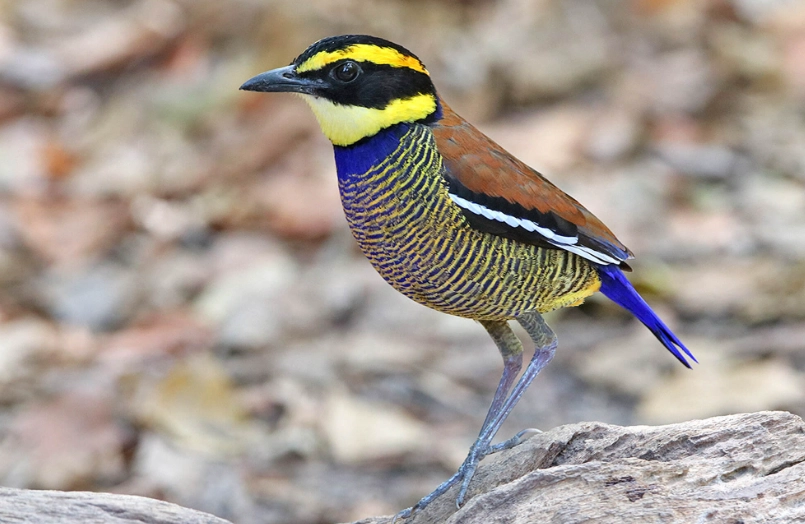
What's Inside This Guide?
Top 3 Can't-Miss Birding Hotspots (And Exactly How to Tackle Them)
Forget trying to see everything. Focus. These three locations offer the best density of endemics and accessibility for birders. I'm giving you the on-the-ground logistics you won't find in a pamphlet.
1. Kaeng Krachan National Park, Thailand
Often called Thailand's best park for birds, and for good reason. The road up to Ban Krang camp is legendary. You'll need your own transport—a 4x4 pickup truck is best, hired from nearby Kaeng Krachan town. The park opens at 6 AM; be at the gate at 5:45 AM. No kidding. The first two hours on that road are magic. Target birds: Great Hornbill, Silver-breasted Broadbill, Ratchet-tailed Treepie. Stay in the simple bungalows at Ban Krang camp (bookable through the DNP website) or back in town. The restaurant at the park headquarters is surprisingly good. A local guide from the Bird Conservation Society of Thailand can exponentially increase your sightings.
2. Kinabalu National Park, Malaysian Borneo
This is a two-stage game. The park headquarters (around 1500m) is where you find lowland montane specialists. Then, you drive up the Mesilau Trail or the road to the power station (around 2000m+) for the highland gems. You don't need to climb the mountain to see amazing birds. Accommodation books out months in advance—try the Mountain Lodge or the cheaper dormitories managed by Sutera Sanctuary Lodges. Target birds: Bornean Green Magpie (listen for its raspy call), Whitehead's Trogon, Friendly Bush Warbler. The temperature drops sharply; pack a fleece.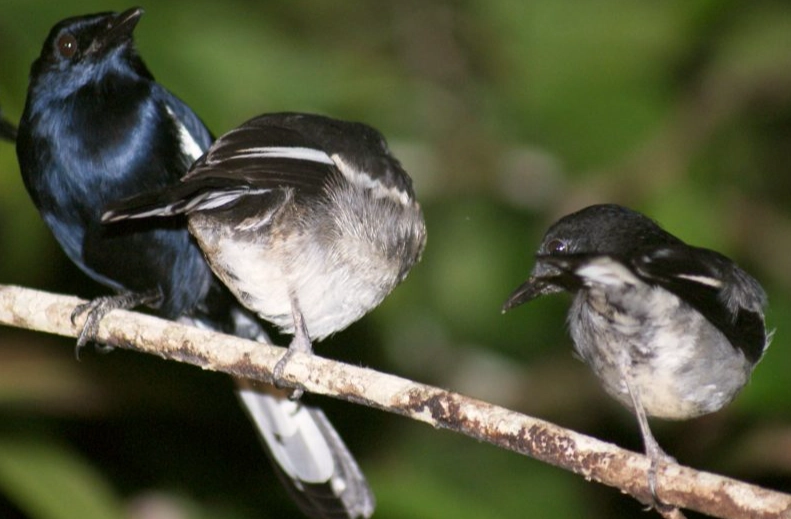
3. Taman Negara National Park, Peninsular Malaysia
The classic rainforest experience. Base yourself at Kuala Tahan. The Canopy Walkway is great for hornbills and broadbills early in the morning. But the real action is along the trails like Bukit Teresek and the river edges. Hire a boat before dawn to cruise the Tembeling River for Masked Finfoot and Stork-billed Kingfisher. It's humid. I mean, really humid. Your optics will fog. Lodging ranges from the basic Mutiara Taman Negara resort to guesthouses in the village. Eat at the floating restaurants.
How to Identify Southeast Asia's Key Bird Families?
You'll see hundreds of species. Don't panic. Learn these five key families first, and you'll have a framework to build on.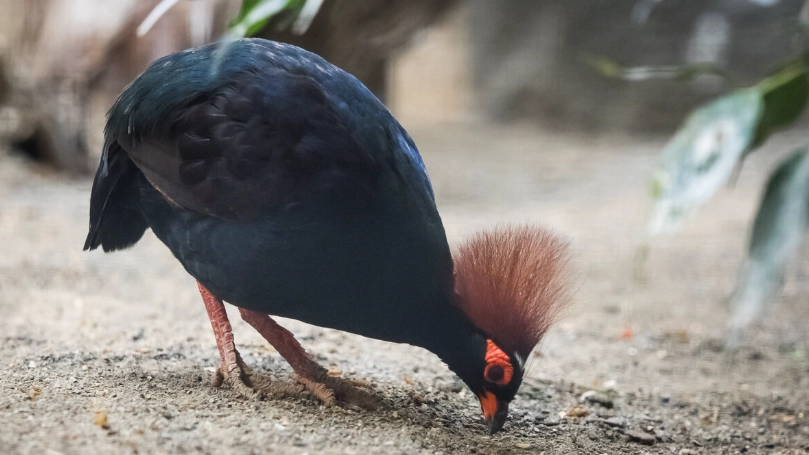
| Bird Family | Key Identification Features | Behavior & Habitat Clue | Classic Example |
|---|---|---|---|
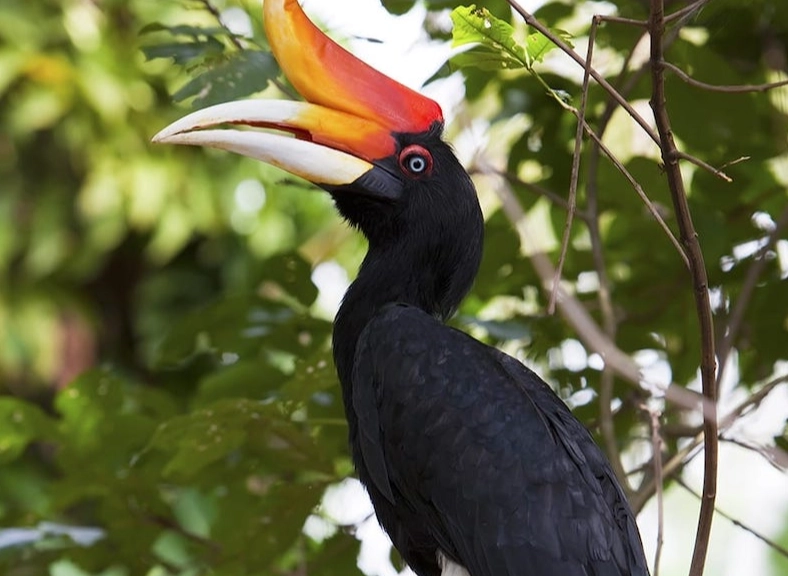
| Hornbills | Huge, curved bill (casque on top), loud wingbeats. | Fly in lines or pairs between tall forest trees, often calling loudly. | Great Hornbill |
| Broadbills | Small, stocky, with wide bills. Incredibly bright colors (green, blue, red). | Perch quietly in the mid-canopy, then make short, sallying flights for insects. | Black-and-red Broadbill |
| Barbets | Chunky, large head, stout bill. Often green with colorful heads. | Solitary or in pairs. Their repetitive, mechanical calls are the best ID tool. | Coppersmith Barbet |
| Pittas | Plump, ground-dwelling, short-tailed. A rainbow on legs. | Heard more than seen. Listen for loud, clear whistles from the forest floor. | Garnet Pitta |
| Leafbirds | Slender, pointed bill, often vibrant green or yellow. | Active in the canopy, often in flowering or fruiting trees. | Golden-fronted Leafbird |
My advice? Before your trip, spend time on Macaulay Library (from the Cornell Lab of Ornithology) listening to the calls of these families. In the jungle, your ears will find the birds long before your eyes do.
The Non-Negotiable Gear Essentials
Your standard birding kit needs a tropical overhaul.
Binoculars (8x42 or 10x42): Waterproof and fog-proof is non-negotiable. The humidity will destroy anything less.
Rain Protection: A compact, high-quality rain jacket and a rain cover for your backpack. Sudden downpours are a daily possibility.
Footwear: Sturdy, waterproof hiking boots with good ankle support for uneven trails. Also pack lightweight, quick-dry shoes or sandals for post-birding.
Leech Socks: Not fashion-forward, but absolute lifesavers in many rainforests. Wear them over your socks and tuck your pants in.
Power Bank: You'll be using your phone for GPS, photos, and bird apps. Humidity drains batteries faster.
Field Guide: The Birds of Southeast Asia by Craig Robson (2nd edition) is the bible. Also, load the Merlin Bird ID app with the Southeast Asia packs for quick reference and sound ID.
What Are the Biggest Birding Mistakes Beginners Make in Southeast Asia?
I've made some of these myself. Learn from them.
Mistake 1: Trying to cover too much ground. You'll see more birds by sitting quietly at a productive spot (a fruiting tree, a forest gap) for an hour than by hiking 10km quickly.
Mistake 2: Ignoring the understory. Everyone looks up. Some of the best birds—pittas, thrushes, wren-babblers—are on or near the ground. Look down, listen for rustles.
Mistake 3: Underestimating the climate. Start at dawn, take a long break during the midday heat, and go out again in the late afternoon. Hydrate constantly. Heat exhaustion is a real trip-ender.
Mistake 4: Not learning basic etiquette. Keep voices low. Don't use excessive playback. Respect other birders and wildlife. Support local conservation efforts, like the Bird Conservation Society of Thailand (BCST) or Wild Bird Club of the Philippines.
Your Burning Questions, Answered
 Is it better to hire a local bird guide or go solo in places like Thailand or Borneo?
Reader Comments