Your Birding Roadmap
Let's be honest. Sometimes bird identification feels like a test you didn't study for. You fumble with the guide, flipping between pages on "small brown bird" and "streaky breast," while the bird in question flies off, leaving you with a blurry memory and a sigh. What if there was a more reliable, more active clue than just color and size? There is. It's watching what they do, not just how they look. Specifically, watching them eat.
Identifying birds by foraging behavior is a game-changer. It turns a static picture into a dynamic story. A bird's shape gives you hints, but its behavior shouts its name. Think about it. A robin on your lawn doesn't eat like a woodpecker on a tree trunk. A hummingbird doesn't feed like a hawk. These actions are hardwired by evolution, tied directly to their anatomy and ecological niche. They're consistent, observable, and often happen right in front of you, even if the bird's markings are hidden in shadow.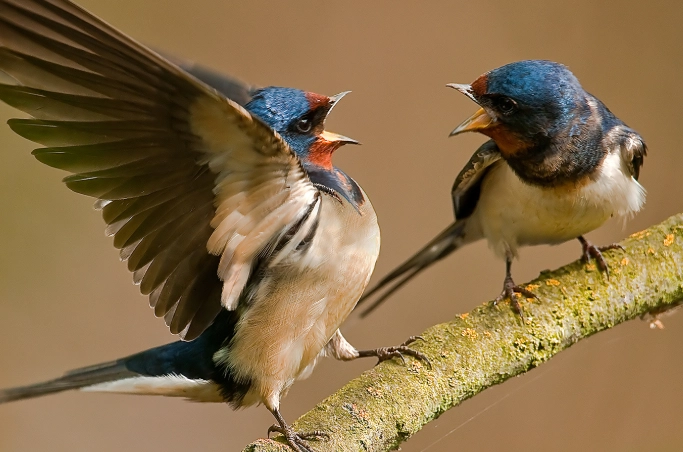
The core idea is simple: How a bird finds and consumes its food is a primary field mark, often more reliable than color (which changes with light and season) and sometimes faster to assess than song (if the bird is silent). When you start identifying birds by their foraging behavior, you're learning their job description. And that tells you exactly who they are.
I remember early on, confusing a Black-and-white Warbler with a nuthatch. Both were crawling on tree bark! But the warbler moved along branches, meticulously picking, while the nuthatch descended headfirst, hammering with a different intent. The behavior was the key. It wasn't just a bird on a tree; it was a specialist at work.
Why Bother? The Superpowers of Behavior-Watching
So why shift your focus from plumage to action? The benefits are surprisingly practical, especially in the field.
First, it works at a distance or in bad light. When a bird is a silhouette against a bright sky, you can't see its eye-ring. But you can see if it's sallying out from a perch to catch insects mid-air (a flycatcher move) or methodically gleaning insects from leaf undersides (a vireo or warbler trait). That narrows it down instantly.
Second, it's a year-round skill. A Downy Woodpecker hitches up a tree trunk probing for insects in summer and winter. That foraging behavior doesn't change with its molt. While many birds change plumage seasonally, their fundamental way of making a living stays the same.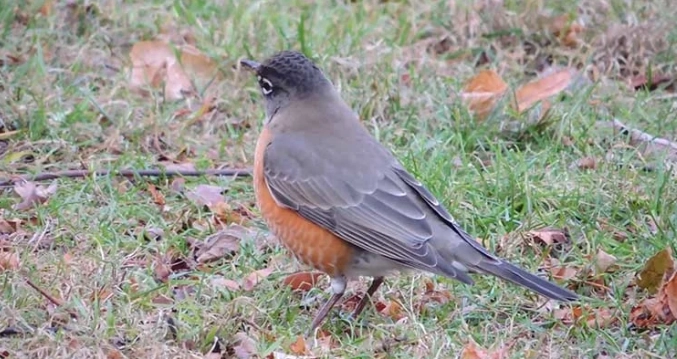
"Foraging behavior is the bridge between a bird's form and its function in the ecosystem. Watching it is like reading its resume." – This isn't just a nice saying; it's the foundation of avian ecology. Resources from places like the Cornell Lab of Ornithology consistently emphasize behavior as a critical identification pillar.
Third, it helps with tricky look-alikes. Spotted and Eastern Towhees look very similar. But watch them feed. The Eastern Towhee is a classic "double-scratcher," hopping forward and then kicking back with both feet simultaneously to uncover food in leaf litter. It's a distinctive, almost comical shuffle. If you see that, you've got your answer, even if you can't clearly see the flank color.
It makes you a better, more engaged observer. You're not just ticking a box on a list; you're understanding the bird's life. You start to predict where to find certain species based on the food sources they exploit. You become a bird behavior detective.
The Foraging Strategy Menu: How Birds Make a Living
Birds have evolved a spectacular toolkit of foraging methods. Let's break down the main strategies. Think of this as the master list of "bird jobs." When you're identifying birds by foraging behavior, you're first slotting them into one of these broad categories.
The Percussive Pros: Drilling, Probing, and Hammering
This is the woodpecker family's signature, but others do it too. It involves using the bill as a chisel, drill, or pry-bar to access food hidden in wood, bark, or soil.
- Woodpeckers: The classic image. They have shock-absorbent skulls, incredibly long tongues with barbed tips, and stiff tail feathers for bracing. They don't just peck randomly; they listen for larvae moving under the bark, then excavate precisely. A Pileated Woodpecker leaves massive rectangular holes, while a Downy makes small, neat ones. Their foraging behavior is literally written on the trees.
- Sapsuckers: A specialized woodpecker. They drill neat rows of small holes ("sap wells") in tree bark and return to drink the sap and eat the insects stuck in it. Seeing those characteristic horizontal or vertical rows of holes is a dead giveaway a Yellow-bellied Sapsucker has been around, even if the bird is gone.
- Brown Creepers: They don't hammer, but they use their thin, downcurved bills like fine tweezers to probe deep into furrows of bark for insects and spiders, always spiraling up a tree trunk from the bottom.
The Aerial Artists: Hawking, Sallying, and Flycatching
This is all about catching insects on the wing. It requires amazing agility, speed, and sharp eyesight.
- Flycatchers (Tyrant Flycatchers): The masters of the "sally." They perch upright in an open spot, watch for a flying insect, dart out in a quick, direct flight, snatch it with an audible snap of the bill, and return to the same or a nearby perch. Eastern Phoebes even wag their tails while perched. That sit-and-wait strategy is pure flycatcher.
- Swallows, Swifts, and Nightjars: These are "continuous aerial feeders." They don't perch-and-sally; they spend almost their entire flight time with mouths open, scooping up insects. Swallows have graceful, acrobatic flights over fields and water. Chimney Swifts have rapid, stiff wingbeats and look like "flying cigars." Common Nighthawks forage at dusk with erratic, looping flight.
The equipment differs. Flycatchers have broad, flat bills with bristles at the base to help funnel insects into their mouths. Swallows have short, wide bills for their aerial-scooping technique.
The Substrate Specialists: Gleaning, Picking, and Probing
This is a huge category covering birds that pick food directly off a surface—leaves, branches, ground, mud, water. It's less flashy but incredibly common.
- Foliage Gleaners: Many warblers, vireos, and kinglets. They move actively through trees and shrubs, peering at leaves and twigs, picking off caterpillars, aphids, and other small prey. Some, like the Black-and-white Warbler I mentioned, act more like creepers on bark.
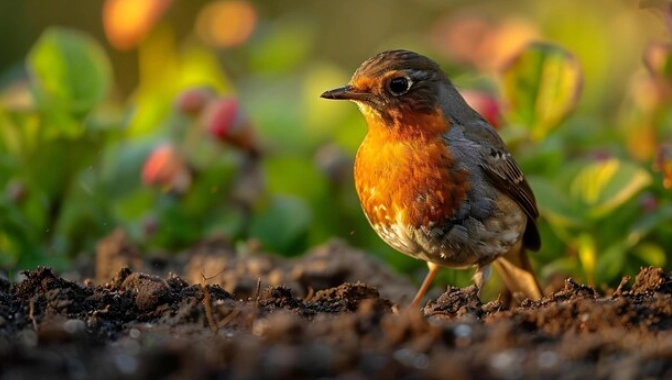
- Ground Foragers: Sparrows, towhees, thrushes, and juncos. They hop or walk on the ground, searching for seeds, fallen fruit, or insects. Watch their technique. Some scratch (towhees). Some use a "run-and-stop" method (American Robin, listening for worms). Others just peck delicately (Song Sparrow).
- Mud Probers: Shorebirds are the champions here. Their bill length and shape are direct adaptations to how deep they probe in mud or sand. A Long-billed Curlew has a dramatically downcurved bill for deep burrowing. A Dunlin has a shorter, straighter bill for surface probing. Watching a flock of shorebirds feed is a masterclass in identifying birds by foraging behavior—their bills are their tools, and you can match the tool to the job.
Pro Tip: When you see a small bird in a tree, don't just look at its face. Watch its posture and movement speed. A vireo tends to move more slowly and deliberately, often hovering briefly to inspect a leaf. A warbler is usually a frantic, constant mover, flitting quickly from branch to branch. That pace is a behavioral clue.
The Liquid Lunch Crew: Nectar Feeding, Dipping, and Skimming
Specialized diets require specialized foraging.
- Hummingbirds: The only birds that can truly hover for extended periods. They don't just perch on flowers; they hover in front of them, inserting their long, tubular tongues deep into blossoms. That sustained hovering, often accompanied by a whirring sound, is unmistakable. They're also fiercely territorial about their feeding patches.
- Dipper: This amazing bird forages underwater in fast-moving streams, walking along the bottom against the current, probing under rocks for aquatic insects. Seeing a chunky, gray bird completely submerge itself in a river is a unforgettable foraging behavior sighting.
Putting It Into Practice: Your Behavioral Field Guide
Okay, theory is great. But how do you use this at your local park or backyard? Let's get concrete. Here’s a practical table matching common backyard and woodland birds to their primary foraging strategies. This is where identifying birds by foraging behavior becomes a real, usable skill.
| Foraging Strategy | Bird Example(s) | Key Behavioral Cues & "Giveaways" | Typical Location |
|---|---|---|---|
| Bark Drilling/Probing | Downy Woodpecker, Hairy Woodpecker, White-breasted Nuthatch, Brown Creeper | Hitching up/down tree trunks; hammering or prying at bark; nuthatches go headfirst down; creepers spiral up from base. | Tree trunks and major branches. |
| Foliage Gleaning | Black-capped Chickadee, Yellow-rumped Warbler, Red-eyed Vireo, Golden-crowned Kinglet | Active, flitting movement through outer leaves and twigs; hanging upside down (chickadees, titmice); hovering briefly (vireos). | Canopy and outer branches of trees/shrubs. |
| Ground Scratching/Picking | Northern Cardinal, Dark-eyed Junco, Eastern Towhee, American Robin | Hopping on ground; towhees use two-footed scratch; robins run-stop-tilt-head (listening for worms). | Lawns, forest floor, under bushes. |
| Perch-and-Sally Flycatching | Eastern Phoebe, Great Crested Flycatcher, Eastern Kingbird | Upright perch; sudden, direct flight out and back; often returns to same perch; tail-wagging (phoebe). | Open perches: fence posts, dead branches, wires. |
| Seed Cracking | American Goldfinch, House Finch, Northern Cardinal | Perching on seed heads or feeders; using stout, conical bills to crush seeds; goldfinches often feed on thistles. | Weedy fields, bird feeders, sunflowers. |
| Aerial Hawking (Continuous) | Tree Swallow, Barn Swallow, Chimney Swift | Graceful, sweeping flight; rarely perch while feeding; mouths often seen open; swifts have rapid, stiff wingbeats. | Over open fields, water bodies, in the sky. |
See how this works? You see a bird on the ground doing a two-footed hop-scratch. Immediately, you think "towhee or some sparrows." You see a bird hitched to the side of a tree, moving downward. "Nuthatch." The process of identifying birds by foraging behavior starts to become automatic, a first filter before you even check color patterns.
A quick story: I was once with a new birder who saw a grayish bird fly out from a perch, catch a bug, and return. "Was that a flycatcher?" she asked. I was impressed. She hadn't seen the color clearly, but the sallying behavior was textbook. That's the power of this method—it gives beginners a powerful, immediate tool.
Beyond the Basics: Nuances and Pitfalls
Now, it's not always perfect. Birds can be opportunistic. A Red-bellied Woodpecker will come to a suet feeder. A Northern Cardinal might occasionally hawk an insect. But their primary, natural foraging strategy is remarkably consistent. The key is to observe for more than a split second.
Another nuance: time of day and season matter. Many warblers that are dedicated insect gleaners in summer may switch to berries or other fruit in fall and winter. But their method of picking that food off a branch often remains similar. A Yellow-rumped Warbler will still be a active gleaner, whether it's after a caterpillar or a bayberry.
Weather affects behavior too. On a cold, insect-less day, you might not see flycatchers sallying at all. They're conserving energy. On windy days, aerial feeders like swallows might feed lower to the ground where insects are pushed. Your context matters.
Don't rely on behavior alone. It's one piece of the puzzle—a huge, critical piece—but combine it with what you can see: size, shape, general color pattern, habitat, and sound. Behavior is the bridge that connects all those other clues. The National Audubon Society's guides are fantastic because they often include notes on behavior and habitat right alongside the pictures.
Wrapping It Up: From Confusion to Confidence
Shifting your focus to foraging behavior isn't about throwing away your field guide. It's about making that guide work smarter for you. You'll find yourself looking up birds in the right section faster because you've already narrowed them down by their "job." You'll spend less time frustrated by fleeting glimpses and more time successfully naming birds based on their actions.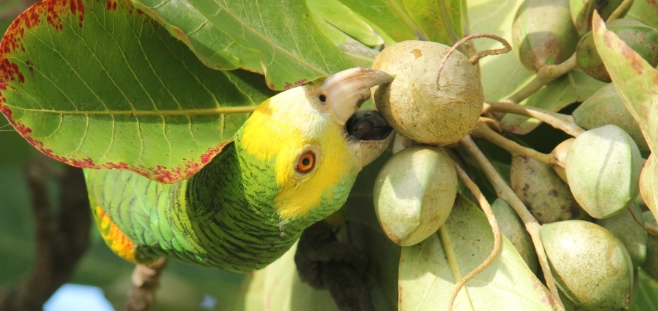
Identifying birds by foraging behavior makes birding more dynamic and intellectually satisfying. You're not just cataloging colors; you're understanding adaptations. You're seeing the why behind the what. That little brown bird isn't just a "sparrow"—it's a ground-scratcher specializing in grass seeds, or a foliage-gleaner keeping aphids in check.
So next time you're out, give it a try. Before you reach for the book or the app, just watch. What is the bird actually doing? Is it hammering, gleaning, sallying, probing, scratching, dabbling, or hovering? That first clue will point you in the right direction more often than not. It turns every bird into a story waiting to be read, one bite at a time.
And honestly, it's more fun this way. It feels less like memorizing and more like discovering. The birds are telling you who they are, not just with their feathers, but with their lives. All you have to do is watch.
Reader Comments