Quick Guide
- What Does a Burrowing Owl Look Like? Spotting the Key Features
- Home Sweet (Earthen) Home: Burrowing Owl Habitat
- A Day in the Life: Behavior and Diet of a Burrowing Owl
- The Troubling Decline: Conservation Status and Threats
- How People Are Helping: Burrowing Owl Conservation in Action
- Final Thoughts: Why These Owls Matter
You're walking across a wide-open prairie or maybe even a dry, scrubby patch of land in the suburbs, and you see what looks like a bunch of dirt mounds. Nothing special, right? But then you notice a small, long-legged owl perched right next to one of those holes, giving you the side-eye with bright yellow eyes. That's your first encounter with a burrowing owl, and it's a moment you won't forget. These aren't your typical wise old owls of the deep forest. These are ground-dwelling, sun-loving, and frankly, hilarious little characters of the avian world. I remember the first time I saw one in Florida—it didn't fly away immediately like most birds. It just bobbed its head up and down, as if asking me what *I* was doing in *its* neighborhood.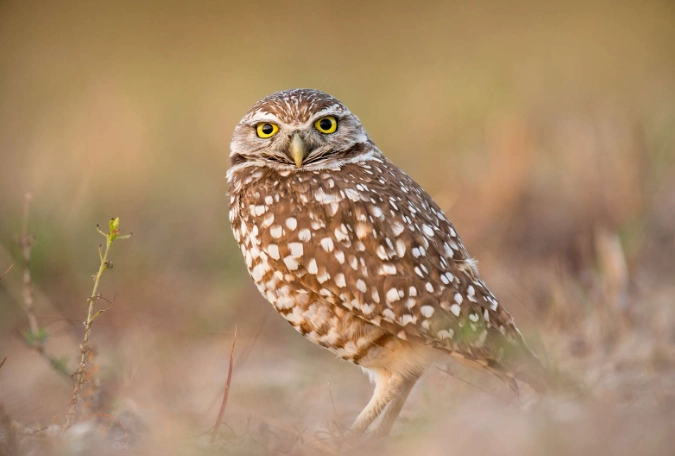
Most people think all owls live in trees and hunt only at night. The burrowing owl shatters that stereotype completely. They've chosen a life underground, which comes with a whole different set of rules, challenges, and charms. But here's the thing that really gets me: their numbers are dropping in many areas. That quirky sight of an owl standing sentinel by a burrow is becoming less common, and that's a real shame. So, let's dig into the world of the burrowing owl. What makes them tick? Where do they live? And why should we care about their future?
Quick Take: The burrowing owl (Athene cunicularia) is a small, long-legged owl found across open landscapes of the Americas. Unlike most owls, it is active during the day, lives in underground burrows (often ones dug by other animals), and has a diet that includes far more insects and small mammals than you might expect.
What Does a Burrowing Owl Look Like? Spotting the Key Features
Forget the large, round-headed silhouette of a Great Horned Owl. The burrowing owl has a different vibe altogether. They're petite, standing only about 7.5 to 10 inches tall. The first thing you'll notice is the legs. They have surprisingly long, bare legs for an owl, which makes them look like they're on stilts. It's a practical adaptation for life on the ground and for peering into tall grass.
Their plumage is mostly brown, speckled with white bars and spots. This provides perfect camouflage against the dirt and dry grass of their homes. They lack the ear tufts of some owls, giving them a round-headed appearance. But the eyes—those piercing, lemon-yellow eyes—are what really grab your attention. Juveniles are a bit less polished, lacking the distinct white spotting of the adults.
One of their most charming behaviors is the "bobbing" motion. When curious or alarmed, a burrowing owl will often dip its body up and down. Some think it's a way to gauge distance, others say it's a display. I just think it looks like they're dancing to a beat only they can hear.
Male vs. Female: Is There a Difference?
To the casual observer, males and females look very similar. This is common in owls. However, if you see a pair together, the female is often slightly darker and more heavily marked than the male. She also tends to be a bit larger, which is the reverse of many birds of prey. The best way to tell them apart during breeding season is by behavior: the male is usually the one bringing food to the burrow entrance for the female and the chicks.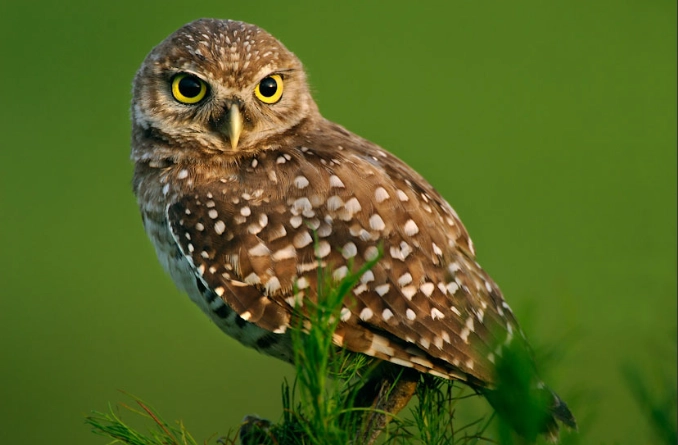
Home Sweet (Earthen) Home: Burrowing Owl Habitat
This is where the "burrowing" part of their name gets interesting. Let's be clear: most burrowing owls are not master excavators. They're opportunists. They prefer to move into burrows already dug by other animals, like prairie dogs, ground squirrels, badgers, or even tortoises. They might do a little renovation—widening a tunnel, digging a nest chamber at the end—but they're happy to avoid the hard labor. In some areas without these natural diggers, or where the soil is soft, they have been known to dig their own, but it's not their first choice.
Their habitat requirements are pretty specific: open areas with short vegetation. They need a clear line of sight to spot predators and prey. You'll find them in:
- Native Grasslands and Prairies: Their historical stronghold, especially where prairie dog towns created vast networks of burrows.
- Agricultural Fields: Pastures, fallow fields, and even airports (which mimic open grasslands).
- Desert Scrub: Arid regions in the southwestern U.S. and Mexico.
- Urban and Suburban Fringes: Golf courses, vacant lots, and parks can sometimes host a pair if there's enough open space and a suitable burrow.
The tragic link here is that the decline of prairie dogs and other burrowing mammals, due to poisoning, plague, and habitat loss, has directly caused the decline of burrowing owls. No burrowers means no burrows for the owls. It's a domino effect that highlights how interconnected ecosystems are.
| Habitat Type | Key Features | Primary Burrow Providers | Conservation Status in this Habitat |
|---|---|---|---|
| Native Prairie | Vast open spaces, tall & short grass mix | Prairie Dogs, Ground Squirrels | Declining significantly due to prairie dog eradication & conversion to farmland. |
| Agricultural Land | Open fields, often with low vegetation | Ground Squirrels, sometimes artificial burrows | Unstable; depends on farming practices. Plowing can destroy burrows. |
| Desert Scrub | Arid, sparse vegetation, sandy soil | Desert Tortoise, Kangaroo Rats (owls may dig own) | Relatively stable in core areas, but threatened by solar farm development & urbanization. |
| Urban/Suburban | Parks, golf courses, airports | Often reliant on artificial burrows installed by conservation groups | Increasingly important as a refuge; success varies with human tolerance. |
A Day in the Life: Behavior and Diet of a Burrowing Owl
These owls break the mold. While they can hunt at night, they are often crepuscular (active at dawn and dusk) and even diurnal (active during the day). This daytime activity is why people get to see them more often than other owl species. Their life revolves around their burrow, which isn't just a nesting site—it's a pantry, a nursery, and a shelter from extreme weather and predators.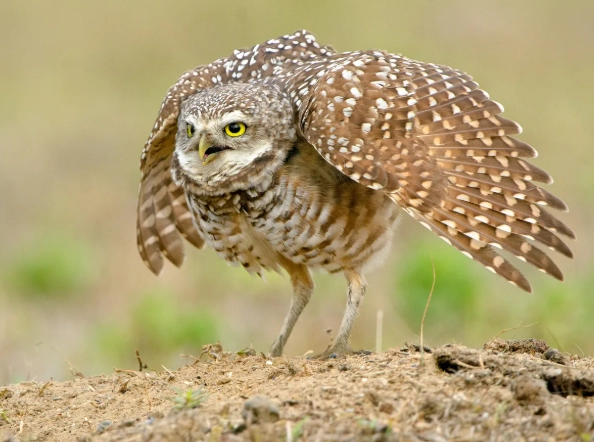
What's on the Menu?
The burrowing owl's diet is impressively varied, which is one key to their adaptability. They are opportunistic hunters, snatching up whatever is abundant and the right size.
Top Prey Items for Burrowing Owls:
- Insects: The staple. Beetles, grasshoppers, crickets, and moths make up a huge portion, especially in summer. Watching an owl chase a grasshopper across the ground is a comical sight.
- Small Mammals: Mice, voles, shrews, and young ground squirrels are crucial, especially for feeding growing chicks.
- Reptiles & Amphibians: Small snakes, lizards, and frogs are common prey in warmer climates.
- Birds: Occasionally, they will take small birds.
- Other: Scorpions, centipedes, and even carrion (dead animals) have been recorded.
They hunt mostly from a low perch or from the ground, using a "sit-and-wait" technique before pouncing. They also sometimes catch insects in mid-air. A fascinating behavior is their use of dung. They often collect mammal dung (like from cattle or bison) and place it around their burrow entrance. The prevailing theory is that the dung attracts dung beetles, which then become an easy snack for the owls. Pretty clever farming, if you ask me.
Family Life and Breeding
Breeding season starts in early spring. Males attract females with aerial displays and food offerings. Once paired, they are generally monogamous for the season. The female lays a clutch of 6-12 eggs (which is a lot for an owl!) in the nest chamber at the end of the burrow. She does most of the incubating for about 28-30 days while the male provides food.
The chicks, called owlets, are adorable balls of fluff. They emerge from the burrow at about two weeks old, but they can't fly yet. This is the riskiest time. They huddle near the entrance, watched over by their parents, who become fiercely defensive. I've seen videos of a parent burrowing owl fearlessly dive-bombing a snake or a coyote that got too close. The young start flying around 6 weeks old and become independent a few weeks later.
A Word of Caution: If you're lucky enough to find an active burrowing owl nest, keep your distance. Use binoculars or a long lens. Getting too close can stress the parents, cause them to abandon the hunt, or even lead them to abandon the nest. It can also draw the attention of predators to the vulnerable chicks. Admire from afar.
The Troubling Decline: Conservation Status and Threats
This is the part that isn't so fun. Across much of their North American range, burrowing owl populations are decreasing. The IUCN Red List classifies them as a species of "Least Concern" globally due to stable populations in parts of South America, but that masks serious regional declines. In Canada, they are Endangered. In the United States, they are listed as endangered in Minnesota, threatened in Colorado, and a species of special concern in several western states.
So what's causing the problem? It's not one thing, but a combination of punches.
- Habitat Loss: The #1 threat. The conversion of native grasslands and prairies to intensive agriculture, urban sprawl, and industrial development simply erases their homes.
- Loss of Burrowing Mammals: Widespread poisoning and eradication programs targeting prairie dogs and ground squirrels have removed the owls' prime real estate developers.
- Vehicle Collisions: Low-flying owls hunting near roads are often hit by cars.
- Pesticides and Rodenticides: These can poison owls directly or reduce their insect prey. Second-generation anticoagulant rodenticides are a particular nightmare, causing owls that eat poisoned rodents to bleed to death internally.
- Predation: Increased predation by domestic cats and dogs, as well as native predators like coyotes and badgers, especially in fragmented habitats.
- Climate Change: This is a growing concern, potentially altering prey availability and increasing the frequency of extreme weather events that can flood or collapse burrows.
It feels overwhelming, doesn't it? But the story isn't all doom and gloom.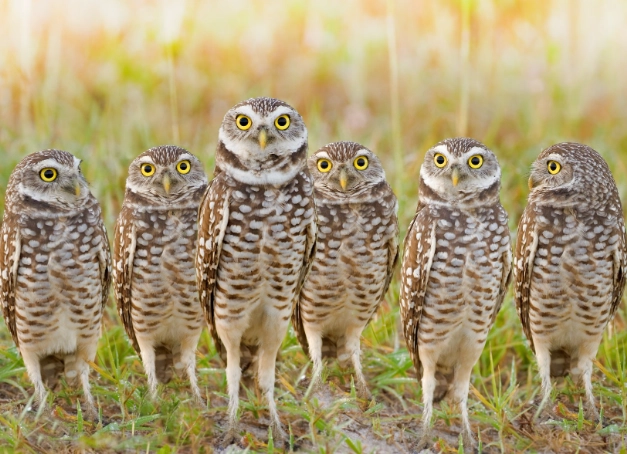
How People Are Helping: Burrowing Owl Conservation in Action
Across the continent, dedicated biologists, conservation groups, and even volunteers are rolling up their sleeves to help these little owls. The strategies are clever and hands-on.
Artificial Burrows: A Helping Hand
One of the most direct and successful interventions is the installation of artificial burrows. These are usually made from PVC pipe or buckets buried underground with a entrance tunnel. Organizations like the Burrowing Owl Conservation Network and many local Audubon chapters run programs to build and maintain these. In places where natural burrowers are gone, these artificial homes can make the difference between a local population surviving or blinking out. I've helped with a monitoring project for these, and the thrill of seeing a pair take up residence in a burrow we installed is incredible.
Translocation and "Head-Starting"
In some areas, like Canada, where the population is critically low, conservationists use a technique called head-starting. They take eggs or young owlets from stable populations (with permits!), raise them in protected environments until they are fledged, and then release them into managed habitats with artificial burrows. This gives them a huge survival boost in their vulnerable early weeks. It's controversial to some, but the data from programs like the one run by the California Department of Fish and Wildlife shows it can work to re-establish populations.
Habitat Protection and Management
The most critical long-term solution is protecting large tracts of open land. This includes working with ranchers and farmers to promote owl-friendly practices, like maintaining pastures instead of converting to row crops, and avoiding rodenticides. Protected areas like national wildlife refuges are vital strongholds.
Common Questions About Burrowing Owls
Final Thoughts: Why These Owls Matter
Look, the burrowing owl isn't just another bird. It's an indicator species. Its health reflects the health of the open, grassland ecosystems that so many other creatures rely on—from pronghorn to pollinators. When the burrowing owl declines, it's a warning siren for the entire prairie.
But beyond the ecology, there's something simply joyful about them. In a world that can feel overly serious, they are a shot of whimsy. The head-bobbing, the dung decorating, the way they stand guard like tiny, feathered sentinels—it all adds up to a bird with personality to spare. Losing that would make our natural world a little less interesting, a little less resilient, and a lot less magical.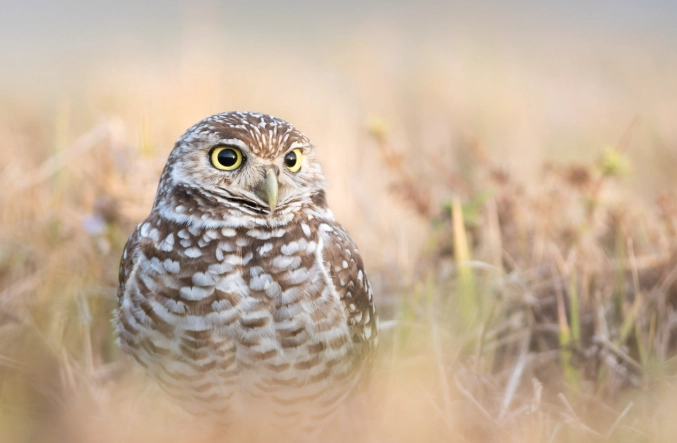
The work being done by conservationists shows that decline isn't inevitable. With artificial burrows, habitat protection, and public awareness, we can give these underground owls a fighting chance. Maybe the next generation will still get to experience the wonder of locking eyes with a long-legged owl standing in the sun, wondering about us just as much as we wonder about it.
That's a future worth digging for.
Reader Comments